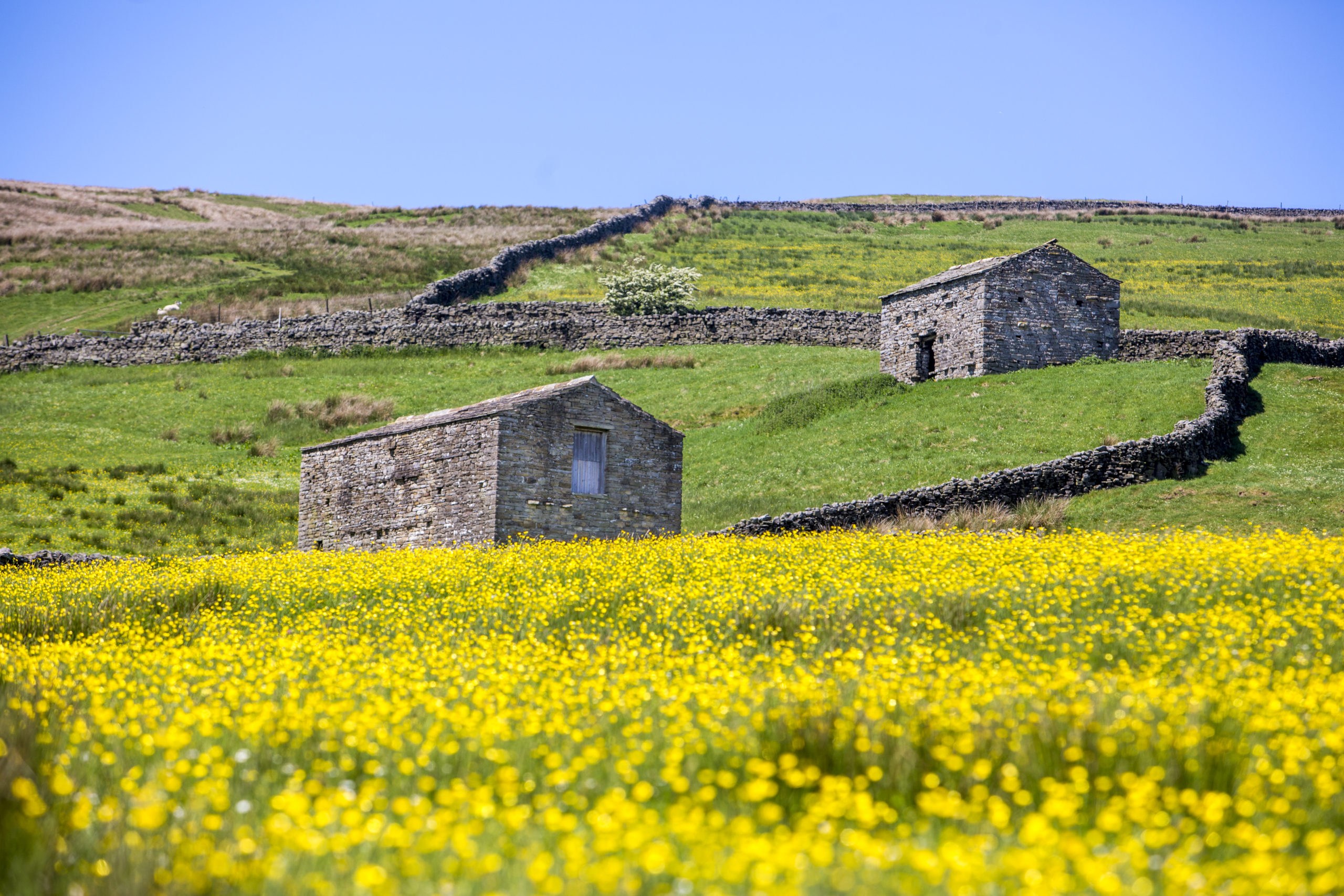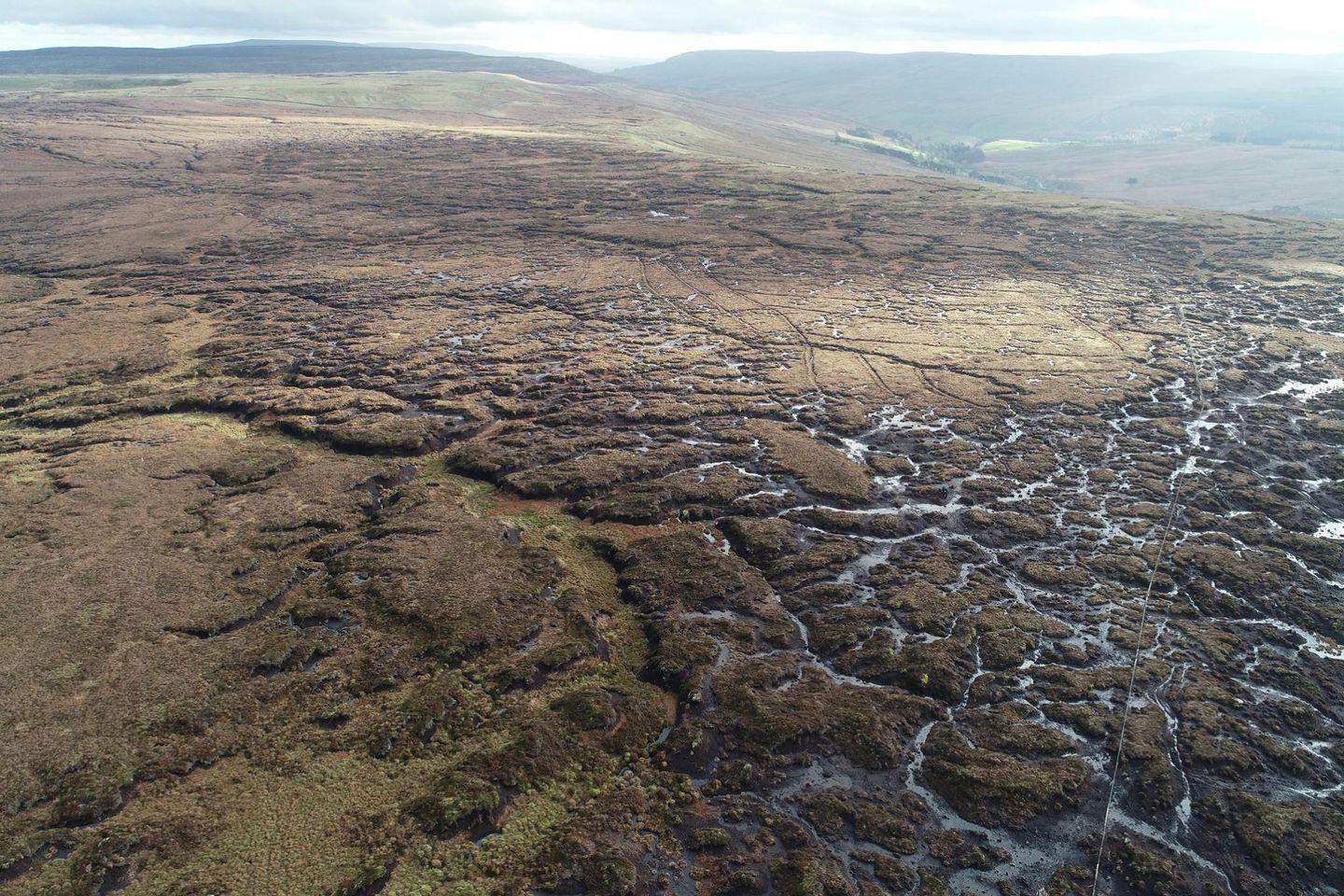
Fleet Moss.
Our work:
Climate change
Climate change is affecting the Yorkshire Dales. Discover how we're reducing carbon emissions, restoring nature and helping landscapes and communities adapt.


Evidence shows that the climate in the Yorkshire Dales is likely to become warmer and wetter in winter, and hotter and drier in summer. Extreme weather events, including storms, flooding and heatwaves, are expected to become more frequent and severe.
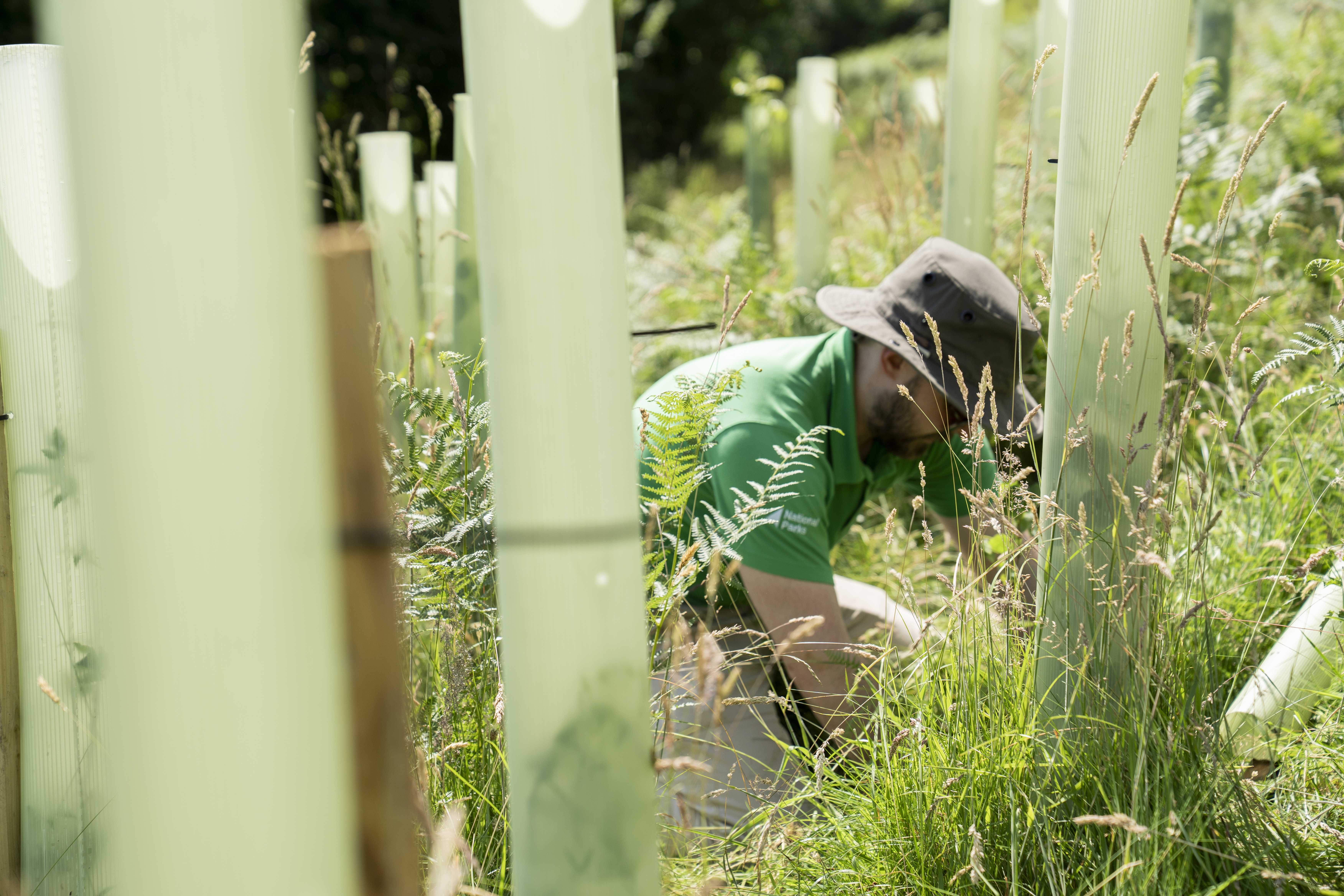
These changes will affect landscapes, wildlife, habitats and communities across the National Park. Working with partners, landowners and local communities, we are supporting action to reduce emissions, store carbon and build resilience to climate change.
Learn More
Case studies
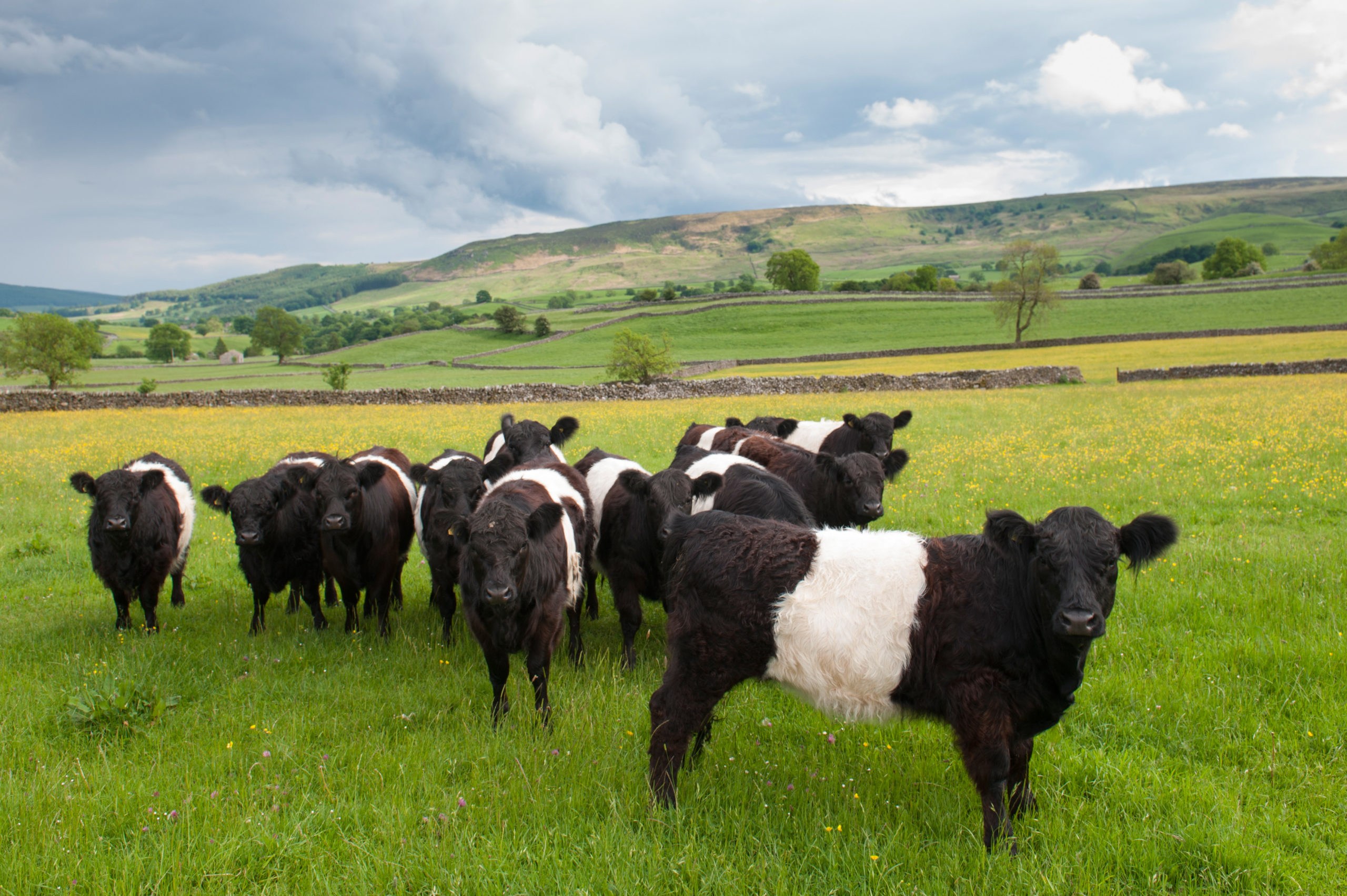
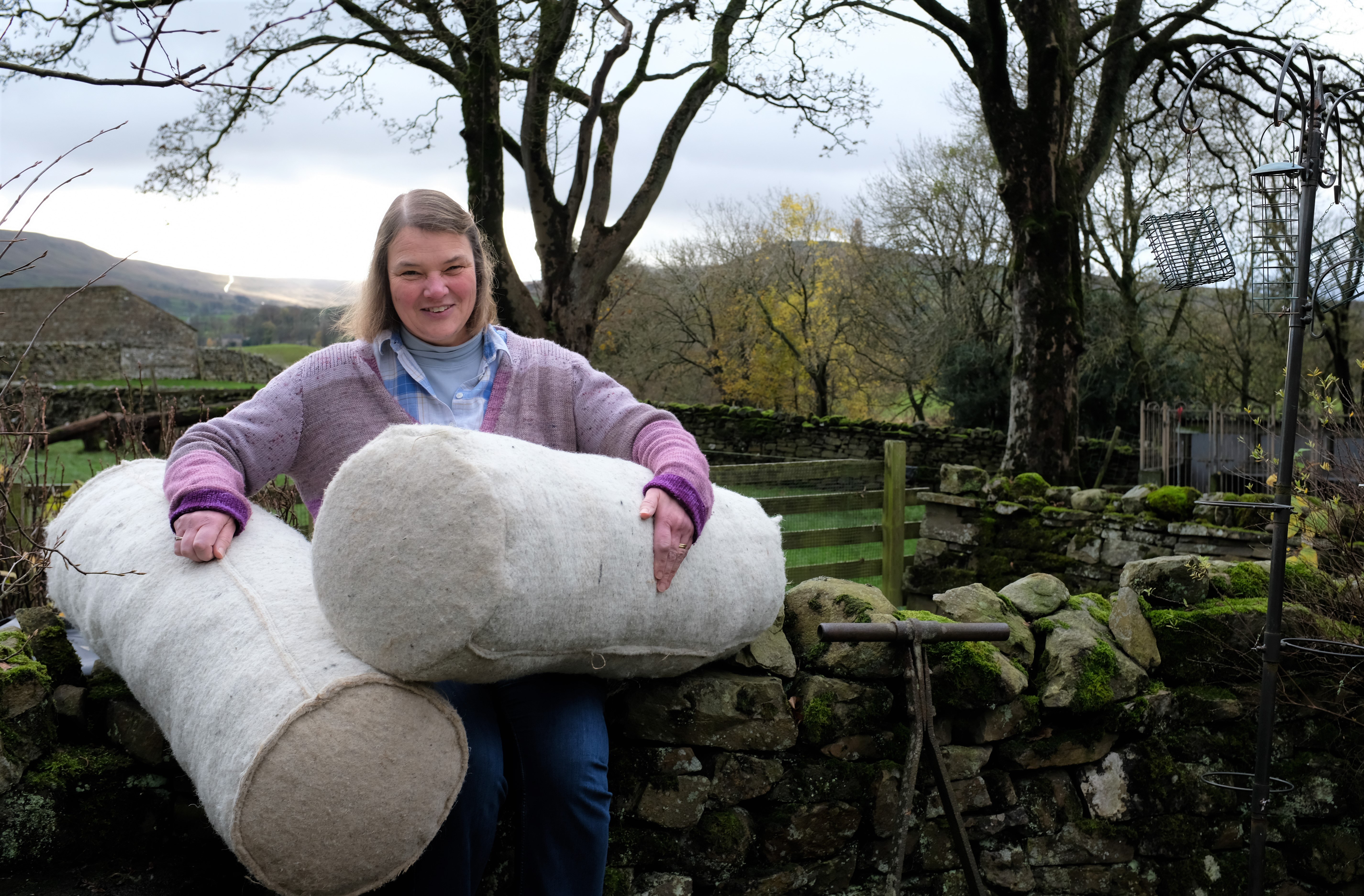
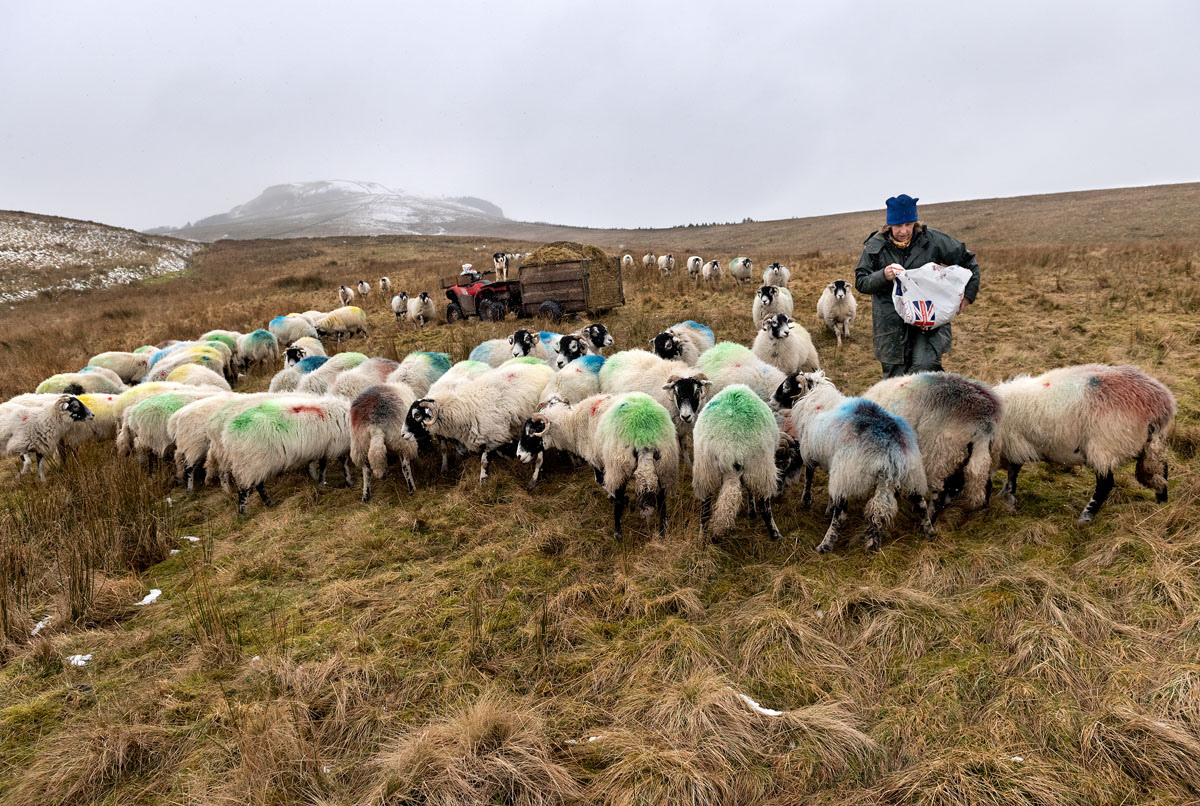
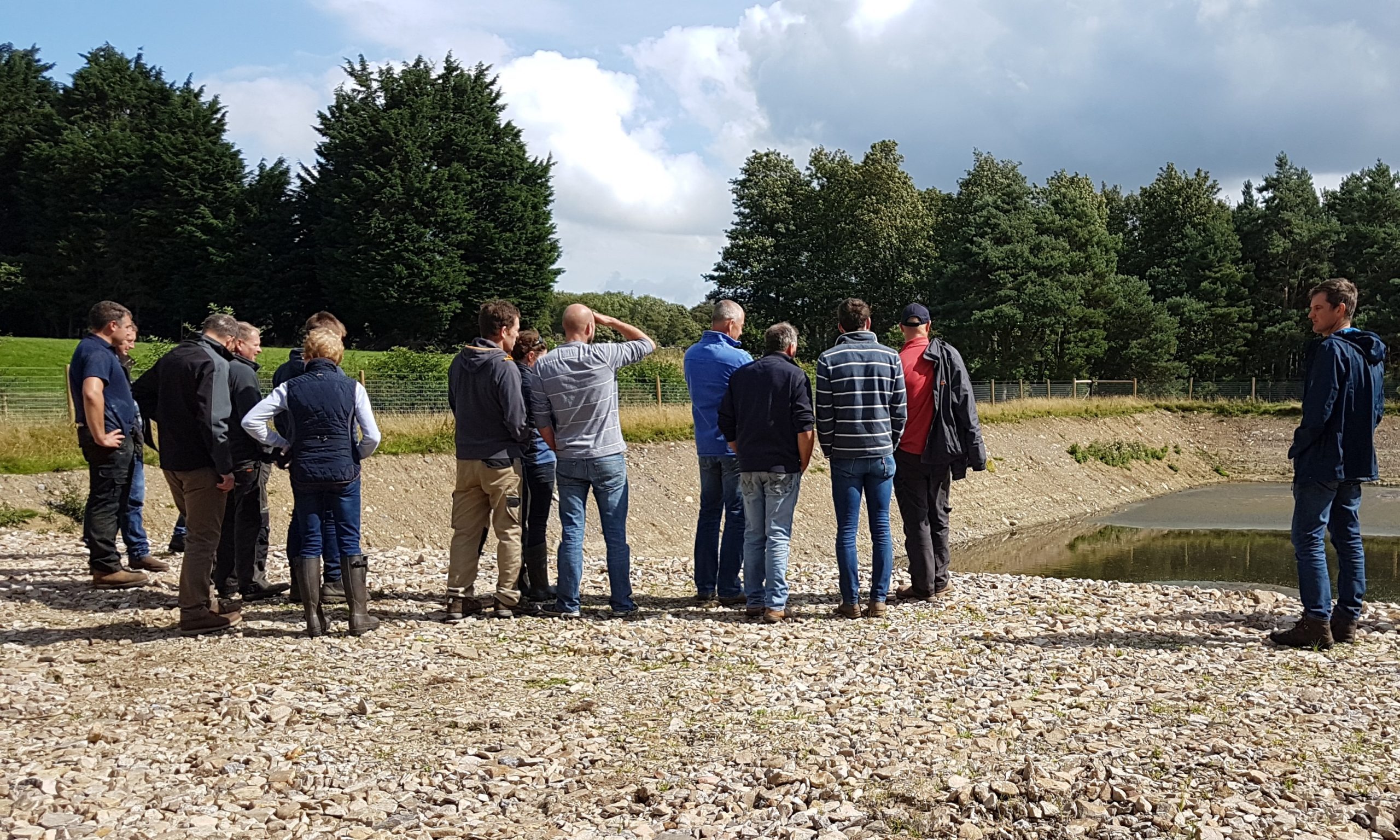
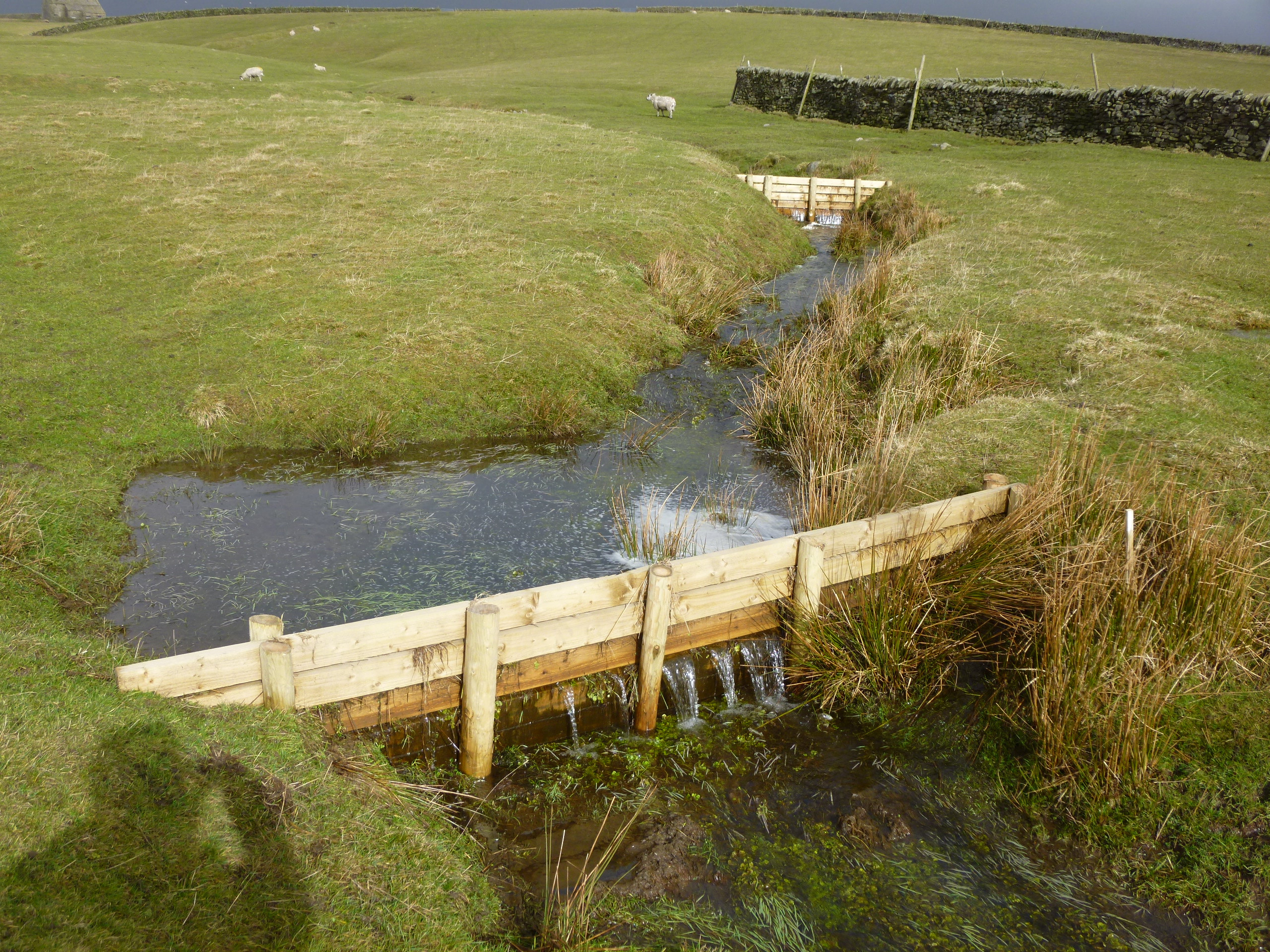
See how farmers are reducing emissions and preparing for the impacts of climate change.