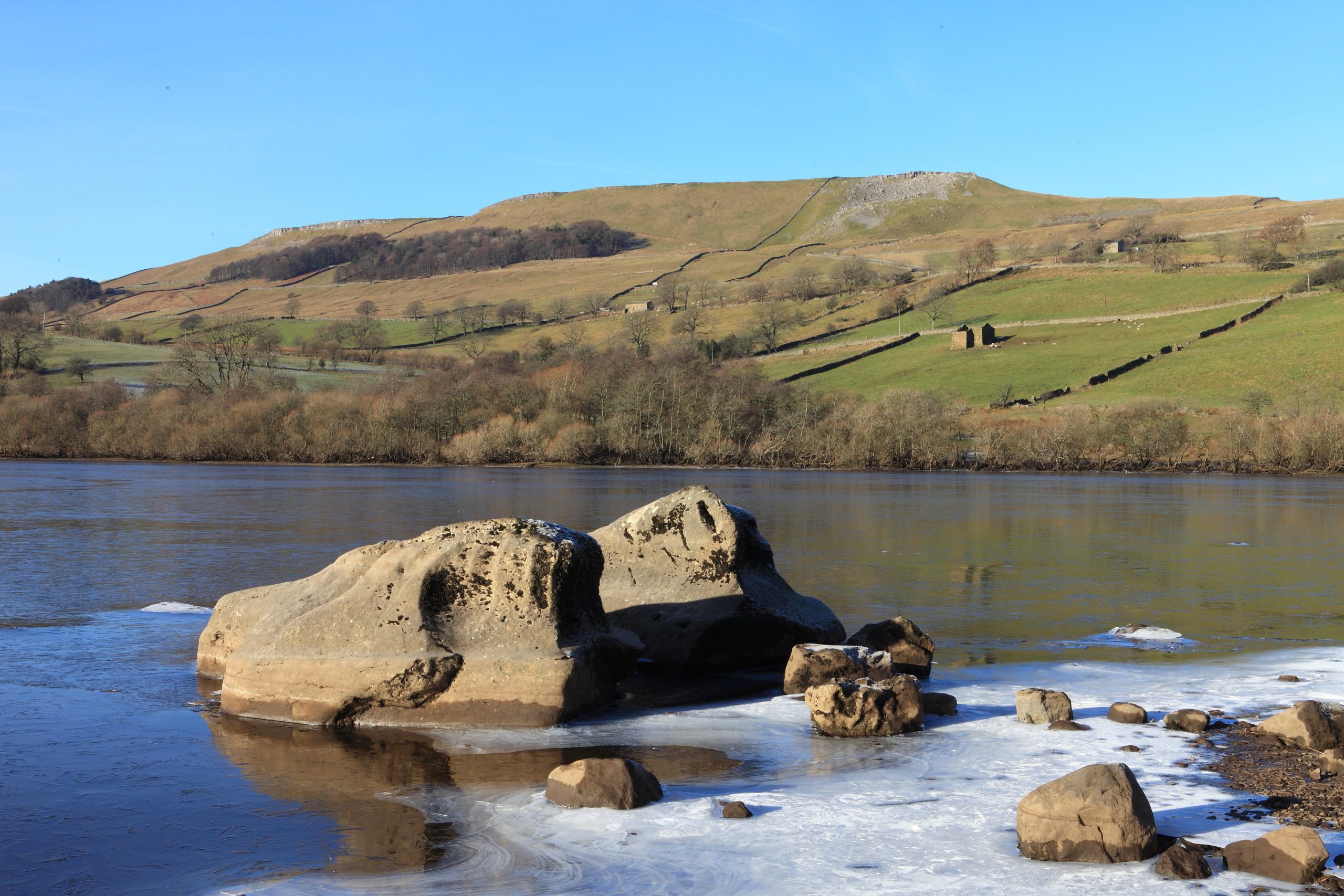
This repository has been created to allow all data and research relating to Semerwater Lake SSSI and the immediate surrounds to be stored in one centralised location. The creation of the repository was a required output of The Semerwater Project, and we will routinely update this resource when we are able to.
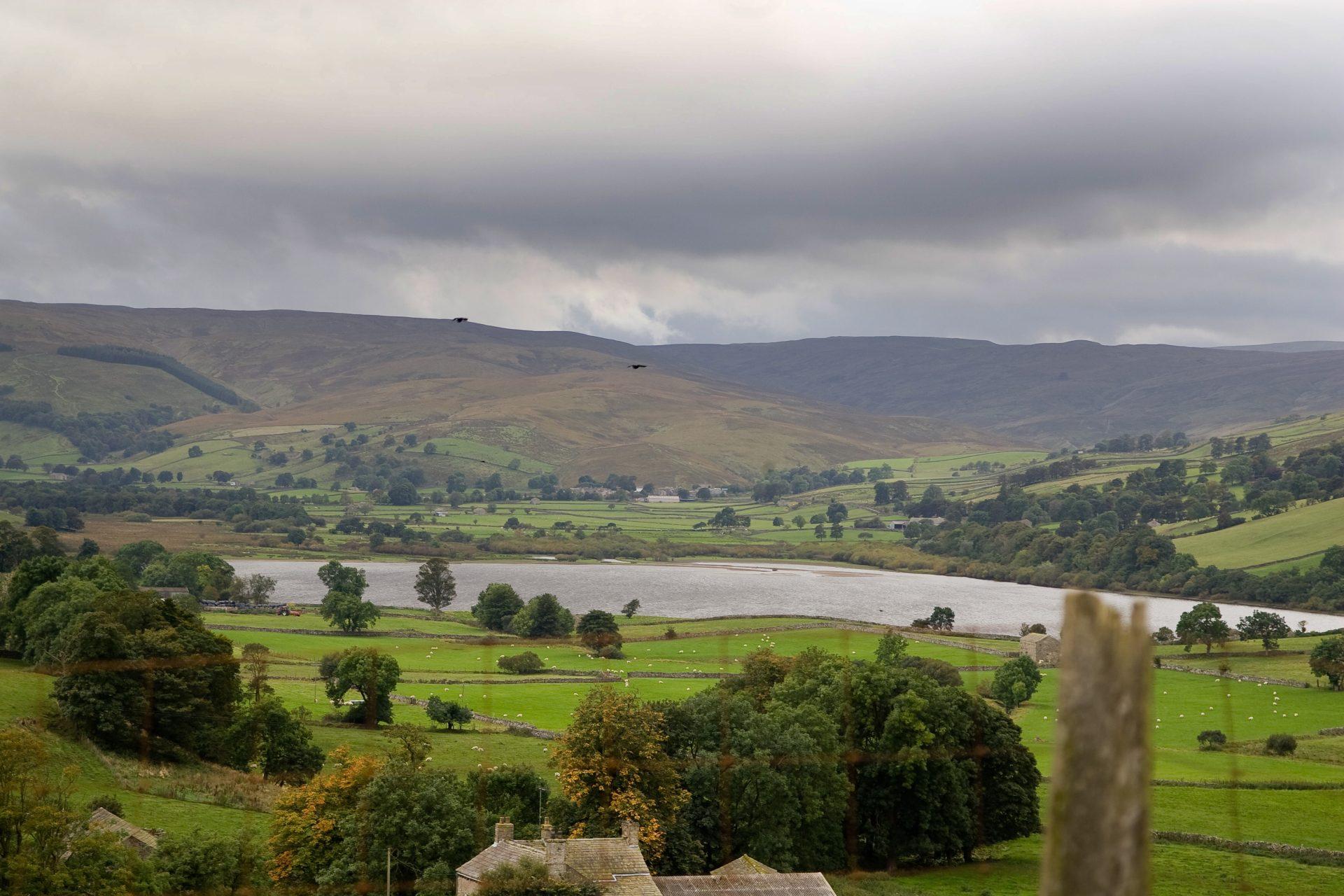
The Semerwater Project
Explore the findings of a major project investigating the health and future of Semerwater.
Read more about The Semerwater ProjectReports and findings
Reports and findings gathered during and/or as a result of the Semerwater Project, a year long project which ran during 2023-24.
-
YWT Breeding bird survey data, Semerwater 2011-2015
-
This document contains the results from a Wetland Bird Survey (WeBS) core count at Semer Water. We recorded these results in the Yorkshire Dales National Park on 21 December 2021. The count took place from 10:20am to 11:40am with clear conditions and no ice cover. You can see we found 11 species, including 365 mallards, 264 Canada geese, and 140 wigeon. The Yorkshire Dales National Park Authority (YDNPA) uses this information to track wildlife across the National Park. Other sightings included eight teal, six common gulls, and three greylag geese.
Please be aware that this summary has been generated using AI
-
This document contains the Wetland Bird Survey (WeBS) results for Semer Water in the Yorkshire Dales National Park. On 20 January 2022, the Yorkshire Dales National Park Authority (YDNPA) recorded birds between 9:30am and 11:05am. We identified 11 species during the visit, including 354 mallards and 269 Canada geese. Our staff also found 89 wigeon and 76 greylag geese on the ice-free water. These survey figures help us monitor wildlife populations within the National Park.
Please be aware that this summary has been generated using AI
-
This document contains details of a bird survey at Semer Water in the Yorkshire Dales National Park. On 25 February 2022, we monitored local species between 9:05am and 10:50am. The Yorkshire Dales National Park Authority (YDNPA) uses these counts to track the health of our environment. We identified 14 different species, including 159 wigeon, 51 black-headed gulls, and 48 oystercatchers. Our team also spotted 32 lapwings, 25 mallards, and one barn owl. Vegetation in the flooded grassland partially blocked the view, so the Authority recorded a low accuracy score. These surveys help us protect the vital habitats found within the National Park.
Please be aware that this summary has been generated using AI
-
This document contains bird count data collected for the Yorkshire Dales National Park Authority (YDNPA) at Semer Water. On 20 March 2022, a volunteer conducted a Wetland Bird Survey (WeBS) count in the Yorkshire Dales National Park. We found 72 Canada geese, 40 lapwings and 39 oystercatchers during this visit. The counter reported low accuracy because they could not see every part of the site. We use these records to help us monitor wildlife health across the National Park.
Please be aware that this summary has been generated using AI
-
This document contains results of a bird survey the Yorkshire Dales National Park Authority (YDNPA) conducted on 19 April 2022. We visited the Yorkshire Dales National Park to count species of wildfowl, waders, and gulls at Semer Water. Our count included 46 Canada geese and 20 lapwings, though poor visibility made our work harder that morning. These findings are used to help us track the health of local bird populations in the National Park. You can find more information about these species by visiting one of our National Park Visitor Centres.
Please be aware that this summary has been generated using AI
-
This document contains details of a Wetland Bird Survey (WeBS) core count done at Semer Water. We did this count in the Yorkshire Dales National Park on 17 May 2022 from 6:45am to 7:15am. The Yorkshire Dales National Park Authority (YDNPA) recorded 60 black-headed gulls and 37 Canada geese. Other bird species we spotted in the National Park include six lapwings and six mallards. While we noted low accuracy from incomplete coverage, we also found curlews and common sandpipers. You can see the full list of 10 species and their specific bird counts below.
Please be aware that this summary has been generated using AI
-
This document contains details from a Wetland Bird Survey (WeBS) core count at Semer Water. The Yorkshire Dales National Park Authority (YDNPA) monitors wildlife within the Yorkshire Dales National Park (the National Park). On 20 June 2022, a volunteer identified 12 different species between 11:20 and 12:00. The count included 319 Canada Geese, 56 Mallards, and 15 Lesser Black-backed Gulls. We also recorded seven Oystercatchers and five Lapwings during the visit. Although visibility was good, vegetation obscured some birds and caused a low accuracy score. These results help the Authority track the health of the environment for you.
Please be aware that this summary has been generated using AI
-
This document contains a Wetland Bird Survey (WeBS) core count from Semer Water in the Yorkshire Dales National Park. The Yorkshire Dales National Park Authority (YDNPA) recorded various species on 19 July 2022 during 07:20–08:30. We noted high levels of disturbance from paddle boarders during this visit to the National Park. We recorded 171 Canada geese and 188 mallards, although poor visibility meant these are minimum estimates. You can see that we also spotted 10 black-headed gulls and 25 lapwings. Dense vegetation obscured some birds, which resulted in a low accuracy score for the count.
Please be aware that this summary has been generated using AI
-
This document contains details of a Wetland Bird Survey (WeBS) count at Semer Water within the Yorkshire Dales National Park. On 15 August 2022, a volunteer recorded bird sightings between 9:05am and 9:30am. The Yorkshire Dales National Park Authority (YDNPA) uses this data to track wildlife health. We found seven species, although poor visibility meant the count accuracy was low. The survey included 229 mallards, nine lesser black-backed gulls, and four lapwings. We also spotted three common gulls, two common sandpipers, one grey heron, and one black-headed gull. This information helps us monitor bird populations across the National Park.
Please be aware that this summary has been generated using AI
-
This document contains details from a Wetland Bird Survey (WeBS) count at Semer Water in the Yorkshire Dales National Park. On 12 September 2022, we monitored bird activity from 9:55am to 11am. The Yorkshire Dales National Park Authority (YDNPA) noted high disturbance during this unusual session. A satellite-tagged white-tailed eagle, an osprey, and a peregrine were hunting at the site. These predators made it difficult for us to get an accurate count of the waterbirds. The Authority estimated figures for several species, including 300 mallards and 81 Canada geese. You can find records for three curlews and 60 teal in the full report. This data helps the YDNPA protect the diverse wildlife living across the National Park.
Please be aware that this summary has been generated using AI
-
This document contains details from a Wetland Bird Survey (WeBS) at Semer Water in the Yorkshire Dales National Park. On 10 October 2022, the Yorkshire Dales National Park Authority (YDNPA) recorded bird species between 1:40pm and 2pm. You should know that poor visibility and vegetation meant our accuracy was low. We recorded 84 Canada Geese, 39 Mallards, 10 Lapwings, and five Common Gulls. The Authority also spotted five Redshanks, one Cormorant, and one Teal. These figures represent the minimum number present during our visit to the National Park.
Please be aware that this summary has been generated using AI
-
This document contains the Yorkshire Dales National Park Authority (YDNPA) Wetland Bird Survey (WeBS) report for Semer Water. On 14 November 2022, we counted birds in the Yorkshire Dales National Park between 11:40am and 12:15pm. Although visibility was good, we achieved low accuracy because thick vegetation obscured many birds from our view. We recorded more than 300 mallards and 221 wigeons during our survey of the lake. We also spotted 142 teals, 109 lapwings, 104 Canada geese, and 71 greylag geese there. These figures represent the minimum number of birds currently using this part of the National Park.
Please be aware that this summary has been generated using AI
-
This document contains the Wetland Bird Survey (WeBS) data for Semer Water in the Yorkshire Dales National Park. On 16 December 2022, a volunteer completed a count from 13:30 to 13:50. The Yorkshire Dales National Park Authority (YDNPA) uses these records to track wildlife health. We found that ice covered 90% of the water surface during the survey. Despite the freezing conditions, 182 mallards and 94 teal were recorded. We also spotted two Canada geese and one lesser black-backed gull. These figures help the National Park Authority care for the National Park. You can learn more about our local bird populations by reviewing these reports.
Please be aware that this summary has been generated using AI
-
This document contains details of a Wetland Bird Survey (WeBS) count at Semer Water on 23 January 2023. The Yorkshire Dales National Park Authority (YDNPA) tracks these figures to help protect wildlife in the Yorkshire Dales National Park. Between 10:30am and 11am, we recorded six bird species despite 80% ice cover. We counted 355 Mallard, 300 Wigeon, and 200 Teal as the main sightings. Other records include 12 Common Gulls, five Canada Geese, and five Cormorants. While difficult conditions meant coverage was incomplete, we still identified more than 870 birds in the National Park.
Please be aware that this summary has been generated using AI
-
This document contains the method the Yorkshire Dales National Park Authority (YDNPA) uses to count geese. We monitor birds at Semer Water and Raydale in the Yorkshire Dales National Park to track breeding and moulting. You should choose clear vantage points and carry out monthly counts when visibility is good. From September to March, please start 45 minutes before sunrise to watch for roosting birds. Between April and August, we recommend that you finish all your counts before noon. We also make an extra visit in late June to count young birds and record breeding success. You can find more data through the Wetland Bird Survey (WeBS), BirdTrack, and the Yorkshire Wildlife Trust.
Please be aware that this summary has been generated using AI
-
River Macrophyte Data- The Semerwater Project (Environment Agency, 2023)
-
Lake Macrophyte survey data- The Semerwater Project (Environment Agency, 2023)
-
This document contains a summary of an 'acoustic habitat mapping' survey of Semer Water. Experts conducted this study on 21 September 2023 within the Yorkshire Dales National Park. The Yorkshire Dales National Park Authority (YDNPA) uses this data to help manage local fisheries and habitats. We found the lake reaches a maximum depth of 12.7m (42 feet). Submerged plants are scarce and larger fish usually stay in deeper water. These results allow the Authority to make better decisions for the National Park.
Please be aware that this summary has been generated using AI
-
Bathymetric Survey image 2024, Atlantic Geomatics
-
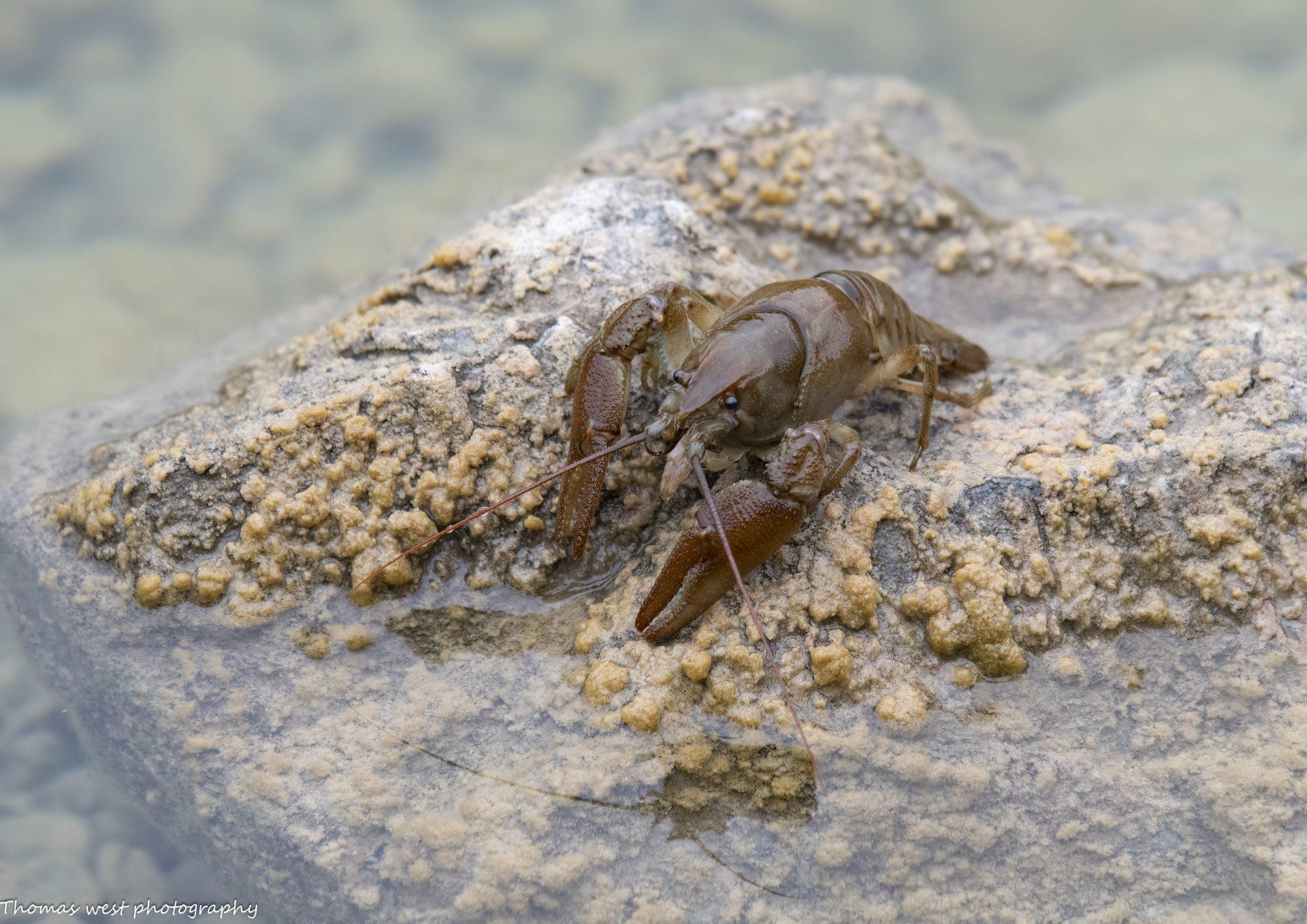
This document contains a technical report about environmental DNA (eDNA) analysis of water from Semerwater. The Yorkshire Dales National Park Authority (YDNPA) used these tests to check for specific aquatic species. We found positive results for white-clawed crayfish in two samples collected on 25 July 2024. The analysis confirmed that signal crayfish and crayfish plague were absent from those samples. These results help us monitor and protect native species within the Yorkshire Dales National Park. SureScreen Scientifics carried out this work by looking for DNA traces in the water.
Please be aware that this summary has been generated using AI
-
This document contains a summary of research into soil erosion and silt yields across 15 UK catchments. The Yorkshire Dales National Park Authority (YDNPA) notes that channel bank erosion is often the primary source of river pollution. This information is vital for protecting the Yorkshire Dales National Park and its watercourses. Previously, many people believed that topsoil from arable fields was the main cause of silt problems. However, the Authority recognises that most eroded field soil actually stays on the land. The researchers used a colour-based tracing method to study soil in the National Park and beyond. They found that bank erosion was the dominant source in 10 of the areas they investigated. We must make sure that management work targets the correct sources to help improve water quality. We suggest more research into how extreme weather affects these processes.
Please be aware that this summary has been generated using AI
-
This document contains presentation slides from a seminar about the Semer Water Project on 10 February 2025. We produced these for the Yorkshire Dales National Park Authority (YDNPA) to share project results with you. The slides explore the history, geology, and local legends of the Yorkshire Dales National Park. You can view maps showing landscape changes since 1937 and photos of staff field surveys. The National Park Authority uses this data to help protect our unique natural heritage. It also compares the area to local sites like Hull Pot and Newhouses Tarn in Ribblesdale.
Please be aware that this summary has been generated using AI
-
This document contains results from a topographic and bathymetric survey of Semerwater in the Yorkshire Dales National Park. The Yorkshire Dales National Park Authority (YDNPA) commissioned this study to map the lake bed and surrounding land. We compared maps from 1910 and 1950 to see how the landscape has changed. The survey features 3D models and cross-sections that help us track sediment in the incoming delta area. These findings help the National Park Authority make better decisions for this special part of the National Park.
Please be aware that this summary has been generated using AI
-
PDF version (527 KB) of End of project stakeholder dissemination seminar 2025: Semerwater Aquatic Invertebrates survey 2024 (Natural England, 2024) (opens in new tab) HTML version of End of project stakeholder dissemination seminar 2025: Semerwater Aquatic Invertebrates survey 2024 (Natural England, 2024)This document contains a summary of the 2024 aquatic invertebrates survey at Semerwater in the Yorkshire Dales National Park. The Yorkshire Dales National Park Authority (YDNPA) reviewed these results to track the health of the lake. We compared data from 9 May and 19 July 2024 to a similar study from 1979. The latest survey found 95 aquatic species, which is more than the 67 species found 45 years ago. These results include 14 mayfly species and 10 stonefly species, which indicates good water quality. We are also happy that environmental DNA (eDNA) tests confirmed native white-clawed crayfish still live in the National Park. Results showed no sign of invasive signal crayfish or the deadly crayfish plague. While the pH level has changed, the lake continues to support a diverse range of wildlife.
Please be aware that this summary has been generated using AI
-
This document contains a summary of aquatic plant surveys at Semer Water, located within the Yorkshire Dales National Park. The Yorkshire Dales National Park Authority (YDNPA) notes that the lake is currently in an 'unfavourable condition'. The water is too cloudy, which prevents light from reaching submerged plants and has caused species to disappear. Yellow water lilies were common in 2016 but are now missing from this part of the National Park. Although we found no invasive species, the National Park Authority must improve catchment management to help water quality. We aim to protect these rare plant communities to make sure the lake remains a valuable resource for you.
Please be aware that this summary has been generated using AI
-
PDF version (1.2 MB) of End of project stakeholder dissemination seminar 2025: Semerwater SSSI Whole Feature Condition Assessment 2023 (Natural England, 2025) (opens in new tab) HTML version of End of project stakeholder dissemination seminar 2025: Semerwater SSSI Whole Feature Condition Assessment 2023 (Natural England, 2025)This document contains a 2023 assessment of the Semerwater Site of Special Scientific Interest (SSSI) in the Yorkshire Dales National Park. The Yorkshire Dales National Park Authority (YDNPA) reviewed seven features across 17 units to check habitat health. While wet woodland is favourable, the lake and grasslands are in an unfavourable state. Since 1986, the fen and marsh area grew to 23 hectares (57 acres), but the quality remains poor. We found issues like water-logging, poor water clarity, and a lack of proper grazing. The Authority will now focus on hydrology and better site-wide management plans. We aim to use Environmental Land Management (ELM) schemes to help restore these important areas.
Please be aware that this summary has been generated using AI
-
PDF version (2.4 MB) of End of project stakeholder dissemination seminar 2025: Fish & Crayfish findings, The Semerwater Project 2023-24 (PBA Ecology, 2025) (opens in new tab) HTML version of End of project stakeholder dissemination seminar 2025: Fish & Crayfish findings, The Semerwater Project 2023-24 (PBA Ecology, 2025)This document contains a summary of the fish and crayfish research for the Semer Water Project 2023-25. We presented these findings at a seminar on 10 February 2025 to update you on our work. The Yorkshire Dales National Park Authority (YDNPA) is monitoring the spread of 'crayfish plague' through Wensleydale. We used environmental DNA (eDNA) to identify 12 fish species in Semer Water within the Yorkshire Dales National Park. Findings suggest that people may have introduced species such as tench and rainbow trout to the water. The Authority also measured fish sizes to help us understand and protect the National Park.
Please be aware that this summary has been generated using AI
-
This document contains a summary of waterbird counts we conducted at Semer Water in the Yorkshire Dales National Park. The Yorkshire Dales National Park Authority (YDNPA) monitored bird populations between November 2023 and December 2024. We wanted to see how geese and other species affect nutrient levels in the lake. High nutrient and sediment levels have left this Site of Special Scientific Interest (SSSI) in an unfavourable condition. Our findings show that Canada and Greylag geese numbers vary significantly across the different seasons. We found more than 500 geese on the water during their flightless moulting period in the summer. The National Park Authority will use these results in predictive models to help improve water quality for you to enjoy.
Please be aware that this summary has been generated using AI
-
PDF version (2.8 MB) of End of project stakeholder dissemination seminar 2025: Interpreting historic lake water phosphorus changes and catchment sources at Semer Water (University of Liverpool, 2025) (opens in new tab) HTML version of End of project stakeholder dissemination seminar 2025: Interpreting historic lake water phosphorus changes and catchment sources at Semer Water (University of Liverpool, 2025)This document contains research from the University of Liverpool about historical phosphorus levels in Semer Water. The Yorkshire Dales National Park Authority (YDNPA) is working to understand water quality changes in the Yorkshire Dales National Park. Researchers used lake sediment cores to track phosphorus trends from the 1850s to the present day. The study shows that land cover and use contribute 63% of the phosphorus load. This includes a 35% contribution from bogs and a 22% load from human and agricultural sources. By looking at these trends, the National Park Authority can better protect the National Park. These findings help us manage the local environment for you and future generations.
Please be aware that this summary has been generated using AI
-
This document contains a research report for the Yorkshire Dales National Park Authority (YDNPA) about Semer Water. We studied the water quality and aquatic plants within this area of the Yorkshire Dales National Park. Our survey shows that plants are limited to shallow depths and some species have declined since 2016. The National Park Authority found that degraded blanket peat is the main source of phosphorus in the water. Cattle and sheep also contribute to the total input of about 2,550 kg/yr. We recommend moving the water sampling point to the outflow to get more accurate data. We must also try to restore peatlands to reduce nutrient loads and help the National Park recover.
Please be aware that this summary has been generated using AI
The Wensleydale Project- Keeping Ure Rivers Cool
-
This document contains a literature review and action plan for the Semerwater Site of Special Scientific Interest (SSSI). We, the Yorkshire Dales National Park Authority (YDNPA), want to restore this lake in the Yorkshire Dales National Park. Its condition has deteriorated over 50 years due to high sediment and phosphorus levels. You will see that internal nutrient cycles currently prevent the lake from reaching 'Good Ecological Status'. Our plan outlines short-term actions to track pollution across the Raydale catchment. The National Park Authority recommends we establish a collaborative vision for the site. We will conduct extra surveys to set restoration targets for the National Park. By working together, we can try to improve this area over 30 years.
Please be aware that this summary has been generated using AI
-
This document contains a strategic plan to improve water quality at Semerwater in the Yorkshire Dales National Park. The Yorkshire Dales National Park Authority (YDNPA) aims to restore this rare marl lake to a healthy condition. High levels of phosphorus and sediment from local farms and eroding peat harm biodiversity in the National Park. We will focus on actions like riparian fencing, tree planting, and restoring the peatland at Fleet Moss. Working with farmers through partnerships helps us stop pollutants from entering watercourses in the Raydale catchment. These efforts, including better slurry management, help make sure the lake meets Government targets by 2043.
Please be aware that this summary has been generated using AI
-
This document contains a strategic plan from the Yorkshire Dales National Park Authority (YDNPA) to improve water quality. We found high levels of phosphorus and sediment in Semer Water within the Yorkshire Dales National Park. The Authority aims to restore the health of the catchment to a 'good' status by 2030. Our plan focuses on working with you to better manage land and reduce harmful diffuse pollution. We will help you install fences, plant trees, and use sediment traps in high-priority zones. These targeted actions will make sure that species like white-clawed crayfish can thrive in the National Park. This work is vital to protect the local environment and the economy for everyone who visits us.
Please be aware that this summary has been generated using AI
-
This document contains a strategic plan to improve water quality at Semerwater in the Yorkshire Dales National Park. We explain how phosphorus and sediment from farms and forestry currently harm this special lake. To help, the Yorkshire Dales National Park Authority (YDNPA) has prioritised 10 key actions to restore the habitat by 2030. These include changing how you use fertilisers and creating new wetlands or woodlands in Raydale. We will help you access funding from Defra and other partners to implement these important changes. Our multi-stage timeline makes sure the Authority meets water targets while supporting the local economy and biodiversity.
Please be aware that this summary has been generated using AI
Other resources
-
Map of Semerwater Lake in the 1850s
-
This document contains ecological survey data and correspondence about Semer Water in the Yorkshire Dales National Park. We recorded various species of birds, fish, and aquatic plants during visits in May and July 1979. A letter from 9 January 1979 discusses whether water skiing has harmed wildlife at the site. We felt a report by the Freshwater Biological Association (FBA) lacked enough detail to help us. The Yorkshire Dales National Park Authority (YDNPA) manages these habitats to protect the natural beauty of the National Park.
Please be aware that this summary has been generated using AI
-
This document contains a 1979 survey report about the wildlife and plants at Semer Water. The Yorkshire Dales National Park Authority (YDNPA) uses this data to help manage the unique lake environment. Researchers found that the Yorkshire Dales National Park has an incredibly rich variety of species here. In fact, this site hosted the only known Yorkshire populations of several rare species. We are also looking at how extra visitors might affect the water in the National Park. By studying these records, the Authority can better protect the delicate balance of life for you.
Please be aware that this summary has been generated using AI
-
This document contains a 2012 baseline survey of water quality at Semer Water in the Yorkshire Dales National Park. We studied diatoms and macroinvertebrates at 26 sites to find where pollution enters the lake. The Yorkshire Dales National Park Authority (YDNPA) uses this data to help farmers and protect the environment. Most sites in the National Park are healthy, but some streams show signs of enrichment or extra silt. The Authority suggests using extra fences to stop cattle from damaging banks at specific locations. We also plan to start regular water tests to make sure quality reaches target levels by 2027.
Please be aware that this summary has been generated using AI
-
PDF version (7.9 MB) of Journal “Can agri-environment initiatives control sediment loss in the context of extreme winter rainfall?” (Pulley & Collins, 2021). (opens in new tab) HTML version of Journal “Can agri-environment initiatives control sediment loss in the context of extreme winter rainfall?” (Pulley & Collins, 2021).This document contains a report on how agri-environment schemes manage sediment loss in the Yorkshire Dales National Park. We studied eight catchments, including Semer Water, to see how extreme rainfall affects soil erosion and water quality. The Yorkshire Dales National Park Authority (YDNPA) wants to make sure that on-farm advice remains effective during storms. Our research shows that sediment sources vary between sites and are difficult to predict through visual checks alone. We found that riparian woodlands help to stop soil from entering our watercourses even during severe flooding. We recommend using evidence for each catchment to help you target your land management more effectively. This approach helps the National Park Authority protect our environment as climate change brings more frequent, heavy rainfall.
Please be aware that this summary has been generated using AI
-
PDF version (8.9 MB) of Journal: “A rapid and inexpensive colour-based sediment tracing method incorporating hydrogen peroxide sample treatment as an alternative to quantitative source fingerprinting for catchment management” (Pulley & Collins, 2022). (opens in new tab) HTML version of Journal: “A rapid and inexpensive colour-based sediment tracing method incorporating hydrogen peroxide sample treatment as an alternative to quantitative source fingerprinting for catchment management” (Pulley & Collins, 2022).This document contains research into a fast and affordable way to trace where river sediment begins. The Yorkshire Dales National Park Authority (YDNPA) can use office scanners to measure colour as an alternative to expensive tests. Treating samples with hydrogen peroxide helps us identify specific soil types more accurately. The study examined two areas, including Holbeck and Wath Beck near the Yorkshire Dales National Park. Findings show that sediment often comes from specific valley areas rather than all high-risk fields. This is because some fields lack direct paths to reach the water. We can use this data to help you target grants and advice. This inexpensive method provides reliable information to help us manage the National Park effectively.
Please be aware that this summary has been generated using AI
Get in touch
Please email the YDNPA Farm Conservation Team with any questions or content.