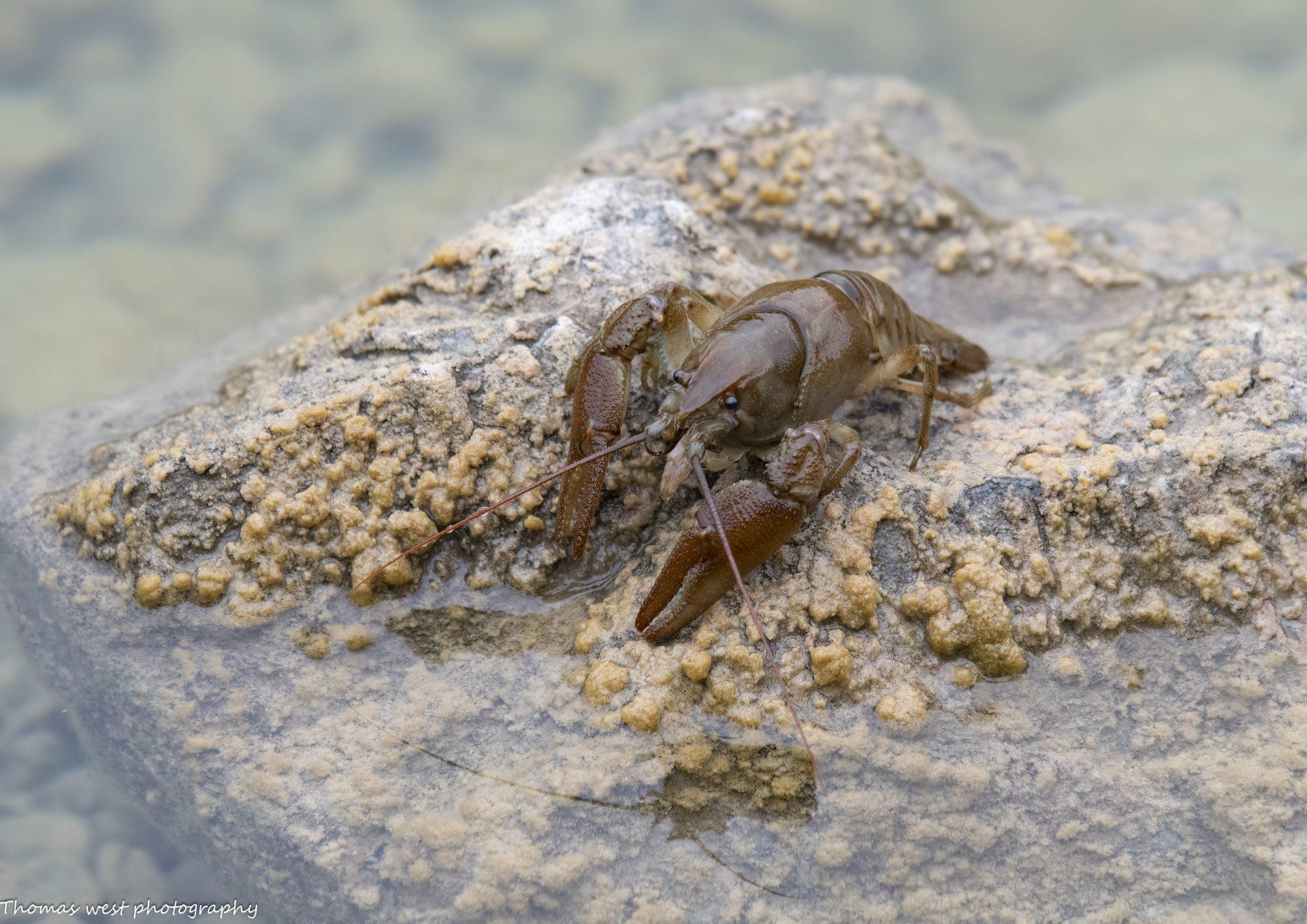
Latin name: Austropotamobius pallipes
The white-clawed crayfish is the only native crayfish species in the UK and a Category 1 Priority Species in the Yorkshire Dales National Park.
This page explores the species’ ecology, distribution, threats and conservation, highlighting why the Yorkshire Dales remains a nationally important stronghold for this freshwater species.
Habitat and ecology
White-clawed crayfish are closely associated with clean, mineral-rich freshwater habitats. In the Yorkshire Dales, they are typically found in:
- Limestone-influenced streams and rivers
- Calcium-rich, alkaline waters
- Shallow streams and slower-flowing river sections
As a nocturnal species, they are rarely seen during the day, but survey work shows that important populations still survive in Dales watercourses.
Distribution in the Yorkshire Dales
Although once widespread across the UK, white-clawed crayfish are now largely restricted to central and northern England. The Yorkshire Dales is a key refuge:
- Supporting remaining strong populations
- Providing suitable limestone river habitats
- Offering some protection from invasive species spread
Explore known crayfish distribution sites
Main threats
The white-clawed crayfish faces significant threats across the UK.
Invasive species
The biggest threat is the non-native American signal crayfish (Pacifastacus leniusculus), which:
- Grows larger and is more aggressive
- Outcompetes native crayfish for food and habitat
- Reproduces more quickly and in greater numbers
Crayfish plague
Signal crayfish carry a fungal infection known as crayfish plague (Aphanomyces astaci), which is lethal to native crayfish, and easily spread through water or contaminated equipment. Outbreaks can lead to rapid population collapse and local extinction.
Crayfish plague in the Yorkshire Dales
The Yorkshire Dales has experienced several outbreaks, including a major outbreak on the River Ribble in 2000 and a more recent outbreak on the River Ure (between 2020 and 2025).
These events have severely affected main river populations and highlighted the importance of tributaries as refuges, especially where natural barriers limit spread. Encouragingly, strong river flows in some Dales rivers may slow the upstream spread of invasive crayfish.
Conservation and monitoring
The Yorkshire Dales remains a vital area for conservation. Current work focuses on:
- Monitoring population size and health
- Tracking the spread of invasive crayfish
- Identifying refuge populations in tributaries
- Supporting long-term restoration efforts
In some cases, crayfish have been rescued and held in controlled environments and protected for future reintroduction following disease outbreaks.
How you can help
Everyone can play a role in protecting white-clawed crayfish.
Avoid spreading disease
If you visit rivers or streams, avoid entering water where possible and follow the Check, Clean, Dry protocol.
Learn how to Check, Clean, Dry
Do not trap crayfish
It is illegal to trap signal crayfish without a licence. Trapping can unintentionally spread disease and increase invasive crayfish populations.
This is because removing larger individuals can allow younger crayfish to survive and reproduce more rapidly.
For land managers
If you manage land alongside rivers or streams:
- Protect water quality and riverbanks
- Avoid activities that could spread contamination
- Seek guidance on habitat management
Download the crayfish management guidance
-
This document contains guidance from the Yorkshire Dales National Park Authority (YDNPA) on protecting native white-clawed crayfish. These endangered animals have declined since the 1970s, but the Yorkshire Dales National Park remains a vital stronghold. It is illegal to harm this protected species or release invasive crayfish into our watercourses. You can help us by following 'Check, Clean, Dry' biosecurity steps to stop the spread of deadly plague. We also suggest that you improve habitats by planting native trees and creating riparian buffer strips. Managing your land in these ways will improve water quality and help local wildlife thrive in the National Park. These simple actions make sure that our river ecosystems stay healthy for the future.
Please be aware that this summary has been generated using AI
Legal protection
White-clawed crayfish are protected under the Wildlife and Countryside Act 1981, recognising their national importance and vulnerability.
Read the official guidance on crayfish protection
Why white-clawed crayfish matter
This species is an important indicator of healthy freshwater ecosystems in the Yorkshire Dales. Their presence reflects:
- Clean, unpolluted rivers
- Balanced aquatic ecosystems
- Successful conservation and biosecurity measures
Protecting white-clawed crayfish helps safeguard the wider river landscapes and biodiversity of the National Park.
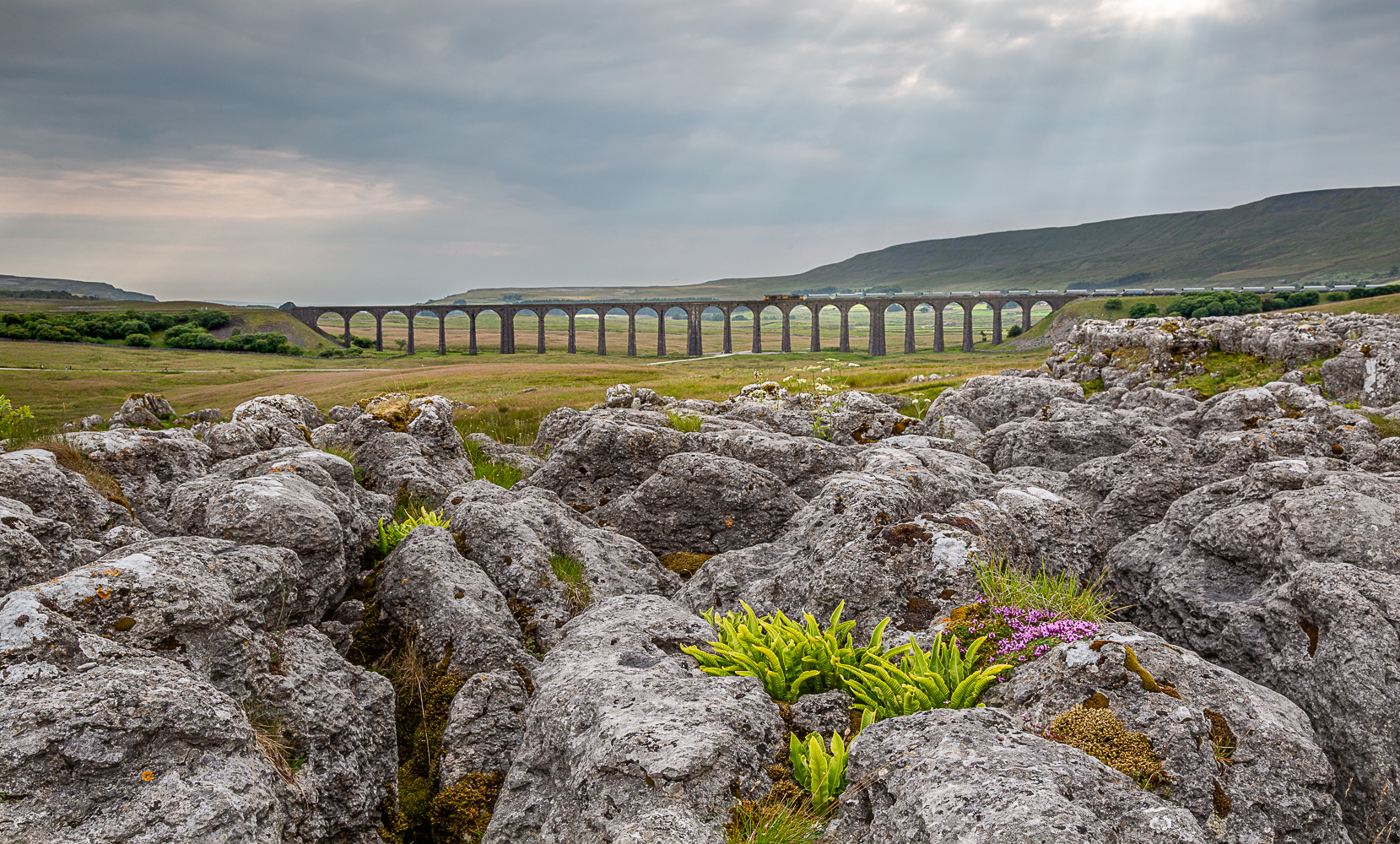
Nature Recovery Plan
Find out how partners are working together to create a richer, more connected landscape for nature and wildlife.
Read more about Nature Recovery Plan