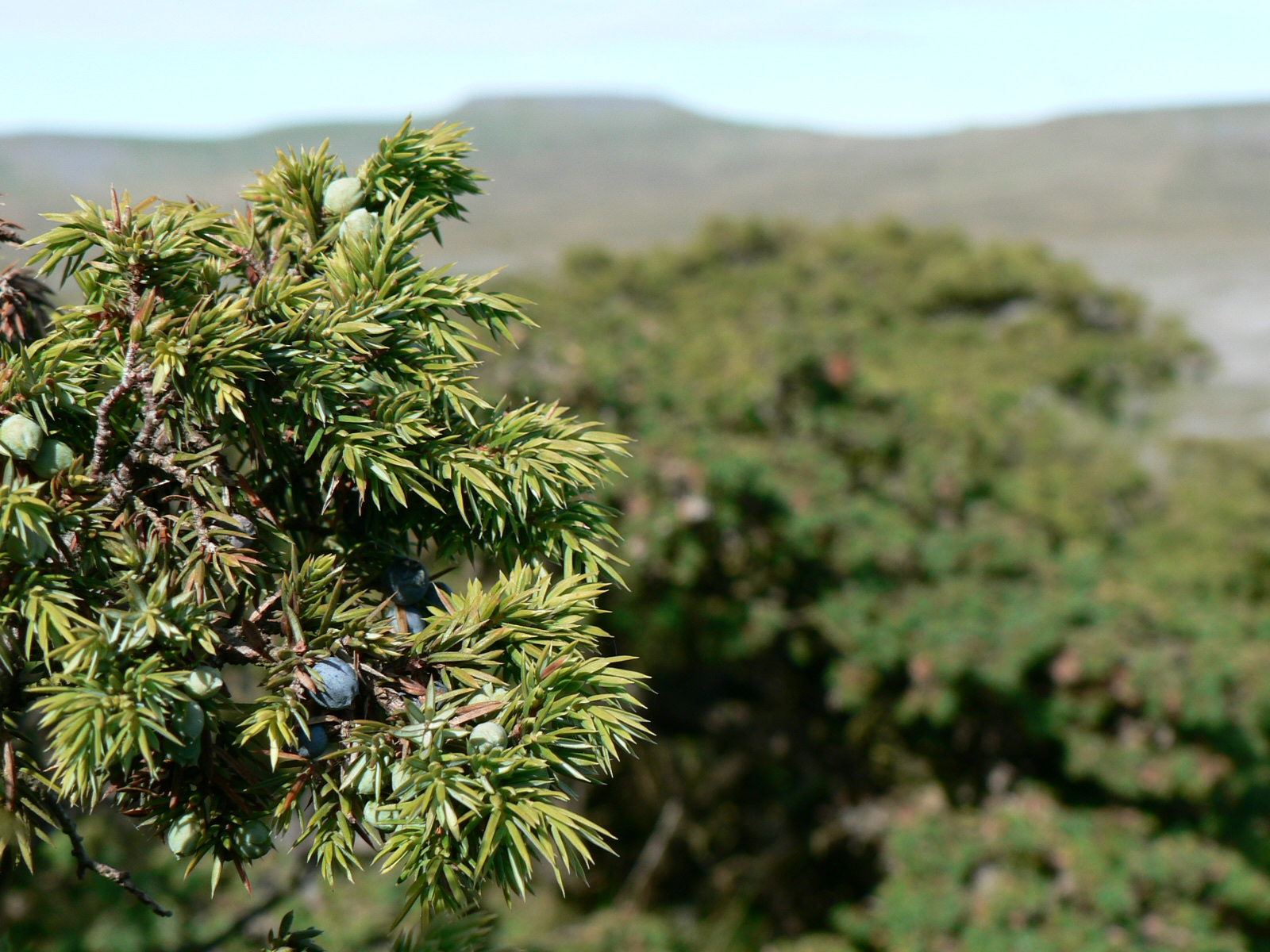
Latin name: Juniperus communis
Common juniper (Juniperus communis) is a native evergreen shrub and one of the most characteristic plants of the Yorkshire Dales National Park.
Many people recognise juniper for its use in flavouring gin, but it also plays an important ecological role. Found across upland heathland, moorland, limestone grassland and open woodland, juniper supports a wide range of wildlife and contributes to the distinctive landscape of the Dales.
Where juniper grows
Juniper has historically been widespread across the upland fringes of northern England. In the Yorkshire Dales National Park, it can be found in:
- Heathland and moorland
- Species-rich grassland
- Limestone pavements and upland slopes
- Open woodland areas alongside species such as birch, rowan, alder, hawthorn and hazel
It grows in a variety of forms, including:
- Low, spreading shrubs
- Upright bushes
- Small, column-shaped trees
This variability reflects local conditions such as soil type, exposure and management.
Why juniper matters for wildlife
Juniper is an important species for biodiversity in the Yorkshire Dales:
- Provides shelter and nesting sites for birds
- Offers food for insects and other wildlife
- Supports specialist fungi and lichens, some of which depend on mature juniper stands
Because juniper is slow-growing and long-lived, established populations are particularly valuable for maintaining ecological continuity in upland landscapes.
Decline and threats
Despite its importance, juniper has declined significantly across the UK. Key threats include:
- Disease caused by Phytophthora austrocedri, leading to dieback and mortality
- Overgrazing by livestock and deer, preventing regeneration
- Inappropriate burning regimes
- Loss and fragmentation of suitable habitat
Natural regeneration is often limited, meaning recovery can be slow once populations are damaged.
Conservation status
Juniper is recognised as an important conservation species and is listed as a Species of Principal Importance under Section 41 (S41) of the Natural Environment and Rural Communities (NERC) Act 2006. It is also classified as Least Concern on the Vascular Plant Red Data List for Great Britain (2025), but still declining in parts of its range.
Within the Yorkshire Dales National Park, juniper is designated as a Category 1 Priority Species in the Yorkshire Dales Nature Recovery Plan.
This reflects its local vulnerability and the need for targeted conservation work.
Monitoring and management
Work is underway across the Yorkshire Dales to protect and restore juniper populations. This includes:
- Monitoring population health and distribution
- Assessing regeneration success
- Managing grazing levels
- Protecting and improving habitat
- Exploring restoration and planting opportunities
These actions aim to ensure the long-term survival of juniper within the National Park.
Why juniper matters in the Yorkshire Dales
Juniper is a key indicator of healthy upland habitats, particularly in limestone and moorland landscapes. Its presence reflects well-managed grazing systems, stable and diverse plant communities, and a functioning upland ecosystem.
Protecting juniper helps support wider nature recovery goals across the Yorkshire Dales National Park.
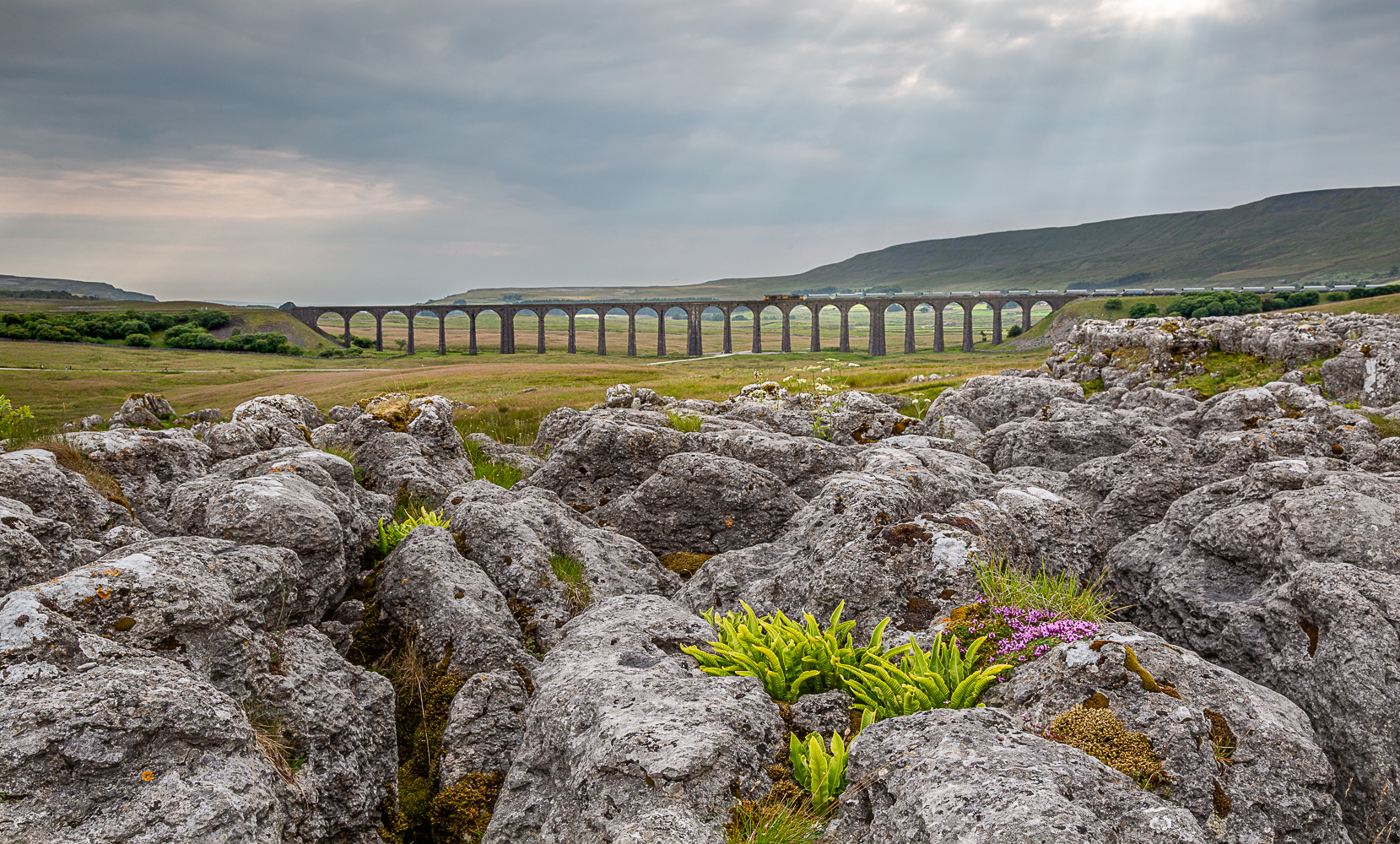
Nature Recovery Plan
Find out how partners are working together to create a richer, more connected landscape for nature and wildlife.
Read more about Nature Recovery Plan