The Yorkshire Dales National Park supports a rich diversity of moth species, with many found across habitats such as limestone grassland, woodland, moorland and valleys.
Some of these moths are of local and national conservation importance, often occurring in remote or specialised habitats. Monitoring these species can be challenging, but thanks to the work of skilled volunteers, we are able to study and protect rare moth species across the Dales.
Barred tooth-striped (Trichopteryx polycommata)
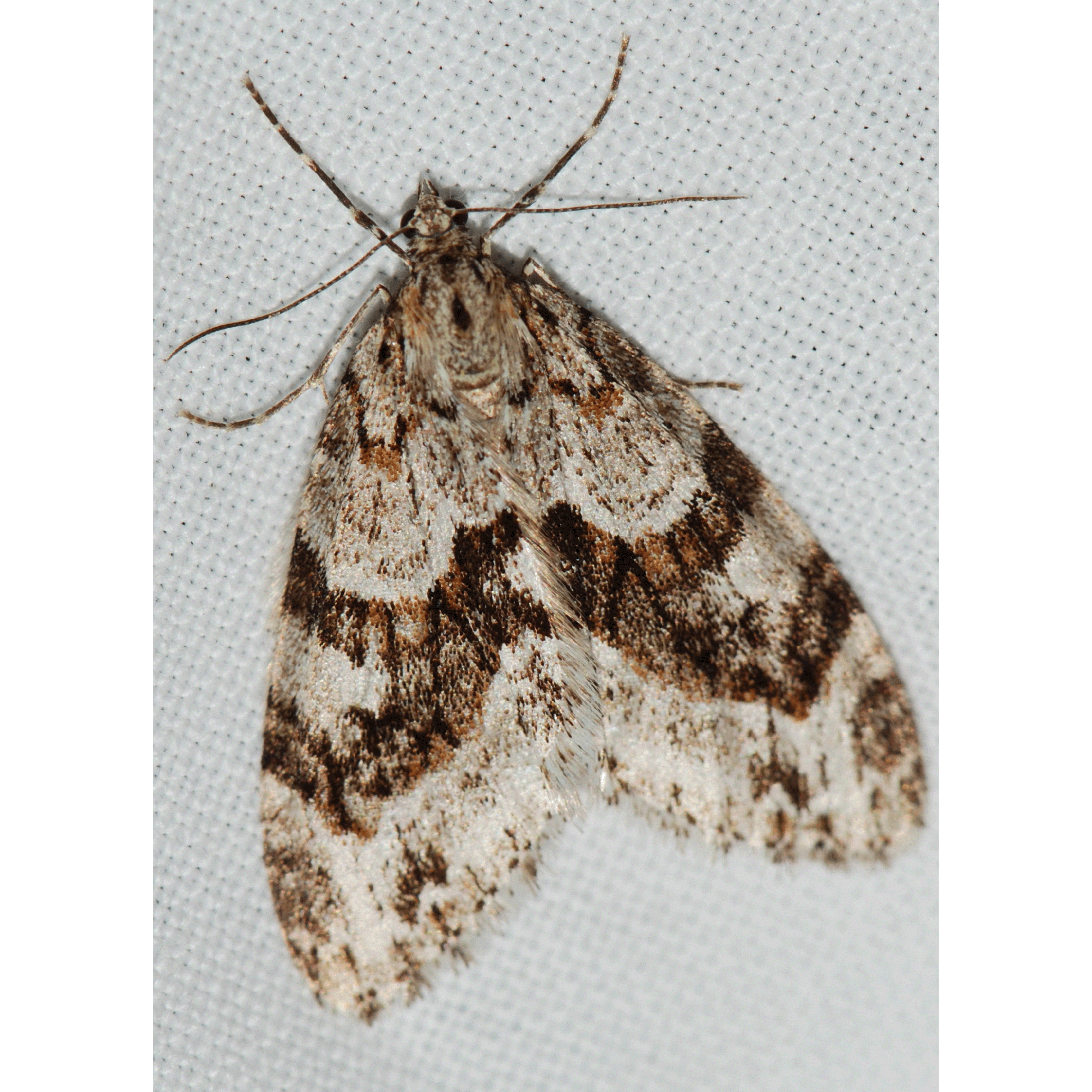
Barred Tooth striped Moth. Credit: Whitfield Benson.
The barred tooth-striped is a scarce moth associated with limestone habitats, scrub and open woodland.
Where it’s found
The barred-tooth-striped moth is found in areas where wild privet grows. All known Yorkshire sites are within the Yorkshire Dales National Park.
Lifecycle and behaviour
- Adult moths are nocturnal, flying between mid-March and late April
- Eggs are laid in April
- Pupae overwinter in the soil
Wild privet is the main larval foodplant, although ash may also be used. Further survey work may identify additional populations.
Forester
Latin name: Adscita statices
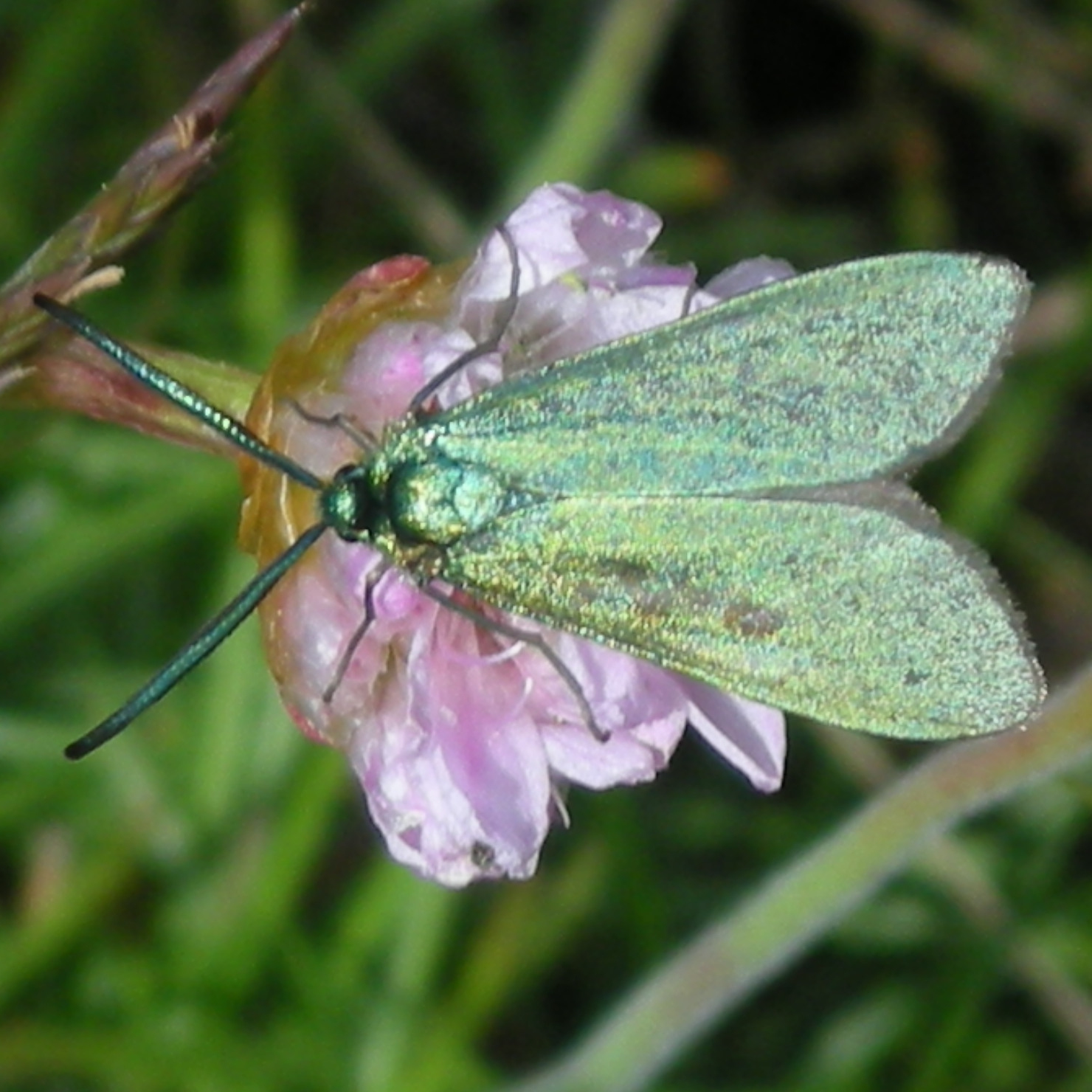
Forester moth. Credit: Paul Wilkinson.
The forester moth is a scarce and local day-flying moth in the Yorkshire Dales.
Where it’s found
Currently known to be in just one location in the Yorkshire Dales National Park.
Habitat and lifecycle
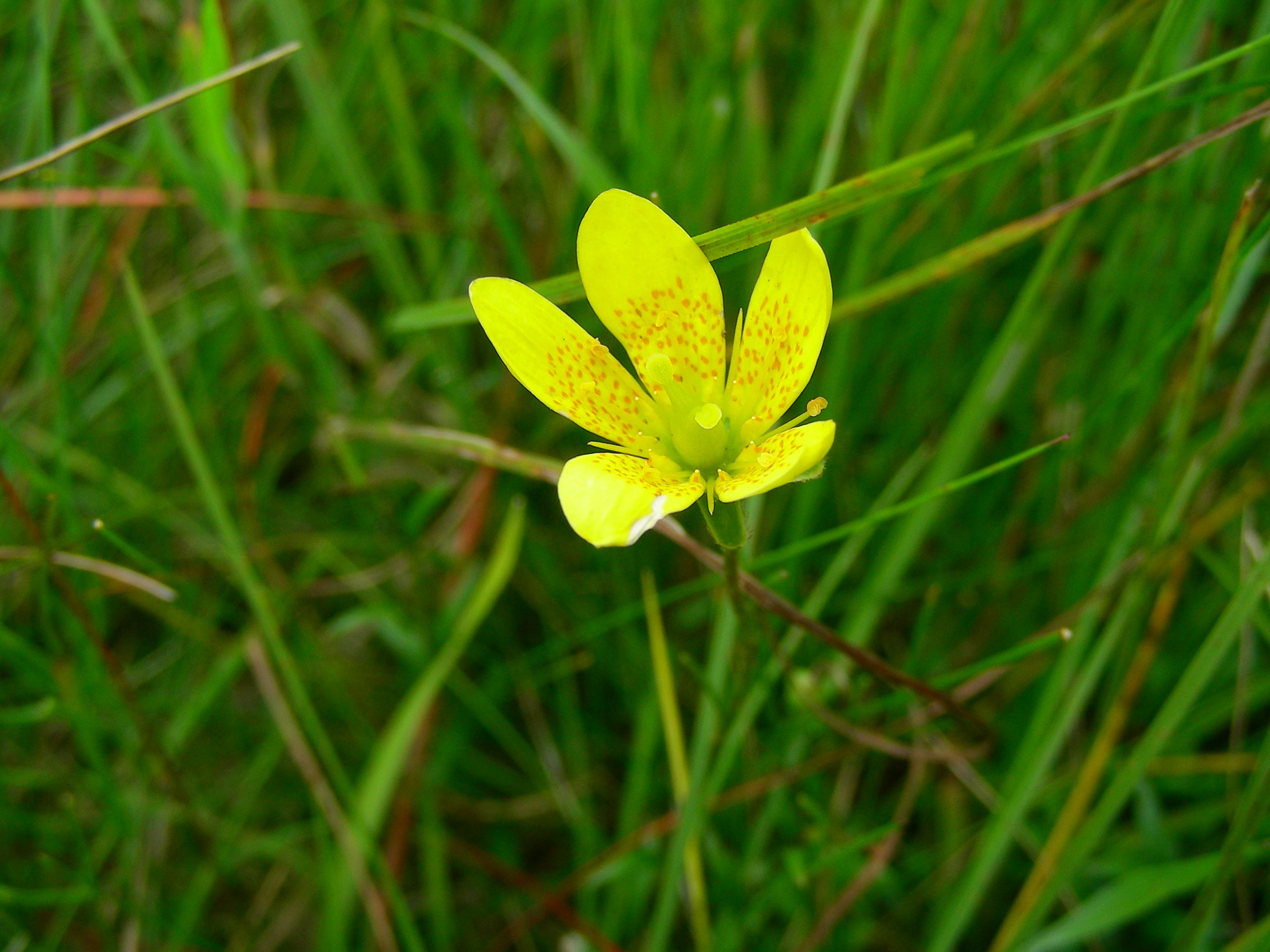
The forester moth is active between May and July. Larvae feed on common sorrel and sheep’s sorrel.
Identification challenges
The forster moth can be easily confused with Cistus forester (Adscita geryon). Identification can be difficult where both species occur nearby. Alternative survey methods, such as identifying larval feeding damage, are being explored.
Yellow-ringed carpet
Latin name: Entephria flavicinctata
The yellow-ringed carpet is a specialist of rocky limestone habitats.
Habitat
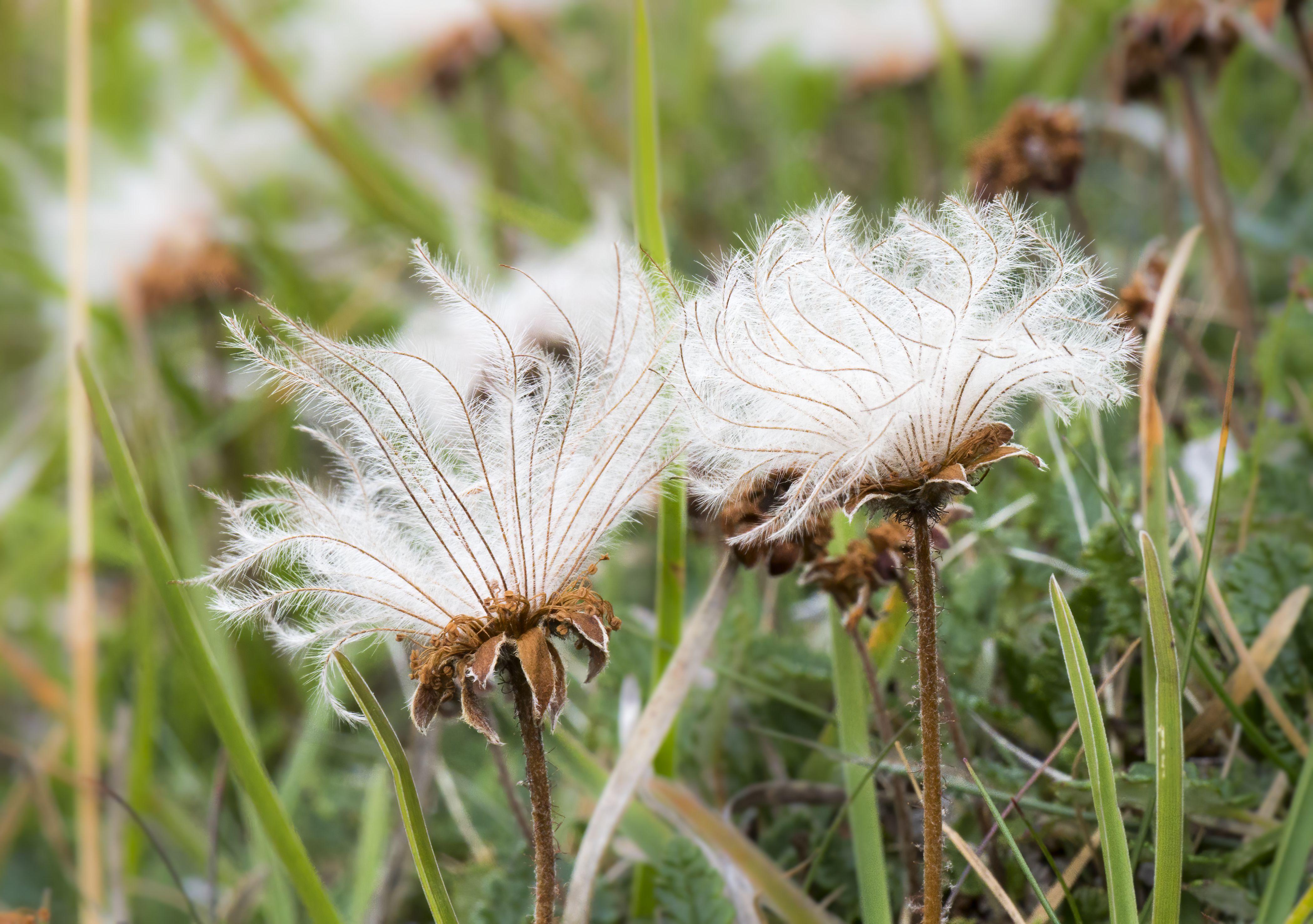
Associated with lichen-covered rocks. Larval foodplants include saxifrages and stonecrops.
Behaviour
The yellow-ringed carpet moth is well camouflaged during the day, making it difficult to detect, making light trapping at night the most effective survey method.
Distribution
The main UK population of yellow-ringed carpet is in Scotland, with only two known sites in the Yorkshire Dales.
Heath rivulet
Latin name: Perizoma minorata
The heath rivulet is a rare moth of upland moorland and limestone habitats.
Where it’s found
Restricted to a small number of sites in northern England with very limited distribution in the Yorkshire Dales National Park.
Lifecycle
Adults fly in July and August and are active during the day in sunny weather.
Ecology
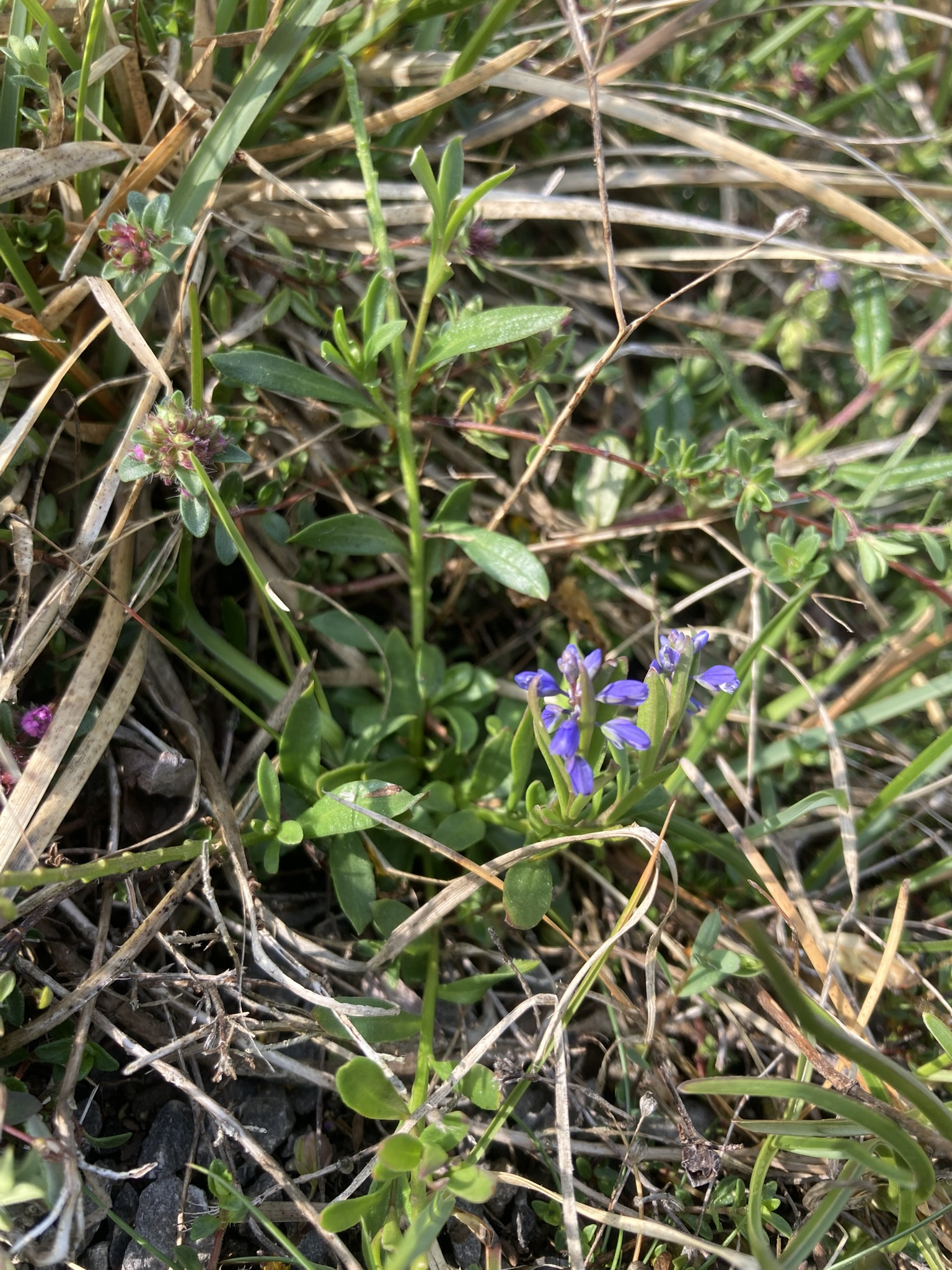
Caterpillars feed on eyebrights, a complex group of plants. More research is needed to understand specific plant preferences.
Chestnut-coloured carpet
Latin name: Thera cognata
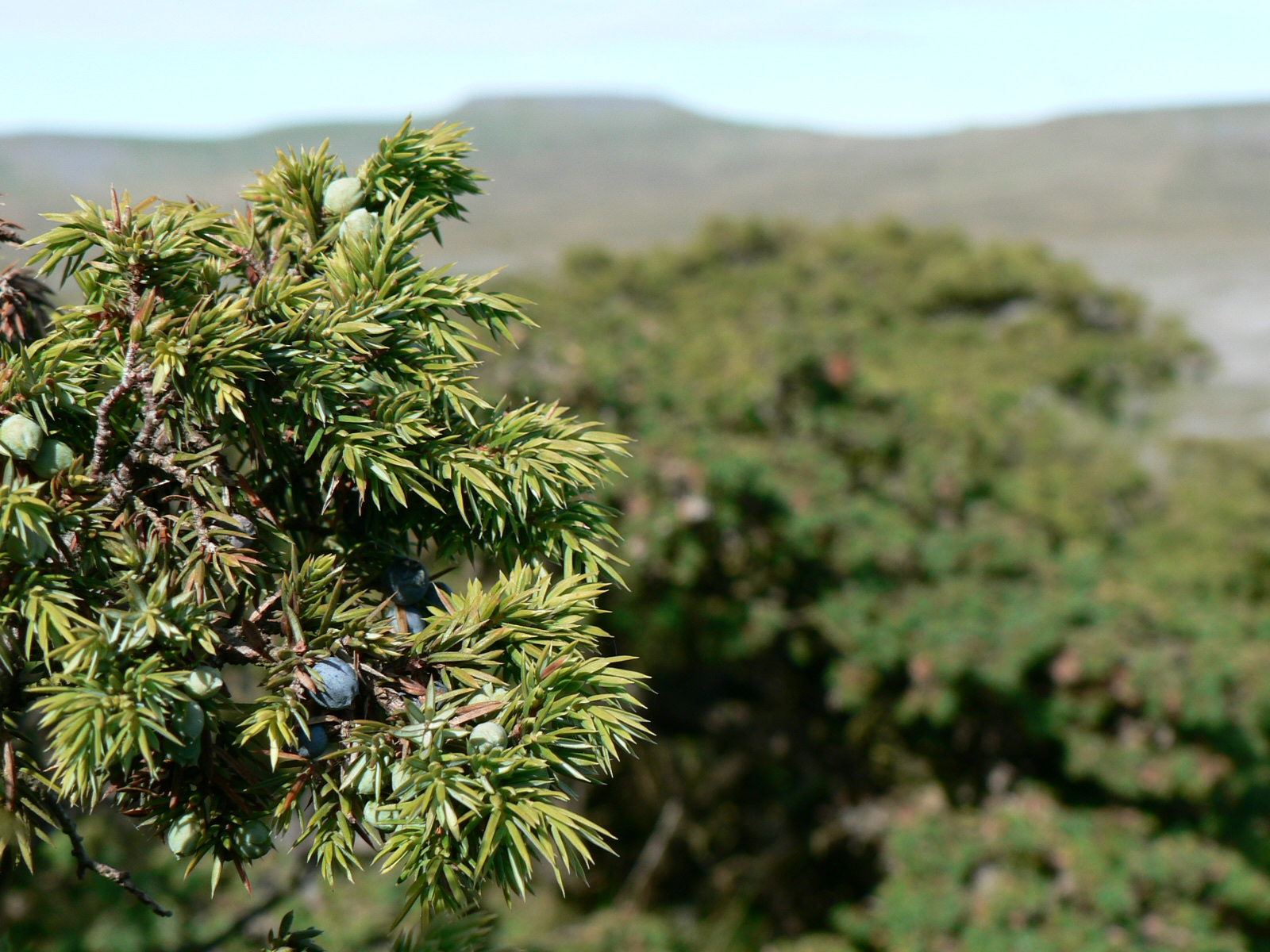
The chestnut-coloured carpet is closely associated with common juniper.
Habitat and lifecycle
Depends on juniper shrubs, the larval foodplant. Larvae overwinter among juniper needles.
Conservation challenges
Declines in juniper populations have impacted this species. Juniper is affected by habitat loss and disease (Phytophthora austrocedri).
Work is underway to restore juniper populations, supporting both the plant and the moth.
Least minor
Latin name: Photedes captiuncula
The least minor is a small but important moth of upland calcareous grassland.
Habitat and behaviour
Found in species-rich limestone grassland. Caterpillars feed on glaucous sedge and adults fly during the day between June and August.
Population
There is restricted distribution within the National Park, but they can occur in large numbers at known sites.
On one occasion, around 100 moths were recorded on ragwort, highlighting the importance of nectar sources for pollinators.
Why moths matter
Moths are an important part of the Yorkshire Dales National Park ecosystem. They:
- Pollinate plants, particularly at night
- Provide food for birds, bats and other wildlife
- Indicate the health of specialist habitats such as limestone grassland and upland moorland
Many species are closely tied to specific plants and conditions, making them sensitive to environmental change.
Supporting moth conservation in the Yorkshire Dales
Conservation work in the Yorkshire Dales focuses on:
- Protecting limestone habitats, moorland and woodland edges
- Maintaining key foodplants such as privet, sorrel, saxifrages and juniper
- Managing habitats through appropriate grazing and vegetation control
- Supporting long-term monitoring by volunteers and specialists
These efforts help safeguard rare and localised moth species across the National Park.
Nature Recovery Plan
Find out how partners are working together to create a richer, more connected landscape for nature and wildlife.
Read more about Nature Recovery Plan