The Yorkshire Dales is a wonderful place to explore, with rivers, waterfalls, caves, hills, open moorland and miles of paths and trails.
While most visits are trouble-free, the National Park is a remote and working landscape where conditions can change quickly. Taking a few moments to plan ahead can help you stay safe and make the most of your time here.
A little preparation can go a long way
Before you set off
- Check the weather
- Plan your route
- Pack warm and waterproof clothing
- Take food and water
- Charge your phone
- Tell somebody where you're going
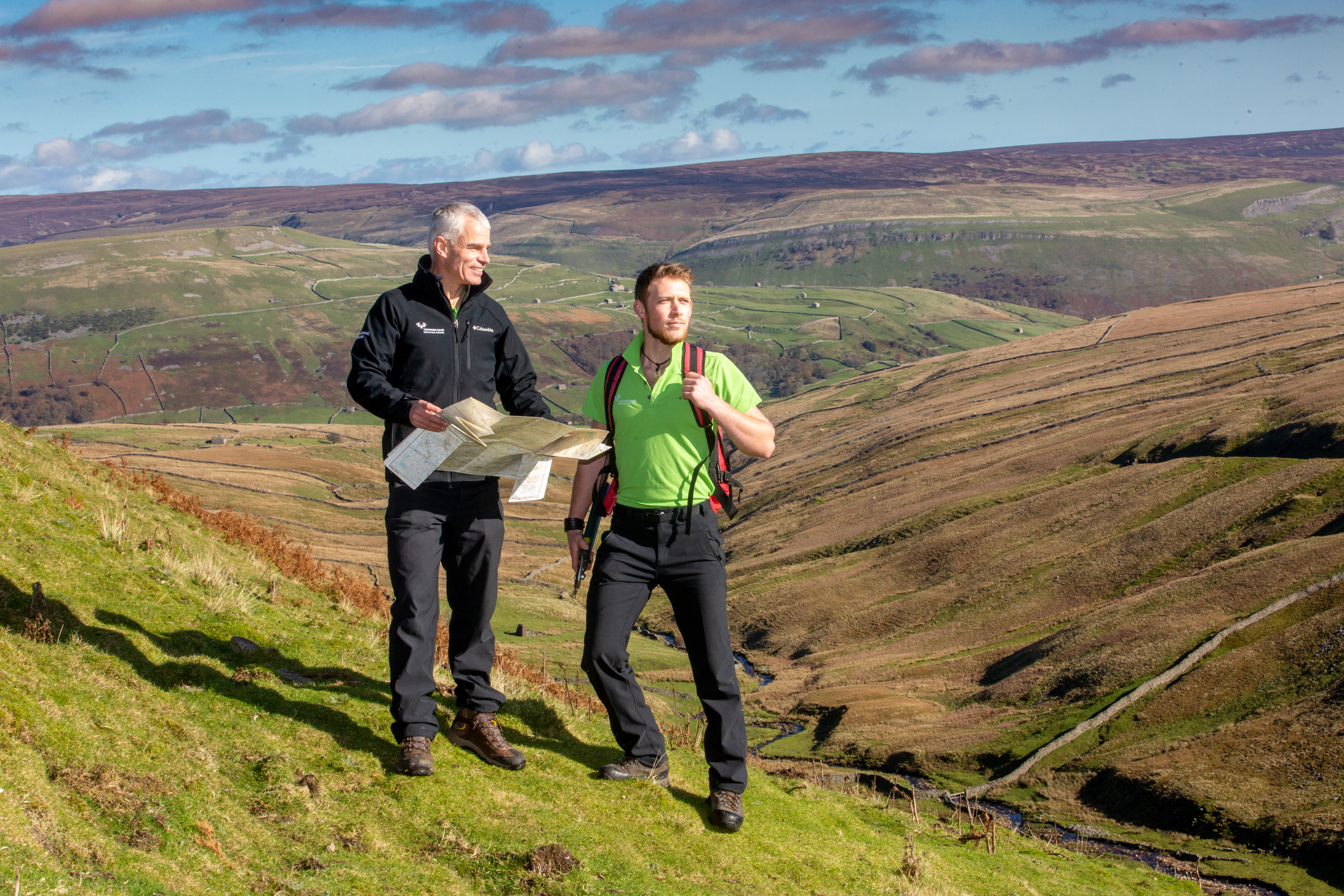
- Take a map or navigation aid
What to do in an emergency
- Call 999 and ask for the appropriate emergency service
- Use What3words to share your location
- Mobile signal may be limited in remote areas
- Tell someone where you're going before setting off
View more safety and access information
Understanding the risks
The Yorkshire Dales is a special landscape, but some of the features that make it beautiful can also present hazards. Being aware of the risks can help keep you and others safe.
Water safety
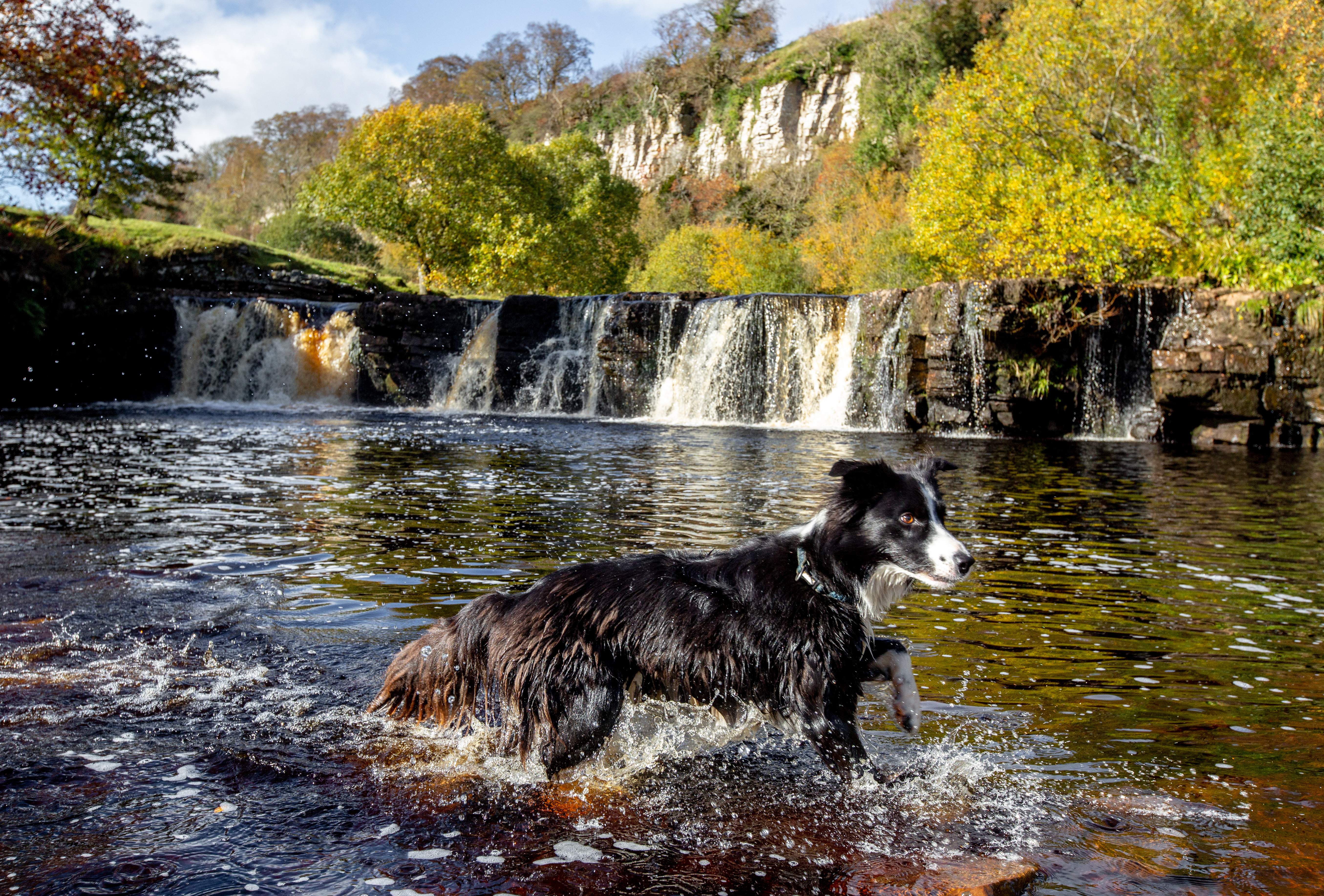
The Yorkshire Dales National Park has many rivers, waterfalls, tarns and reservoirs.
Even in warm weather, the water can be extremely cold, deep and fast-flowing. Every year people get into difficulty after underestimating the risks.
Take care around water, supervise children closely and always assess conditions carefully.
Learn more about water safety and swimming.
Limestone, caves and potholes
The Yorkshire Dales is famous for its limestone scenery and extensive cave systems.
Exposed limestone can become very slippery when wet, while caves and potholes should only be explored by properly equipped and experienced people.
Historic mining sites
The National Park contains many historic lead mining remains.
While these are fascinating reminders of the area's heritage, they can include hidden shafts, unstable structures and uneven ground. Please admire them from a safe distance and do not climb on old buildings or structures.
Livestock and working farms
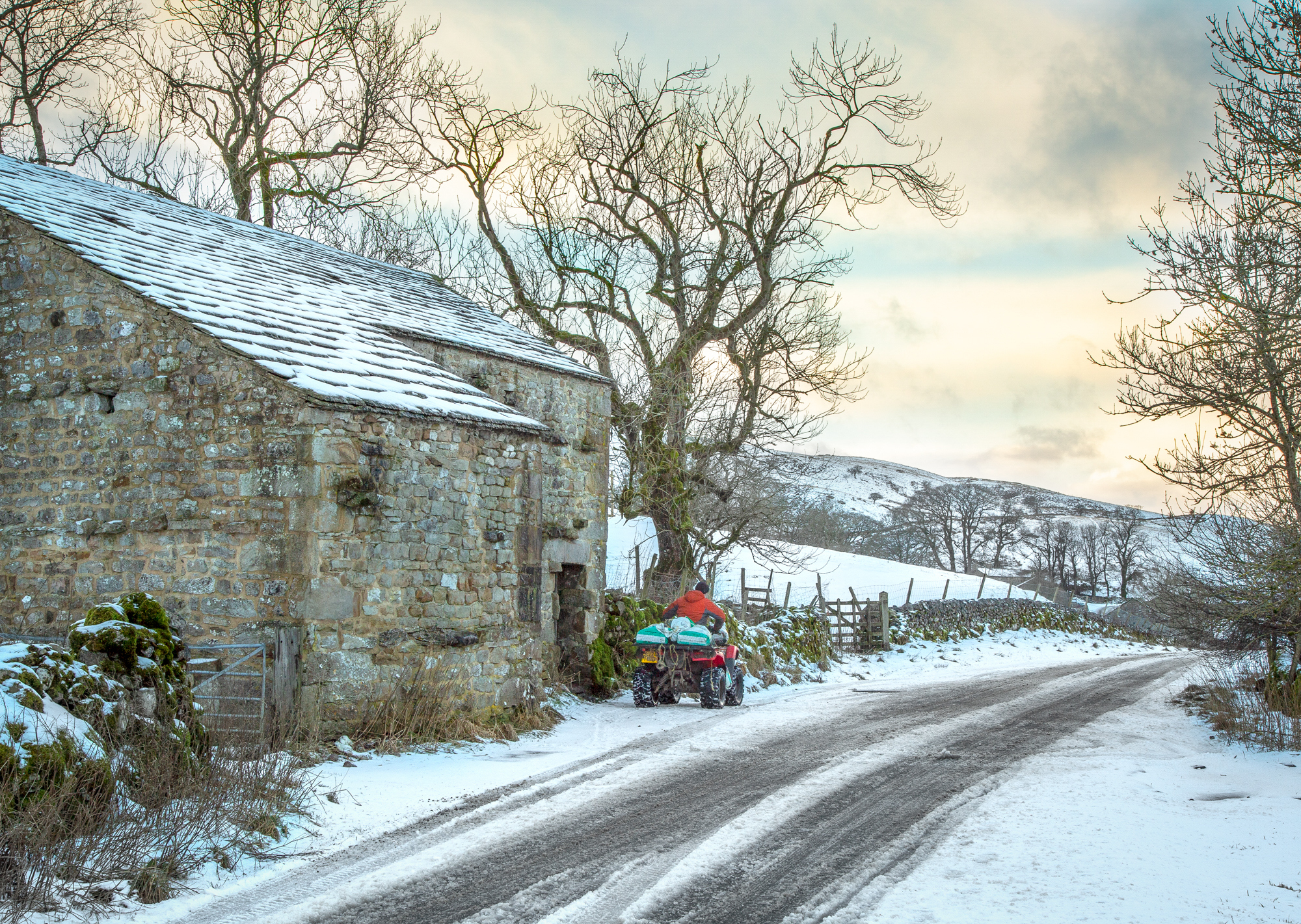
The Yorkshire Dales is a living, working landscape.
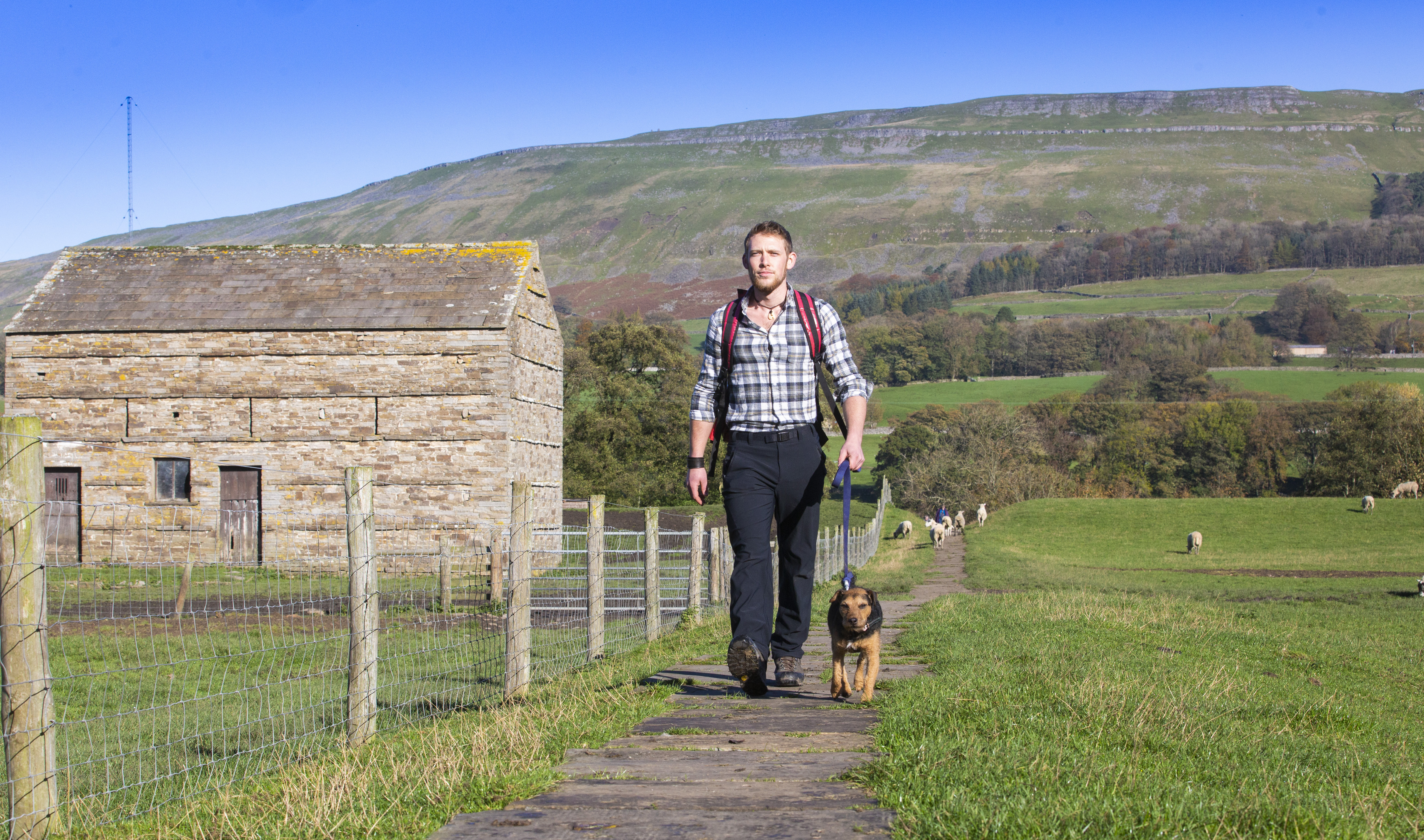
Take extra care around livestock, follow signs and keep dogs under close control.
If cattle become interested in you or your dog, remain calm and leave the field. If necessary, let your dog off the lead so it can move away from the livestock.
Mobile signal and emergencies
Don't rely solely on your phone. Mobile phone coverage can be limited in remote parts of the Yorkshire Dales. Before setting out, consider downloading maps and route information and carrying a paper map where appropriate.
Health and wellbeing outdoors
Ticks
Ticks can be found in some parts of the Yorkshire Dales, particularly in areas of long grass and bracken. Check yourself, children and pets after spending time outdoors and remove any ticks as soon as possible.
Fire safety
The Yorkshire Dales is home to vast areas of moorland, which can become dry, particularly during the summer months. We ask all visitors to respect the landscape and not light any open flame or barbeque in these areas.
Wild Camping in the Yorkshire Dales
Wild camping is not permitted without the landowner's permission.
If you're planning to stay overnight, there are many campsites and accommodation providers throughout the Yorkshire Dales to choose from.
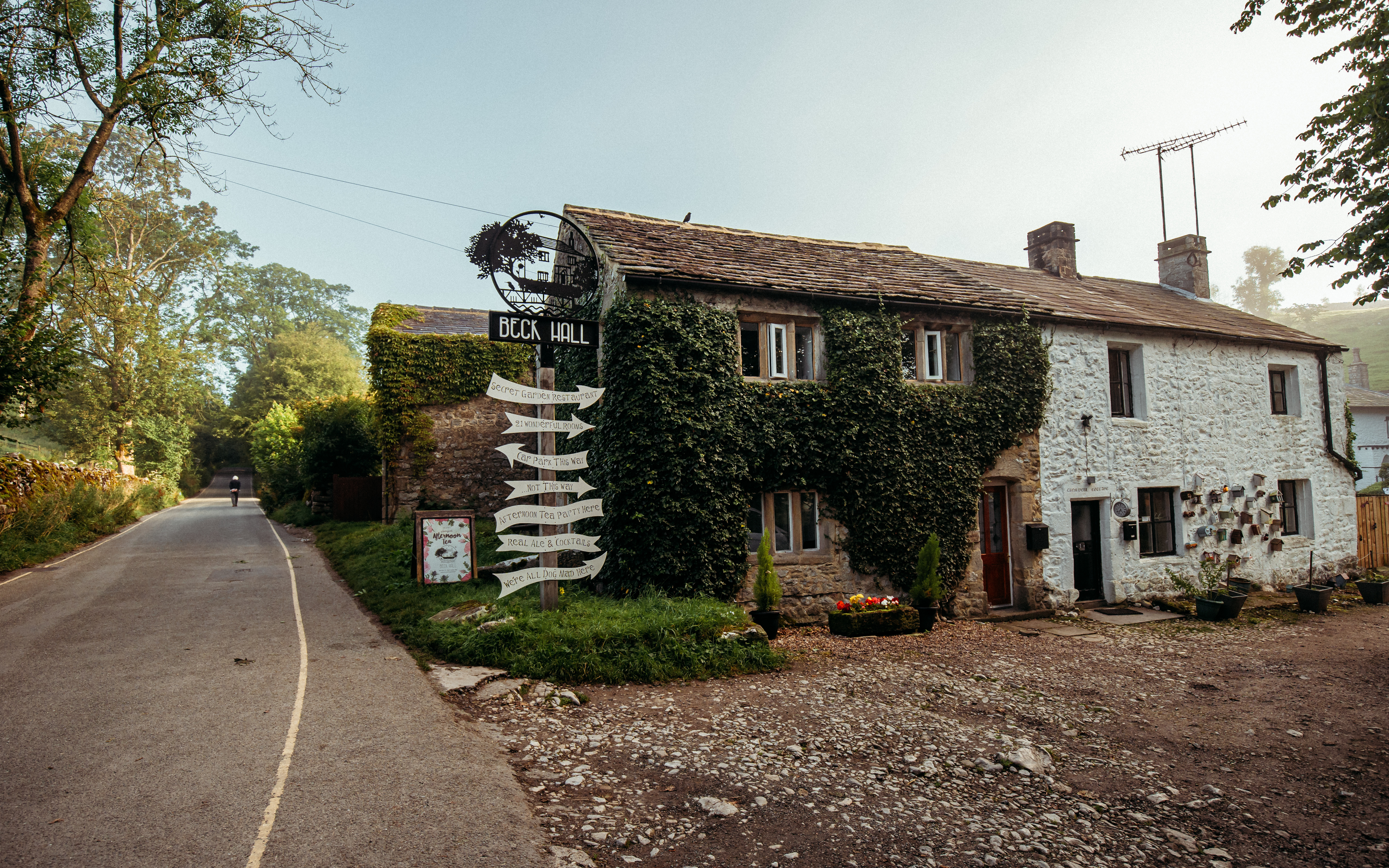
Where to stay
Find hotels, cottages, campsites, guest houses and other places to stay across the Yorkshire Dales National Park.
Read more about Where to stay