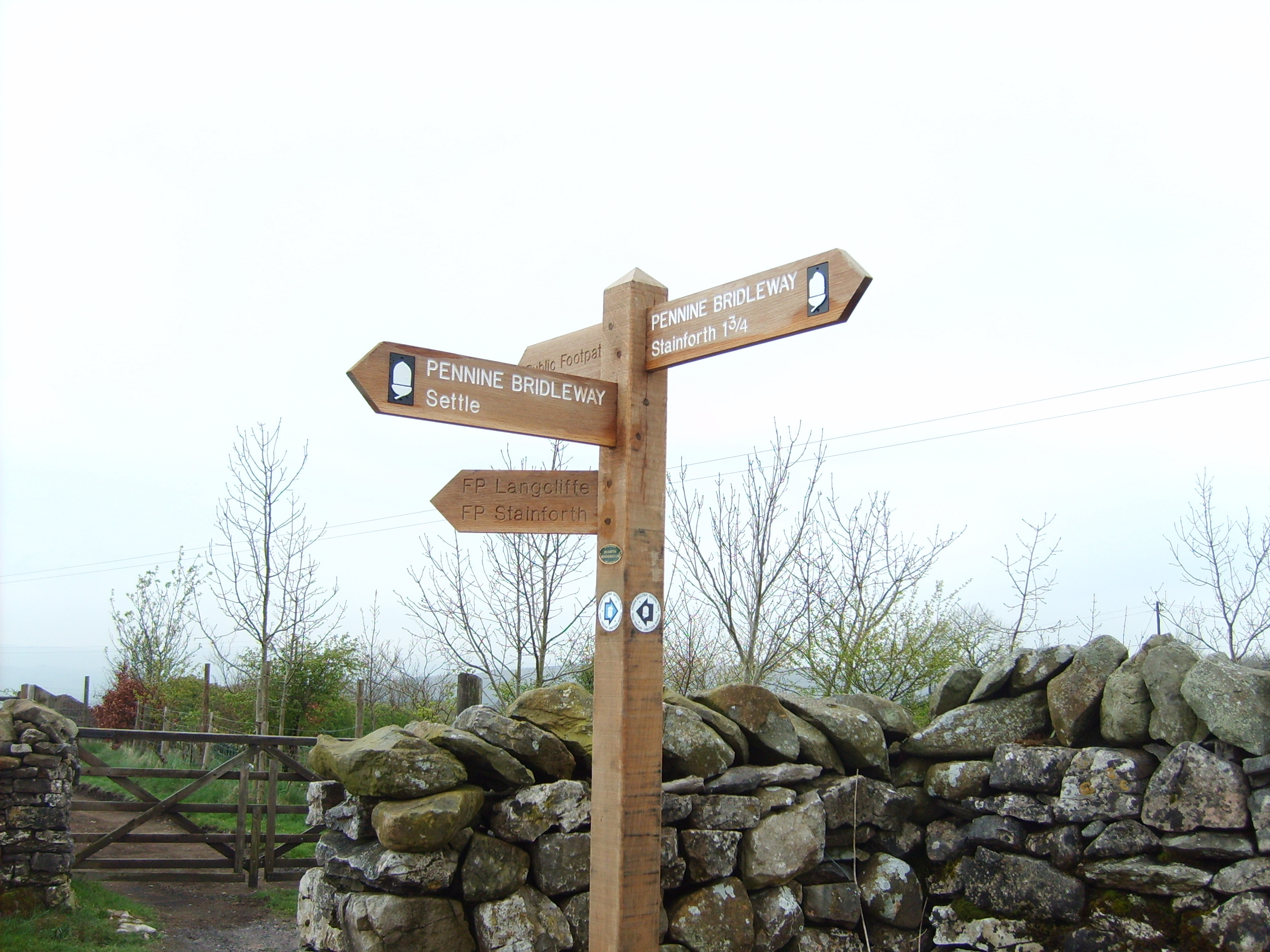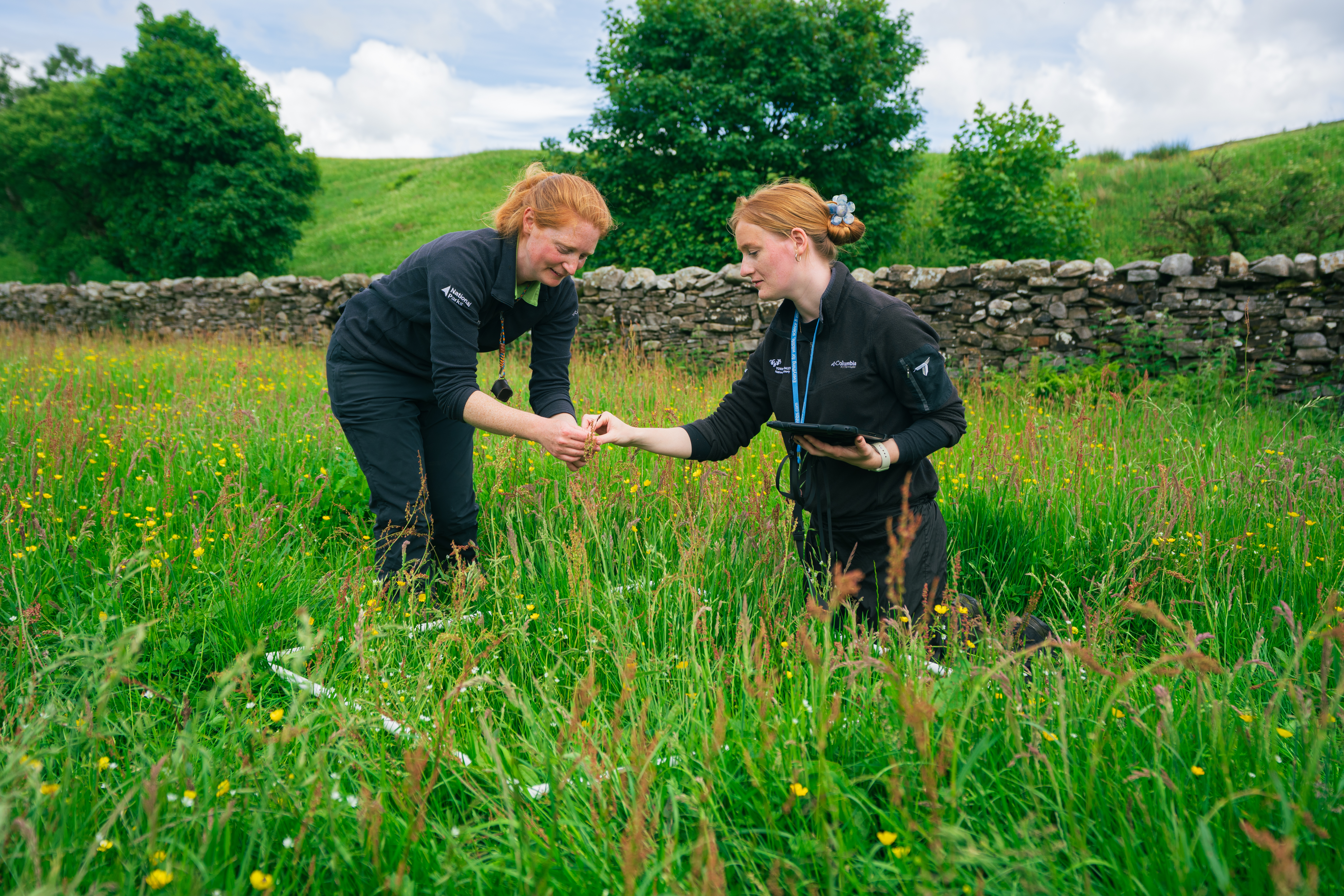
The National Park Management Plan sets out a long-term vision for the Yorkshire Dales National Park, and a series of specific objectives that the Authority and its partners are working together to achieve over the next few years.
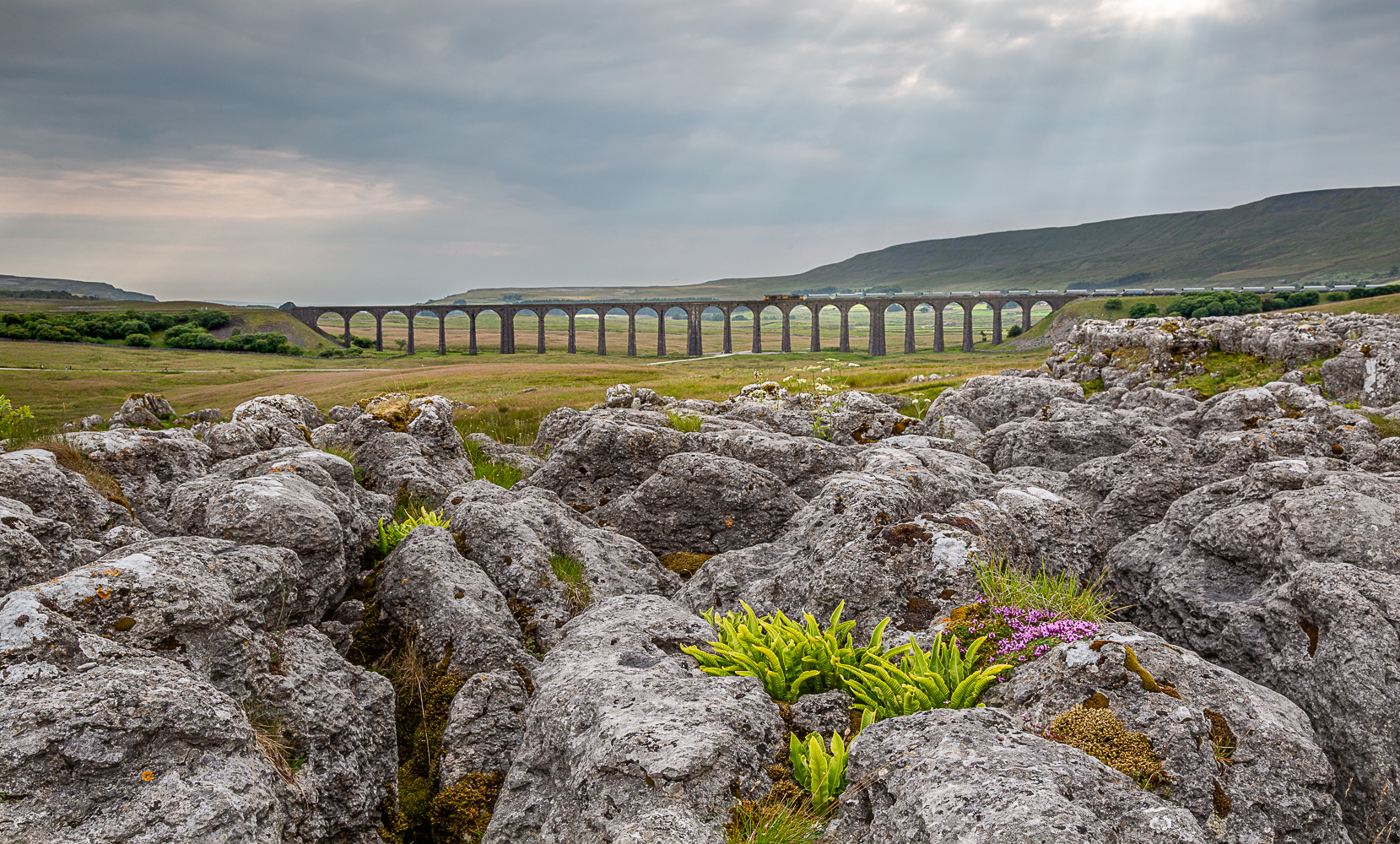
The Management Plan has been deliberately kept simple and brief. It does not provide all the details of the ways in which each objective is going to be met. Instead, that information is set out in a number of detailed strategy and policy documents that support the Management Plan.
-
This document contains the Yorkshire Dales National Park Authority (YDNPA) cultural heritage strategy for 2019–2024. It explains how the Authority will protect and enhance the National Park’s historic landscapes, buildings, monuments and traditions, while supporting research, information sharing and community involvement. It sets out priorities for managing heritage through farming and planning, reducing the number of heritage assets at risk, improving records, supporting apprenticeships, and delivering conservation and archaeology projects with partners.
Please be aware that this summary has been generated using AI
-
This document contains the Yorkshire Dales National Park Authority (YDNPA)’s integrated strategy for access, recreation, visitor management, diversity and tourism. It sets out how we will protect the National Park’s special qualities while promoting inclusive enjoyment, health and wellbeing, sustainable tourism and support for local communities. It covers rights of way, visitor facilities, transport, events, volunteering, learning, interpretation and partnership working.
Please be aware that this summary has been generated using AI
-
This document contains the Dales Woodland Strategy for 2020–2030, setting out a shared approach to managing and creating trees and woodlands in the Yorkshire Dales National Park. It explains how woodland can support wildlife, climate resilience, landscape, access, local communities and the economy, while setting priorities for landowners and partners. The strategy aims to create 6,000ha of woodland, bring 75% of woodland habitats into positive management and plant 6,000 field trees by 2030.
Please be aware that this summary has been generated using AI