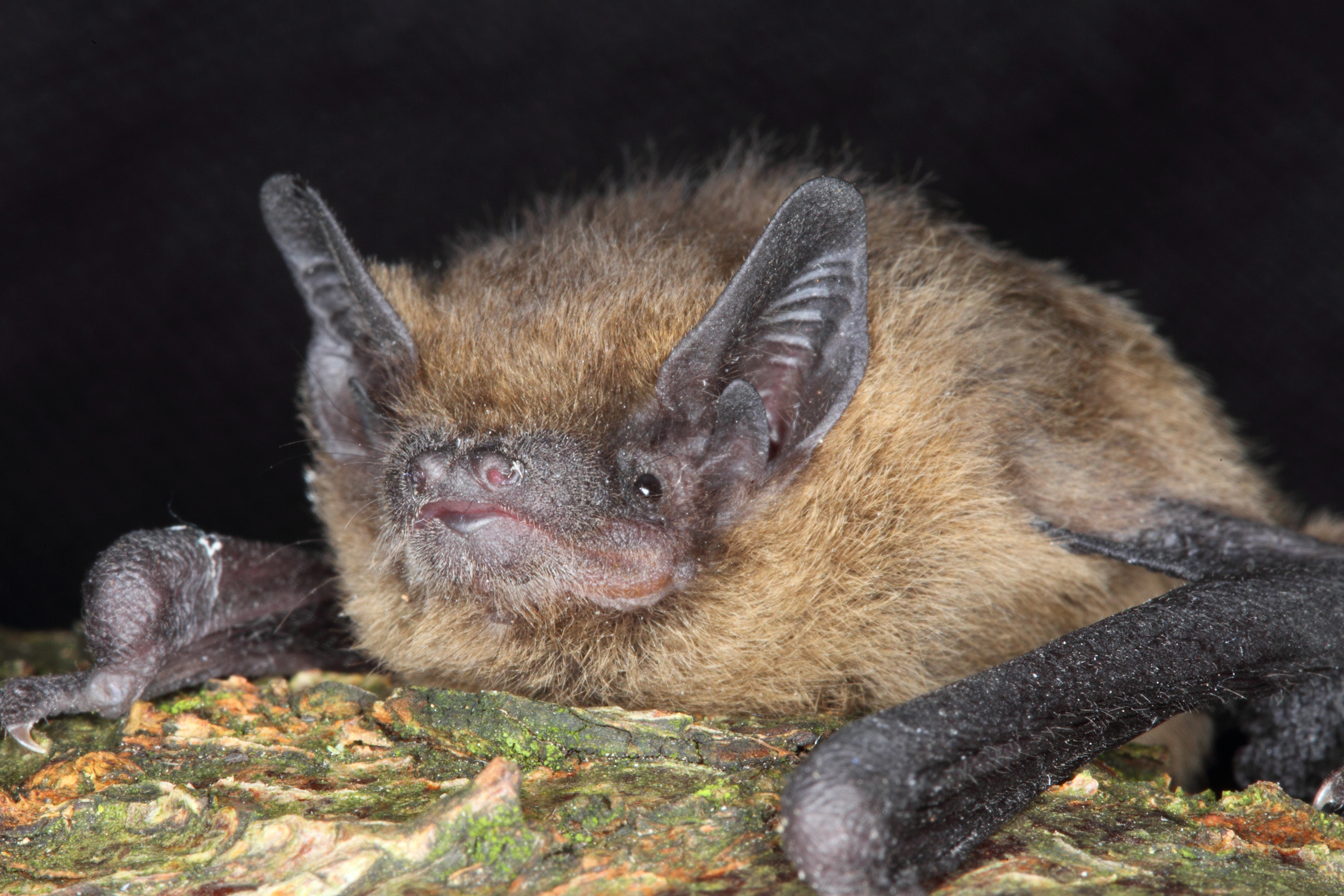
There are generally fewer species of bat found in the uplands of Britain compared to lowland areas, and only nine of the 18 UK species are known to occur in the Yorkshire Dales National Park.
But what we lack in number of species we make up for in numbers of individual bats. All UK bats eat insects, and the diverse range of habitats in the National Park support many different insect species which provide a banquet for large numbers of bats, especially along rivers and watercourses.
Where bats live in the Yorkshire Dales
Bats are nocturnal and spend the day in roost sites, many of which are in buildings. The traditional buildings found in most of the Dales villages provide roosts for many species, particularly if close to woodlands, rivers or streams. Common and soprano pipistrelles are the most widespread bats in the Dales and can be seen hunting at night in and around many villages. Buildings close to wooded areas are the favoured roosts of Natterer’s bats, which snatch unsuspecting insects from the surfaces of leaves, and have even been known to steal from spiders’ webs! Less common but equally widespread are whiskered and Brandt’s bats which can also be found in similar habitats.
River bridges can also be important roosts, especially for Daubenton’s bats which habitually hunt over water. The noctule bat, one of the largest UK species, prefers to roost in trees using features such as rot holes and old woodpecker nests, and is rarely associated with buildings. These impressive bats can be seen after dark hunting high over open fields.
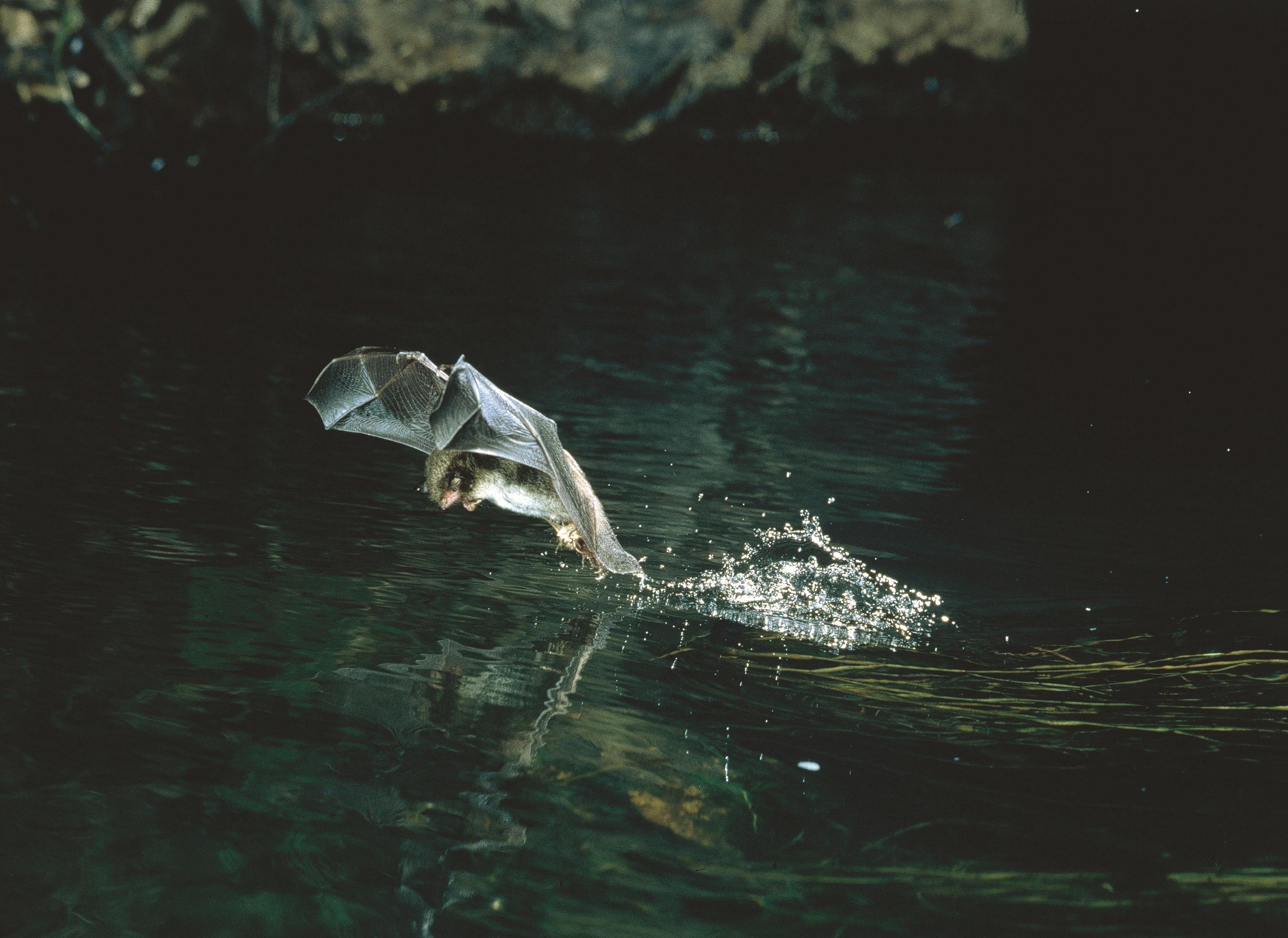
Daubenton's Bat in flight. Credit: Frank Greenaway
Hibernating bats
In late summer, many bats leave their roosts and breeding colonies and move to their hibernation sites at caves or old lime kilns. Bats from a wide geographical area will congregate in vast numbers at these sites to mate, in an impressive spectacle known as ‘autumn swarming’. After pairing up, the bats head deeper into the cave systems to hibernate during the cold winter months.
Although dispersal distances vary between species, research has shown that some bats will travel over 30 km from their summer roosts to these wintering sites. This means that many of the cave systems in the National Park are nationally important for swarming and hibernating bats.
Threats to bats
Bats living in built structures are vulnerable to disturbance or loss of breeding sites through development and refurbishment works. All bats and their roosts are protected by law and there is a legal licencing system in place to protect bat roosts during developments. However, new buildings often lack suitable crevices for bats unless they are specially included as compensation for the loss of an existing roost. For this reason, the species most associated with roosting in buildings are included in our Category 1 Priority Species list.
Priority bat species in the Yorkshire Dales:
- Brandt’s bat
- Brown long-eared bat
- Common pipistrelle
- Daubenton’s bat
- Natterer’s bat
- Soprano pipistrelle
- Whiskered bat
Nature Recovery Plan
Find out how partners are working together to create a richer, more connected landscape for nature and wildlife.
Read more about Nature Recovery Plan