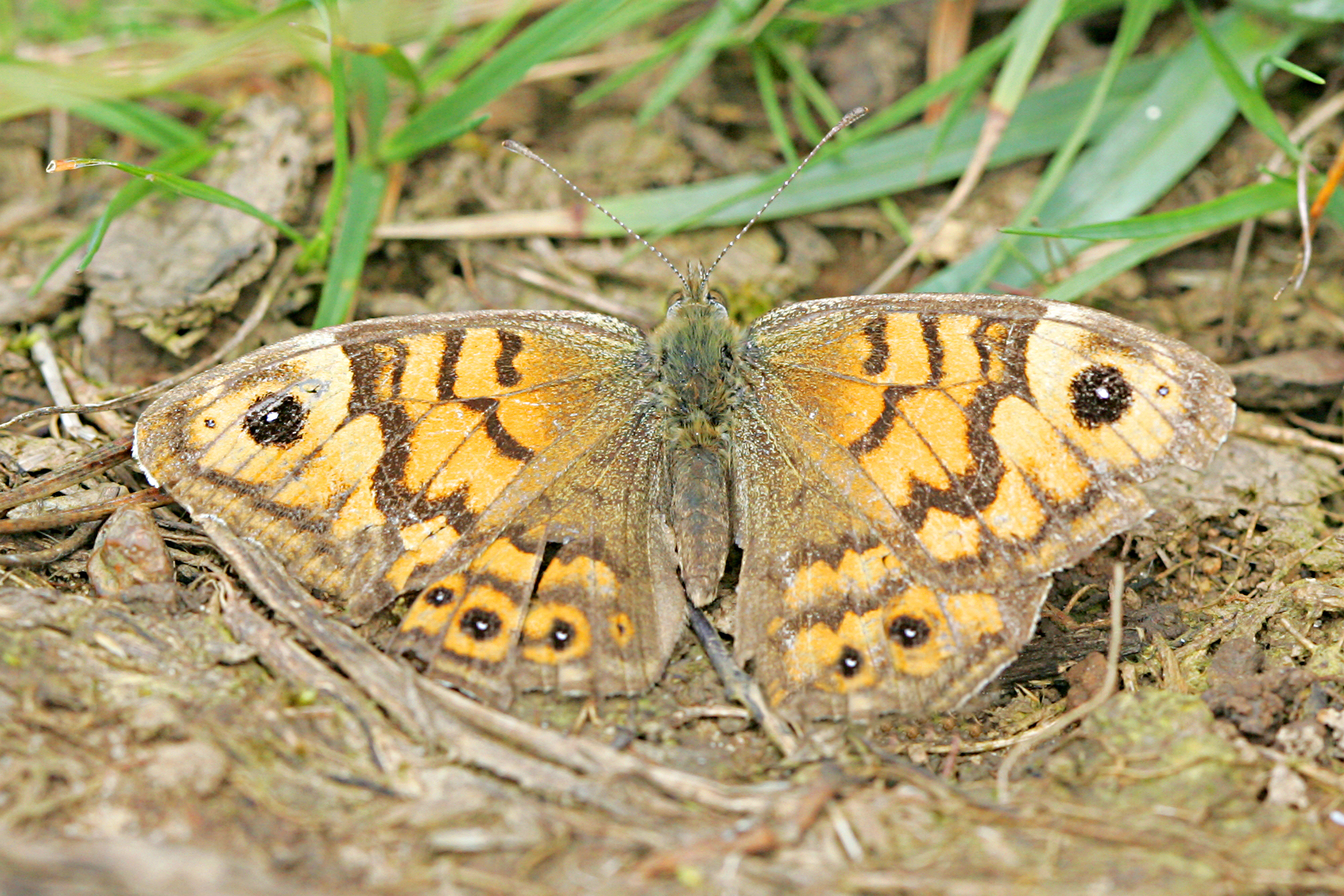
The Yorkshire Dales National Park supports a wide range of butterfly species, thanks to its varied habitats including moorland, limestone grassland, woodland and valley landscapes.
Among these are a number of rare and specialised species that depend on very specific conditions. Two species in particular, the northern brown argus and the small pearl-bordered fritillary, are identified as Category 1 Priority Species due to their conservation needs.
Northern brown argus
Latin name: Aricia artaxerxes
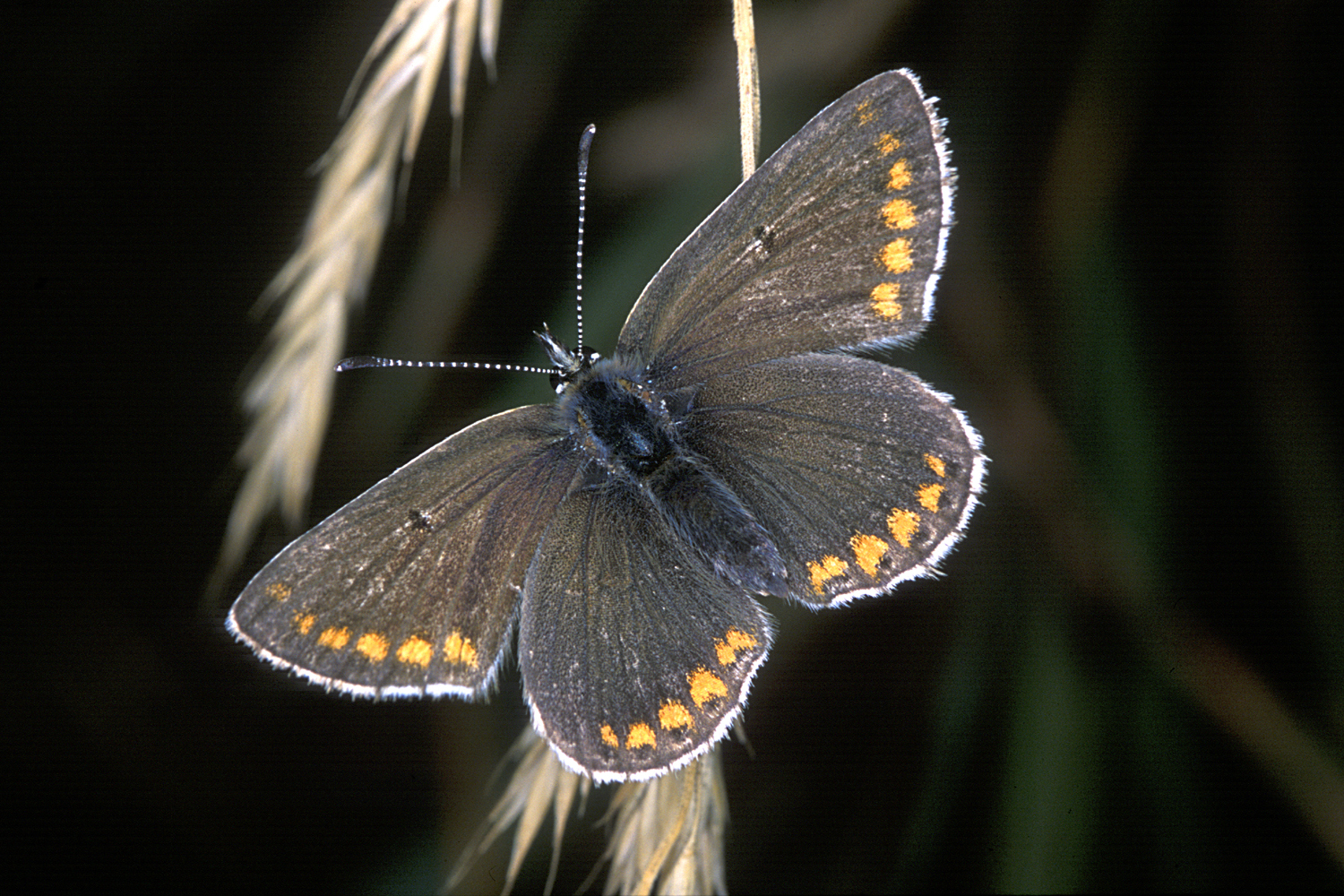
Northern brown argus butterfly. Credit: Whitfield Benson.
The northern brown argus is one of the few butterfly species in the UK with a predominantly northern distribution.
Where it’s found
- Occurs in Scotland, northern England and parts of northern counties
- In the Yorkshire Dales National Park, populations are at the southern edge of their range
Within the Dales, it is most often found in unimproved limestone grassland and sheltered areas with short vegetation. Key strongholds include Ribblesdale / Ingleborough and Wharfedale / Littondale.
Habitat and lifecycle
Northern brown argus butterflies depend on specific habitat conditions:
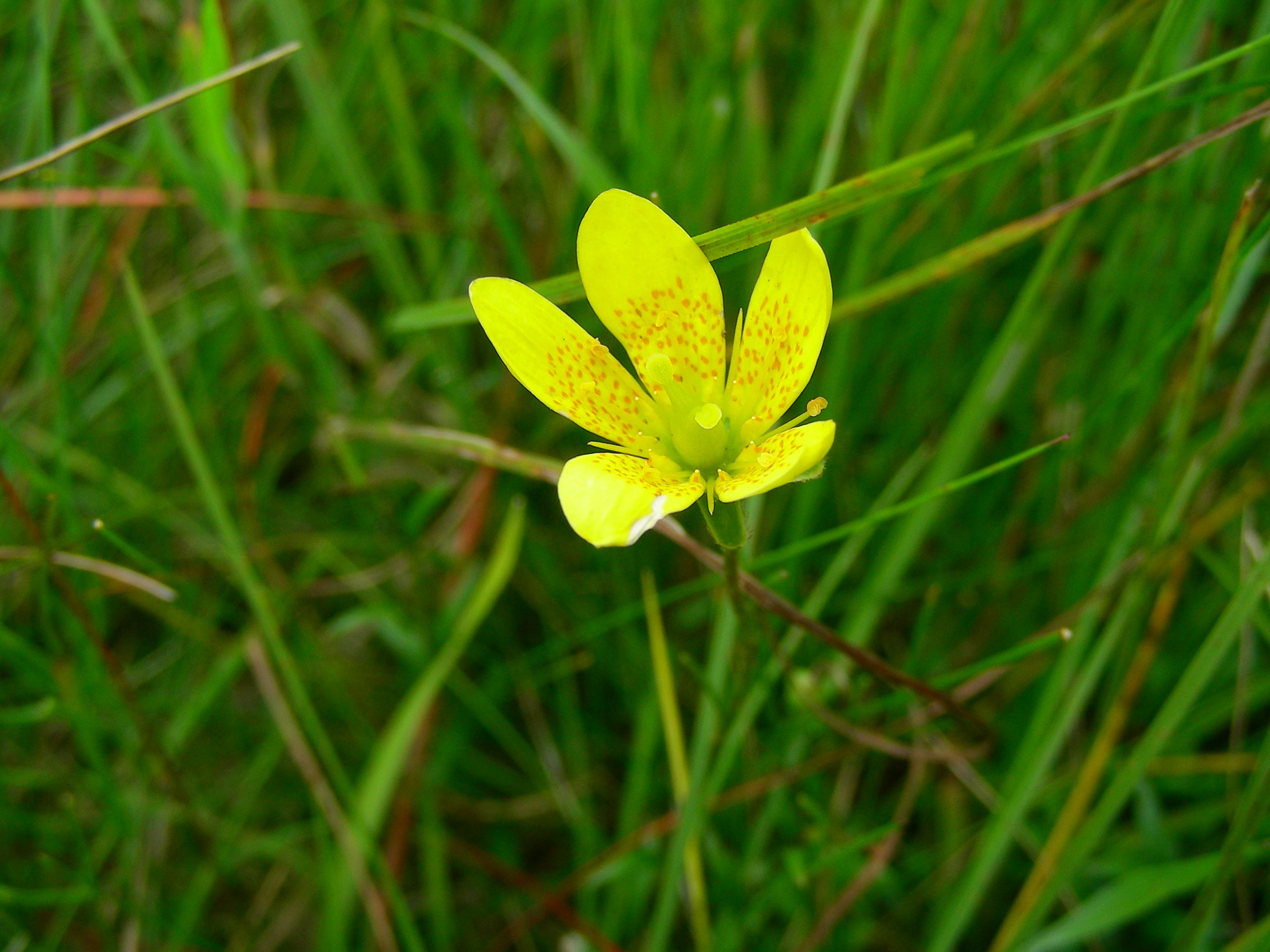
- Larvae feed on common rockrose
- Require light grazing to maintain suitable sward height
- Optimal vegetation height is around 6–10cm for egg laying
Adult butterflies can typically be seen from early June to mid-August.
Population and monitoring
- Surveys in 2002 recorded 33 occupied sites in the Dales
- Apparent increases in records likely reflect improved survey effort, rather than expansion
Although many sites are currently well managed, ongoing monitoring is essential to maintain populations.
Small pearl-bordered fritillary
Latin name: Boloria selene
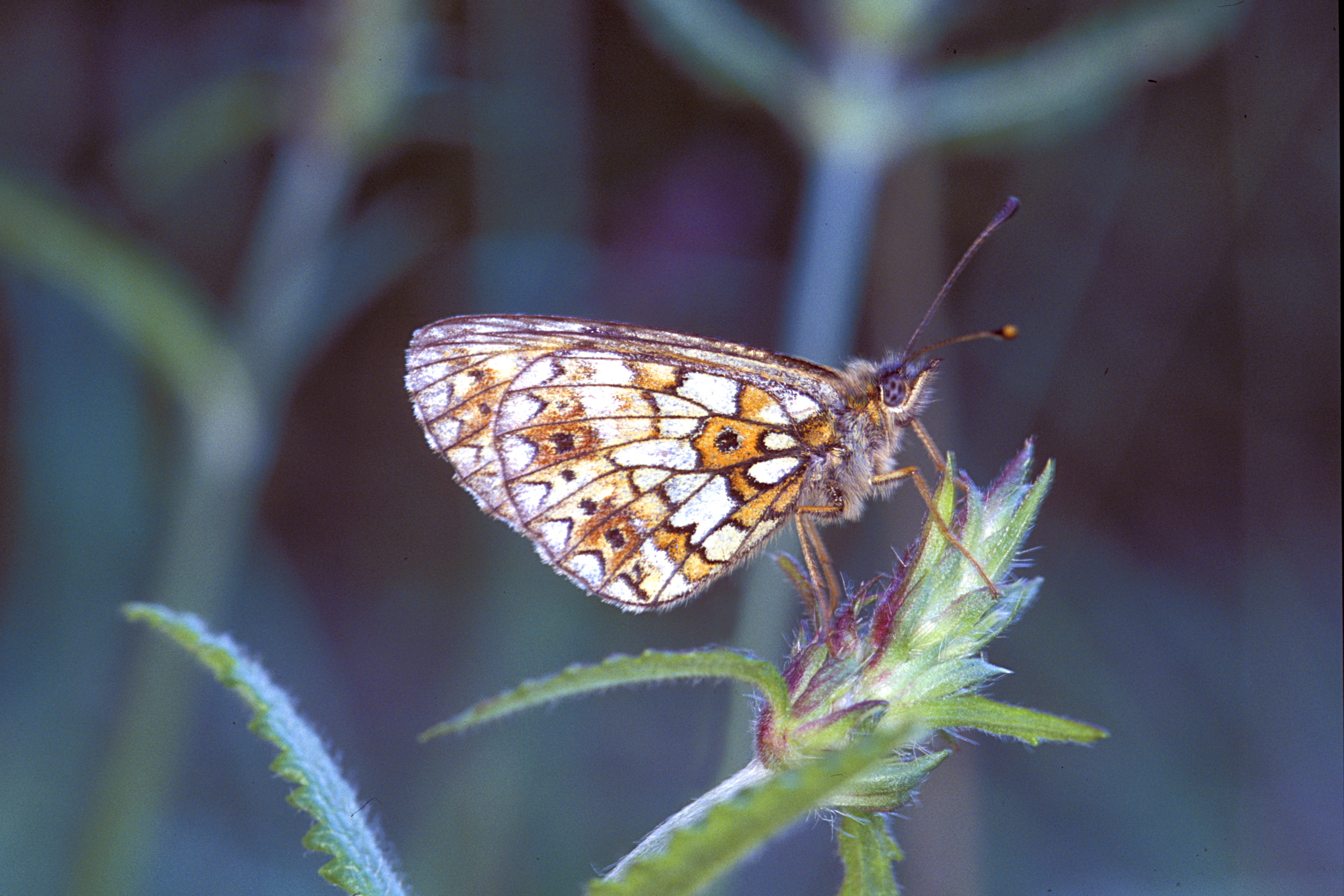
Small pearl bordered fritillary butterfly. Credit: Whitfield Benson.
The small pearl-bordered fritillary is a delicate butterfly associated with damp habitats and early-succession vegetation.
Where it’s found
This species is widespread in Scotland and Wales, and restricted in England to the North York Moors, Craven Lowlands and the Yorkshire Dales National Park. Within the Dales, colonies are limited and carefully monitored.
Habitat and lifecycle
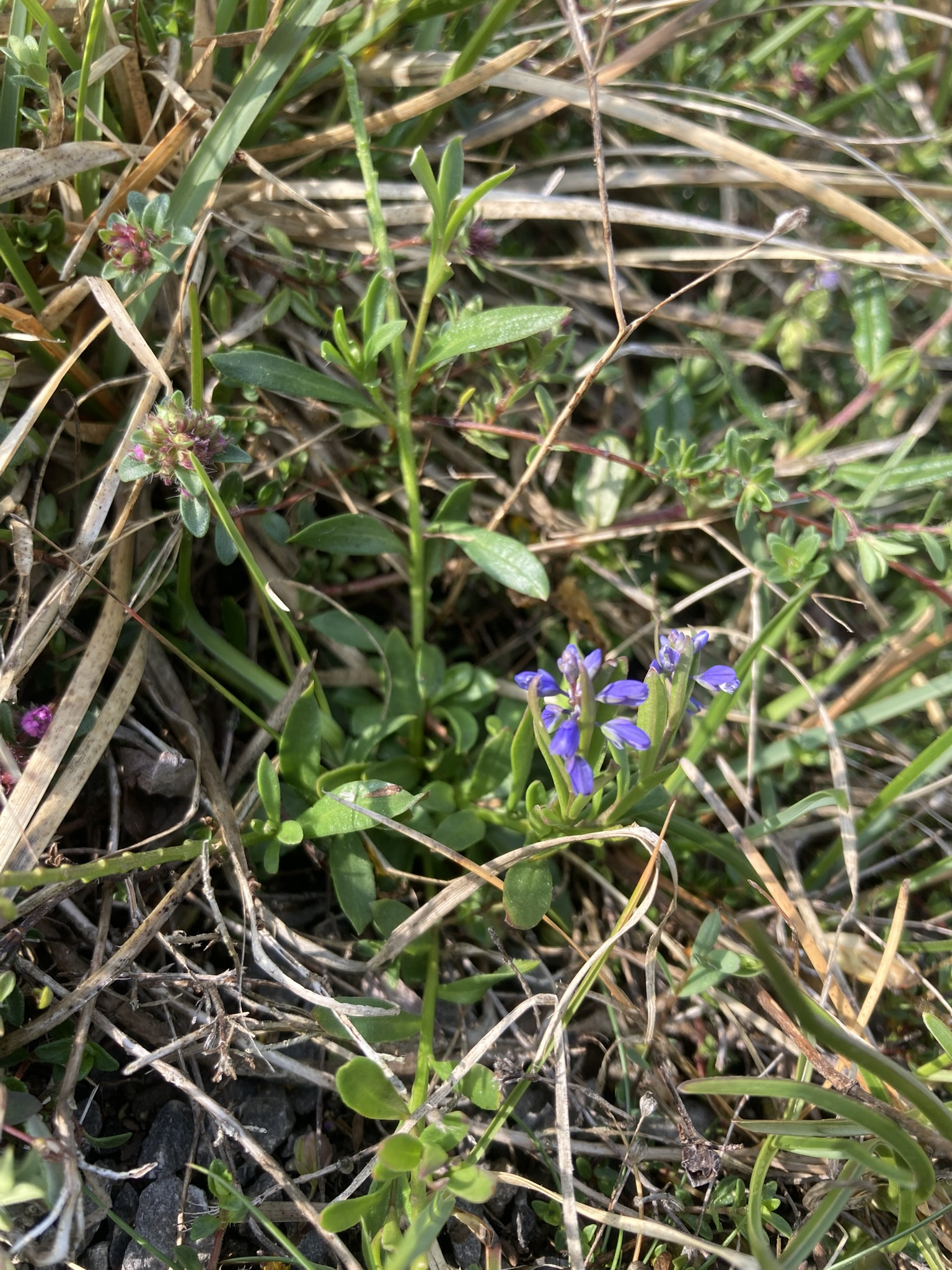
Small pearl-bordered fritillaries require damp grassland, moorland and woodland clearings, and the presence of the caterpillar food plants marsh violet and dog violet.
Key lifecycle features:
- Single generation each year
- Caterpillars overwinter in tussocky vegetation
- Adults emerge around early June
- Main flight period: mid-June to mid-July
- Adults may live for around two weeks
Population and conservation
Populations have declined across much of England. In the Yorkshire Dales, colonies are small and localised.
Surveys have identified four sites in Yorkshire and three in the Cumbrian part of the National Park.
Ongoing monitoring helps ensure these sites continue to support both breeding and overwintering habitat needs.
Why butterflies matter in the Yorkshire Dales
Butterflies are important indicators of the health of habitats in the Yorkshire Dales National Park. Their presence reflects:
- Well-managed limestone grassland and moorland
- Healthy plant communities, including key foodplants
- Balanced grazing regimes that maintain suitable vegetation structure
Protecting priority butterfly species contributes to wider nature recovery across the National Park.
Supporting butterfly conservation
Conservation work in the Yorkshire Dales focuses on:
- Maintaining species-rich grassland and upland habitats
- Managing grazing levels to support key plants
- Protecting specialist habitats such as limestone slopes and damp grassland
- Continuing long-term monitoring and survey work
These actions help ensure that rare butterflies continue to thrive in the Dales landscape.
Nature Recovery Plan
Find out how partners are working together to create a richer, more connected landscape for nature and wildlife.
Read more about Nature Recovery Plan