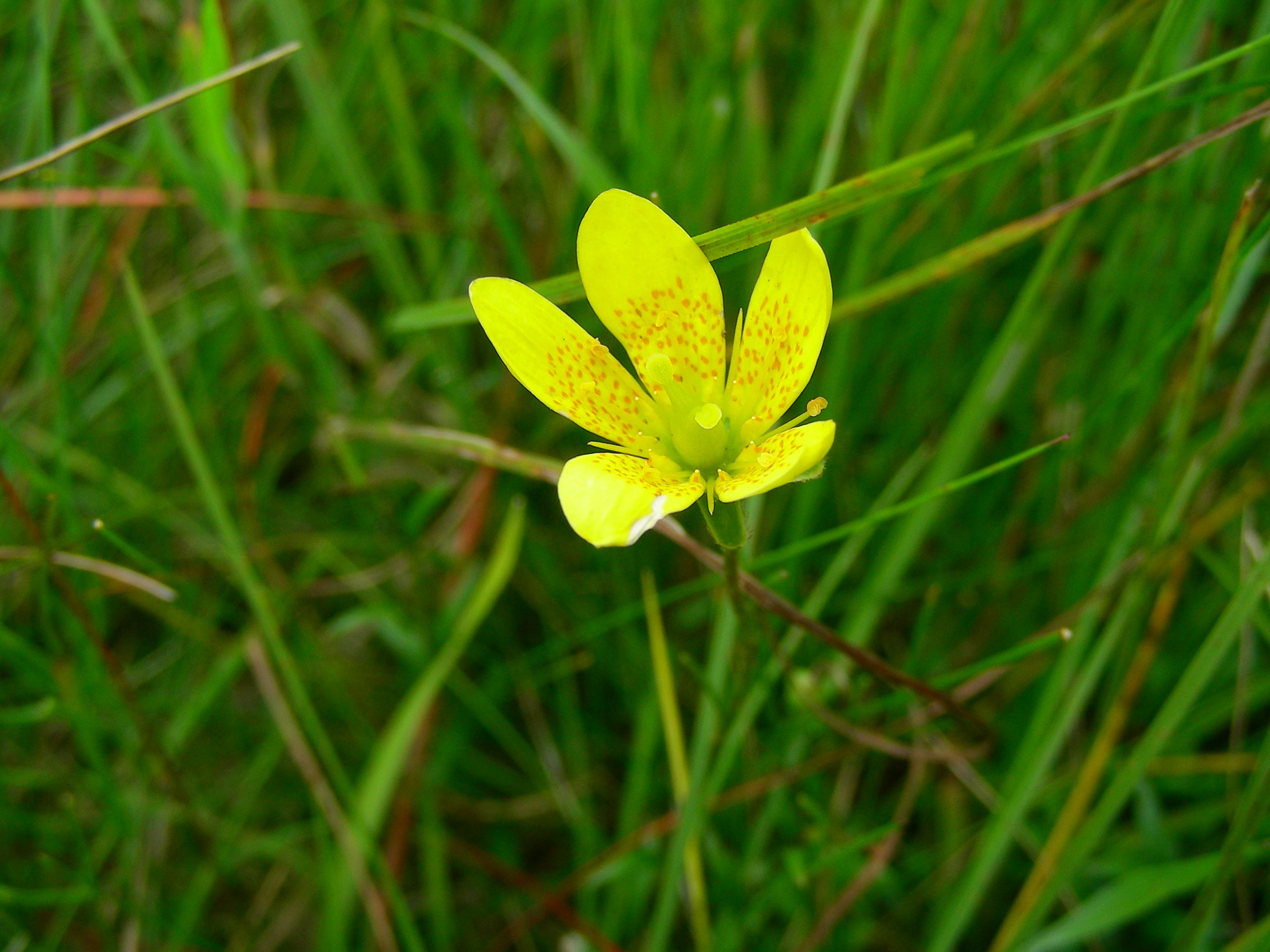
Latin name: Saxifraga hirculus
Marsh saxifrage (Saxifraga hirculus) is a rare upland plant found in bogs, flushes and wet mires in the Yorkshire Dales National Park.
This small perennial herb typically produces one or two bright golden-yellow flowers, often marked with orange spots. Although it can resemble a buttercup at first glance, marsh saxifrage can be distinguished by its red-haired stems.
Identifying marsh saxifrage
Marsh saxifrage is a low-growing plant with distinctive features:
- Bright yellow flowers, sometimes with orange spotting
- Usually one or two flowers per stem
- Red hairs on stems, helping distinguish it from similar species
- A creeping, stoloniferous growth form, spreading across wet ground
Its small size and specialised habitat can make it difficult to spot.
Habitat in the Yorkshire Dales
Marsh saxifrage is strongly associated with upland wetland habitats. In the Yorkshire Dales National Park, it grows in:
- Moss-rich flushes and springs
- Wet mires and bogs
- Areas fed by cool, lime-influenced groundwater
Key habitat conditions include:
- A constant flow of well-oxygenated water
- Open, low vegetation maintained by appropriate grazing
- Stable hydrology with minimal disturbance
These conditions make the species particularly sensitive to environmental change.
Distribution in the Yorkshire Dales
Marsh saxifrage has a very restricted distribution in the National Park. There are three known sites within the Yorkshire Dales National Park, with the largest population occurring on Great Shunner Fell. These populations are of high conservation importance due to their limited size and isolation.
Decline and population history
Populations of marsh saxifrage declined sharply during the early 20th century. Major causes included:
- Drainage of wetlands
- Afforestation
- Peat extraction
- Agricultural intensification
As a result, many former lowland populations were lost. In some regions, such as Scotland, the species is now restricted to a very small number of sites.
Reproduction and genetic challenges
Marsh saxifrage can reproduce in two ways:
- Vegetative spread, forming clonal patches
- Flowering and seed production, which supports genetic diversity
If plants fail to flower, populations become genetically limited, and this reduced diversity can increase vulnerability to environmental change. The isolation of populations further limits cross-pollination and gene flow.
Threats and conservation challenges
Marsh saxifrage is highly sensitive to changes in its environment. Key threats include:
- Drainage or disruption of groundwater flow
- Changes to grazing levels, affecting vegetation structure
- Climate change, altering hydrology and habitat conditions
- Small, isolated populations vulnerable to local loss
Maintaining stable wetland conditions is critical for its survival.
Conservation status
Marsh saxifrage has significant conservation importance. It is listed as a Species of Principal Importance under Section 41 (S41) of the Natural Environment and Rural Communities (NERC) Act 2006, and classified as Least Concern on the Vascular Plant Red Data List for Great Britain (2025), reflecting relatively stable populations in some areas.
Within the Yorkshire Dales National Park, it is designated as a Category 1 Priority Species in the Yorkshire Dales Nature Recovery Plan.
Monitoring and management
Ongoing conservation work focuses on protecting marsh saxifrage habitats and populations. This includes:
- Monitoring population size, health and regeneration
- Maintaining natural water flow and hydrology
- Managing grazing levels to keep vegetation open
- Supporting long-term habitat protection and restoration
These actions help secure the long-term survival of the species in the Yorkshire Dales.
Why marsh saxifrage matters
Marsh saxifrage is an important indicator of healthy upland wetland ecosystems. Its presence reflects:
- Intact bog, mire and flush systems
- Stable groundwater conditions
- Well-managed upland grazing regimes
Protecting marsh saxifrage supports wider nature recovery across the Yorkshire Dales National Park, particularly in sensitive wetland habitats.
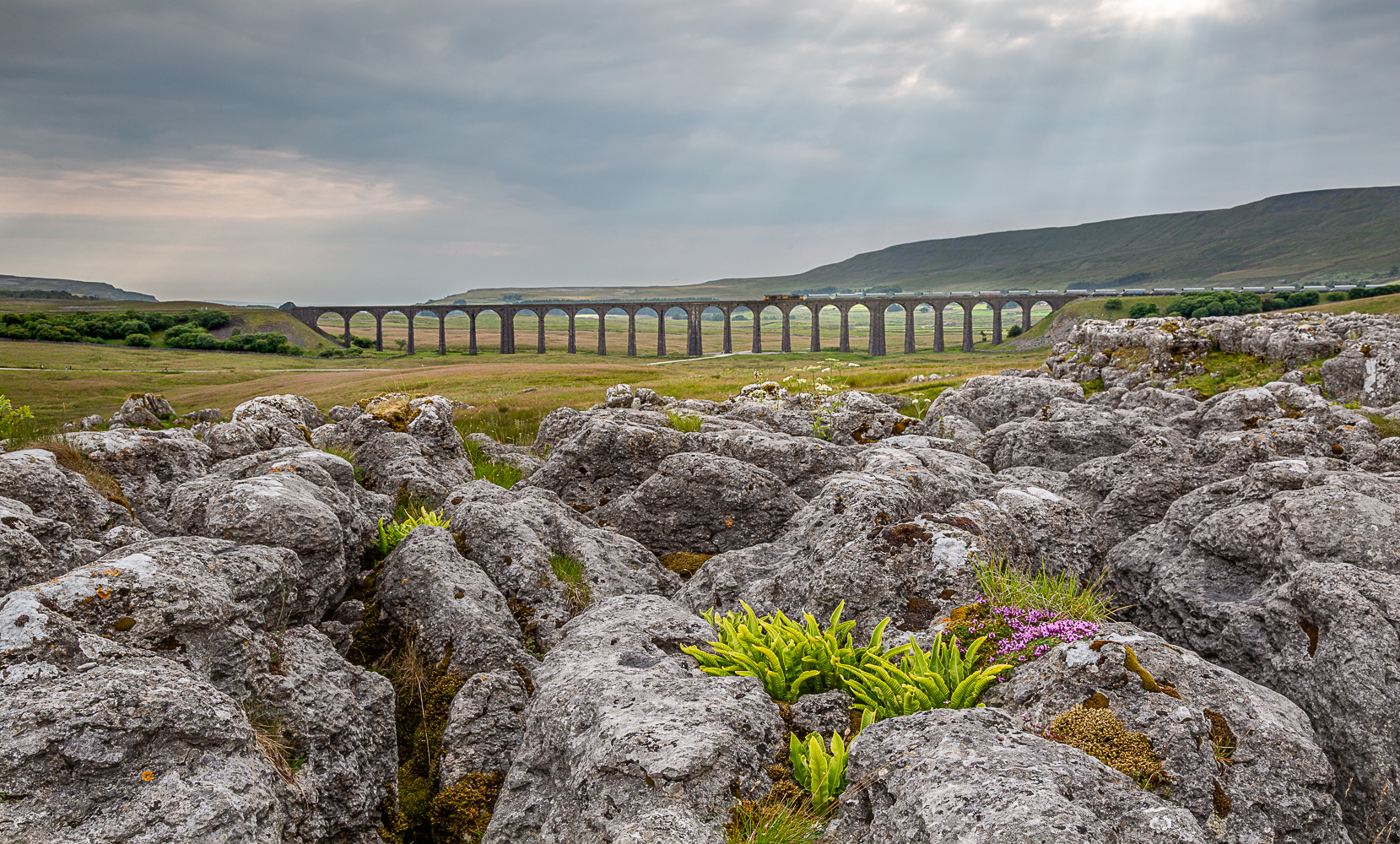
Nature Recovery Plan
Find out how partners are working together to create a richer, more connected landscape for nature and wildlife.
Read more about Nature Recovery Plan