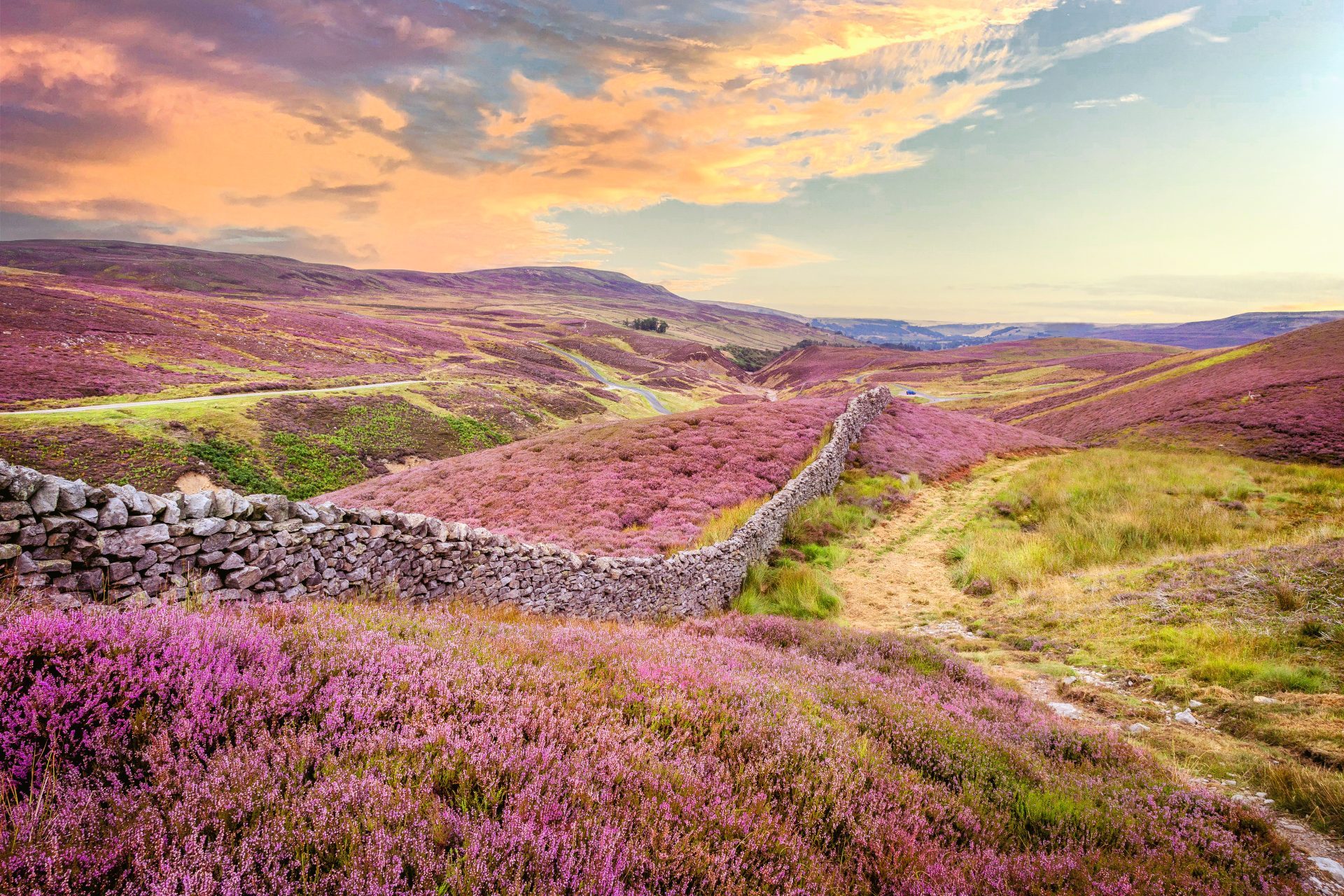
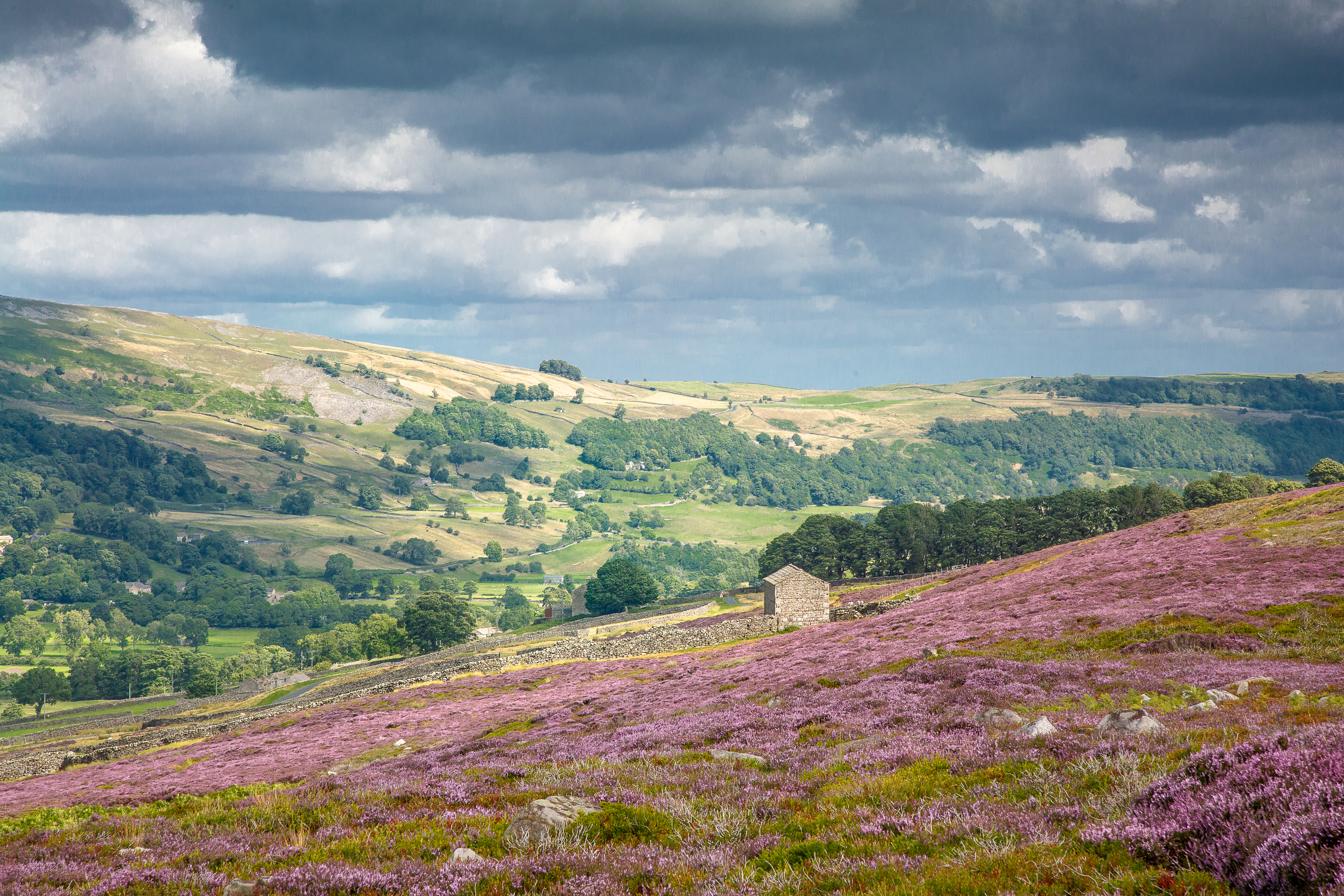
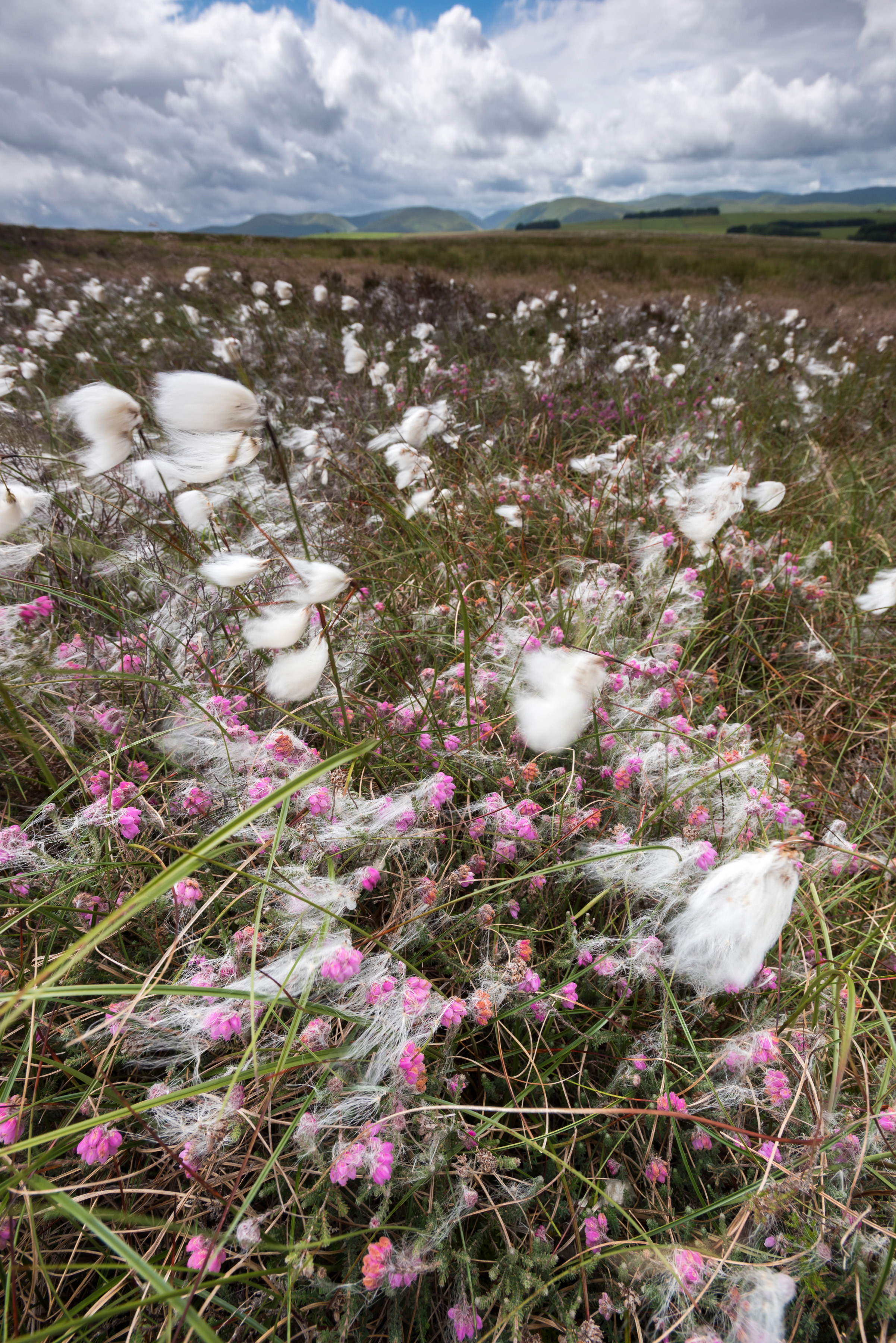
Blooming heather in Swaledale










Moorland
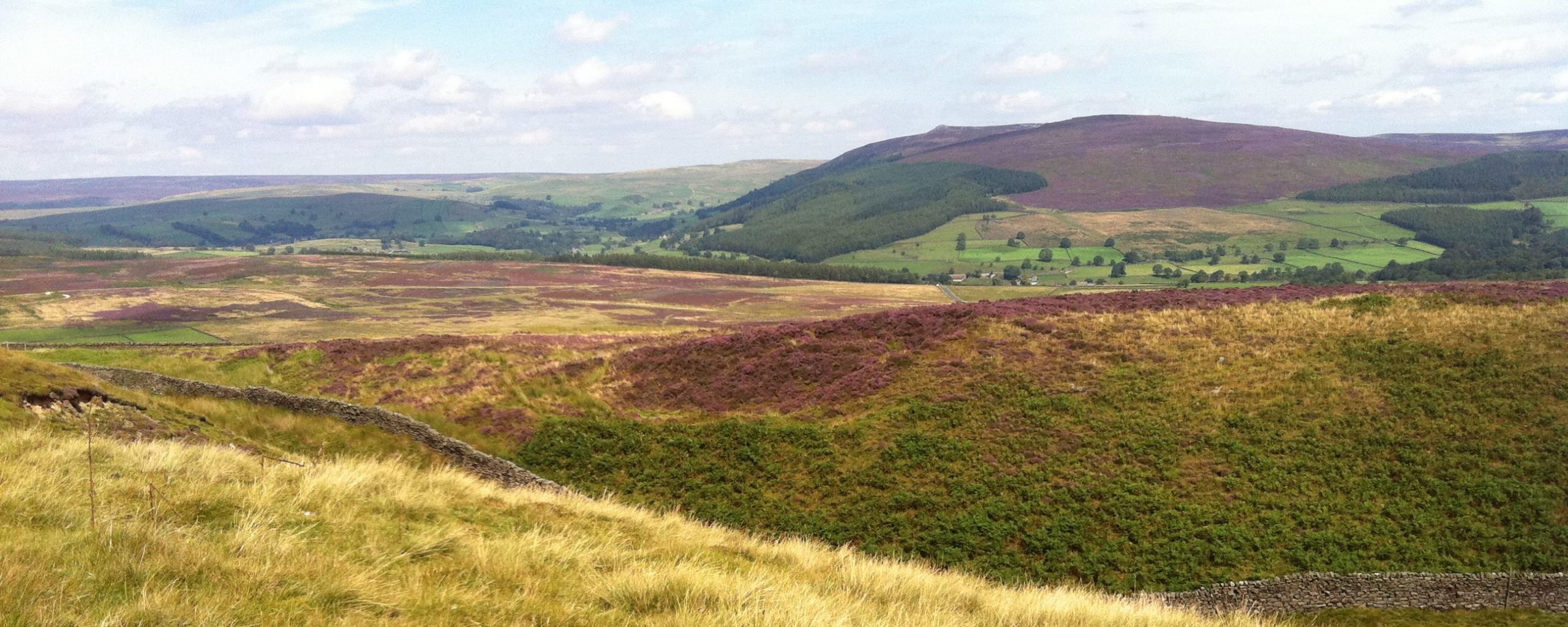
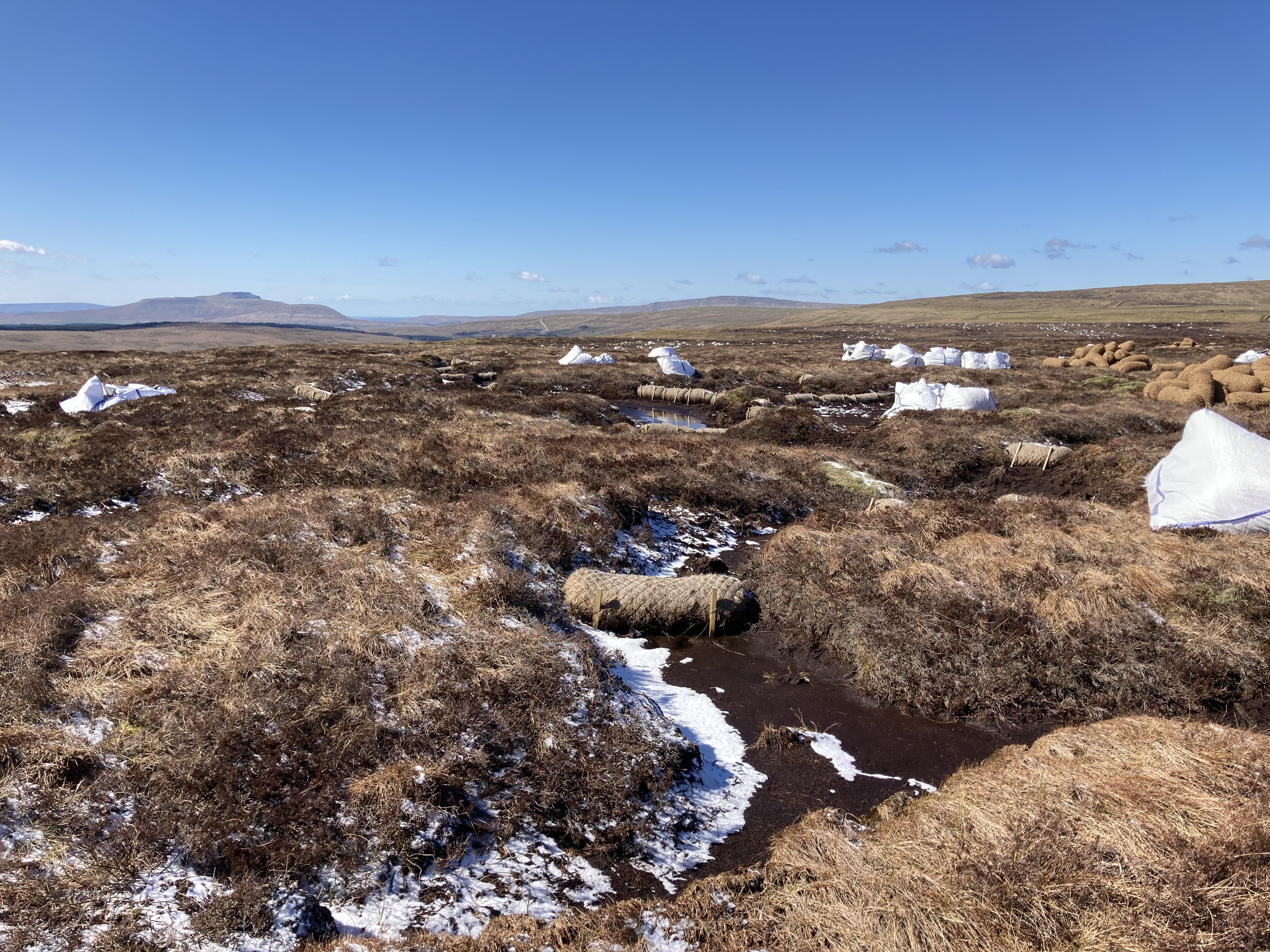
Our moorland stretches across vast areas of the Yorkshire Dales, creating open, sweeping landscapes full of life and character. These upland habitats are internationally important for wildlife and for the carbon they store in peat soils. Wild, exposed and ever-changing, our moorland plays a vital role in shaping the identity of the National Park.
The National Park Management Plan guides how the National Park is managed, cared for and developed.
National Park Management Plan
Across the moorlands
- Moorland covers large areas of the National Park uplands
- Explore open fells above the valleys for expansive views
- Found across areas such as Swaledale, Wensleydale and the northern Dales
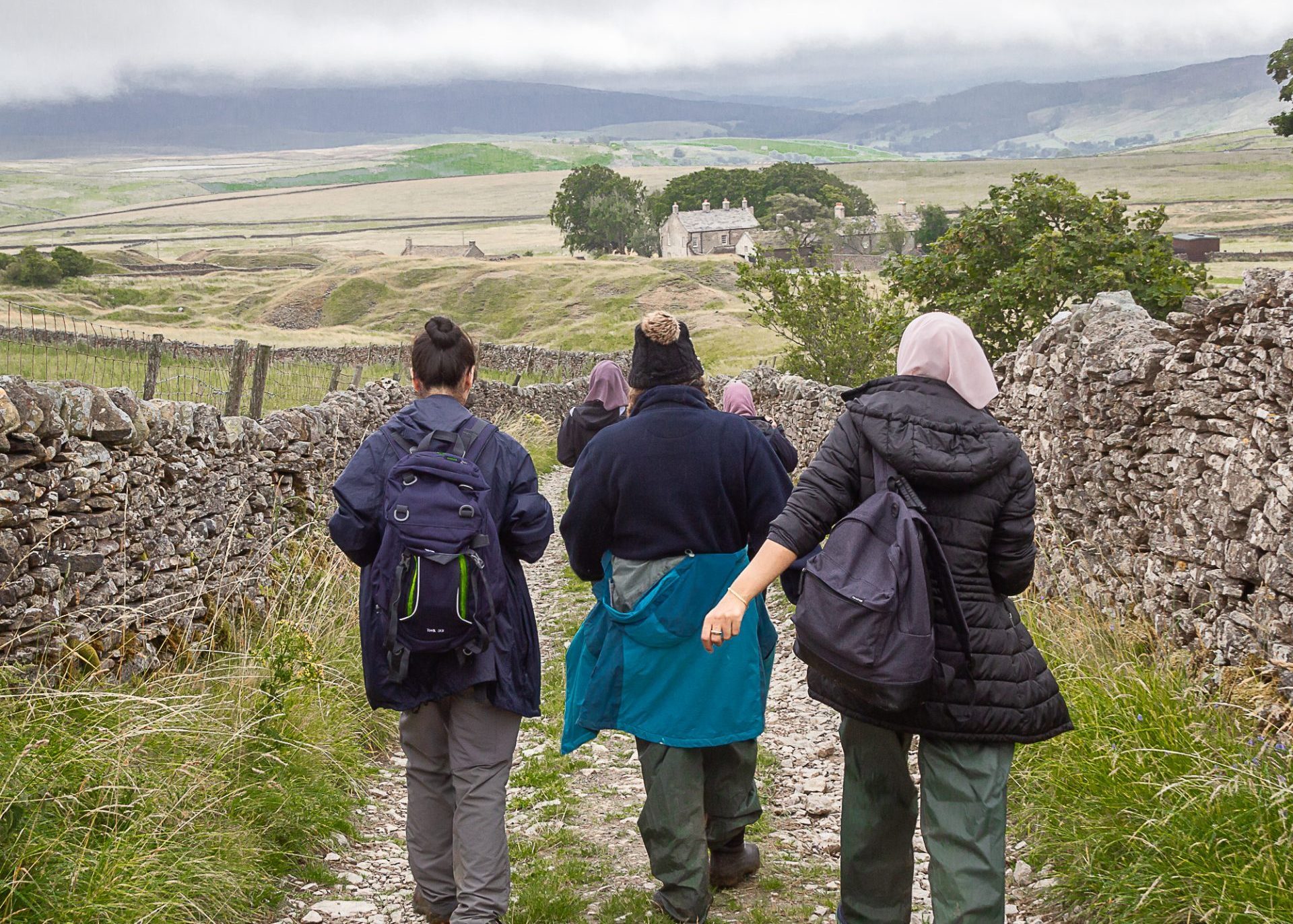
- Crossed by walking routes including long-distance trails
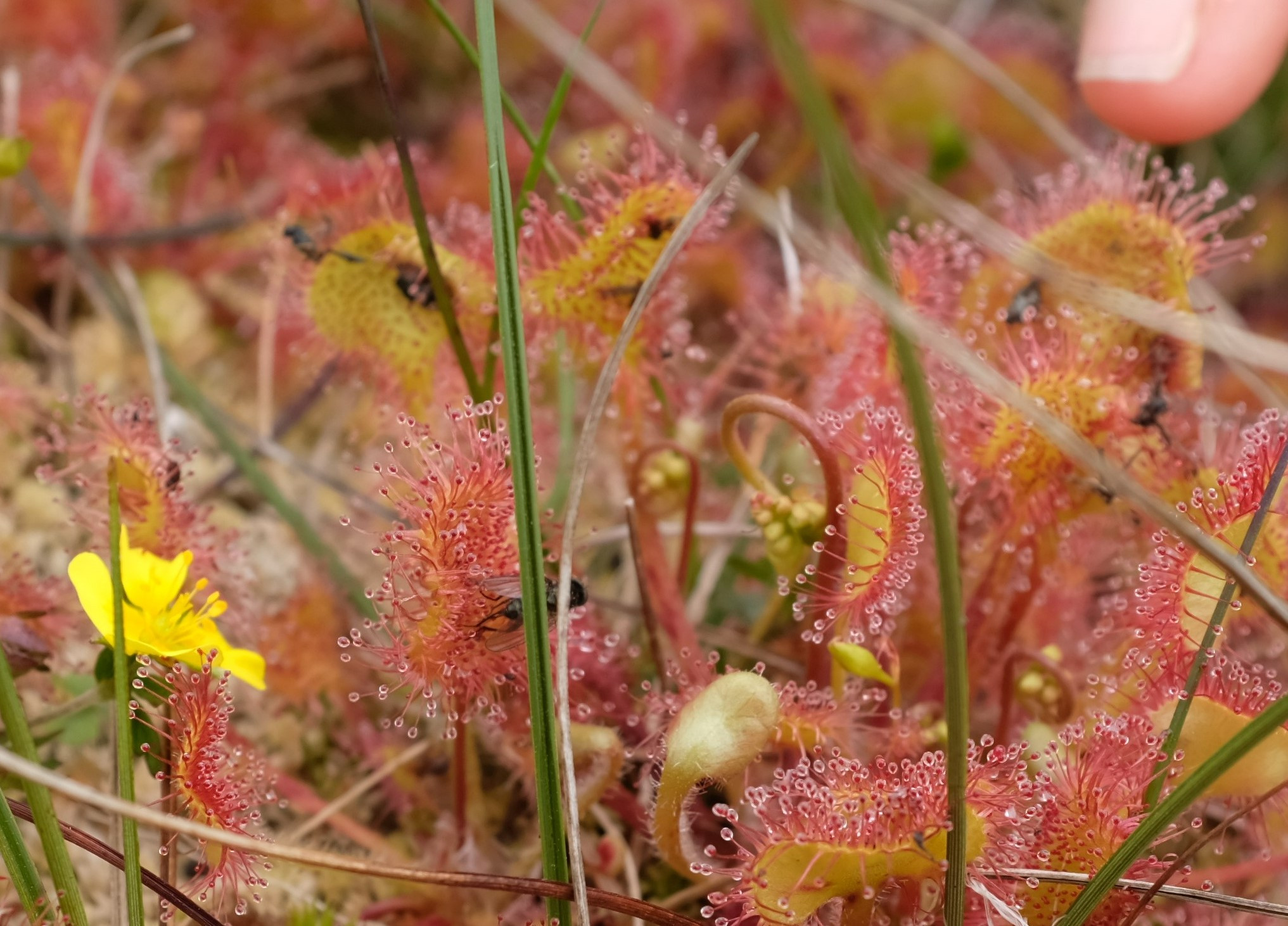
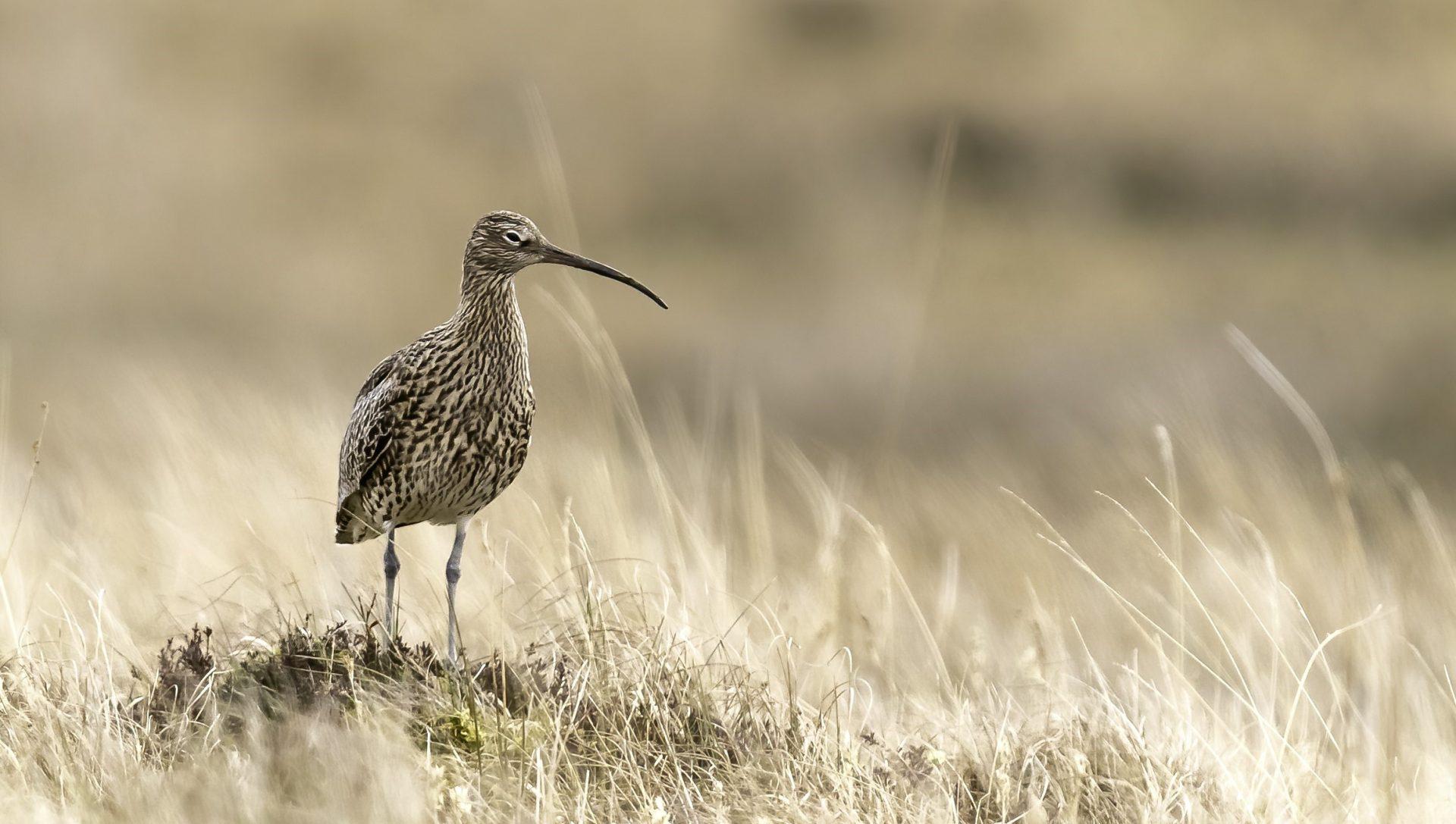
- Home to important bird populations and rare plant species
Help protect our moorland
- Never light fires, barbecues or camping stoves on moorland
- Take all litter home and leave no trace of your visit
- Keep dogs under close control, especially during the bird nesting season
- Stick to paths to help protect sensitive habitats
- Follow local guidance and help reduce the risk of wildfires in dry months
Related pages
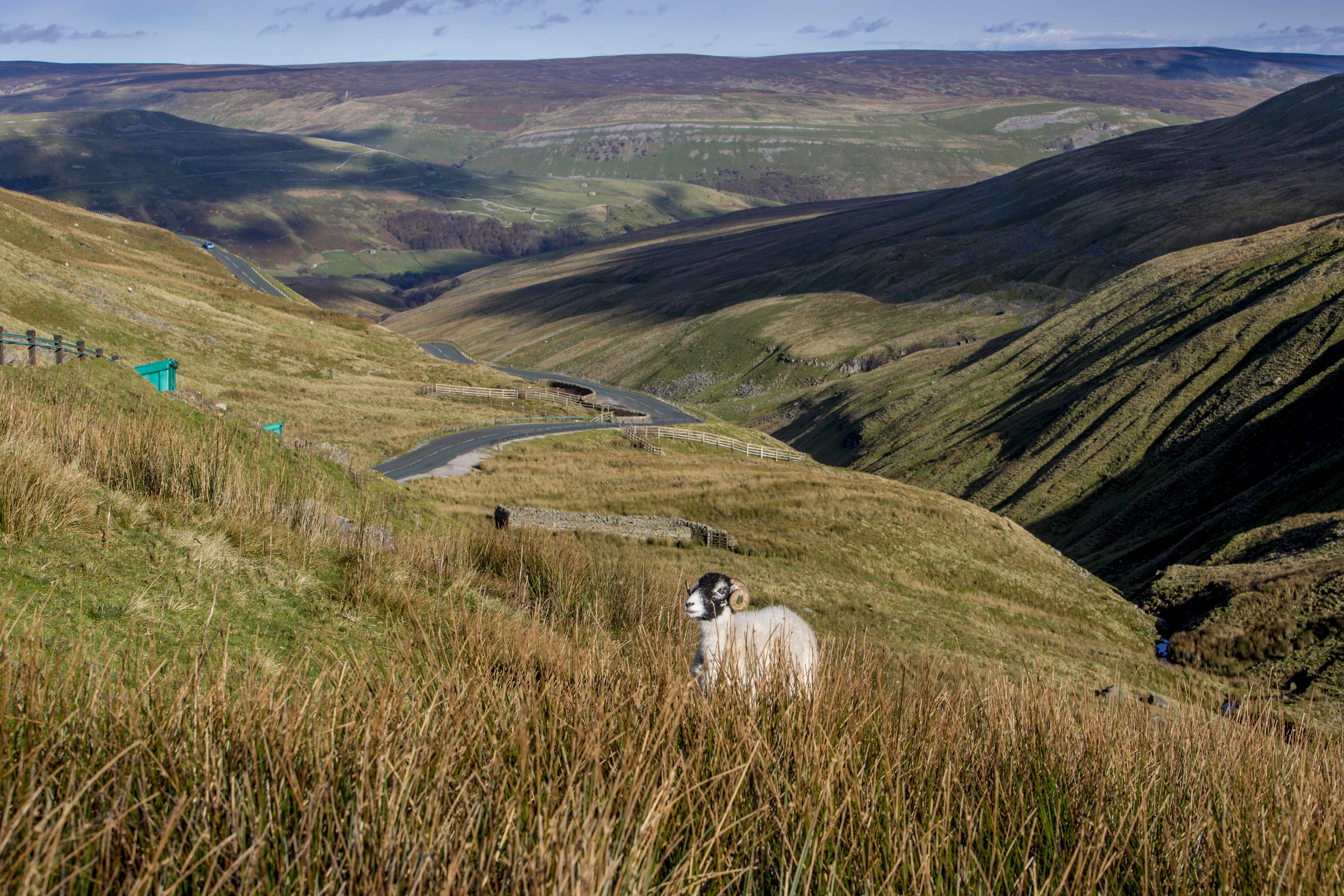
Discover the landscapes that shape the Yorkshire Dales, from limestone scenery and caves to waterfalls, moorland and dark skies.