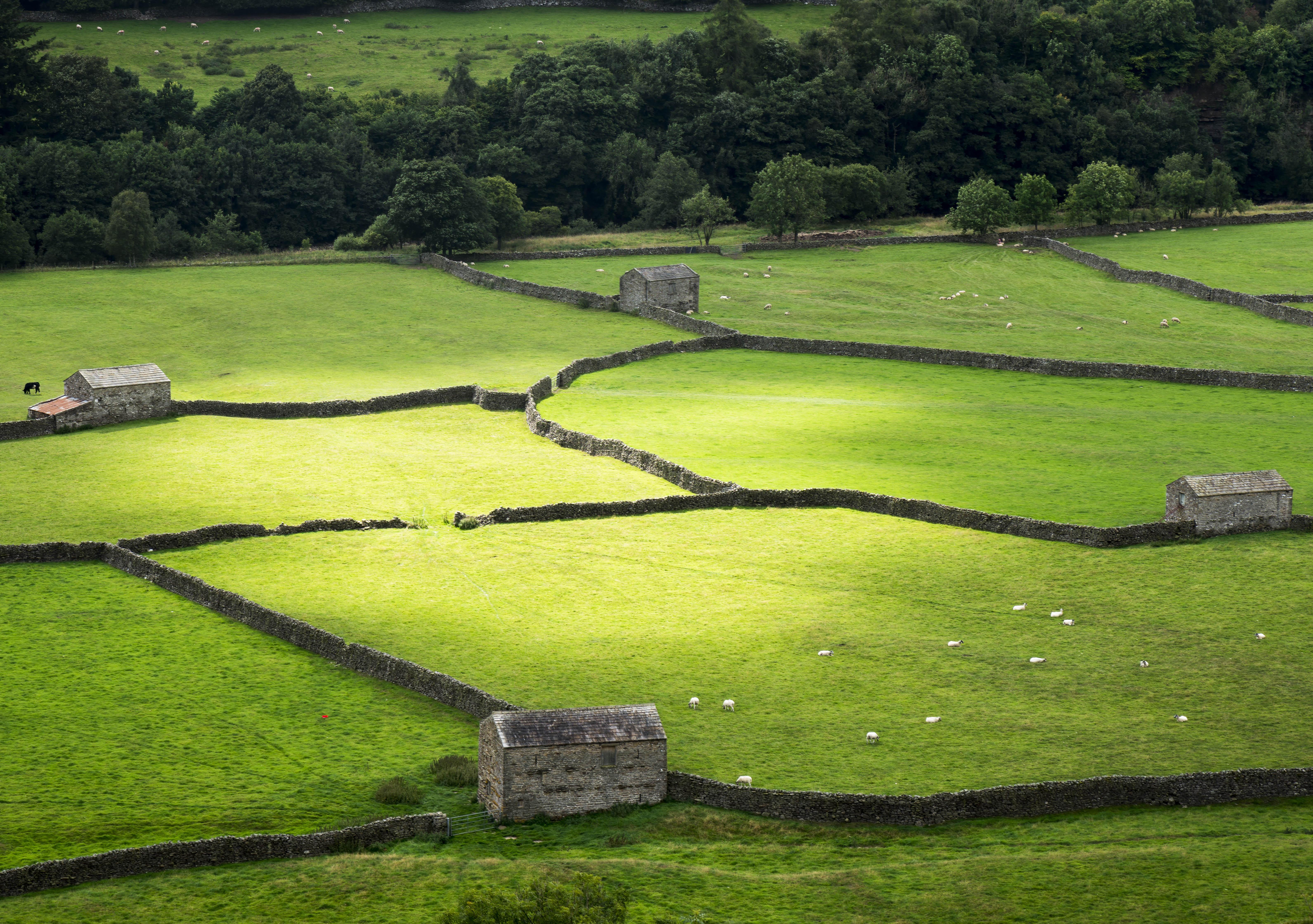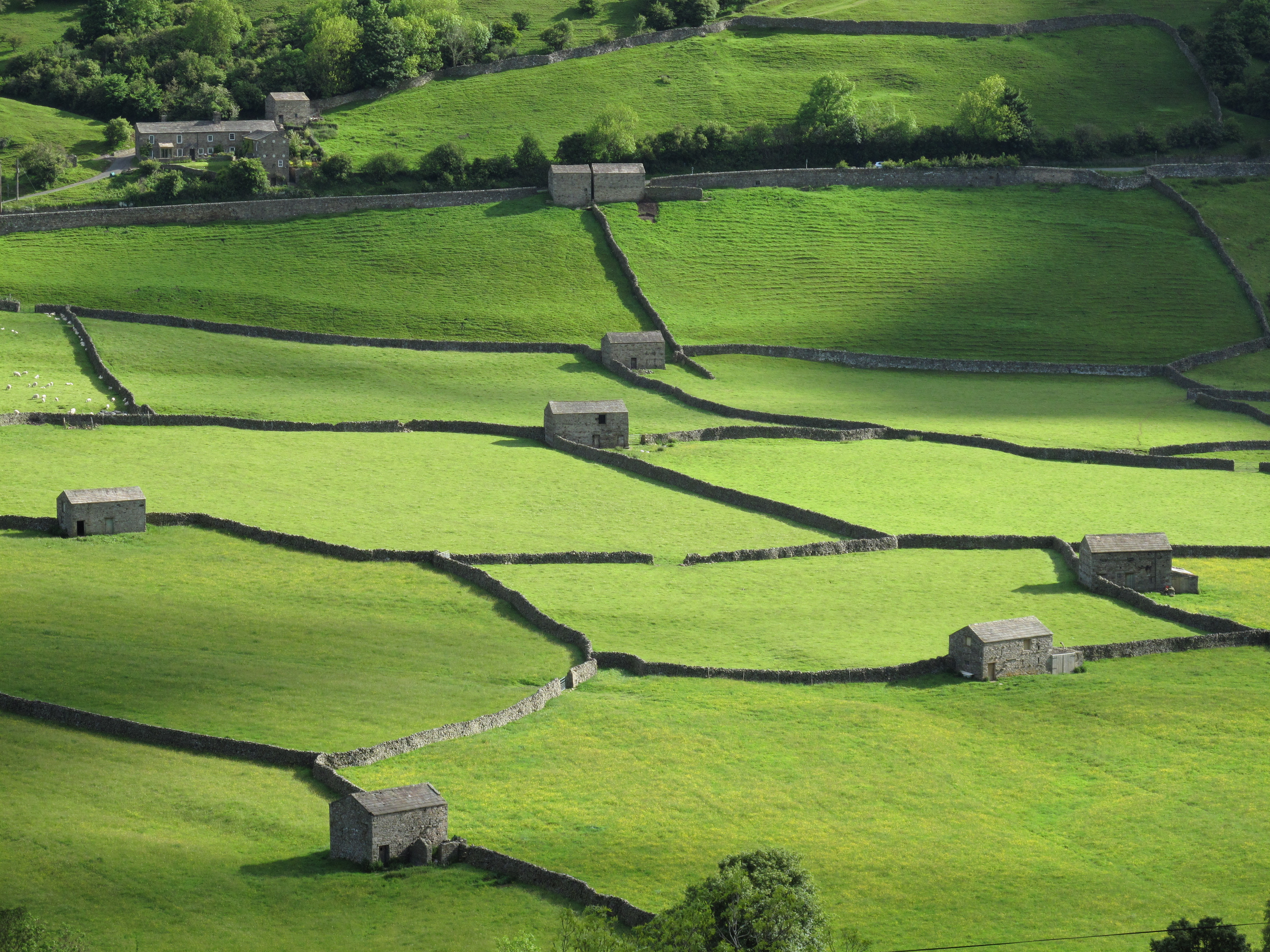
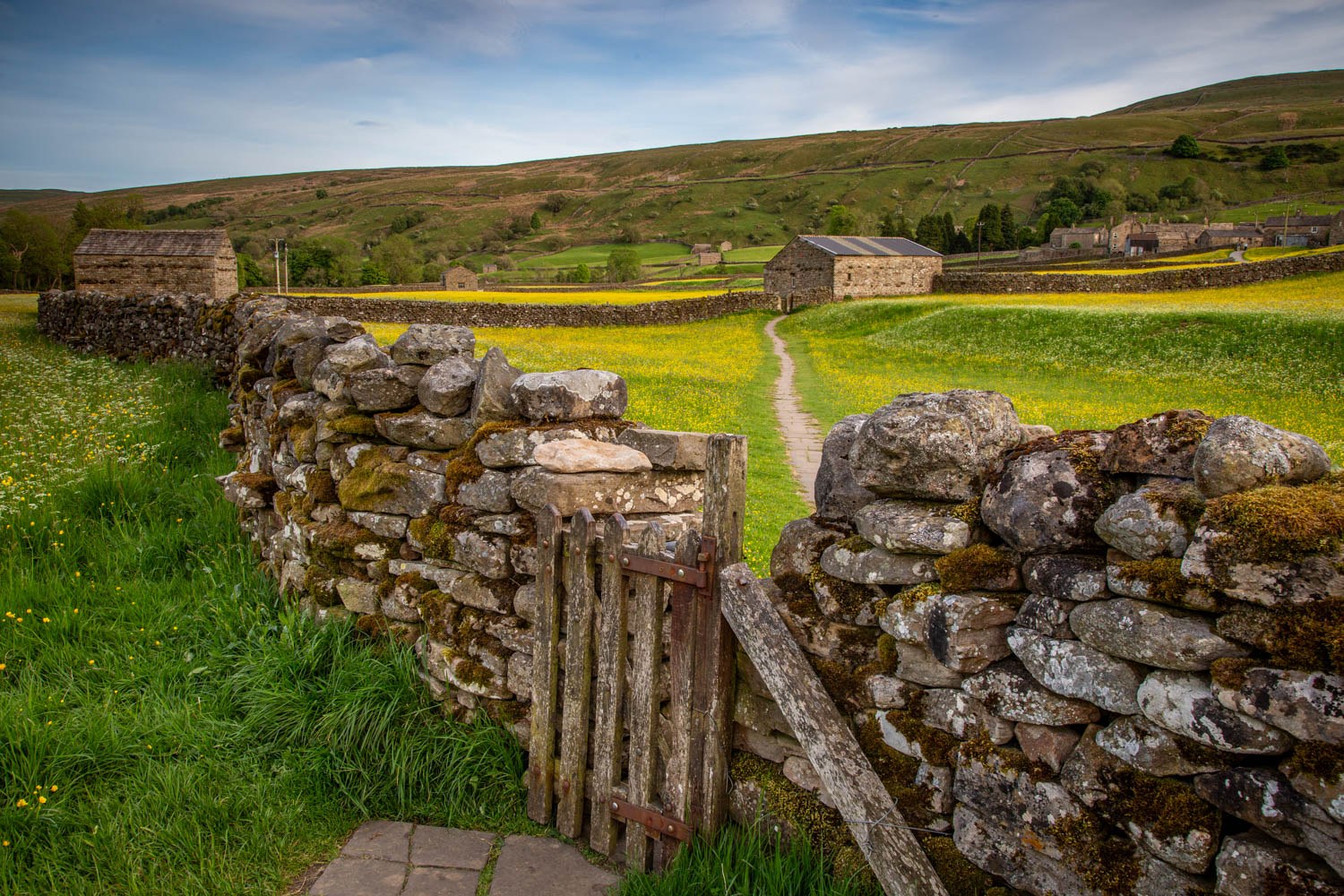
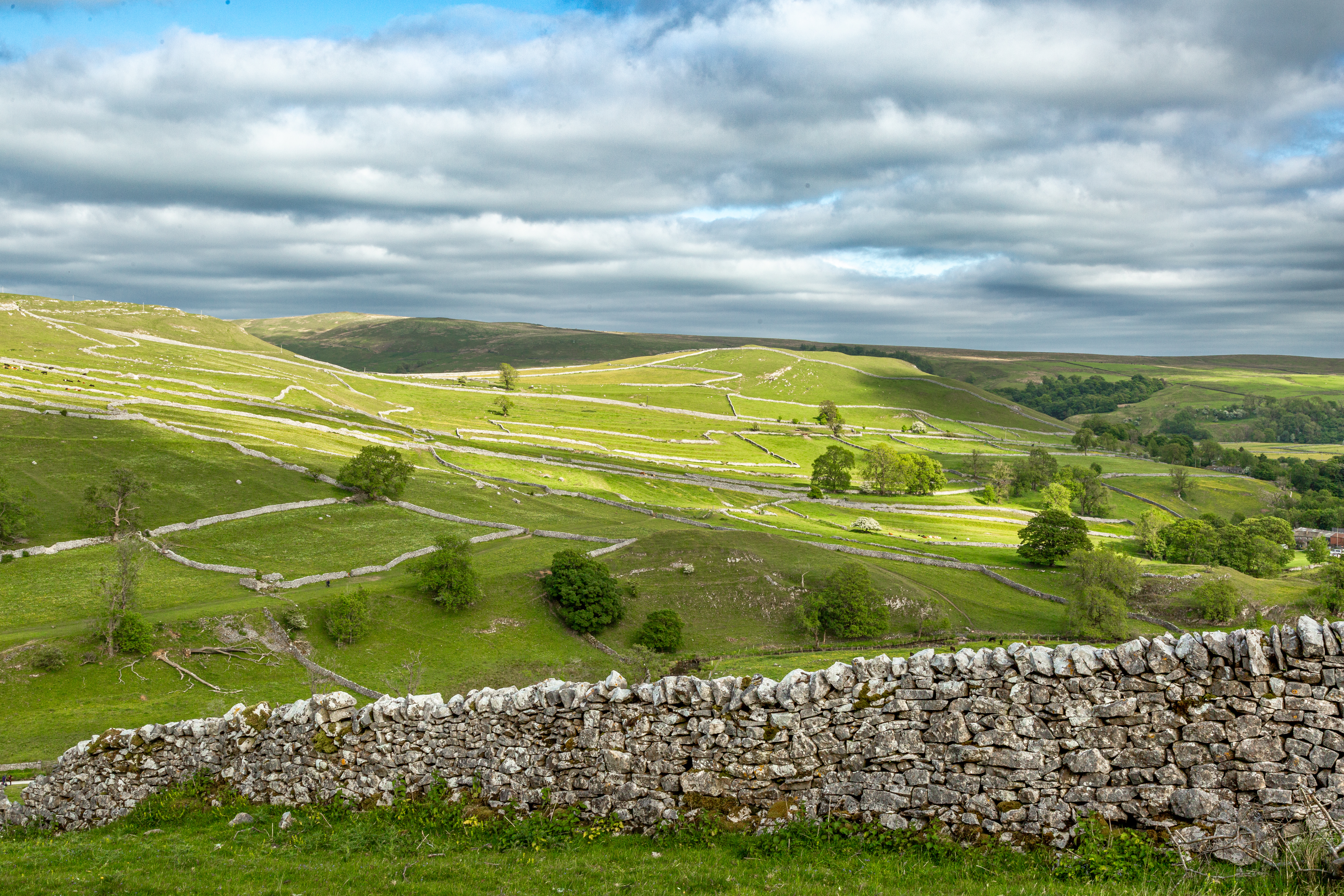
Gunnerside bottoms, Swaledale. Credit: Robert White










Drystone walls and field barns
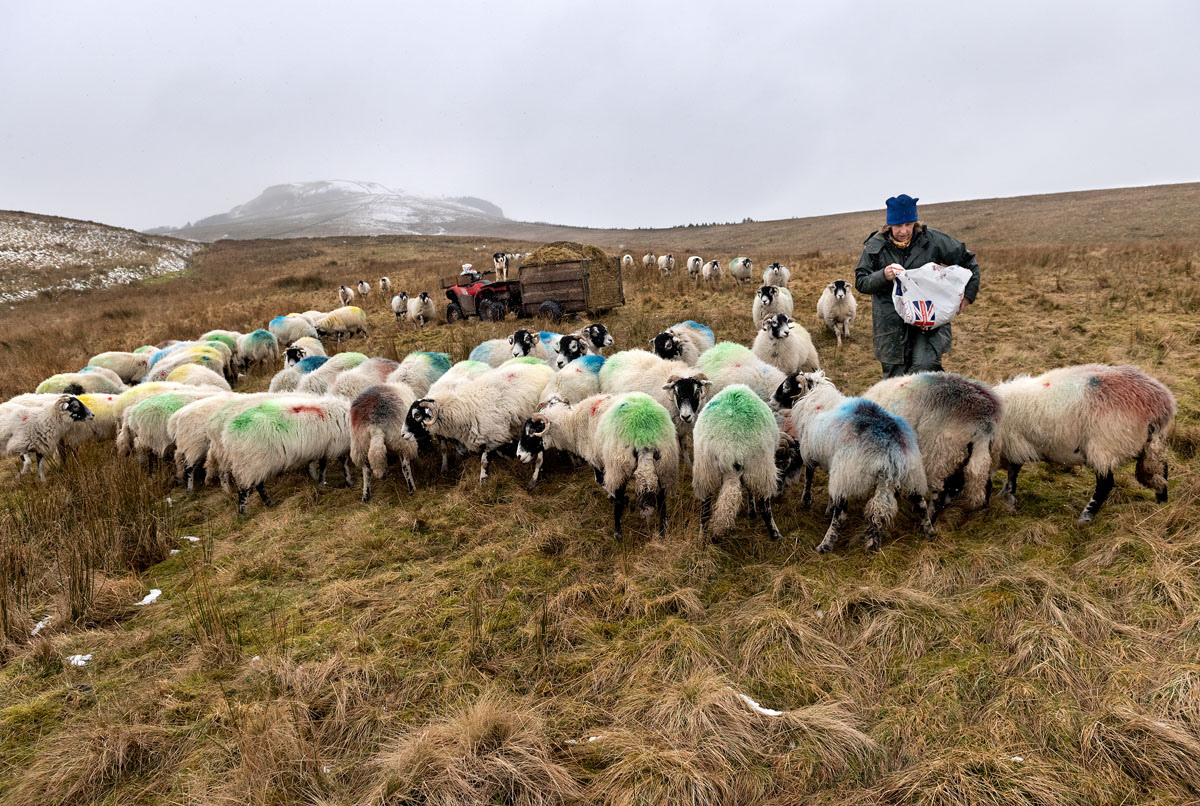
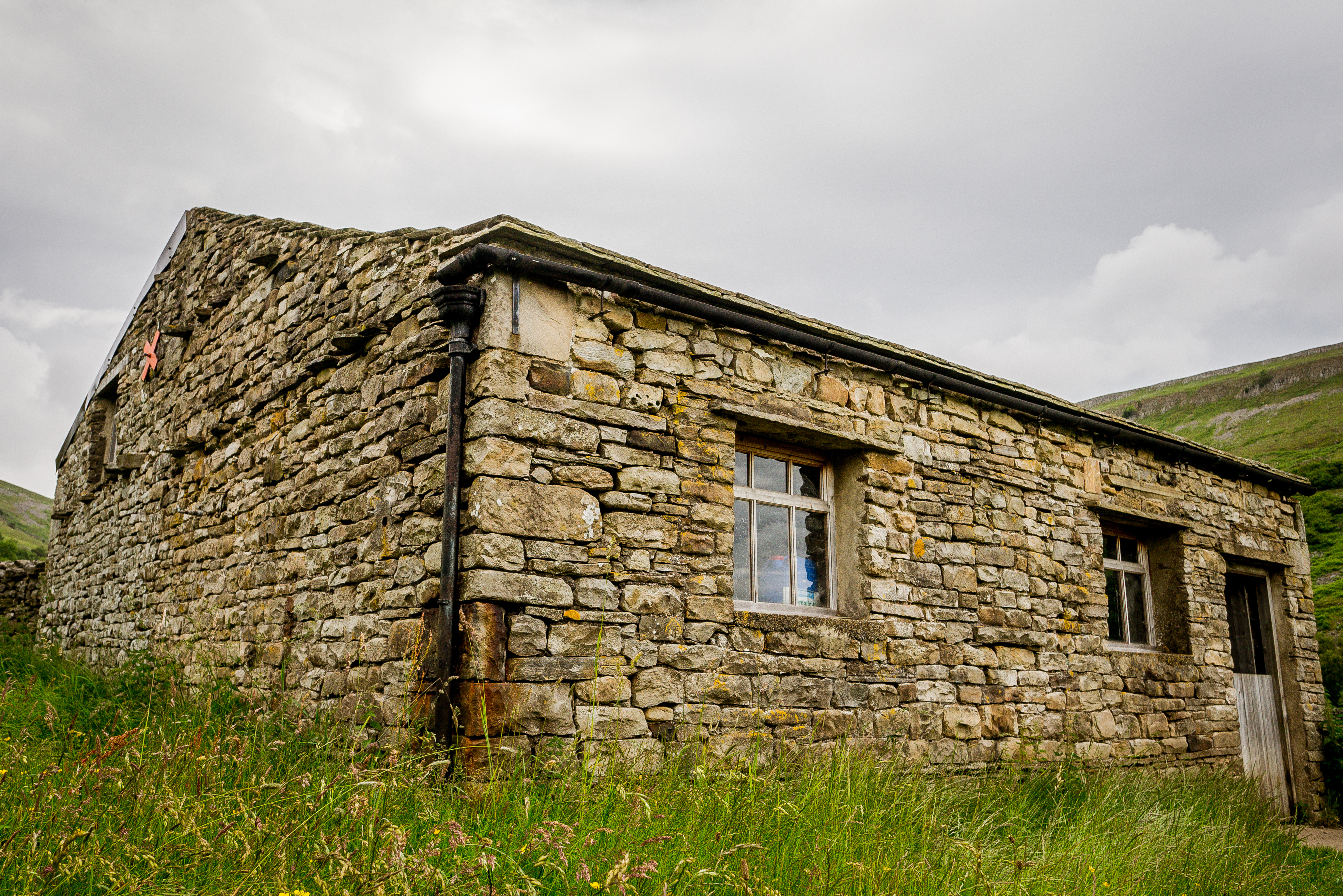
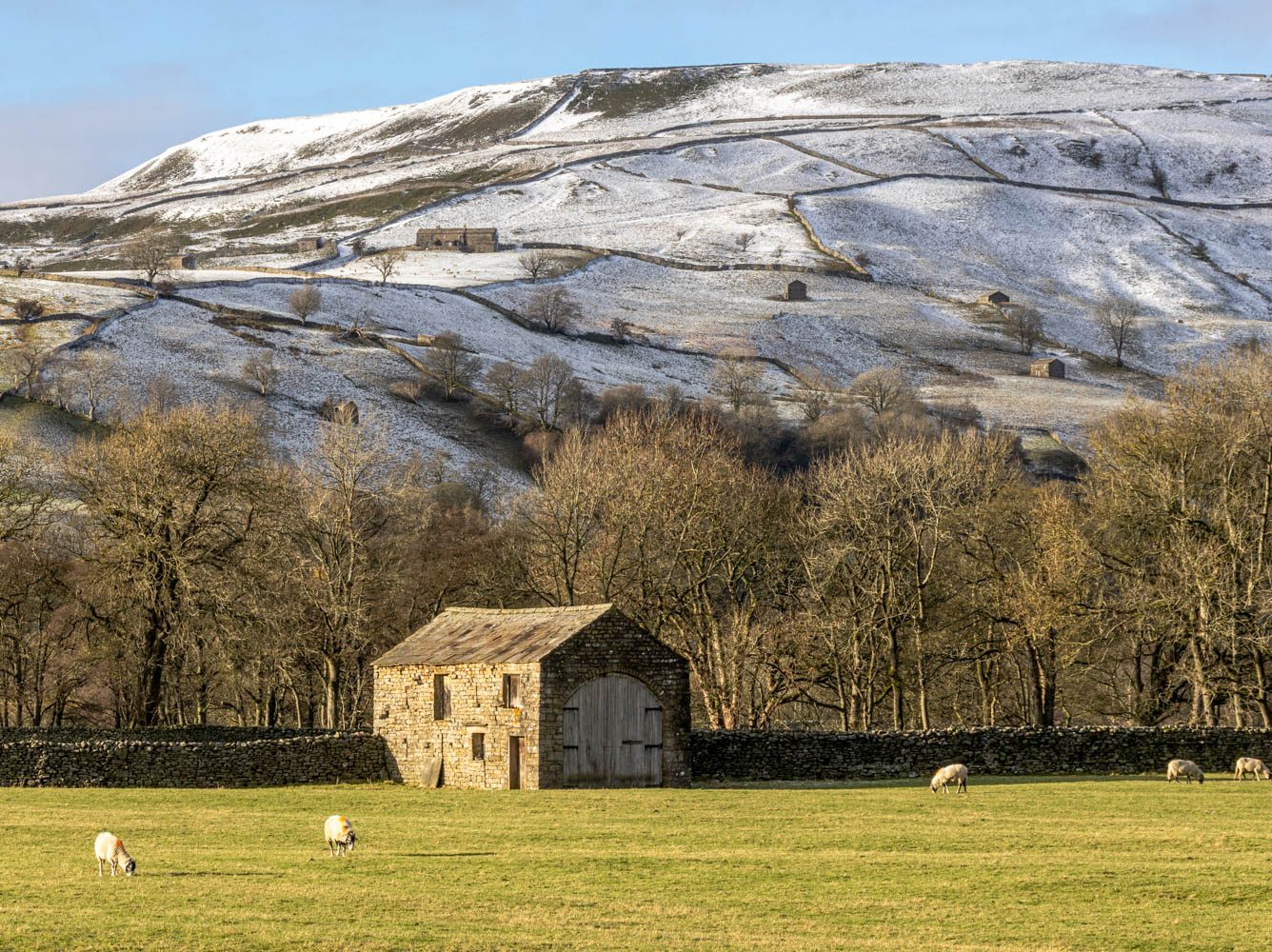
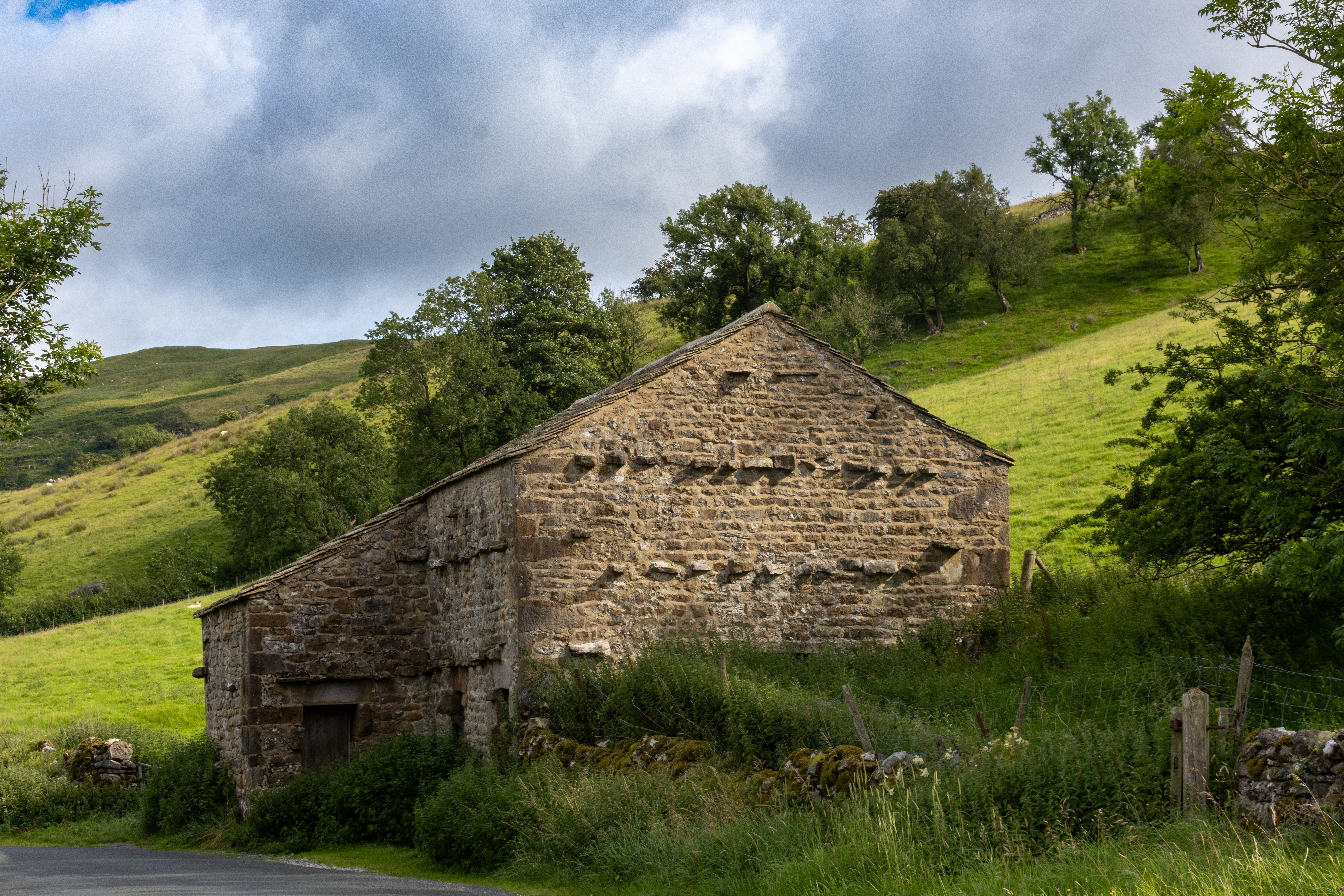
Drystone walls and field barns are iconic features of the Yorkshire Dales, shaping its distinctive landscape and telling the story of generations of farming. Built using local stone and traditional techniques, they create the patchwork of fields that defines the area, while field barns provided shelter for livestock and storage for hay in remote pastures. Ongoing conservation work aims to protect these landscapes, ensuring they remain in good condition.
These traditional features do more than define the scenery; they provide an important link to the Dales' cultural heritage and farming traditions. Stretching for thousands of miles across the landscape, drystone walls guide the eye across the fells and valleys, while field barns stand as enduring reminders of a way of life shaped by the land.
The National Park Management Plan guides how the National Park is managed, cared for and developed.
National Park Management Plan
Across the landscape
- Many walking routes pass through walled landscapes, offering close-up views.
- Upper Swaledale is famous for its dense pattern of walls and field barns, forming one of Western Europe's most distinctive farming landscapes.
- Arkengarthdale, Wharfedale and Wensleydale also have some of the highest concentrations of traditional stone-built field barns.
- Pen-y-ghent is a notable location where rare Nowell's Limestone Moss grows on some dry-stone walls.
Help us look after our Special Qualities
- Don't climb on, remove stones from or damage drystone walls.
- Leave gates as you find them and respect working farmland.
- Keep dogs under close control around livestock.
- Stick to marked paths to avoid damaging walls, field barns and surrounding habitats.
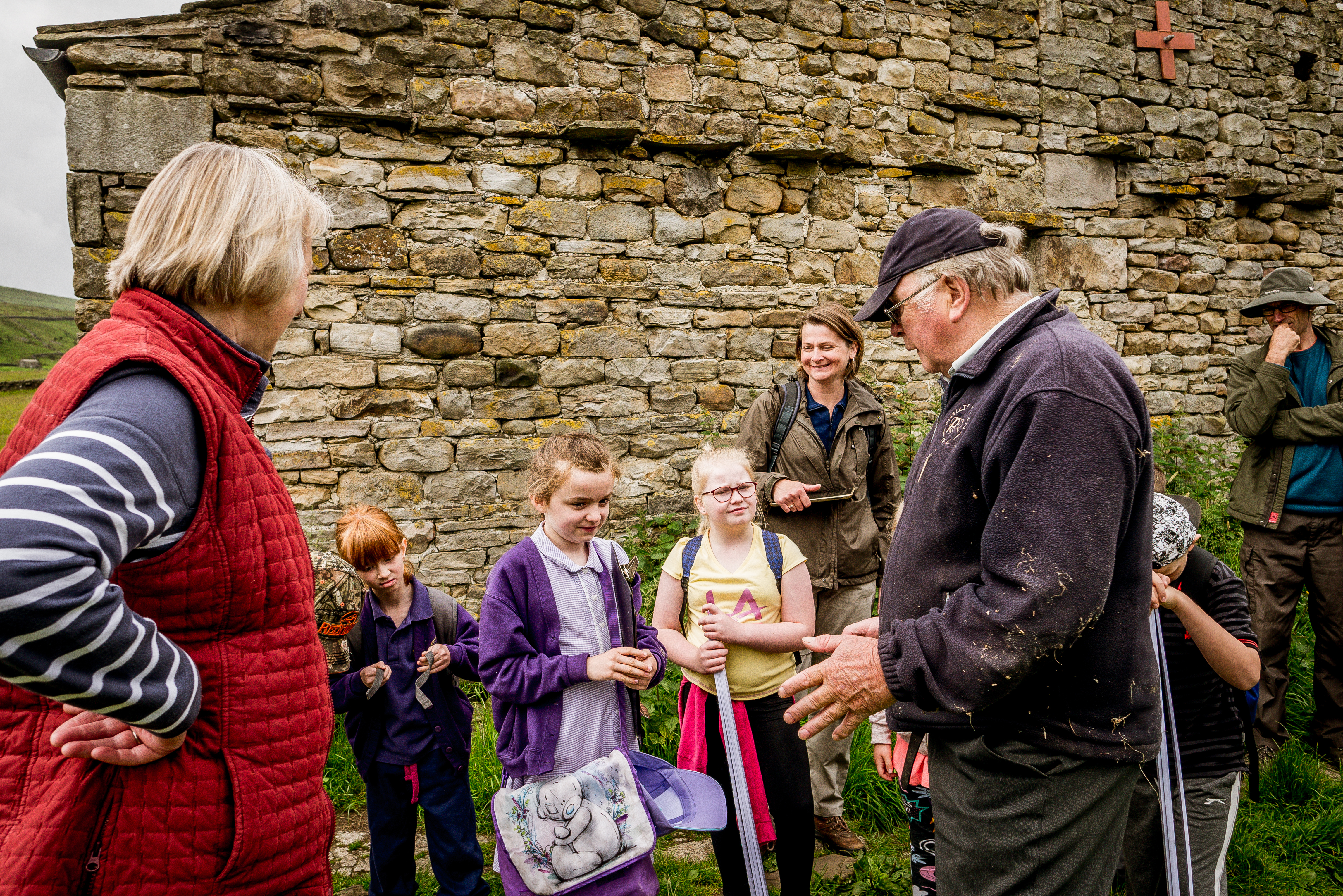
- Support traditional skills and conservation projects that help maintain the Dales' historic landscape.
Related pages
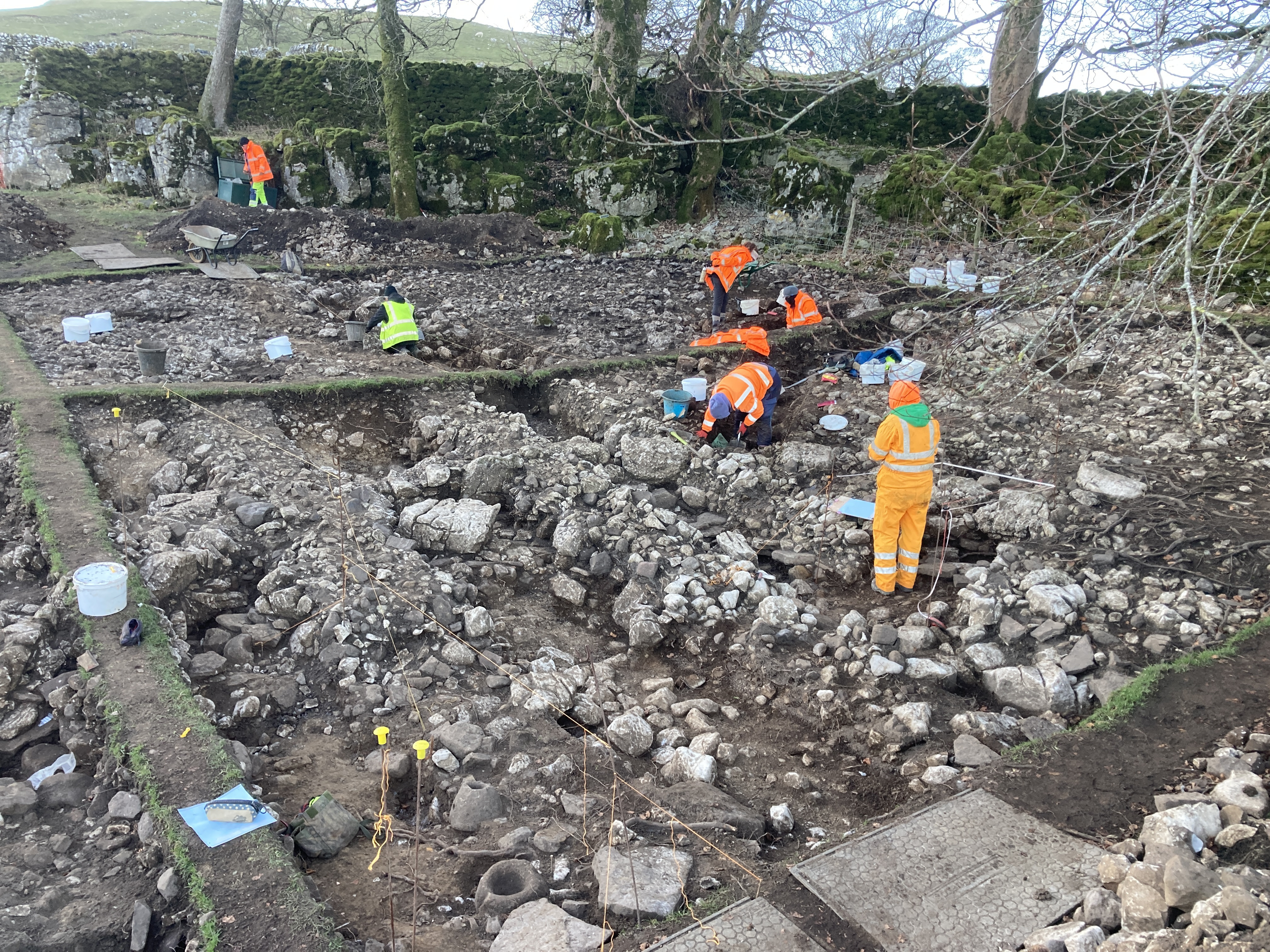
From prehistoric remains to historic buildings, discover the heritage of the Yorkshire Dales.