The Yorkshire Dales is a special place to explore, with spectacular landscapes, rich wildlife and a living farming community. By following the Countryside Code and a few simple guidelines, you can help protect what makes the National Park unique while enjoying a safe and rewarding visit.
The Countryside Code
The Countryside Code offers simple advice to help everyone enjoy the outdoors responsibly. Following the Code helps protect wildlife, support local communities and ensure the Yorkshire Dales remains a place that everyone can enjoy now and in the future.
Download the Countryside Code leaflet
-
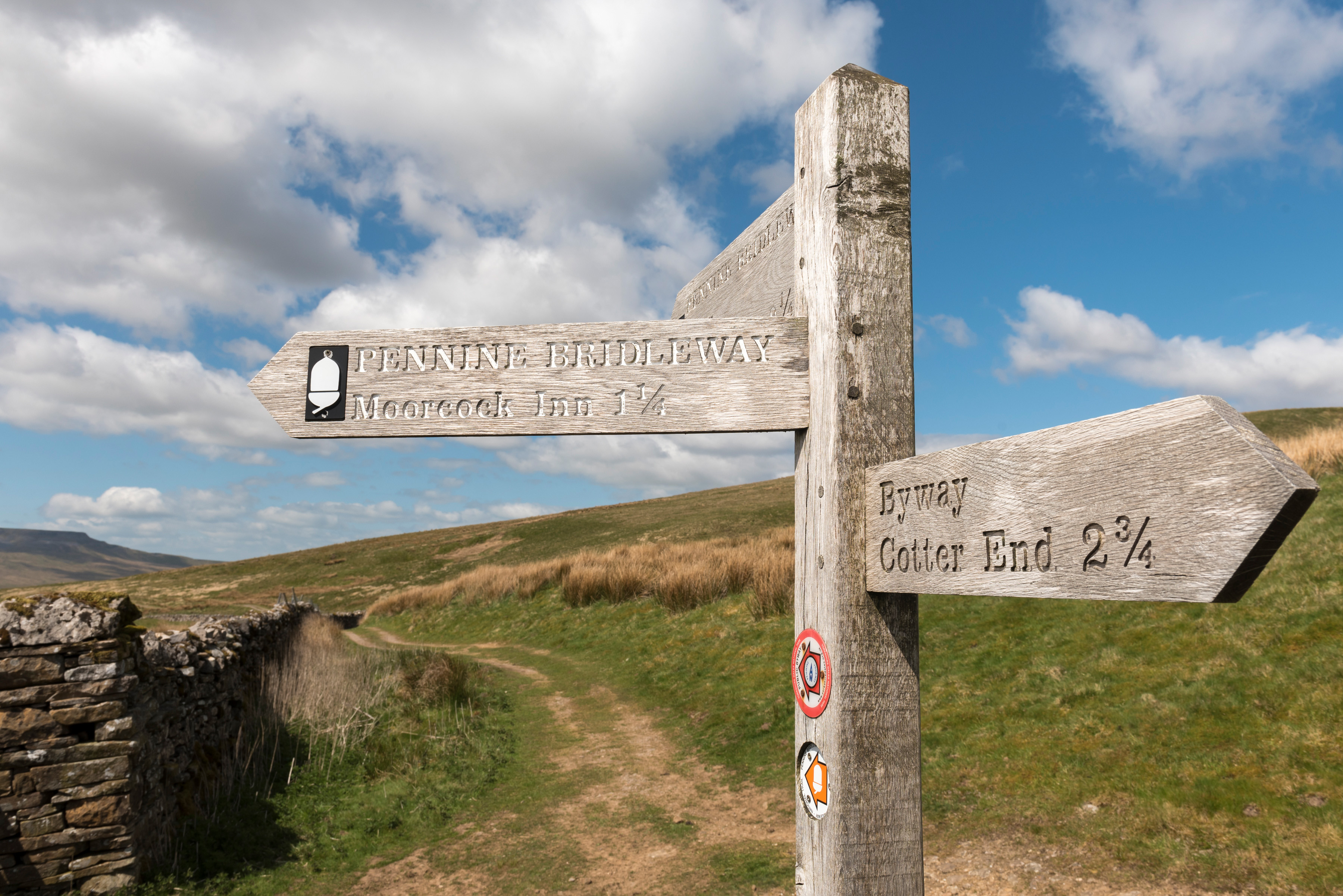
This document contains the Countryside Code, offering simple advice for enjoying parks, waterways, the coast and countryside. It explains how to respect other people, protect the environment and plan safe, enjoyable visits. It also describes different access routes, including footpaths, bridleways, byways, permissive paths, National Trails and open access areas.
Please be aware that this summary has been generated using AI
What does the Code say?
Respect other people
Keep the countryside welcoming for everyone.
- Consider the local community and other people enjoying the outdoors
- Leave gates and property as you find them and follow paths unless wider access is available
Protect the natural environment
Help care for the landscapes, wildlife and habitats that make the Yorkshire Dales special.
- Leave no trace of your visit and take your litter home
- Keep dogs under effective control
Enjoy the outdoors
Make the most of your visit by being prepared and following local guidance.
- Plan ahead and be prepared
- Follow advice and local signs
Our Ranger Code
The Yorkshire Dales is a working landscape, shaped by farming, wildlife and the people who live here. Conditions can change quickly, and you may encounter livestock, rivers, uneven ground and farm traffic during your visit.
Our Ranger Code provides practical advice to help you stay safe, respect the environment and enjoy your time in the National Park.
Vehicles
Whether you're arriving by car, bicycle or public transport, a little planning can help reduce your impact on the landscape and make your visit more enjoyable.
- Where possible, cycle, walk or use public transport to minimise your environmental impact.
- Park in designated car parks if you have to use a private vehicle.
- Lock and alarm your vehicle. Do not leave anything on display.
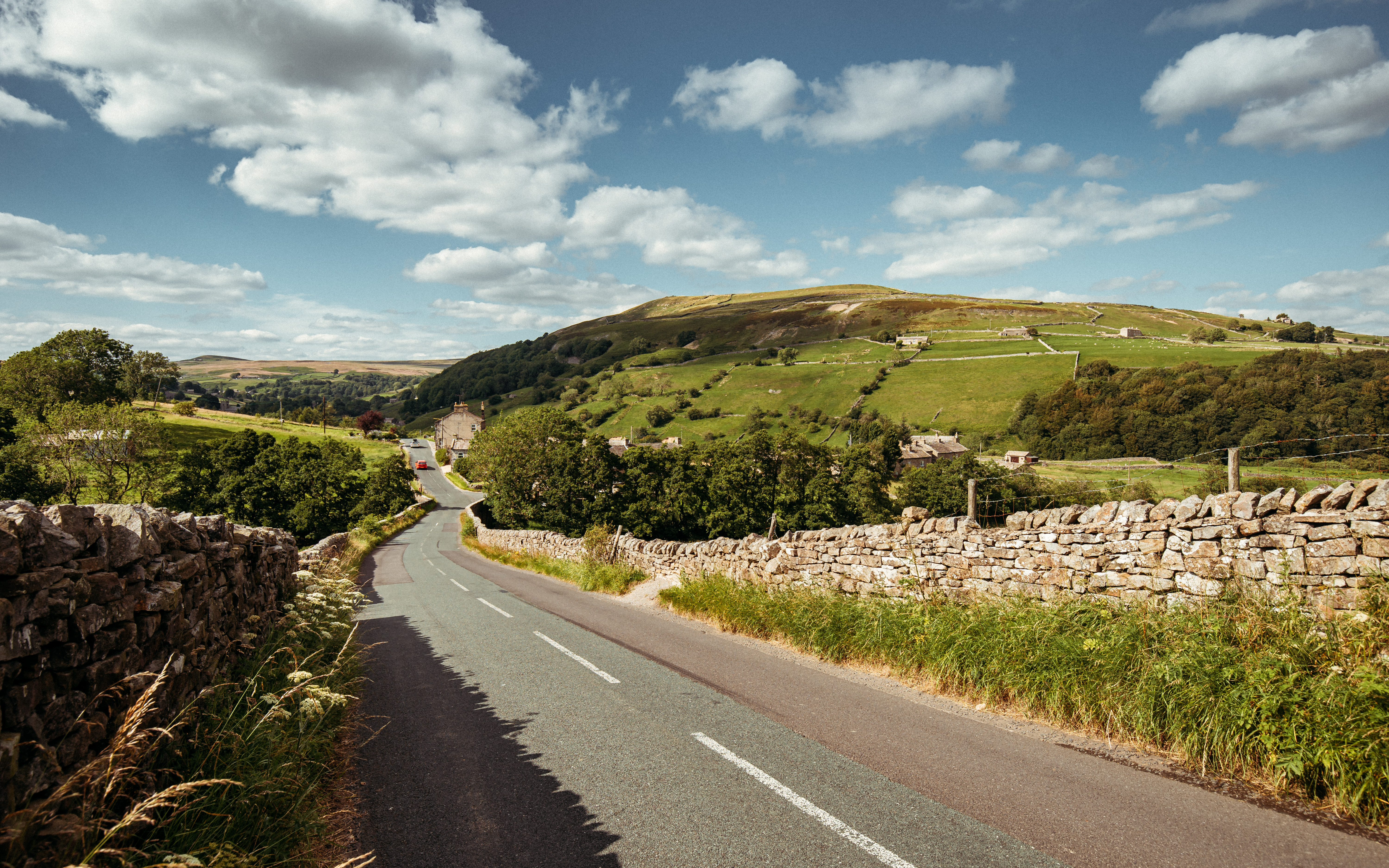
- Reduce your speed and drive carefully on Dales roads. Even if you know the roads well, there could be a herd of cattle around the corner.
Prepare and plan
Being prepared helps you stay safe and get the most from your time outdoors. The weather can change quickly, even on a short walk.
- Ensure you have the correct clothing and equipment.
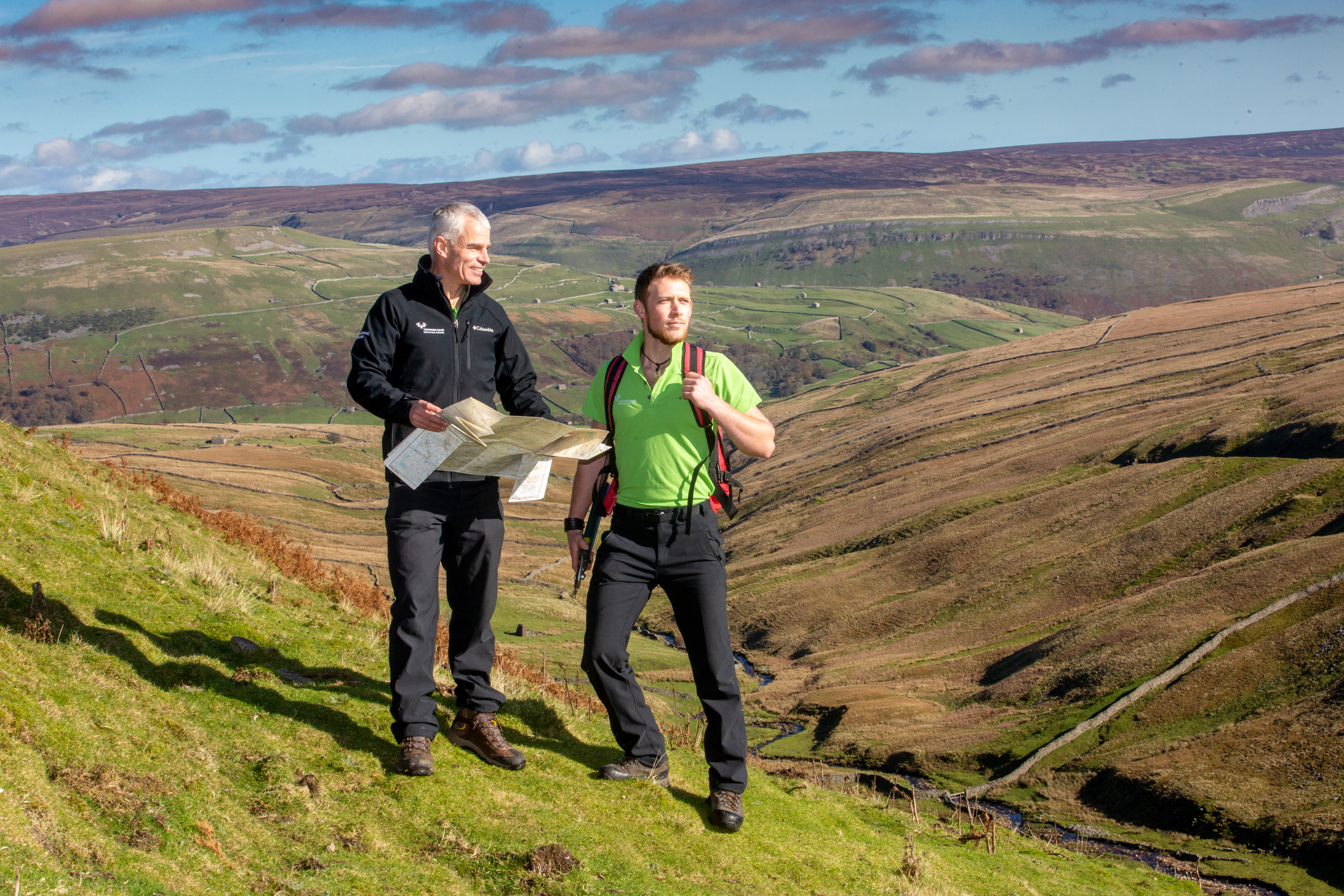
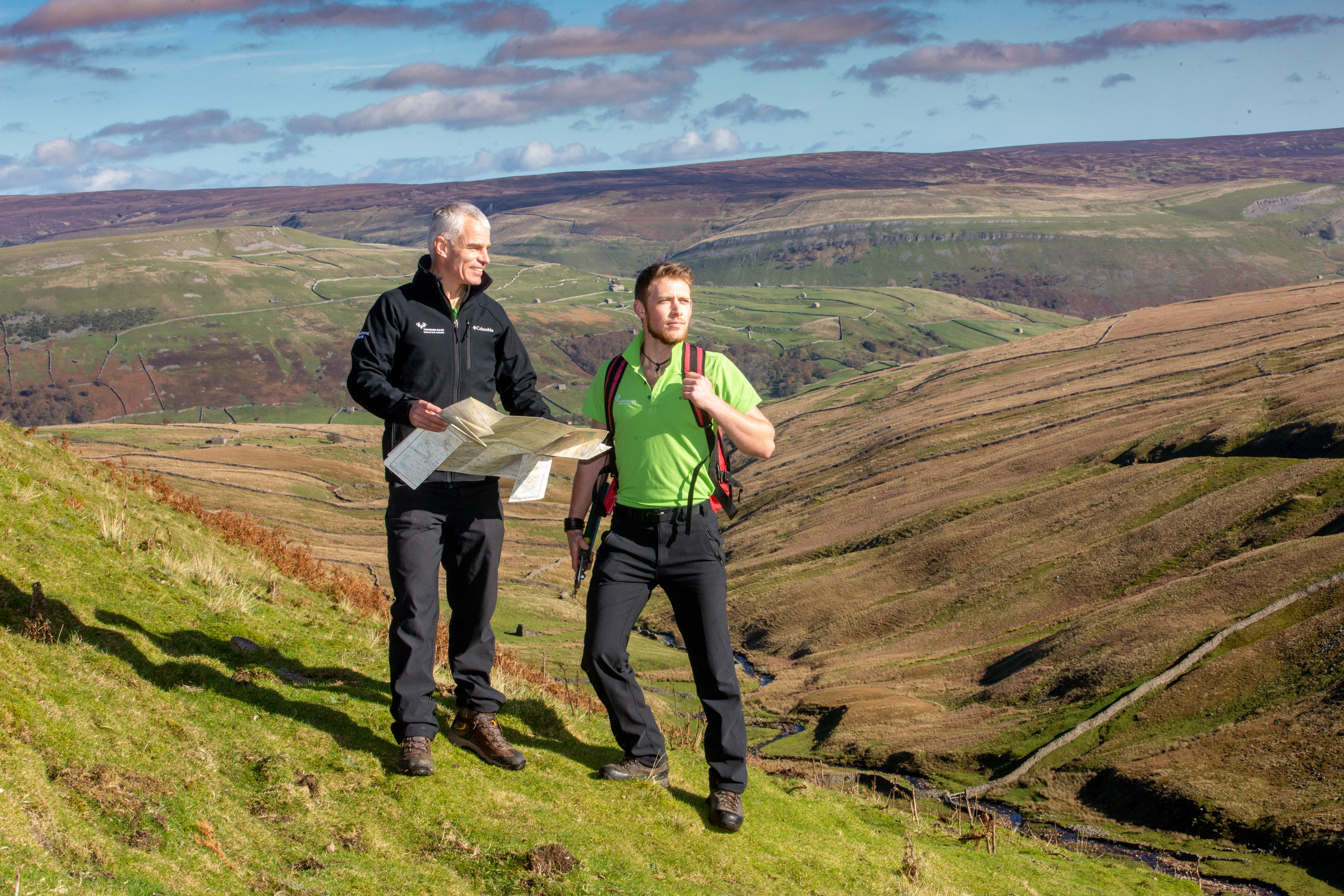
- Learn to use a map and keep to rights of way or access land.
The Environment
The Yorkshire Dales is valued for its tranquillity, wildlife and beautiful scenery. Small actions can make a big difference in helping to protect these special qualities.
- Enjoy and respect it.
- Keep noise down.
- Take only photos and memories. Leave nothing behind.
Rights of Way
Public rights of way provide access across much of the National Park. A little consideration for other users and the landscape helps keep these routes enjoyable for everyone.
- Cyclists and horse riders should not use footpaths.
- On bridleways, cyclists should always give way to horses and walkers.
- Prevent erosion – avoid spreading out on paths, particularly during winter or after wet weather.
- In hay meadows during late spring and early summer, avoid spreading out and trampling the grass. This is cut and used as winter feed for livestock.
Open Access
- Ensure you know your rights and responsibilities.
- Check any restrictions for you or your dog before you leave. Ensure you know when you must keep your dog on a lead of no more than two metres.
- Before you walk, plan your entry and exit points.
Dogs
- Dispose of dog waste responsibly. Bags of waste left in the open are unsightly, a health hazard and dangerous to stock and wildlife.
- Worm your dog regularly to prevent the spreading parasites and infections to people and animals such as ground nesting birds.
- Keep your dog under close control, preferably on a short lead at all times to avoid disturbance to wildlife or livestock.
Sheep and lambs
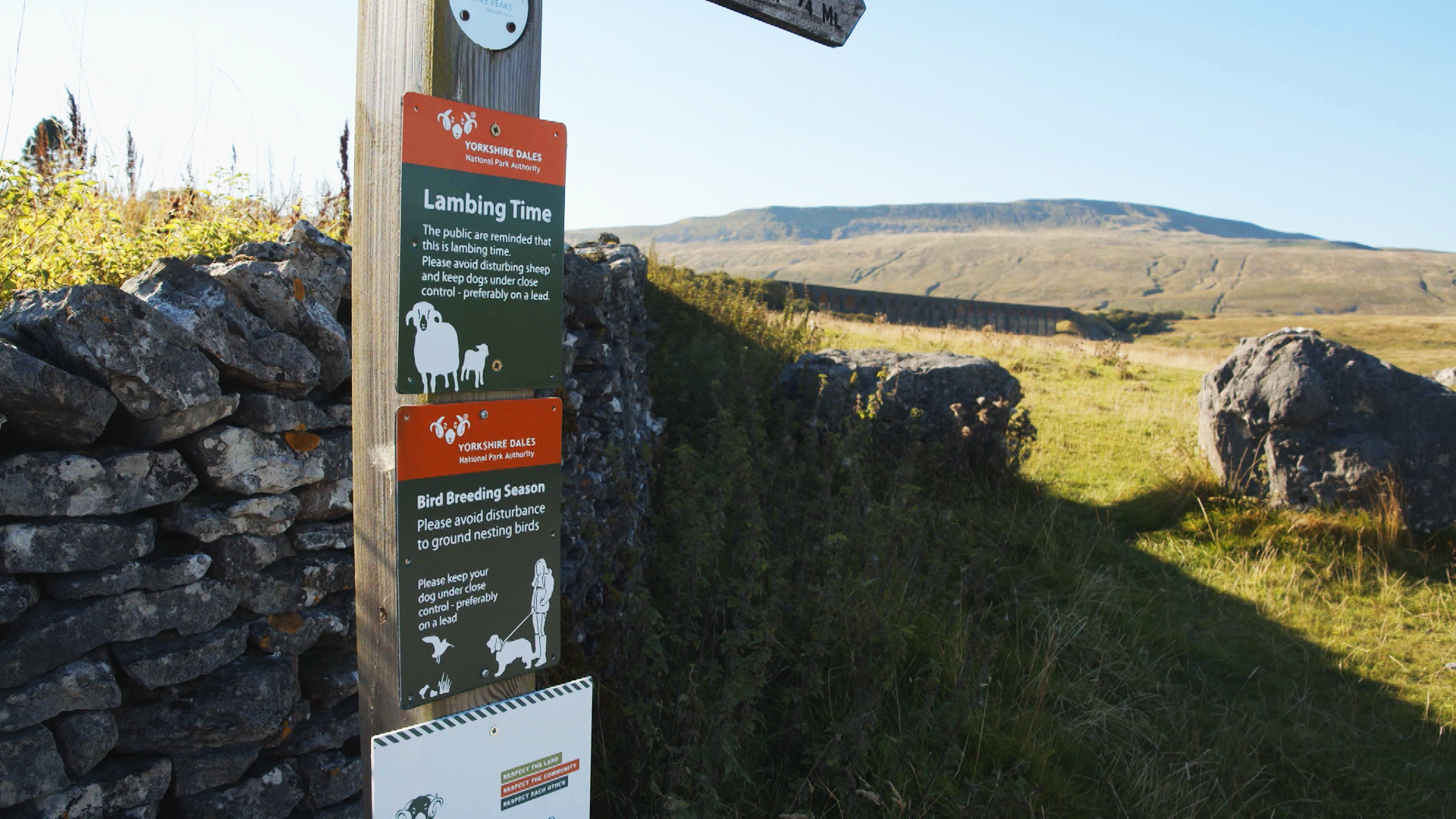
- Lambing time can run from January until June. Keep your dog under close control, preferably on a short lead. Even dogs on long leads can frighten sheep enough to miscarry or lose their lambs.
- Remember, a farmer is legally allowed to shoot any dog worrying livestock.
Cattle
- Cattle are naturally inquisitive. If they approach, walk slowly with your dog at heel.
- If you feel threatened, let go of your dog. It can run faster than cattle and escape. Once you are safe, regain control of your dog.
- Always walk round cows with calves. Walking between them can be seen as a threat.
- If in doubt do not enter the field.
Wildlife
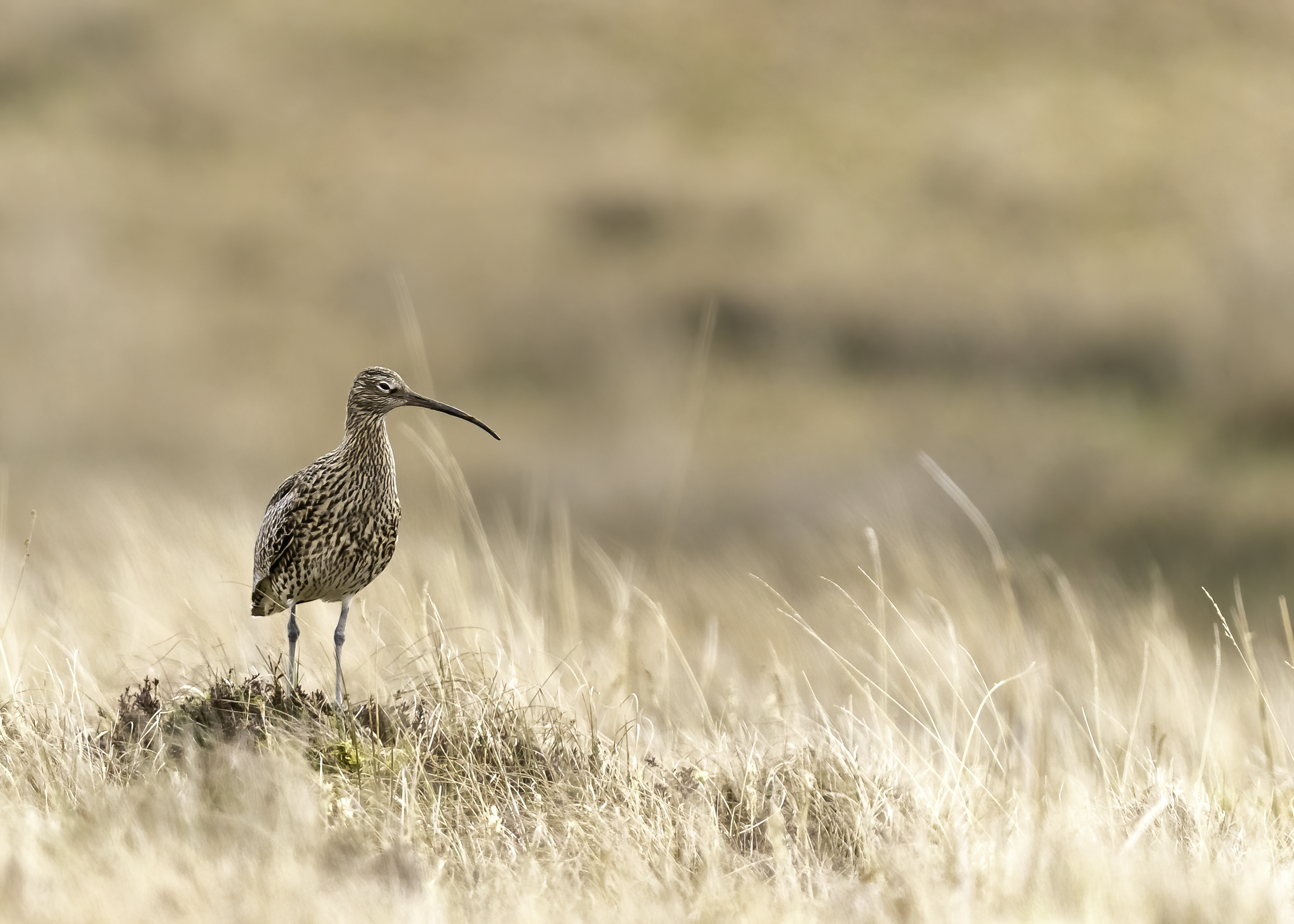
- Keep your dog under close control during the bird breeding season (1 March until 31 July), preferably on a short lead.
- When disturbed, ground nesting birds leave their eggs and chicks unprotected and exposed to the elements.
- If you or your dog does disturb any wildlife, leave the area quickly so that parents may return to their young.