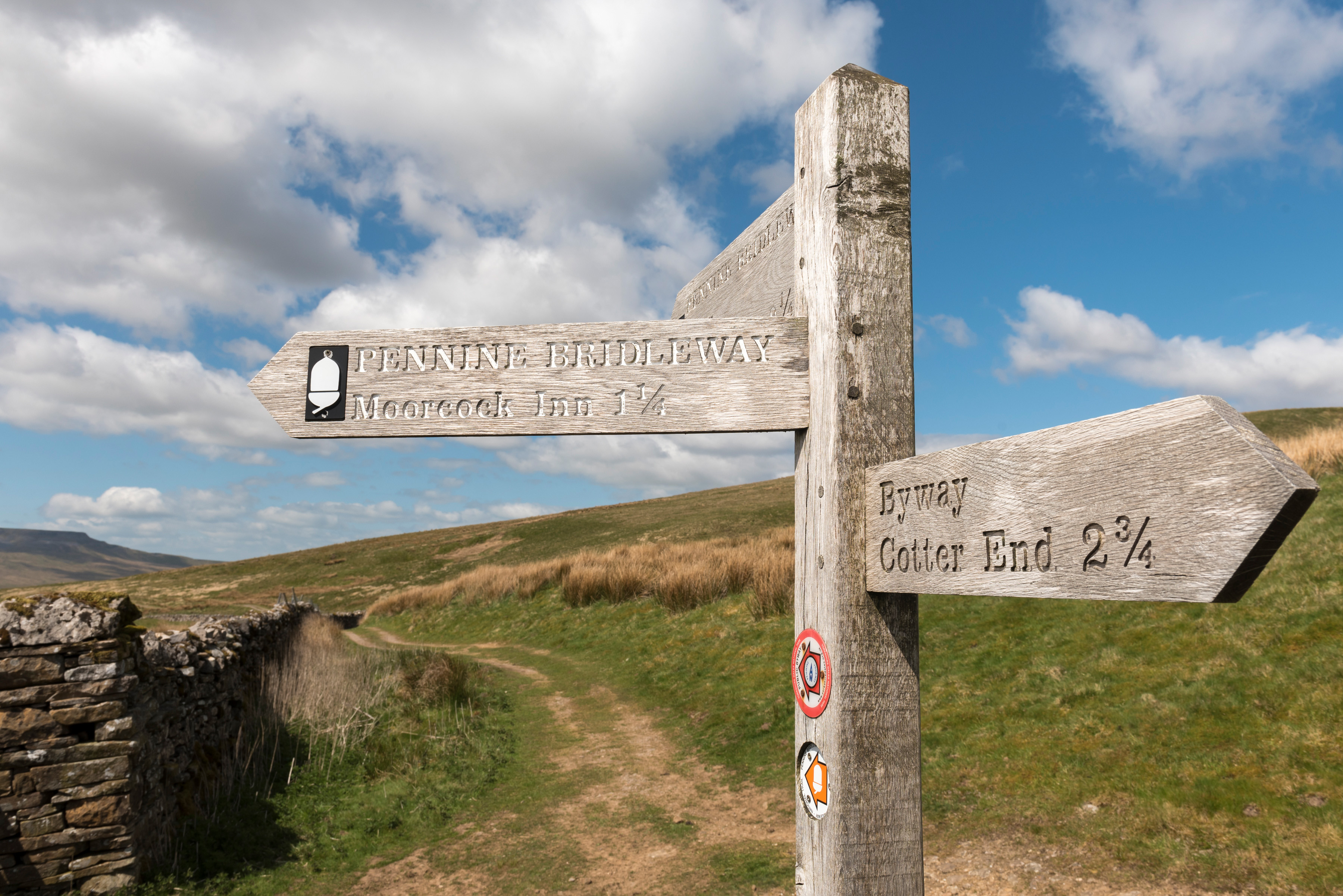
The Yorkshire Dales is rich in archaeological remains and historic artefacts that help tell the story of the landscape and the people who have lived here over thousands of years.
If you are interested in metal detecting, it is important to understand the permissions and legal responsibilities involved, as well as how to report significant finds. This guidance explains what you need to know to enjoy the hobby responsibly while helping to protect the National Park's heritage.
Where you can go
There are some important factors to bear in mind in deciding where to go:
- Landowner permission is essential, and you may also need to liaise with tenant farmers.
- Metal detecting is illegal on protected sites such as Scheduled Monuments without consent from Historic England. This is highly unlikely, unless it is part of a wider consented archaeological investigation.
- On land that is under agri-environment agreements, detecting must be away from known archaeological features. The farmer should check their agreement, otherwise they could be in breach.
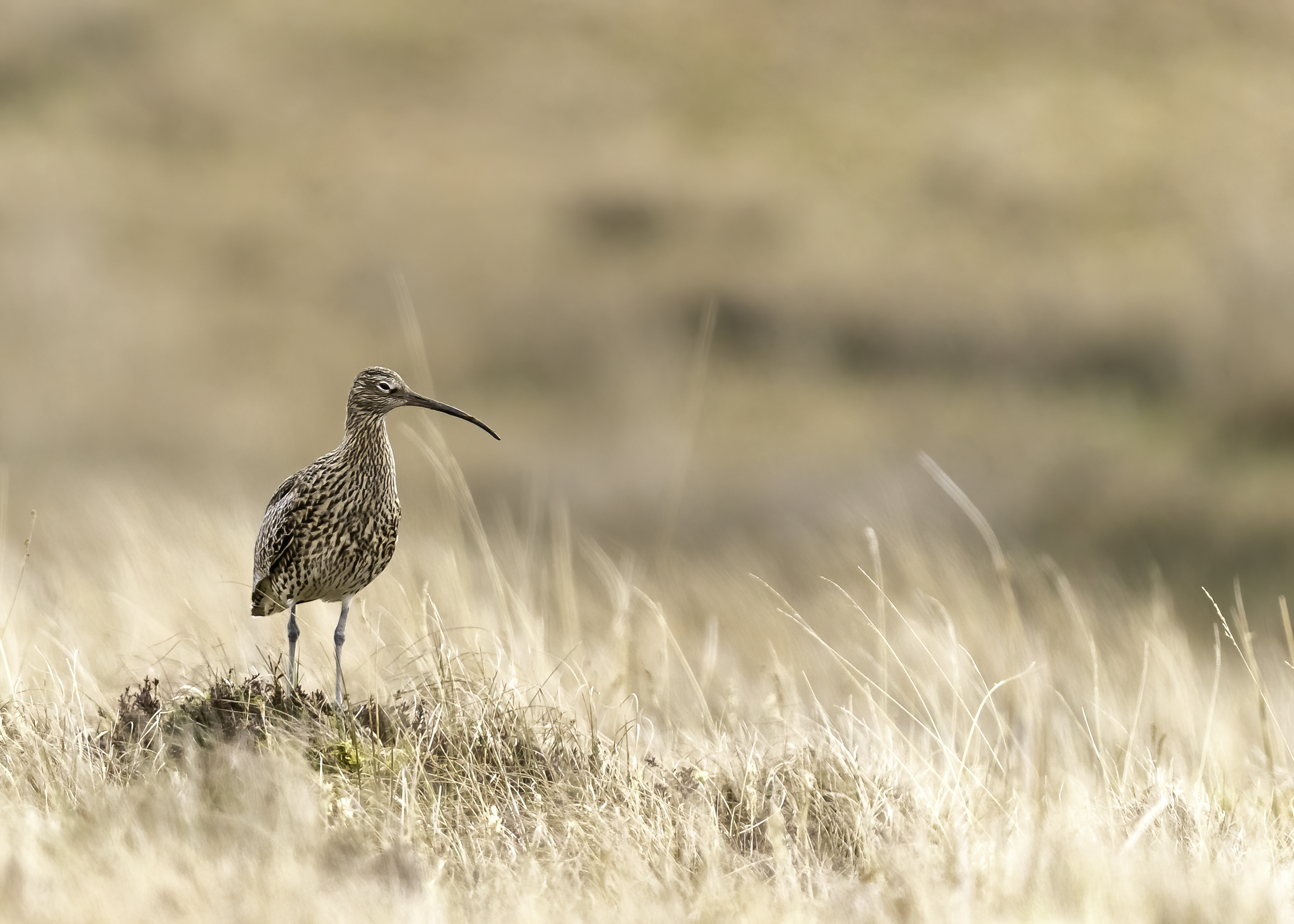
- Some land may also be unavailable at particular times – such as during the bird nesting season, as many of our birds nest on the ground.
- On Sites of Special Scientific Interest (SSSI) you should consult Natural England.
If you are uncertain whether the area you have in mind falls into any of these categories, then you can check its status using the MAGIC online GIS.
Reporting a find
Any significant finds need to be reported to the Portable Antiquities Scheme.
Learn more about archaeology in the Yorkshire Dales
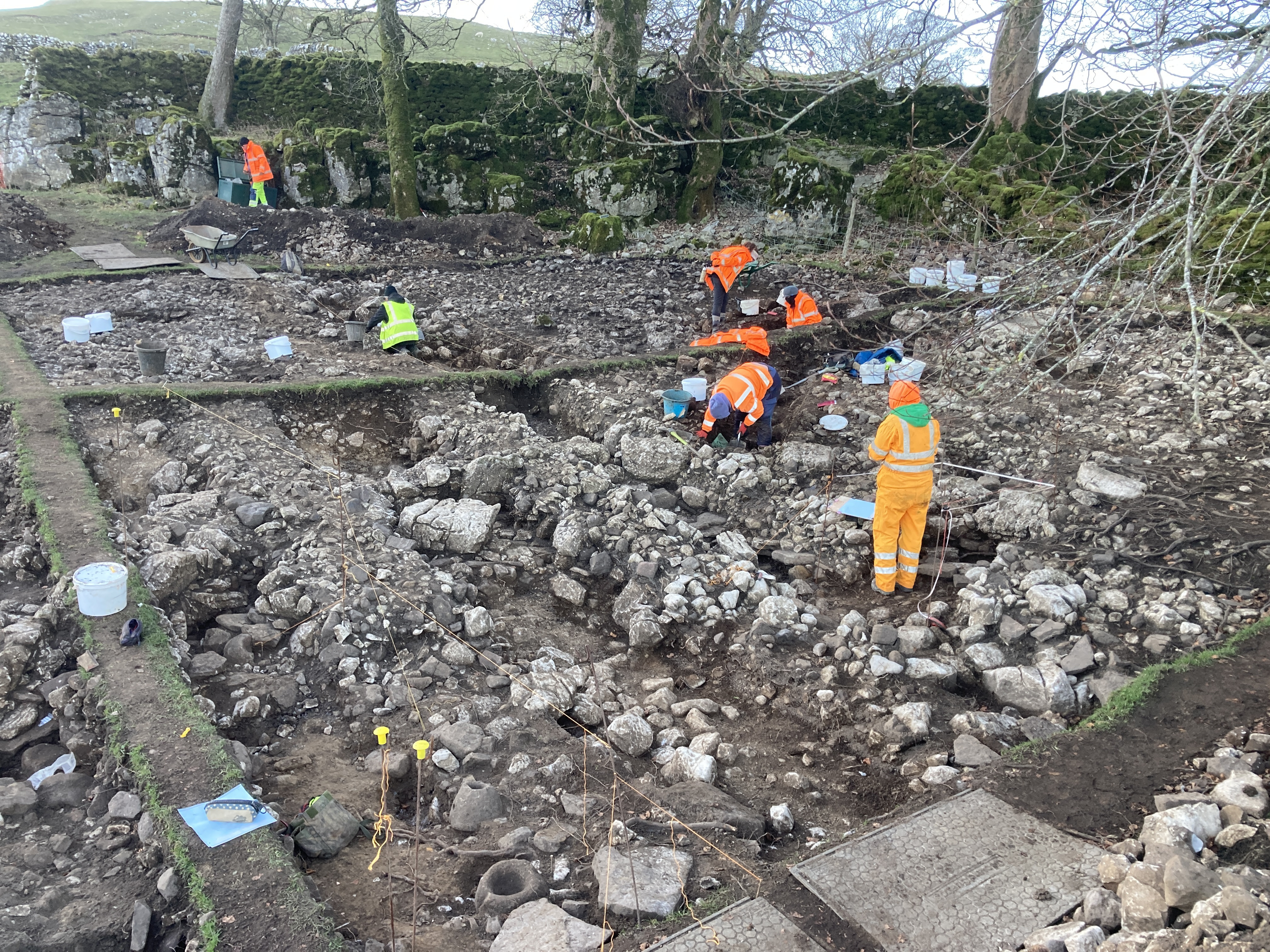
Archaeology and Heritage
From prehistoric remains to historic buildings, discover the heritage of the Yorkshire Dales.
Read more about Archaeology and Heritage