The Yorkshire Dales National Park is home to several familiar species known as house birds. These are birds that rely on buildings in towns and villages for nesting.
These include the common swift (Apus apus), house martin (Delichon urbicum), house sparrow (Passer domesticus) and common starling (Sturnus vulgaris). All four species are now nationally threatened and depend on two key things to survive:
- Safe nesting sites in buildings
- Insect-rich habitats for feeding
Supporting these birds helps protect the character and biodiversity of Dales communities.
Common Swift
Latin name: Apus apus
Swifts are one of the most remarkable migratory birds found in the Yorkshire Dales. They winter in Africa and return to the UK in April, with most leaving again by mid-July, after a short breeding season.
Life in the air
Swifts are highly adapted for flight. They spend almost their entire lives airborne, eating, drinking and even sleeping in flight. They can travel over 350 miles in a day using a fly-and-forage strategy, collecting insects into a bolus, which is fed to chicks.
Look out for “screaming parties” - groups of swifts flying fast and low through villages. This behaviour often indicates nearby nesting sites.
Nesting in towns and villages
Swifts nest in roof spaces and gaps under eaves and crevices in buildings or cliff faces (e.g. Malham Cove). They return to the same nesting sites every year, making them vulnerable to building repairs that block access.
Installing swift bricks or nest boxes can help maintain nesting opportunities.
Conservation status
The UK population of swifts declined by 68% between 1995 and 2023, and the species is now on the UK Red List of Birds of Conservation Concern.
House Martin
Latin name: Delichon urbicum
House martins
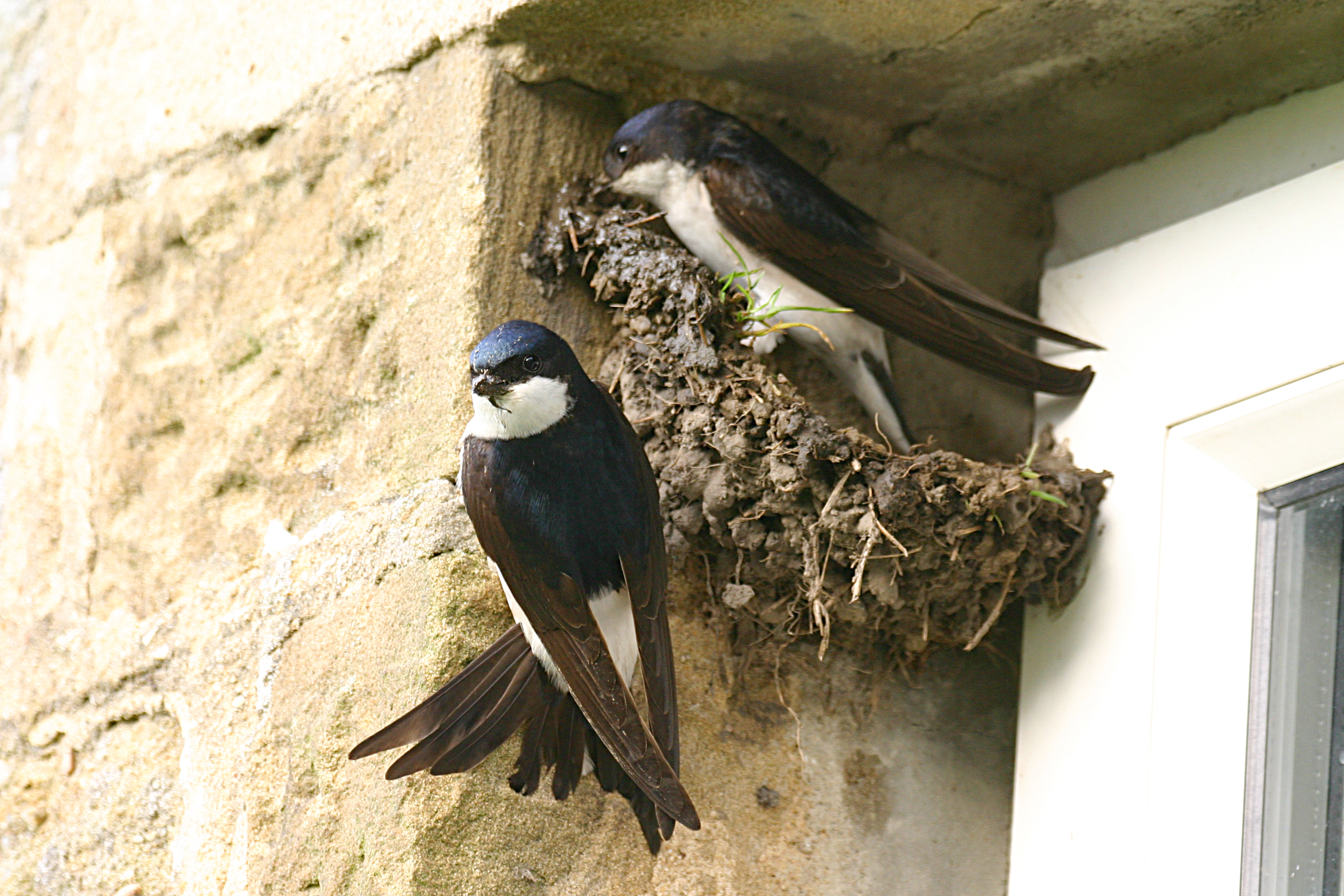
House martins.
The house martin is a small migratory bird commonly seen nesting on buildings across the Yorkshire Dales.
Identifying house martins
You can identify house martins by their glossy blue-black upperparts, distinctive white rump and forked tail.
Nesting behaviour
House martins build mud nest cups under eaves and colonies on buildings in towns and villages. Each nest requires over 1,000 beakfuls of mud and a reliable nearby source of wet soil. They may raise 2–3 broods per year, sometimes breeding into early autumn.
Habitat needs
House martins rely on flying insects for food and wet areas such as ponds and streams for mud collection.
Loss of these resources can limit breeding success.
Conservation challenges
The UK population of house martins declined by 42% between 1995 and 2023, and the species has been red-listed since 2020.
Key pressures include:
- Modern building design (fewer nesting spaces)
- Loss of mud sources
- Reduced insect abundance
- Climate change affecting migration routes
Artificial nest cups can provide long-term nesting solutions.
House Sparrow
Latin name: Passer domesticus
House sparrow
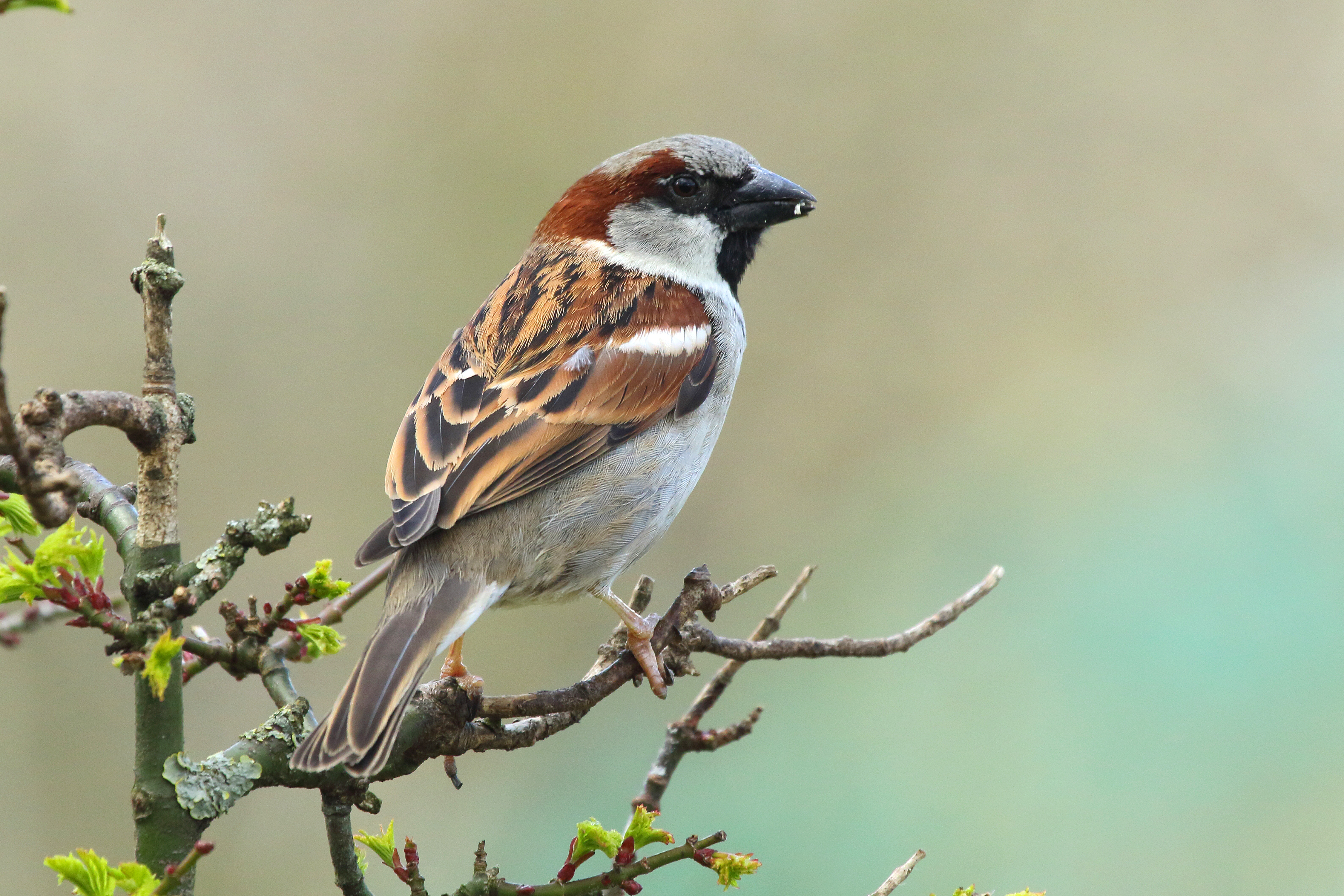
House sparrow.
The house sparrow is a familiar bird of villages and towns and a Priority Species in the Yorkshire Dales National Park.
Behaviour and nesting
- Lives in small flocks and colonies
- Nests in buildings, using holes and crevices
- Builds dome-shaped nests from straw and feathers
House sparrows can raise up to three broods per year, with chicks feeding mainly on insects.
Identification
- Males: grey cap, black bib, chestnut neck
Females: warm brown with a pale eye stripe
Conservation status
The house sparrow has bee on the UK Red List since 2002 and is listed as a UK Biodiversity Action Plan (BAP) Priority Species.
How to help
You can support house sparrows by installing terrace nest boxes with 32mm entrance holes and positioning boxes at least 3 metres high, out of reach of predators.
Common Starling
Latin name: Sturnus vulgaris
Starling
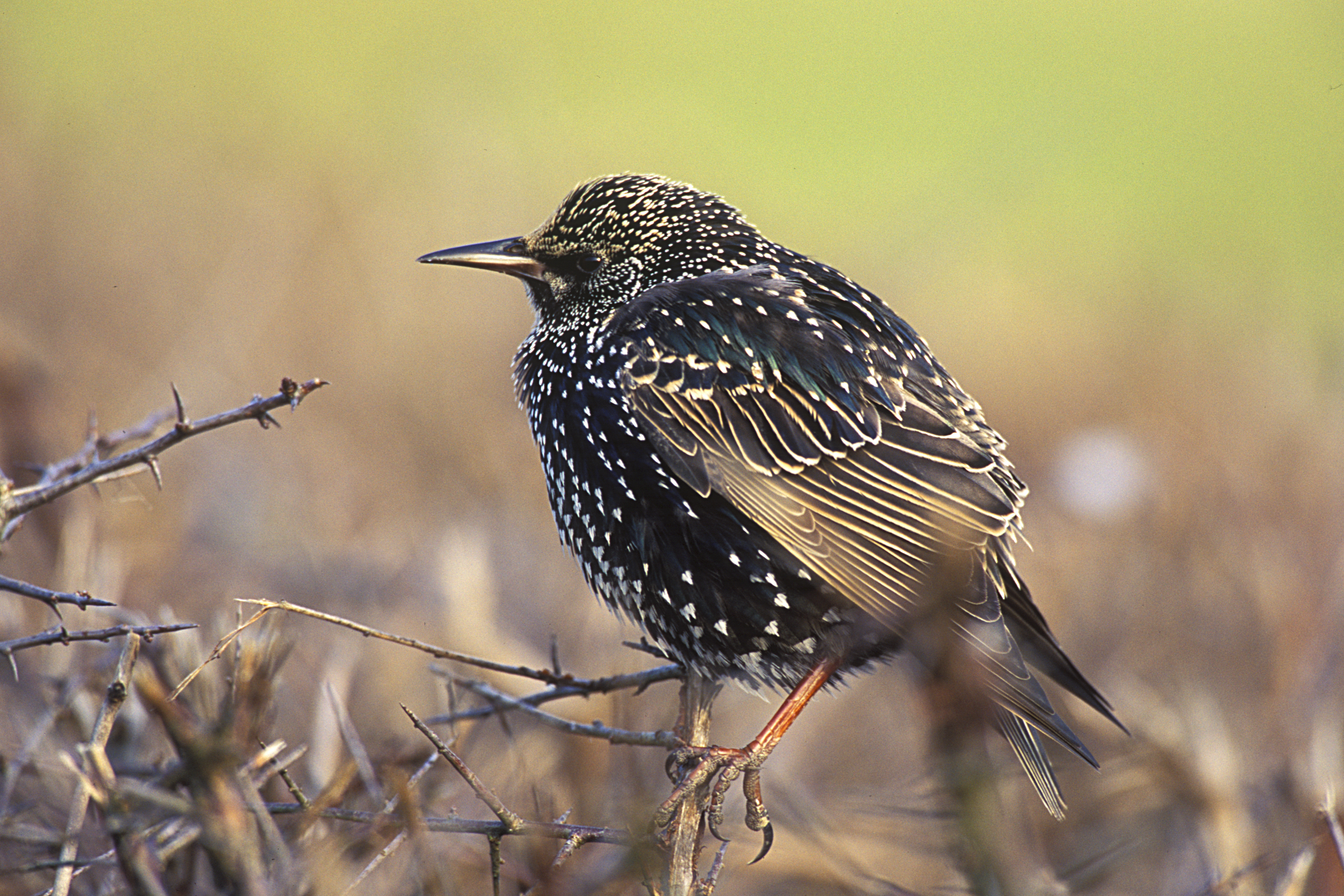
Starling
The common starling is one of the most recognisable birds in the UK, known for its spectacular winter gatherings.
Murmurations
In autumn and winter, starlings form large flocks that create dramatic aerial displays called murmurations - one of the UK’s most impressive wildlife spectacles.
Appearance and behaviour
- Iridescent plumage in breeding season
- Speckled appearance in winter
- Known for mimicking sounds
Nesting and habitat
Starlings nest in tree cavities or buildings and prefer short grasslands for feeding. They like to feed on soil invertebrates (e.g. leatherjackets, worms), as well as fruit, seeds and berries.
Conservation status
The UK population of starlings declined by 57% between 1995 and 2023. They have bee on the UK Red List since 2002 and are also a UK BAP Priority Species.
How to help
You can support starlings by installing large nest boxes (45mm entrance) and maintaining wildlife-friendly gardens and grassland.
Supporting house birds in the Yorkshire Dales
House birds are a vital part of the cultural and natural heritage of the Yorkshire Dales National Park.
Their survival depends on:
- Accessible nesting spaces in buildings
- Healthy insect populations
- Wildlife-friendly land management
Simple actions - such as installing nest boxes, protecting nesting sites during building work, and reducing pesticide use - can make a significant difference.
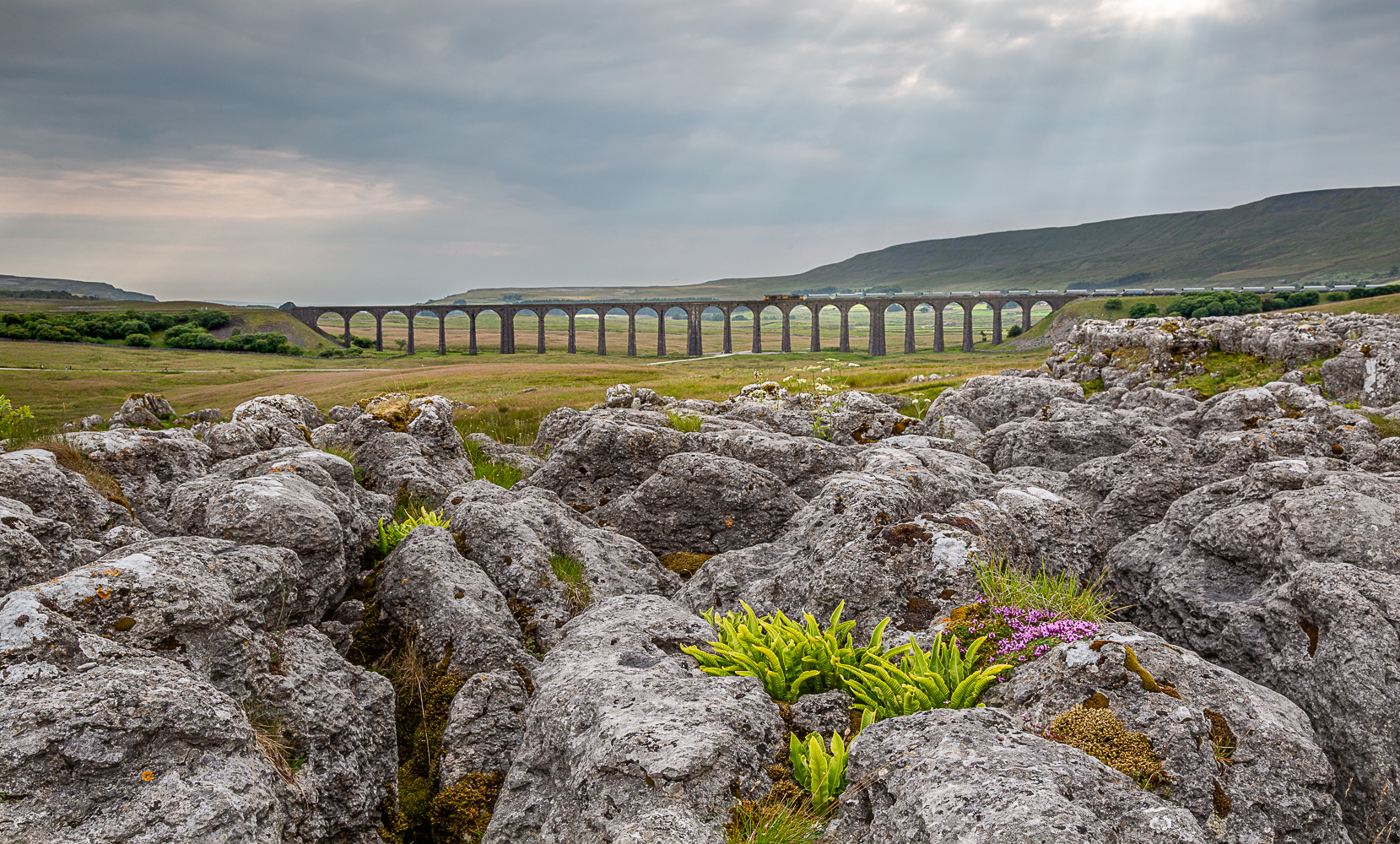
Nature Recovery Plan
Find out how partners are working together to create a richer, more connected landscape for nature and wildlife.
Read more about Nature Recovery Plan