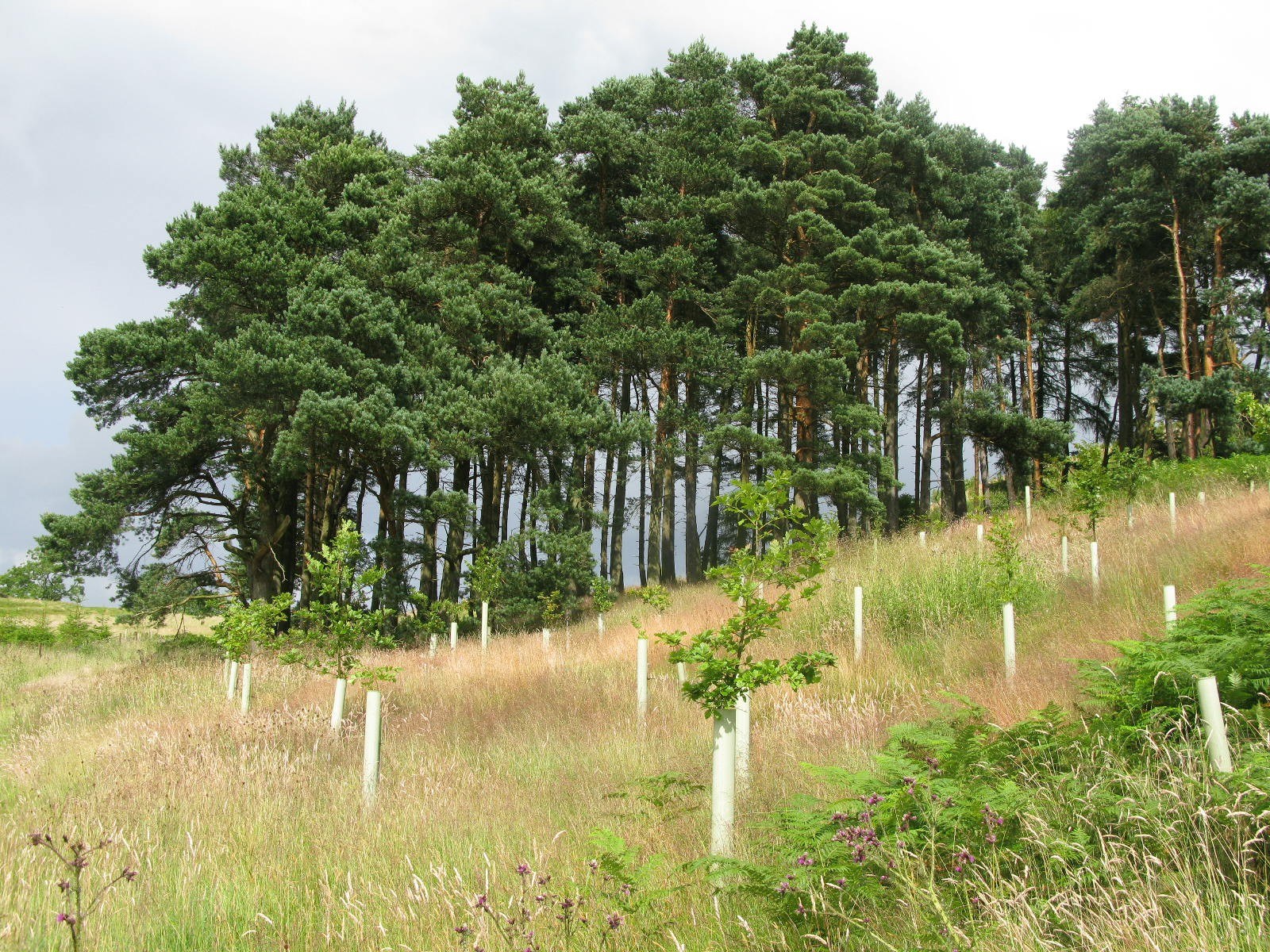
The Dales Woodland Strategy is the key document providing strategic direction on the future of trees and woodlands within the Yorkshire Dales National Park.
This strategy focuses on the trees and woodlands of the Yorkshire Dales National Park. Our aim is to ensure they are diverse, healthy, attractive, and provide the greatest possible benefits for people and wildlife.
Woodlands play a vital role in shaping the landscape and supporting valuable habitats and species. Individual trees also contribute to the character and heritage of the Dales, with some dating back hundreds of years.
Since the first Dales Woodland Strategy (1995–2020), developed with the Dales Woodland Forum, over 2,100 hectares of new woodland have been created.
Purpose of this strategy
This strategy supports the Yorkshire Dales National Park Management Plan, which sets out a shared vision for the Park to 2040. This includes ambitions for a thriving landscape, rich wildlife, climate resilience, a strong local economy, and sustainable communities.
It explains how trees and woodlands will help deliver these ambitions. It will be implemented through partnership working.
Clear and consistent advice will help landowners strengthen farm businesses while enhancing natural capital and improving land for the future.
The Strategy’s ambitions for 2020-2030
1. Create 6,000 ha woodland habitat that enhances the National Park’s landscape, with priority given to projects that strengthen habitat networks, increase carbon storage and help to reduce flooding.
2. Ensure that 75% of all woodland including ancient semi natural woodland, plantation ancient woodland and scrub is brought into positive management.
3. Plant 6,000 individual or small groups of field trees.
The aims and objectives of the strategy have been incorporated into the Nature Recovery Plan ensuring that trees and woodland are central to creating a mosaic of habitats and healthy ecosystems.
The Strategy’s vision for 2040
Our vision for 2040 is that trees and woodlands in the Yorkshire Dales will:
- contribute significantly to a carbon net zero National Park;
- enable habitat connectivity;
- improve water quality and reduce flooding in a way that enhances the landscape and special qualities of the area;
- provide health and amenity benefits to people; and
- be economic for landowners.