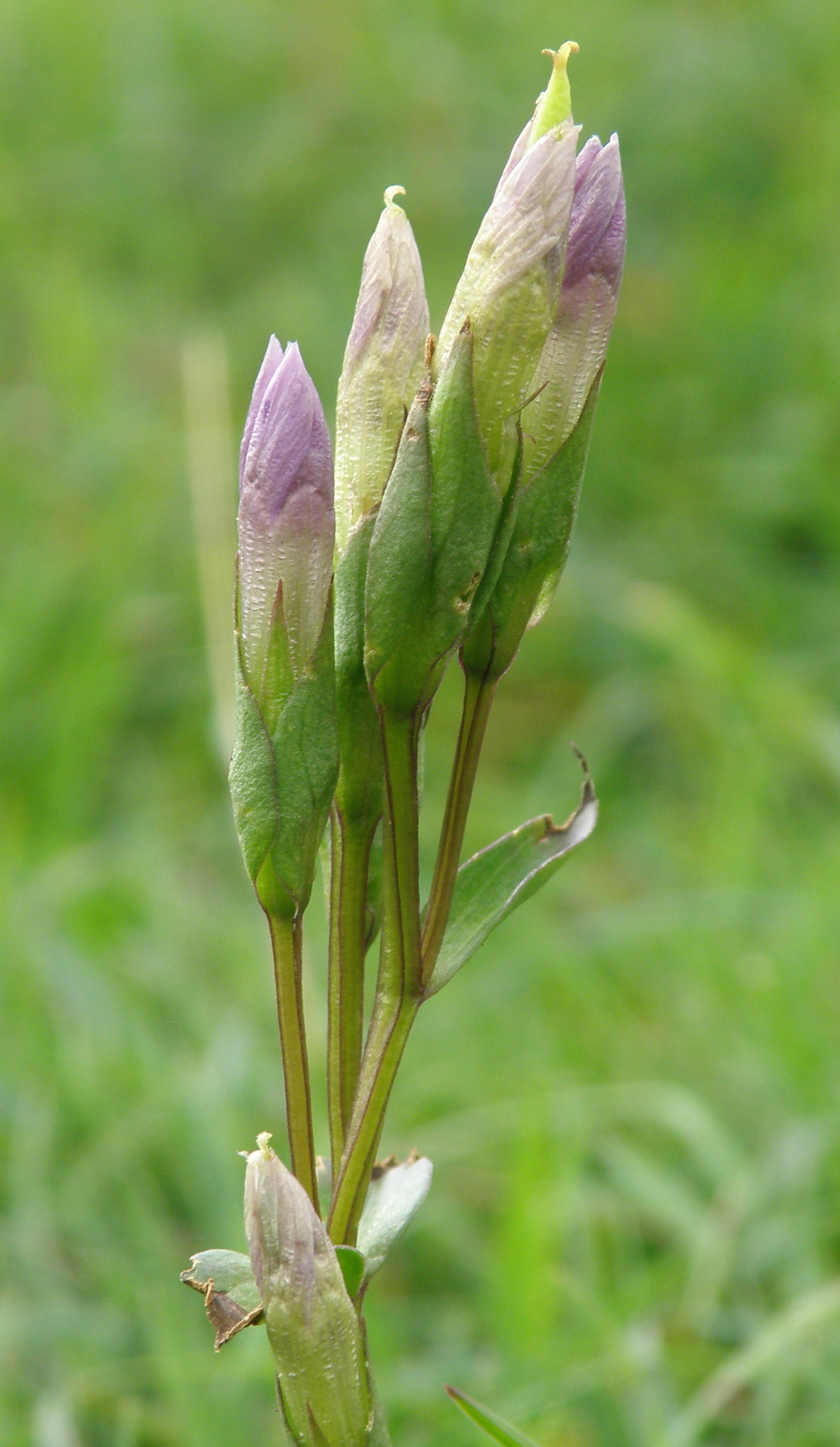
Latin name: Gentianella campestris
Spotting a field gentian in the Yorkshire Dales feels like a real find. Among limestone grassland flowers, its deep purple blooms stand out — especially in late summer and autumn.
This rare wildflower is found in scattered locations across the UK, with important populations in northern England. In the Yorkshire Dales National Park, field gentian occurs in areas such as Upper Wharfedale, Langstrothdale, Littondale, Malhamdale and Ribblesdale, with additional records in Wensleydale, Swaledale and Arkengarthdale.
What is field gentian?
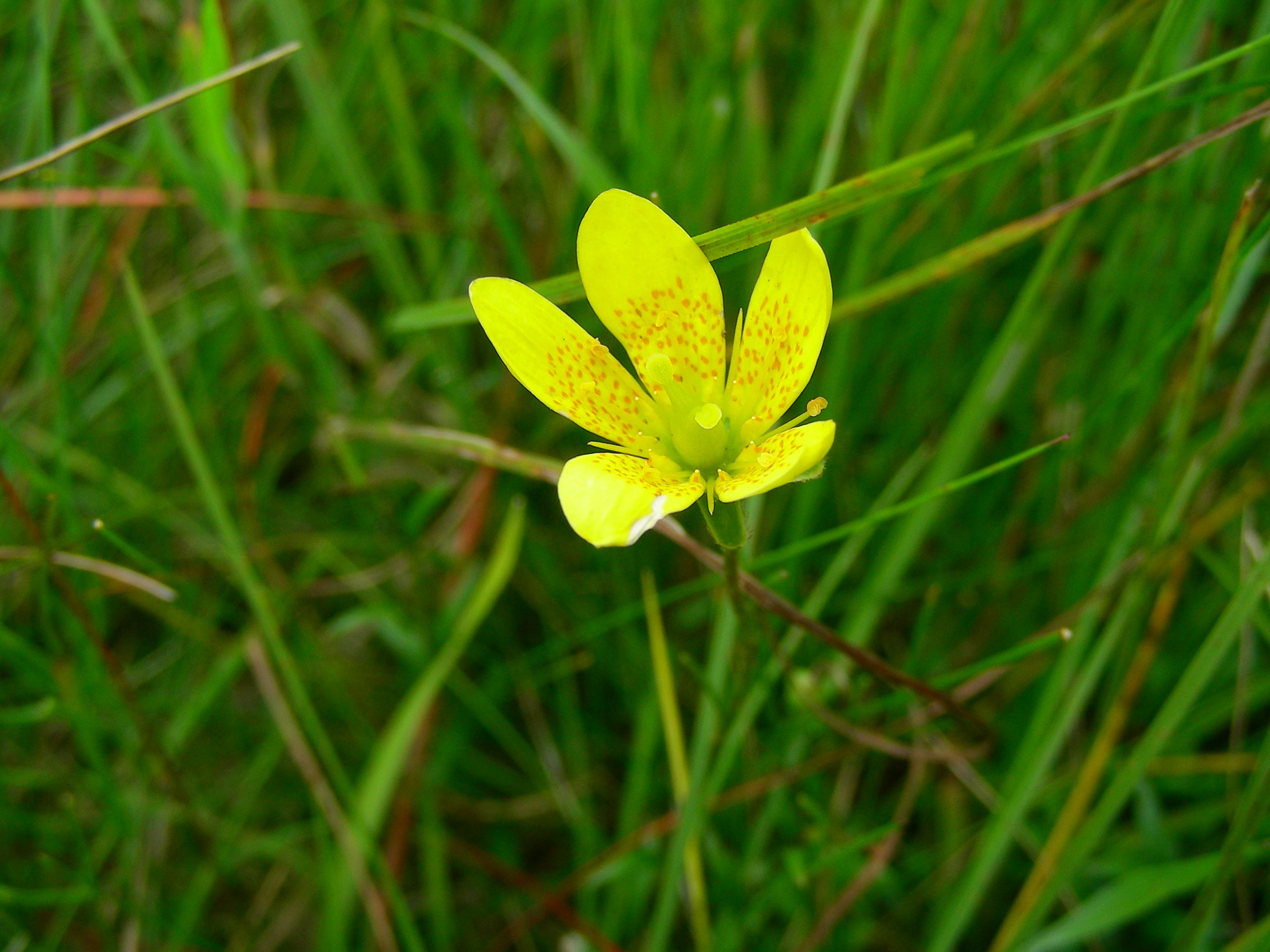
Field gentian (Gentianella campestris) is a small but striking flowering plant associated with calcareous (limestone) grassland habitats.
It can be identified by:
- rich purple flowers appearing from late summer into autumn,
- a distinctive flower structure with two large sepals overlapping two smaller ones, and
- compact growth among other wildflowers such as thyme and autumn gentians.
Look closely, and it stands out like a "purple jewel" within species-rich grassland.
Where it grows
Field gentian has a mainly northern and western UK distribution, including Scotland, northern England, North Wales, and northern parts of Northern Ireland.
Within the Yorkshire Dales National Park, recorded locations include Upper Wharfedale, Langstrothdale, Littondale, Malhamdale, and Ribblesdale.
Lower-resolution or wider area records also exist for Wensleydale, Swaledale, Arkengarthdale and the Orton Fells. These populations are typically associated with carefully managed upland grasslands, often on limestone soils.
Habitat and landscape
In the Yorkshire Dales, field gentian is most closely linked to:
- species-rich limestone grassland,
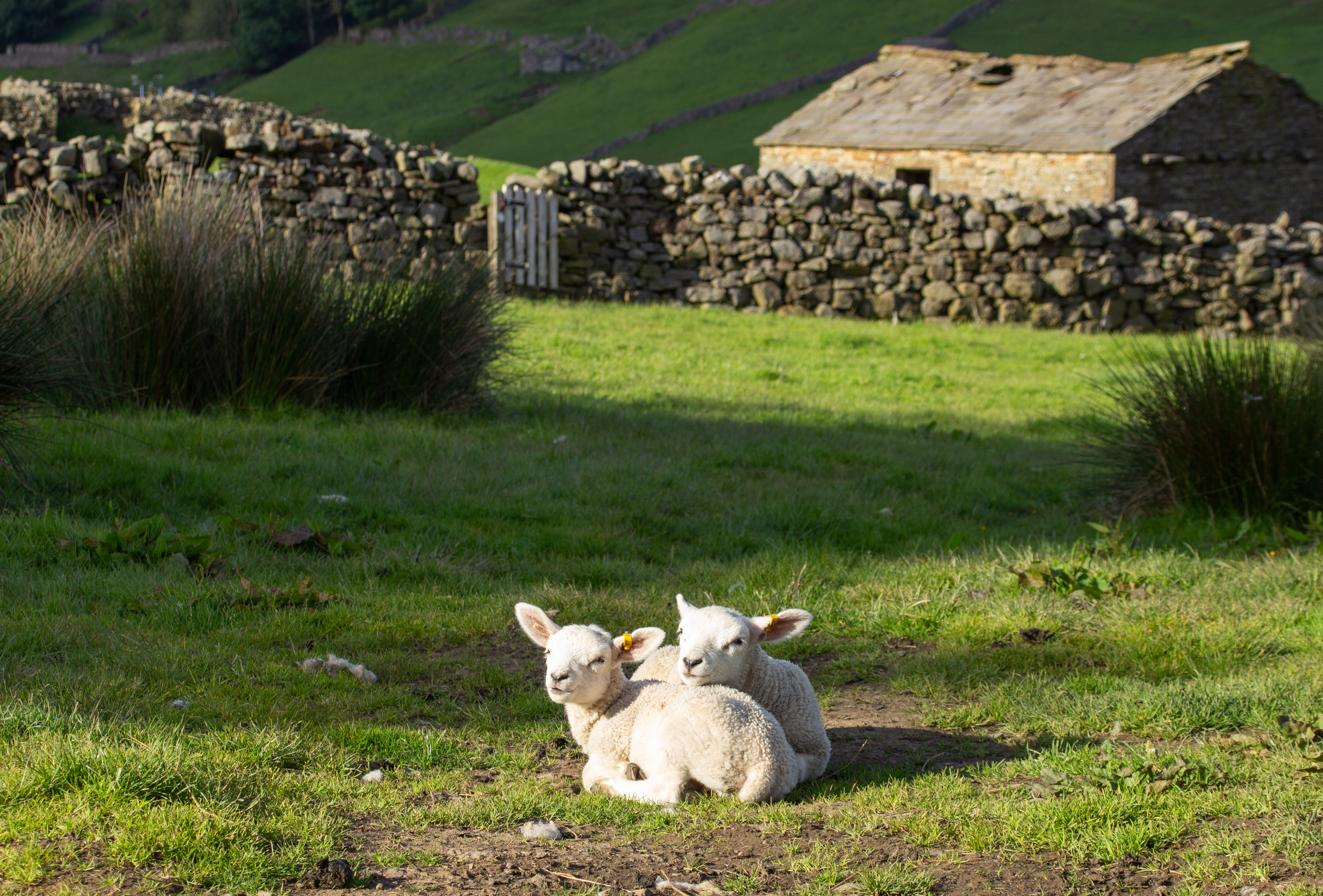
- traditional low-intensity grazing systems, and
- open landscapes where wildflowers can thrive without heavy competition.
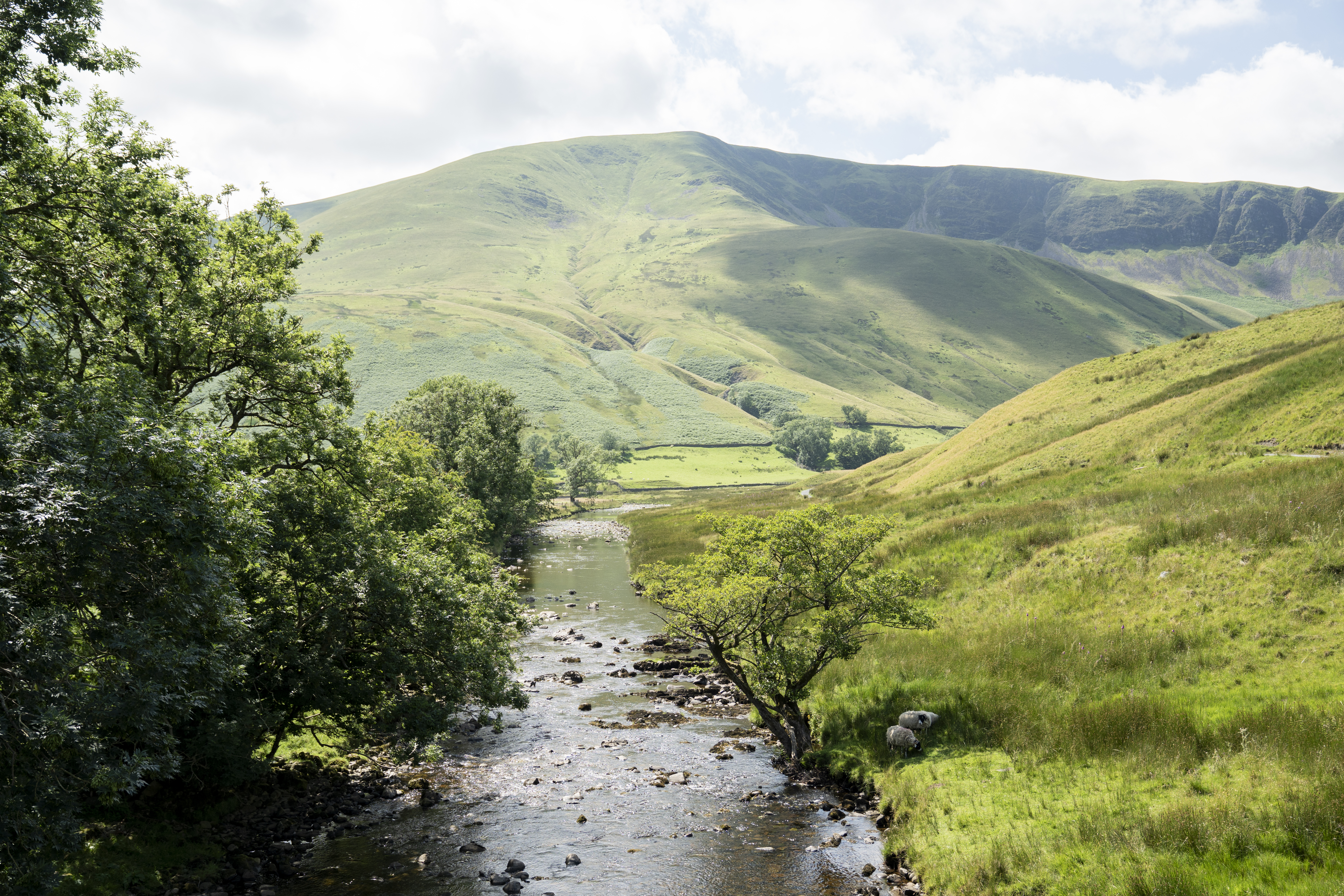
These habitats are part of the Dales’ wider network of priority habitats, supporting a wide range of plants and wildlife.
Conservation and monitoring
Field gentian is recognised as a priority species within conservation planning.
Monitoring programmes are in place across the National Park to:
- assess the health and extent of populations,
- understand regeneration and long-term trends, and
- inform habitat management and conservation action.
This work helps guide habitat protection, grazing management, and potential restoration efforts. The aim is to secure the long-term survival of field gentian in the Yorkshire Dales.
Why it matters
Field gentian is an indicator of high-quality, well-managed grassland. Its presence suggests healthy ecological conditions, low-intensity land use, and continuity of traditional management practices. Protecting species like field gentian helps support nature recovery across the wider landscape.
Status and data
The field gentian is currently on the GB Red Data List.
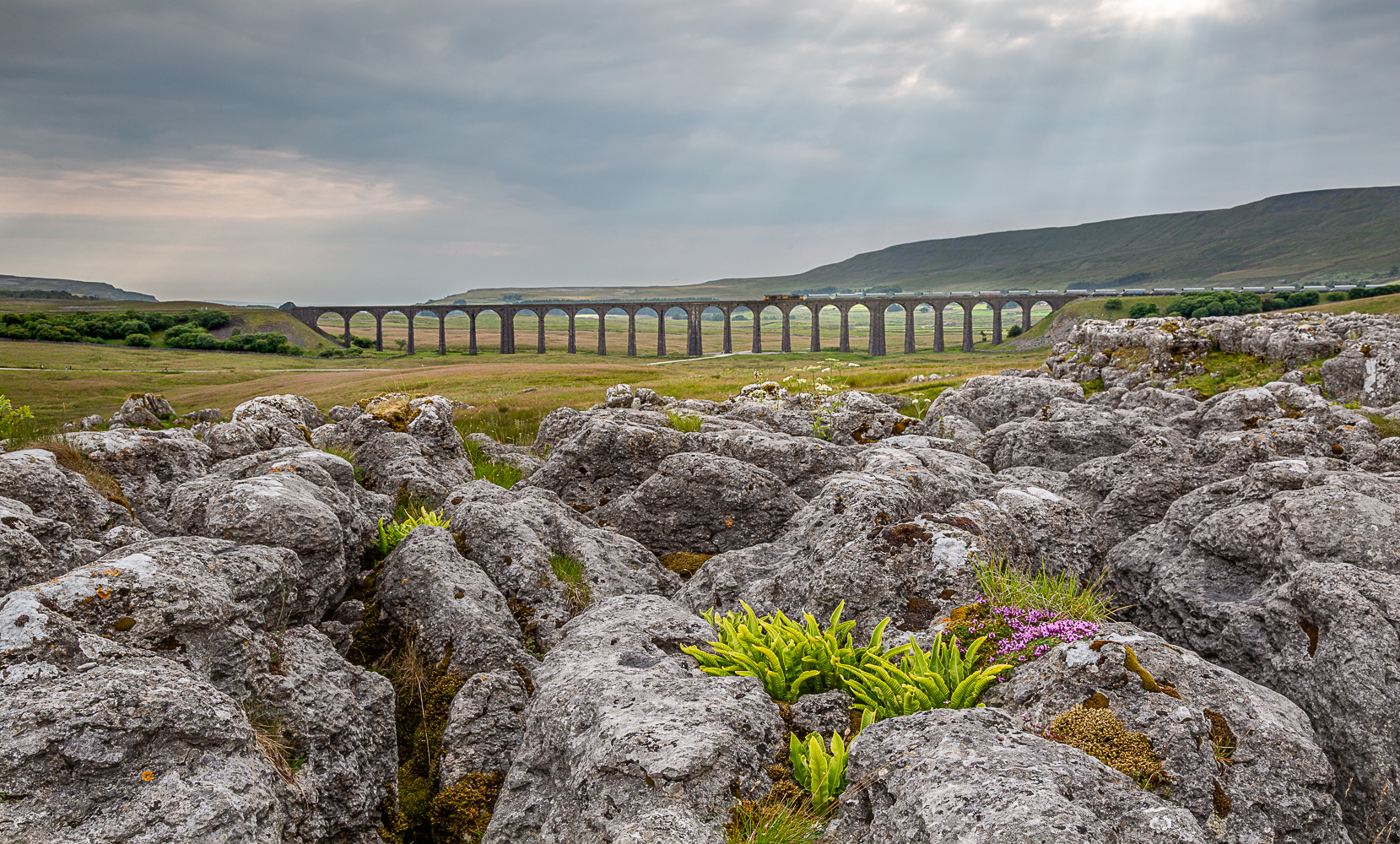
Nature Recovery Plan
Find out how partners are working together to create a richer, more connected landscape for nature and wildlife.
Read more about Nature Recovery Plan