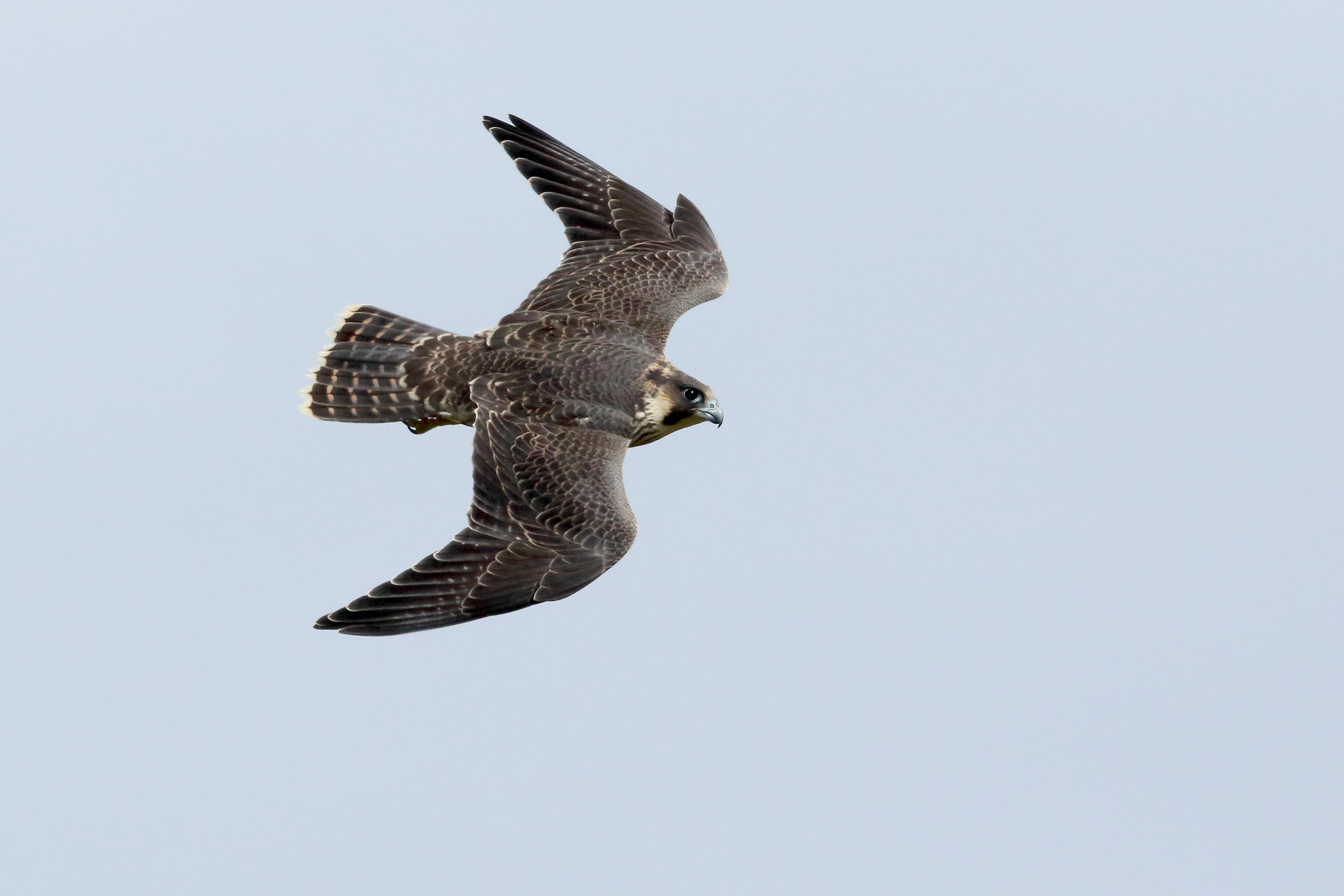
Peregrine falcons have nested at Malham Cove since 1993. While there are a number of historic peregrine nest sites across the Yorkshire Dales National Park, Malham Cove is now one of only seven or eight locations where peregrines regularly attempt to breed.
Peregrines are one of the Yorkshire Dales' Priority Species, identified as requiring targeted conservation action. The dramatic limestone cliffs of Malham Cove provide an ideal nesting site and offer visitors the chance to watch one of Britain's most spectacular birds of prey in a truly iconic setting.
The Malham Peregrine Project
The Malham Peregrine Project is a long-running partnership between the Yorkshire Dales National Park Authority and the RSPB, helping to protect peregrines while giving visitors the opportunity to enjoy them responsibly during the breeding season.
Since 2003, the project has welcomed many visitors to learn more about peregrines and their conservation. Working with volunteers and partner organisations, the project helps monitor nesting activity, raise awareness of the challenges facing birds of prey and promote responsible wildlife watching.
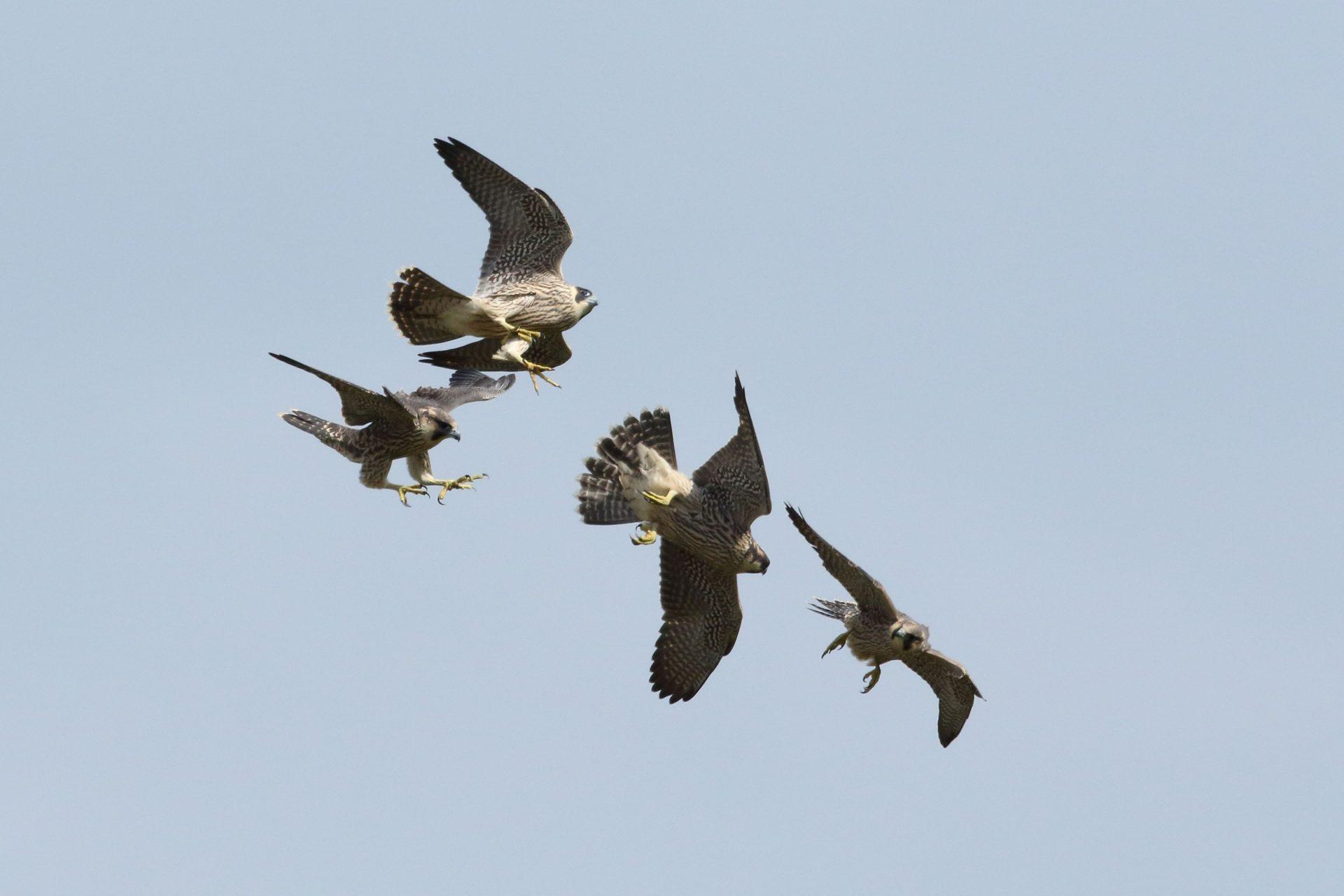
Peregrine Falcons.
Malham Peregrine Project Viewpoint
We were pleased to run the Malham Peregrine Project Viewpoint again in 2026. We will update this page and our social media channels with information about the 2027 viewpoint season nearer the time.
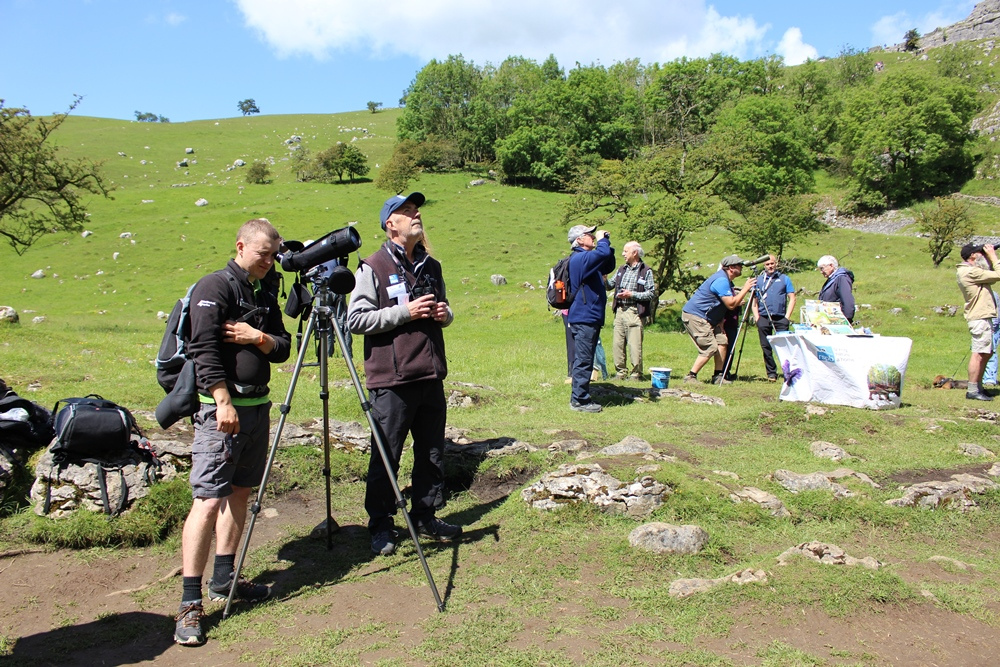
On peregrine watch at the viewing point at Malham Cove when it was last open in 2019
Update June 2026
We were extremely disappointed that there was no breeding attempt at Malham Cove in 2026. Although an adult male peregrine remained present, there was no resident female, with only an immature female observed on some occasions.
As a result, the last successful breeding season at Malham Cove was in 2022. Since then, at least three different females known to have been associated with the site have disappeared. This is a significant concern, as Malham Cove was once one of the most successful peregrine breeding sites in the Yorkshire Dales National Park.
The reasons for these disappearances, and for the most recent breeding failure, remain unknown. However, the situation highlights the ongoing risks faced by peregrines and the importance of continuing efforts to protect them.
Although the male bird was still present at the Cove during the 2026 breeding season, sightings were inconsistent throughout the viewpoint period, with no sightings recorded on some days.
Why Peregrines Matter
Peregrines are one of the UK's most iconic birds of prey and are famous for their incredible speed, reaching more than 200 mph when diving to catch prey.
Although populations have recovered from historic declines, peregrines still face pressures including disturbance, habitat changes and illegal persecution. Long-term monitoring helps improve our understanding of the species and contributes to wider conservation work across the Yorkshire Dales.
Did you know
Peregrine falcons can reach speeds of ~200 miles an hour
- Special baffles in their nostrils help them breathe at high speed
- Their nest site is known as an eyrie
- It takes up to 32 days for a peregrine falcon egg to hatch
- The average lifespan of a peregrine falcon is 5-6 years
Protecting Peregrines at Malham Cove
Peregrines are fully protected by law. It is a criminal offence to intentionally or recklessly disturb them at or near the nest.
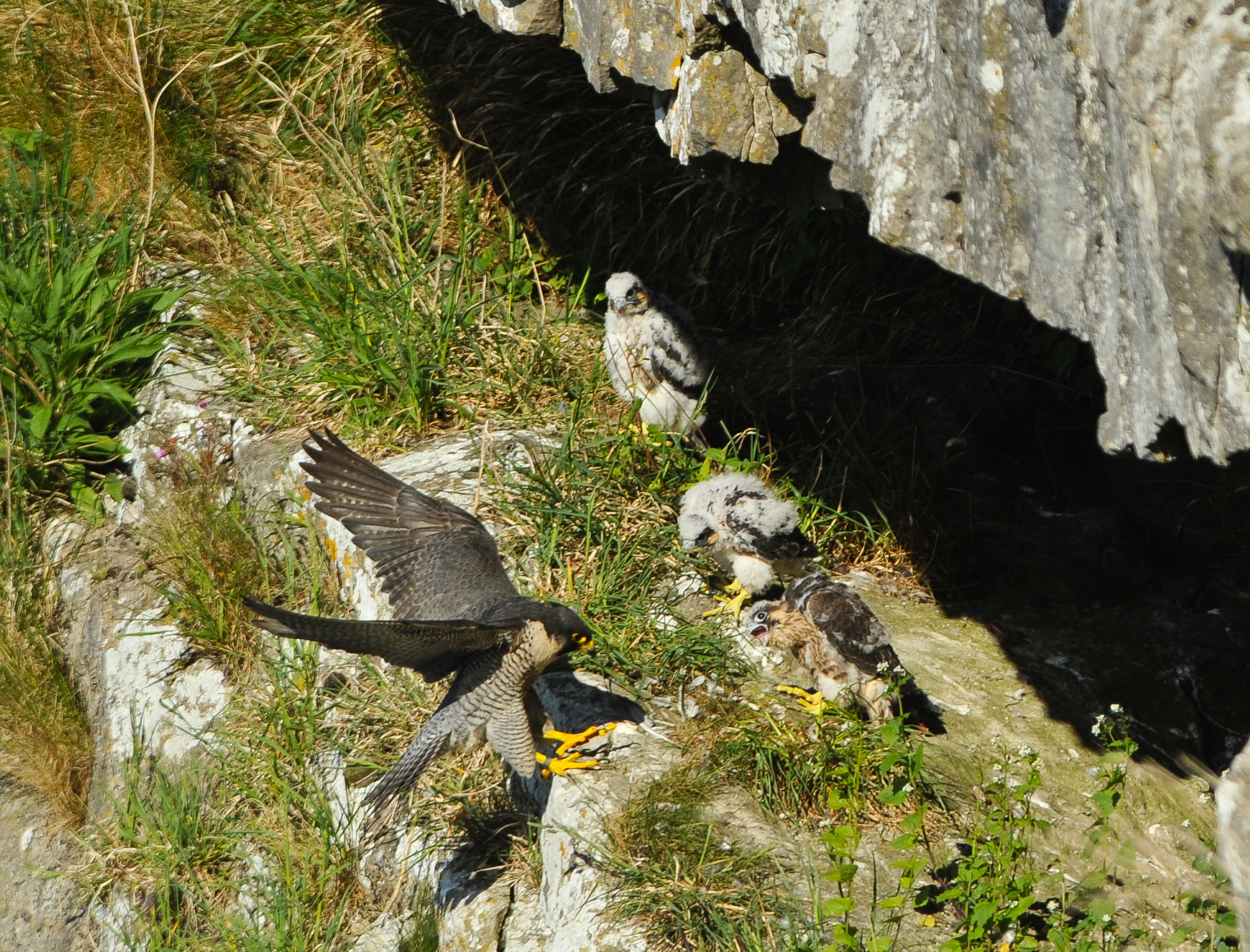
Peregrines at Malham Cove
The Yorkshire Dales National Park Authority works closely with partners, landowners and North Yorkshire Police to help protect peregrines and other birds of prey across the National Park.
Visitors can help by respecting any temporary access restrictions, following on-site notices, keeping a safe distance from nesting birds and avoiding disturbance during the breeding season.
Landowner permission is required before flying a drone from private land. To help protect nesting wildlife, please do not fly drones at Malham Cove.
Find Out More
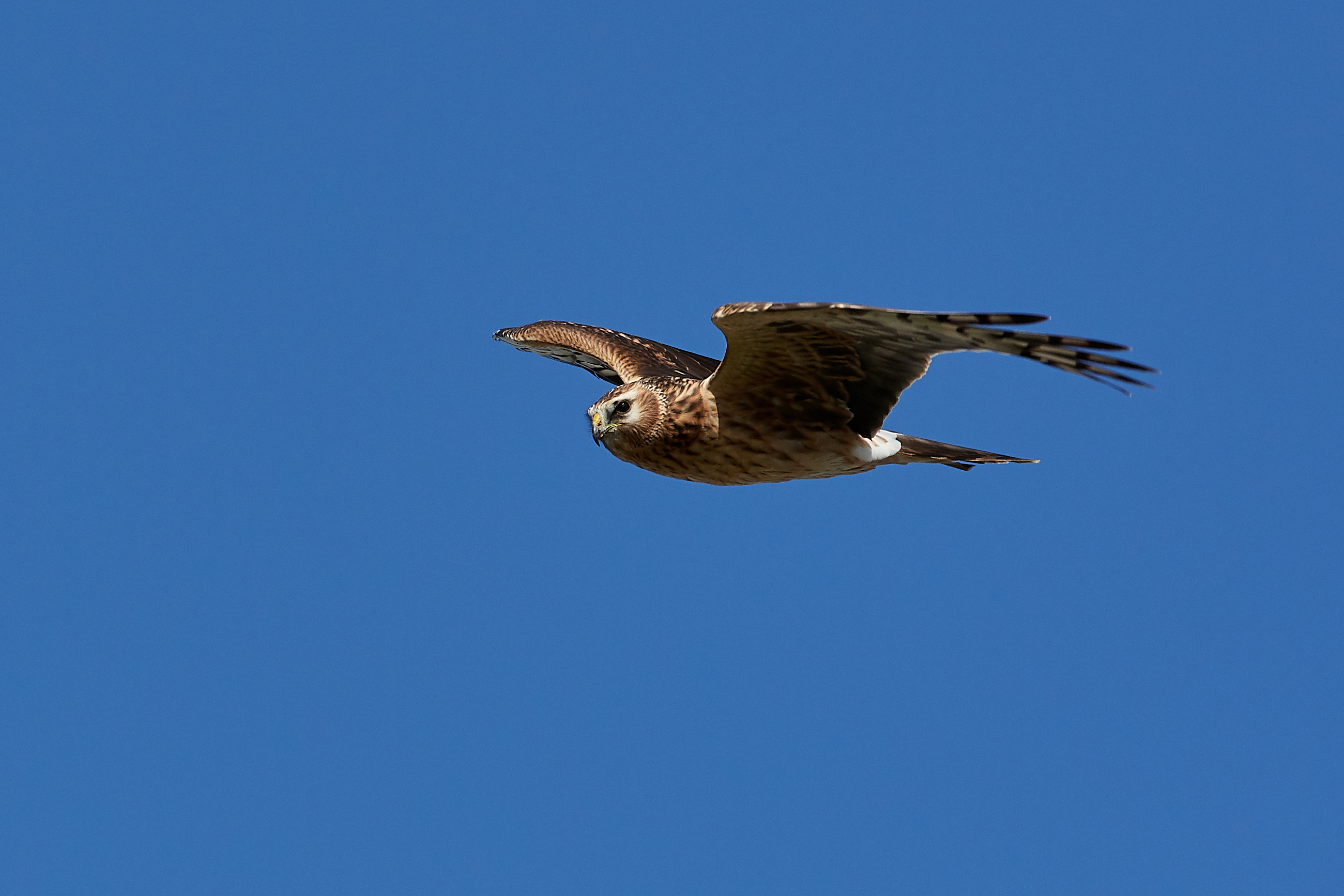
Wildlife crime
Learn how to recognise, report and help prevent wildlife crime in the Yorkshire Dales.
Read more about Wildlife crime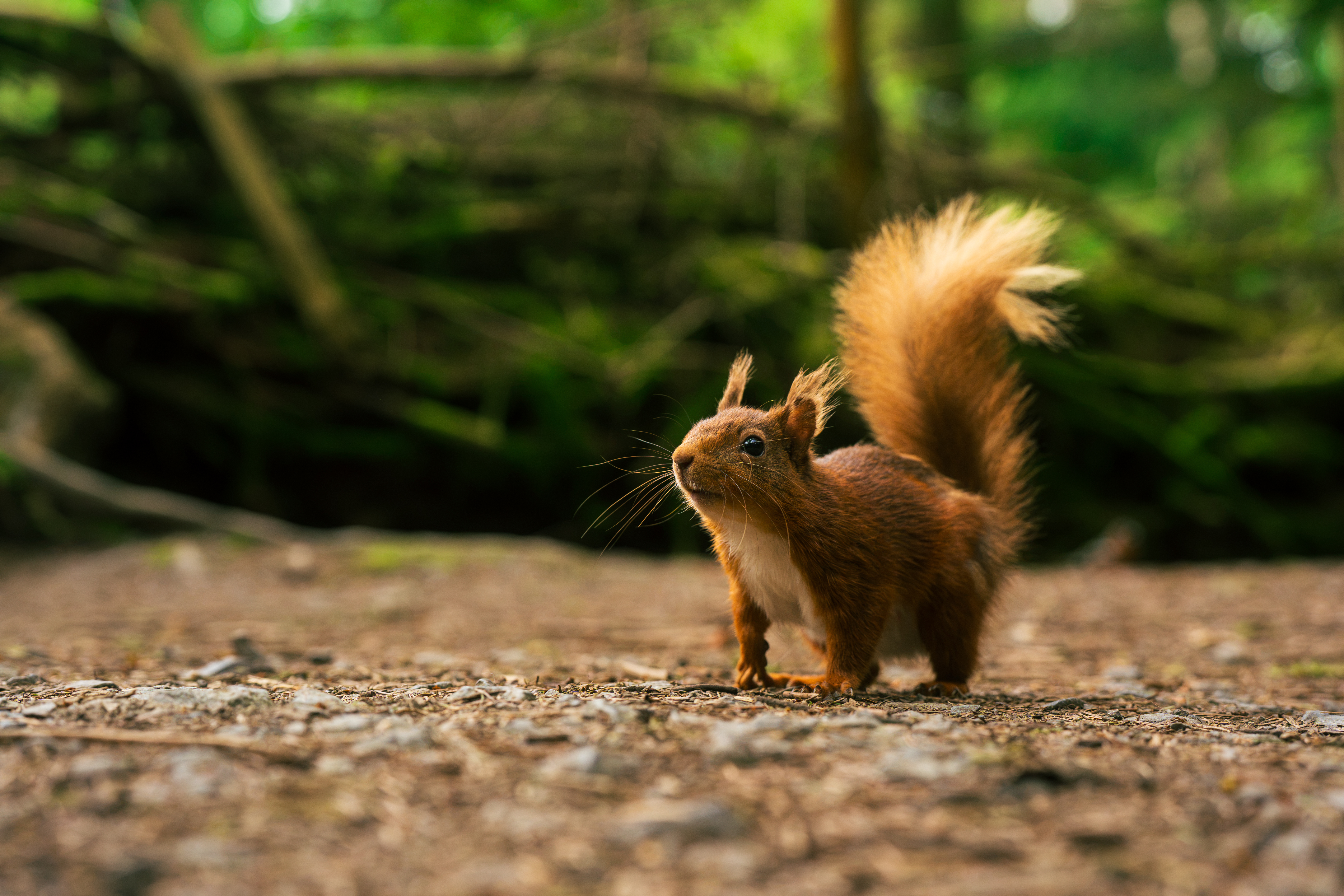
Priority species
From birds and butterflies to plants and mammals, explore the species that need our help and why they matter to the Yorkshire Dales.
Read more about Priority species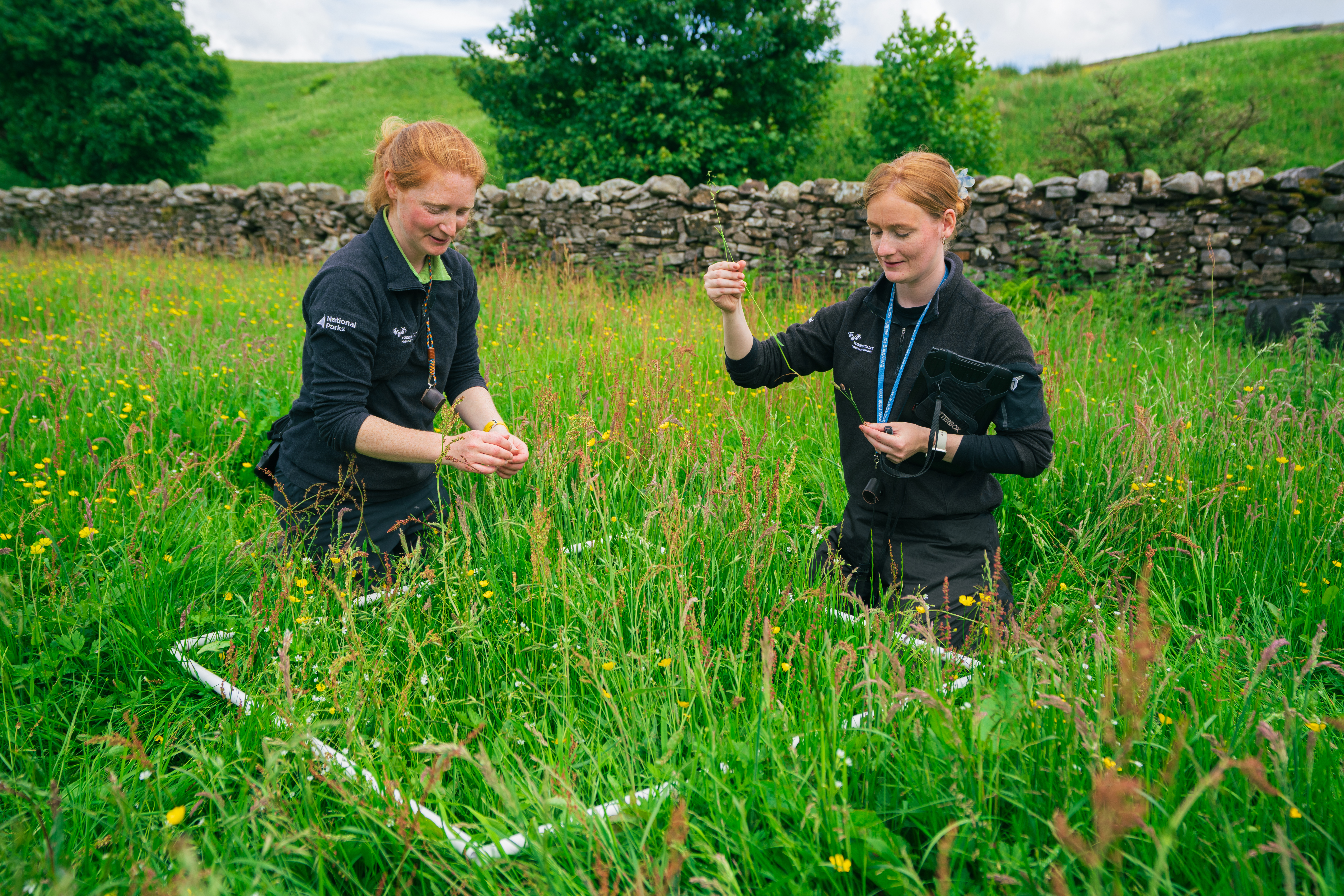
Wildlife
Learn how we're working to protect wildlife, conserve habitats and help nature thrive across the Yorkshire Dales.
Read more about Wildlife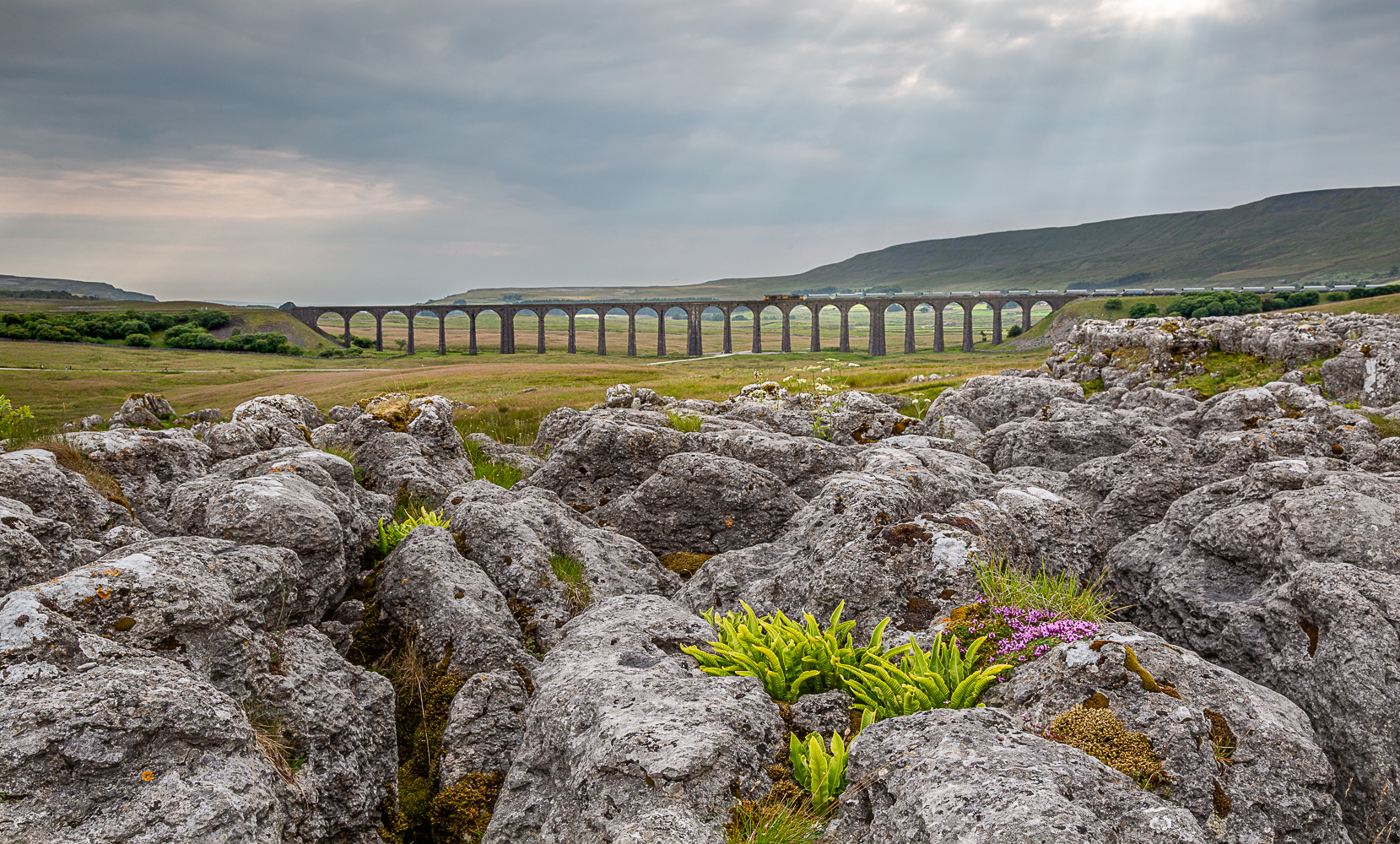
Nature Recovery Plan
Find out how partners are working together to create a richer, more connected landscape for nature and wildlife.
Read more about Nature Recovery Plan
Drone flying
Find out where you can fly a drone in the Yorkshire Dales, what permissions you need, and how to fly safely and responsibly.
Read more about Drone flying