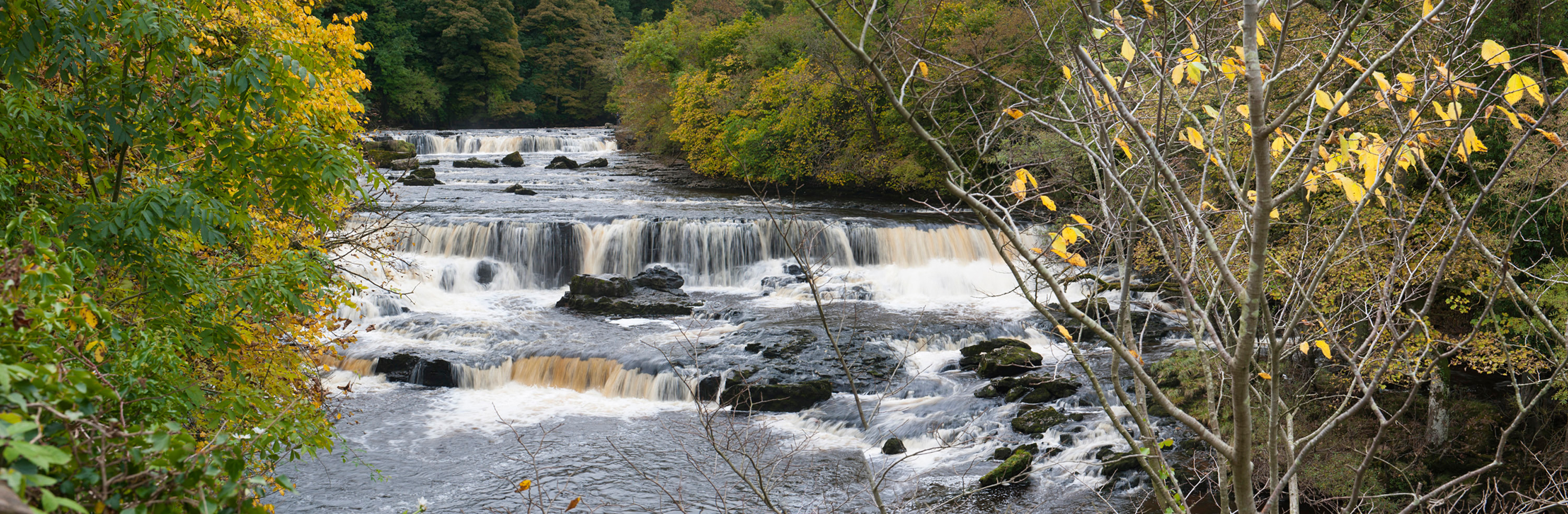
Aysgarth Falls
Objective 1.5
Some progress
Work with farmers, landowners and water companies to improve the condition of rivers – including significantly reducing the frequency of spills from storm overflows at 10 sewage treatment works – so that 65% are in ‘good ecological status’ by 2031.
Progress
51% of rivers in the National Park were reported as being in good ecological status in March 2024 (most recent figure available).
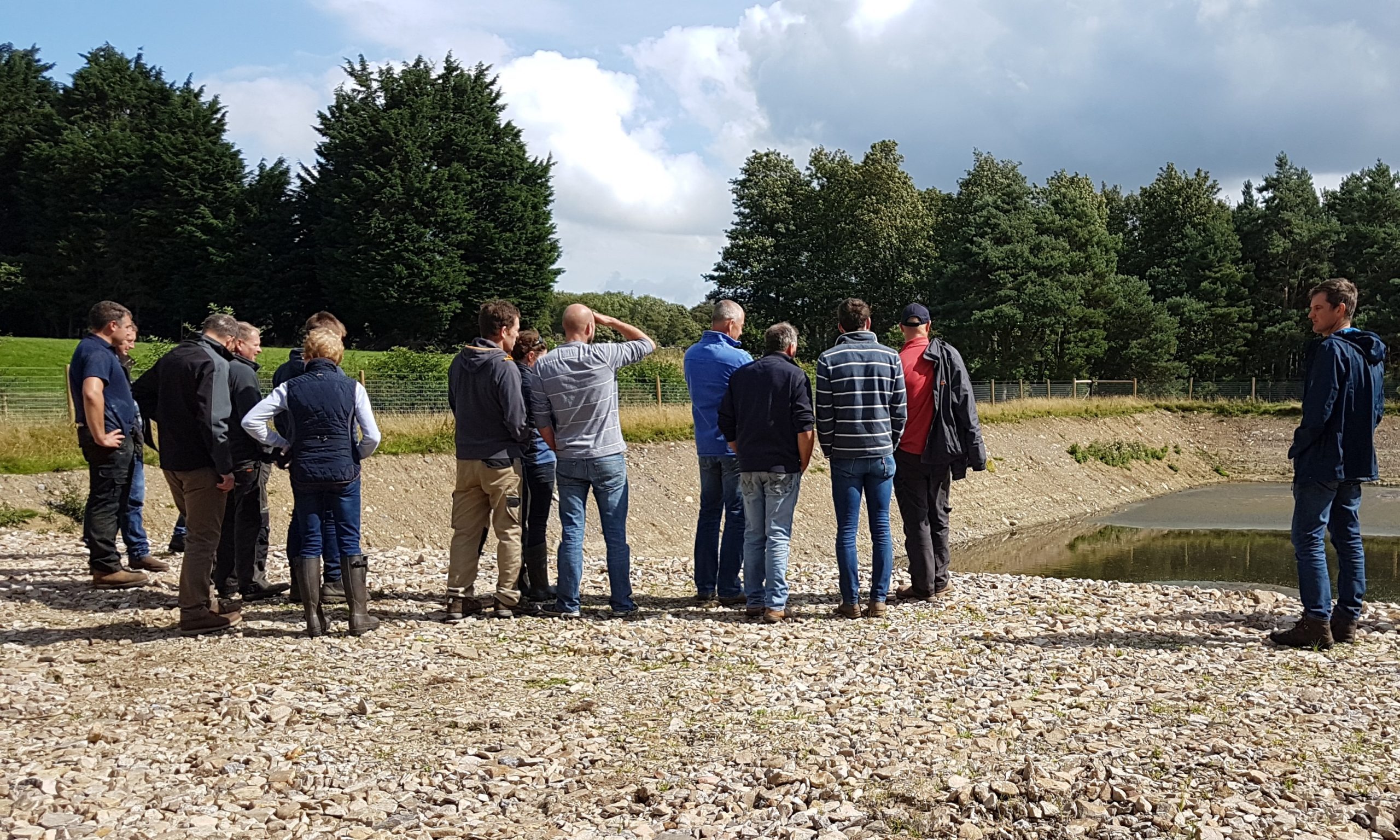
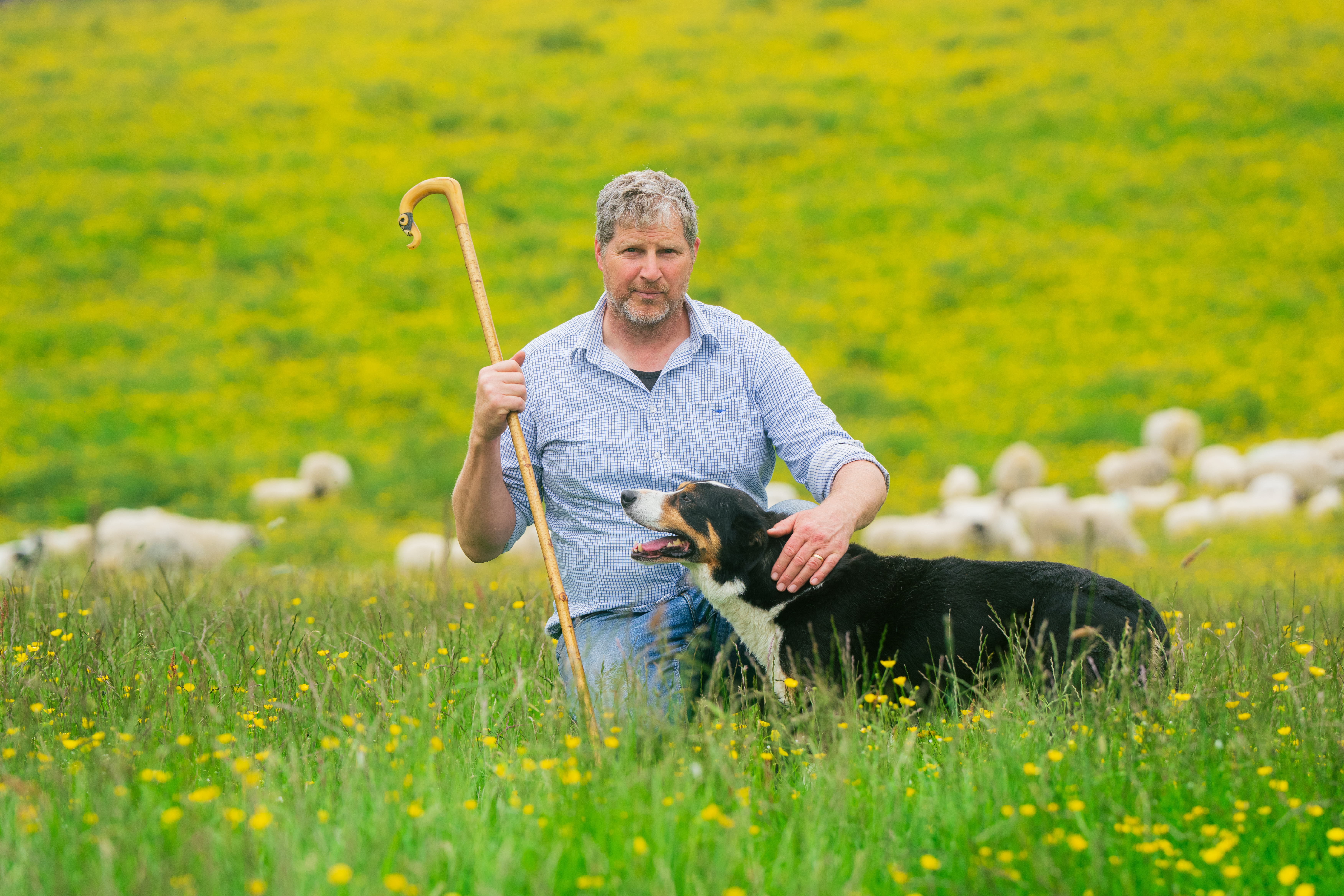
Through Natural England's Catchment Sensitive Farming programme, the National Park Authority worked with 220 farmers & landowners in 2025/26 to provide advice on improving water quality, including nutrient management planning, herbal leys, soil health, and slurry management.
Yorkshire Water has started work at two sewage treatment works in the National Park (at Hebden and Malham) to reduce the amount of flow in the sewer, making storm overflow discharges less likely.
Rationale
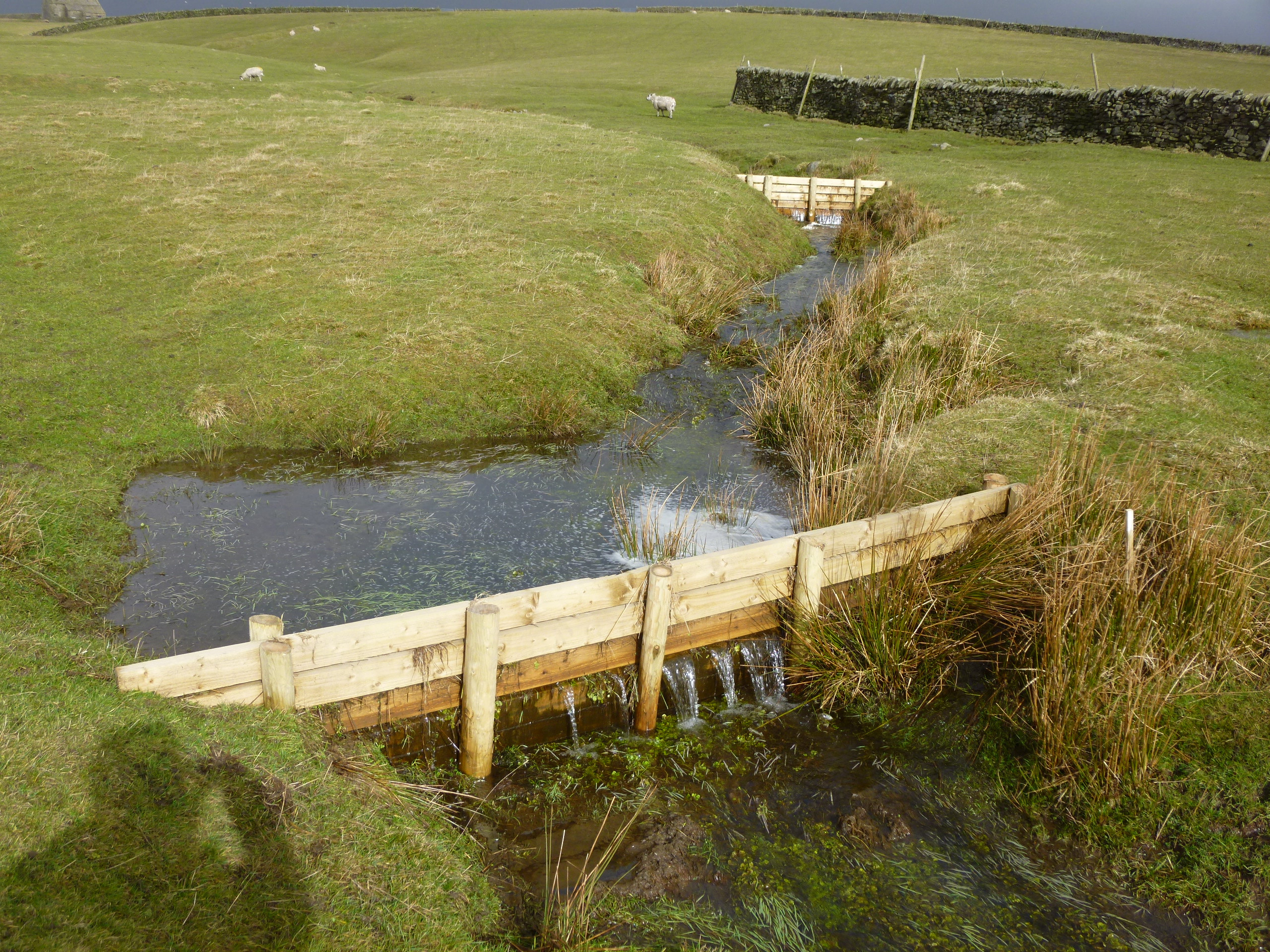
Reducing pollution and improving the water quality in rivers and streams was the third highest priority from the public consultation. Water quality in Dales rivers (51% in good condition) is amongst the best in England but still relatively poor (and has declined from 62% in 2022, although this may be because a number of rivers previously in good condition have yet to be re-assessed). The largest source of pollution is nitrates/phosphates and soil erosion from agriculture, which is being tackled primarily through the Catchment Sensitive Farming programme, as well as wider land management actions to restore floodplain, wetland and other habitats (e.g. 1.2, 1.3, 1.7, 2.2, 2.3, 2.4) and moves to encourage more regenerative farming practices (2.1). Abandoned metal mines pollute over 170 km of rivers, notably in Swaledale, with zinc, cadmium and other metals. The Water and Abandoned Metal Mines Programme – run by the Environment Agency and Mineral Remediation Authority - is planning to develop options to clean up metal pollution in Swaledale over the next 5 years. Finally, there are also a small number of sewage treatment plants in the National Park from which sewage is being regularly discharged (100+ times per year), notably in the Upper Aire and Upper Ure catchments. Yorkshire Water has plans in place to make significant improvements at 10 of those sites by 2030. The target date is set to align with the publishing of national water monitoring data every 3 years (2028, 2031). The 3 lakes/tarns in the National Park (Malham Tarn, Semerwater and Sunbiggin Tarn) are all covered by objective 1.5.
Lead organisation
Environment Agency
Supporting organisations
Yorkshire Dales National Park Authority, Yorkshire Dales Rivers Trust; Ribble Rivers Trust; Lune Rivers Trust; Eden Rivers Trust; Natural England; Forestry Commission; North Yorkshire Council; Mining Remediation Authority; Stop Ure Pollution; Wild Trout Trust.
Cost over 5 years
Funding shortfall