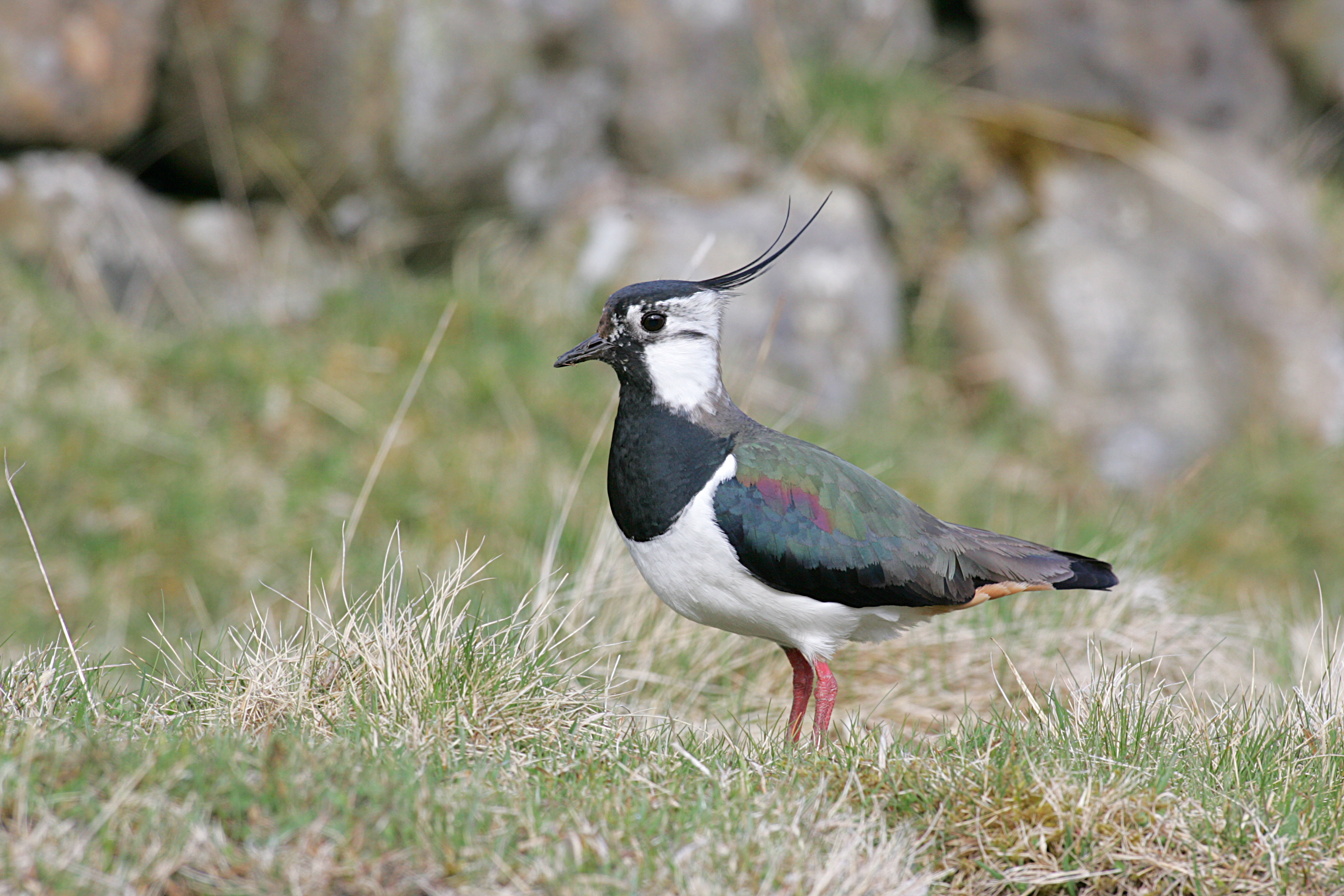
Latin name: Vanellus vanellus
The Yorkshire Dales National Park is nationally important for breeding waders, including the distinctive lapwing. While much attention is given to curlew, lapwing are experiencing similar population declines across the UK. The Dales remain a vital upland landscape for this species, offering important breeding habitat and seasonal refuge.
A sign of spring in the Dales
The lapwing is one of the most recognisable birds of the Yorkshire Dales. Each spring, male lapwings perform spectacular tumbling display flights, signalling the start of the breeding season.
Their distinctive, far-carrying “peewit” call — from which they get their local name — can often be heard across open farmland and moorland edges. These displays are a key part of establishing breeding territories and are one of the most memorable sights and sounds of spring in the National Park.
Habitat and behaviour
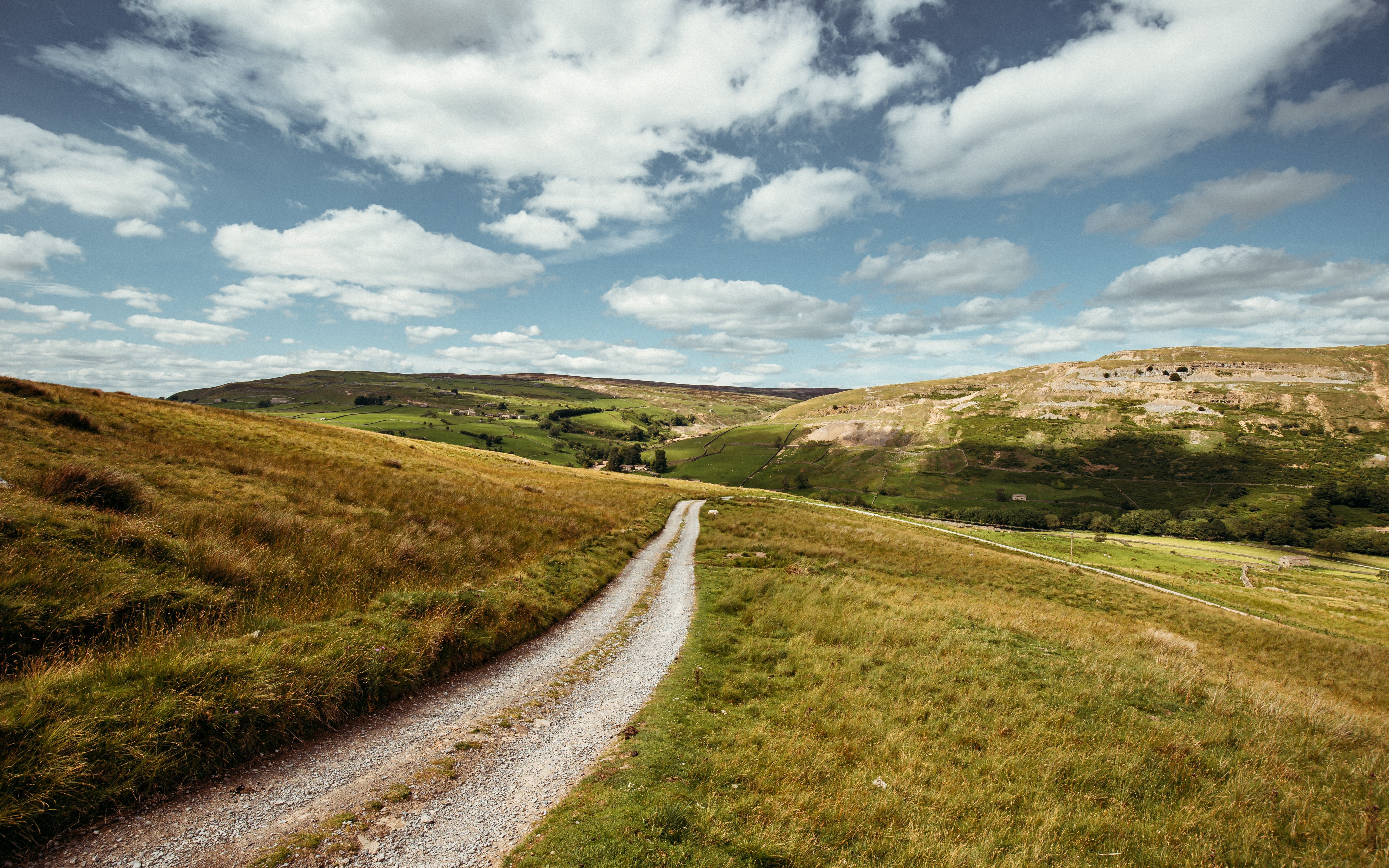
Lapwing breed in a range of wet or damp habitats, favouring areas with short vegetation where they can nest on the ground.
In the Yorkshire Dales, this includes:
- Hay meadows and pasture in valley bottoms
- Rough grazing land and rushy fields
- Moorland fringe and suitable higher ground
After successful breeding seasons, large flocks of adult and young birds can gather on low-lying land, particularly where feeding conditions are good.
Seasonal movements
Lapwing behaviour changes throughout the year:
Spring and summer (breeding season):
Lapwing return to upland breeding areas across the Yorkshire Dales, nesting on open ground where visibility is good.
Autumn and early winter:
Many birds remain in the uplands until colder weather arrives.
Winter:
As frosts set in, lapwing move to lowland farmland and arable areas, where feeding conditions are more reliable.
Why lapwing need help
Like many breeding waders, lapwing are facing ongoing challenges. These include:
- Habitat change, particularly the loss of suitable wet grassland and short vegetation
Disturbance during nesting, as eggs and chicks are vulnerable on the ground
Changes in land management, affecting breeding success
Upland areas such as the Yorkshire Dales now play an increasingly important role in supporting surviving populations.
Working together to protect breeding waders
Conservation work in the Yorkshire Dales is focused on improving breeding success for species like lapwing through habitat management, monitoring and partnership working.
Find out more about local initiatives:
- YDNPA Partnership to help breeding waders
How you can help
Lapwing nest on the ground, making them particularly sensitive to disturbance during the breeding season.
If you’re visiting the Yorkshire Dales National Park:
- Keep dogs on a short lead in areas with ground-nesting birds
- Stick to public rights of way, especially in spring and early summer
- Take notice of local signage advising on sensitive habitats
- Give birds space — repeated alarm calls may mean you are near a nest or chicks
Small actions can make a big difference to the success of breeding lapwing in the Dales.
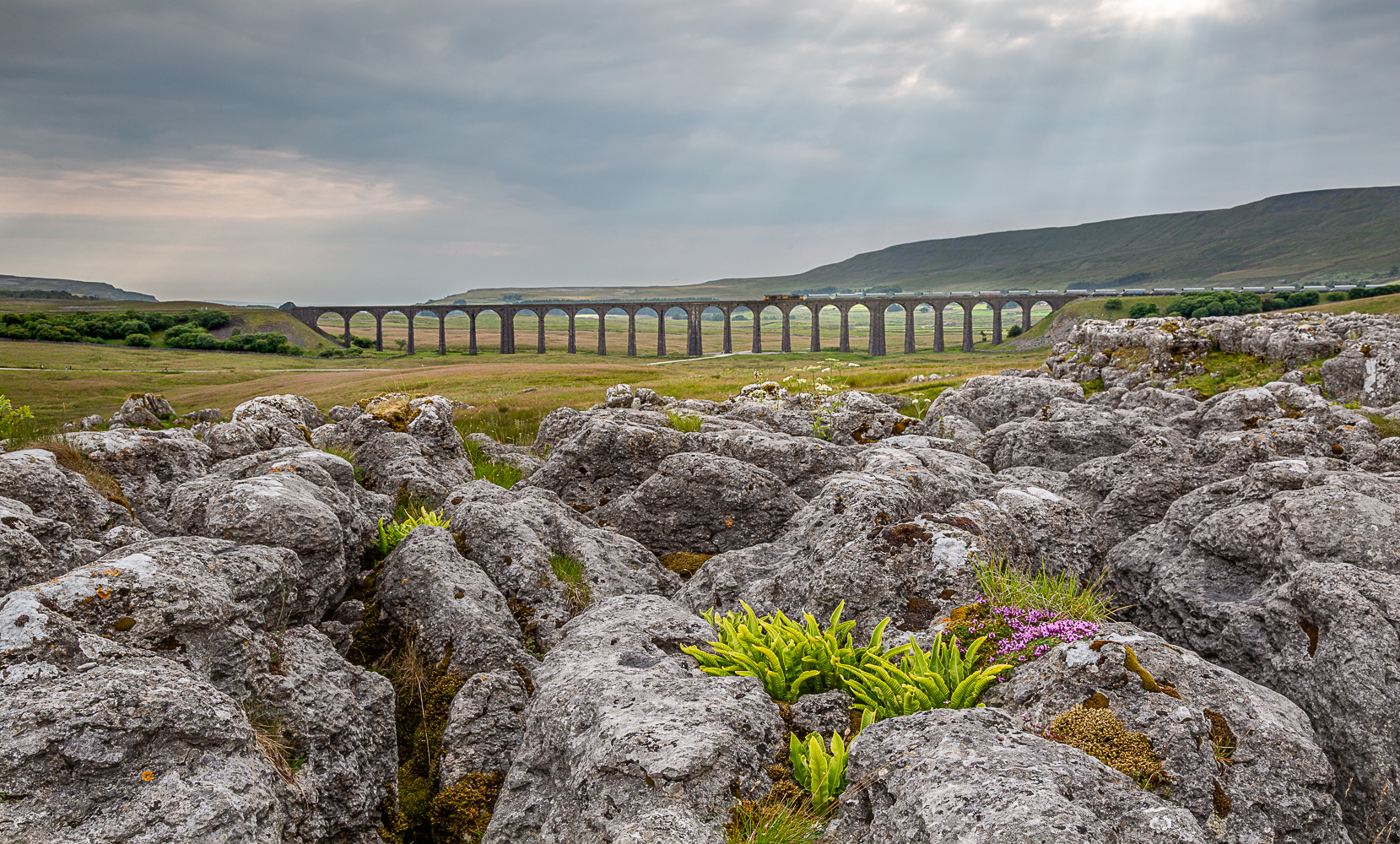
Nature Recovery Plan
Find out how partners are working together to create a richer, more connected landscape for nature and wildlife.
Read more about Nature Recovery Plan