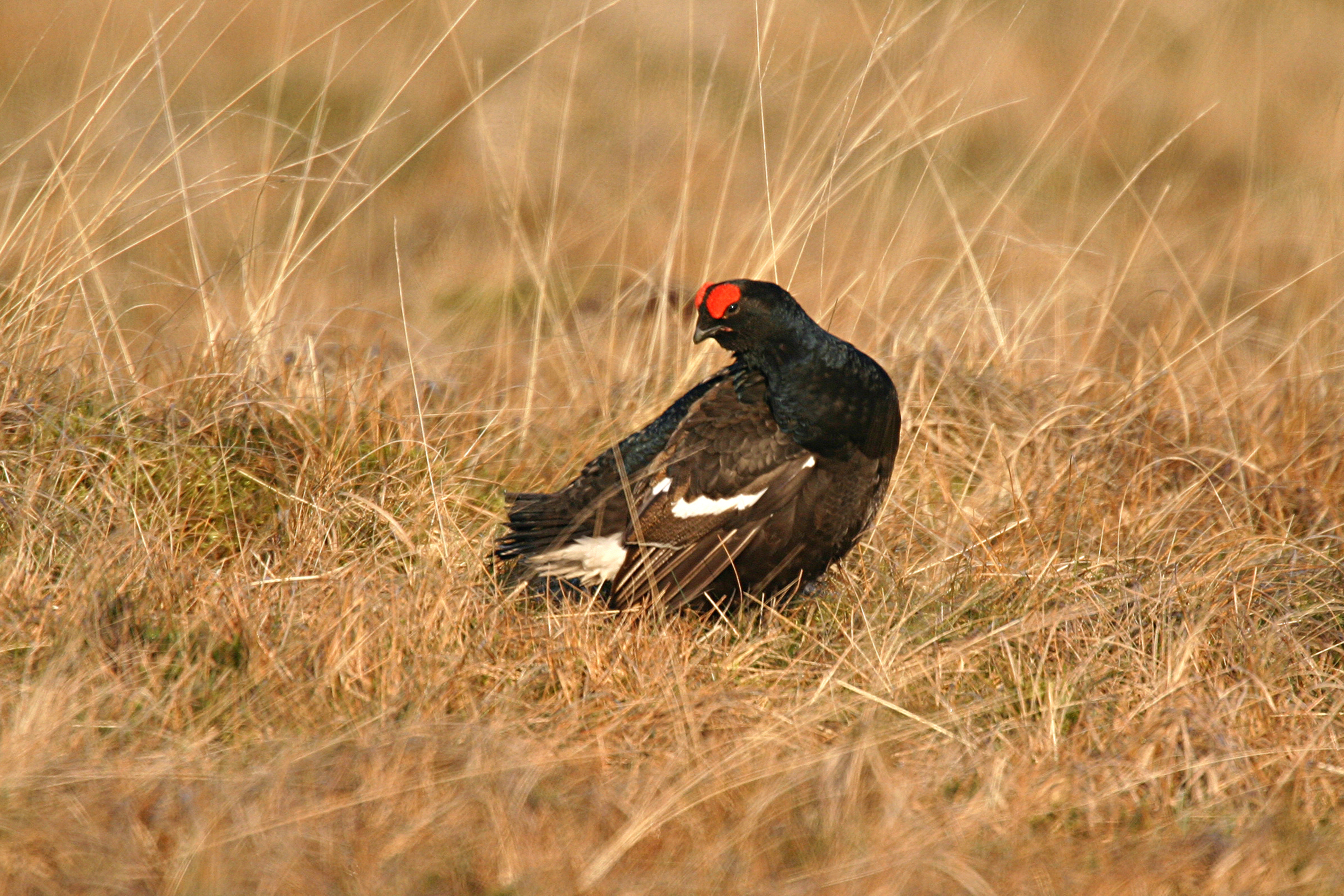
Latin name: Tetrao Tetrix
The black grouse is one of the most distinctive upland birds of the Yorkshire Dales National Park, strongly associated with the moorland fringe.
This species depends on a rich mix of habitats, including rough grassland, pasture, heather moorland, hay meadows and scrub woodland. This mosaic of habitats provides the food, shelter and nesting conditions needed to support breeding populations.
Habitat and landscape
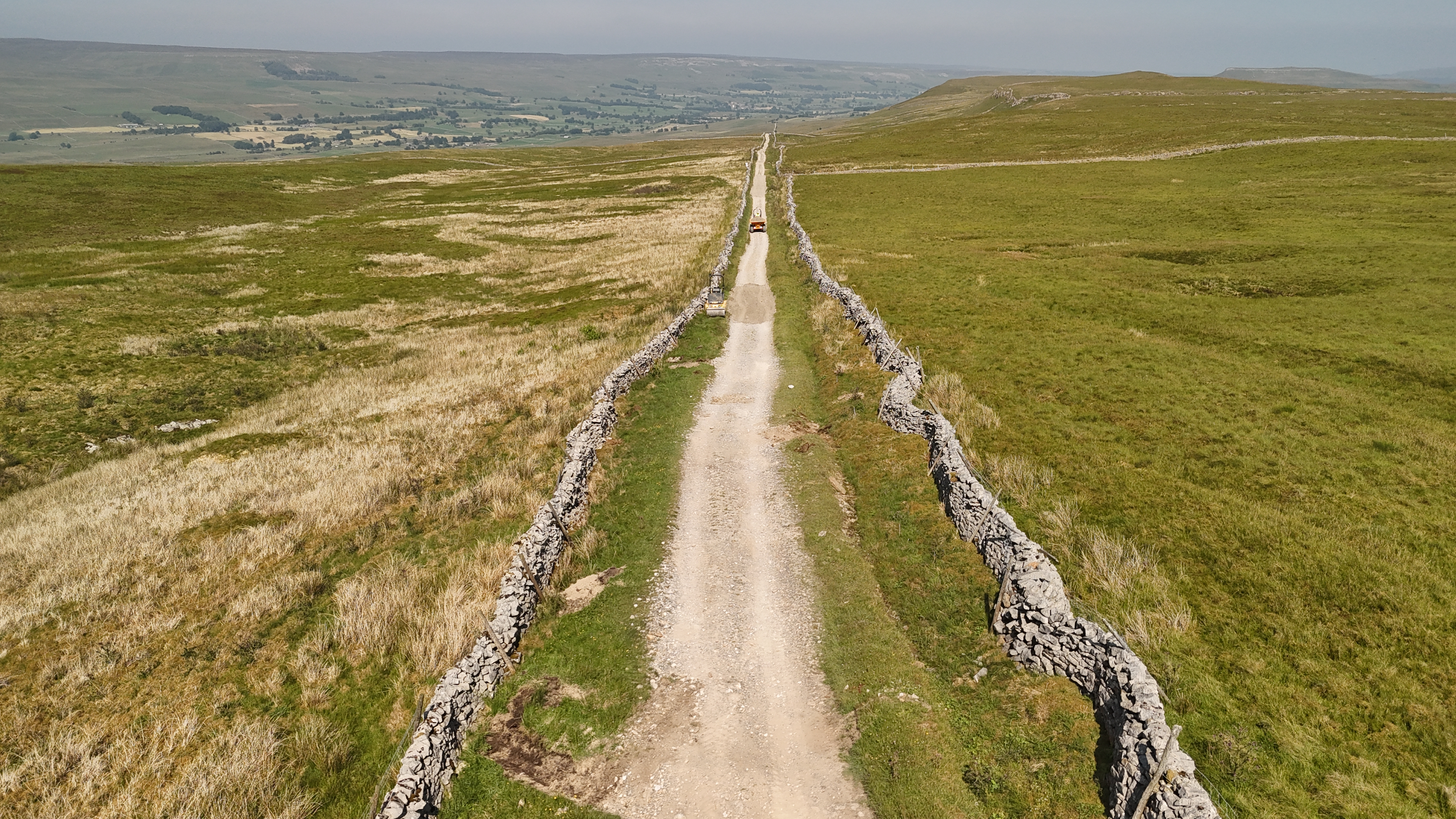
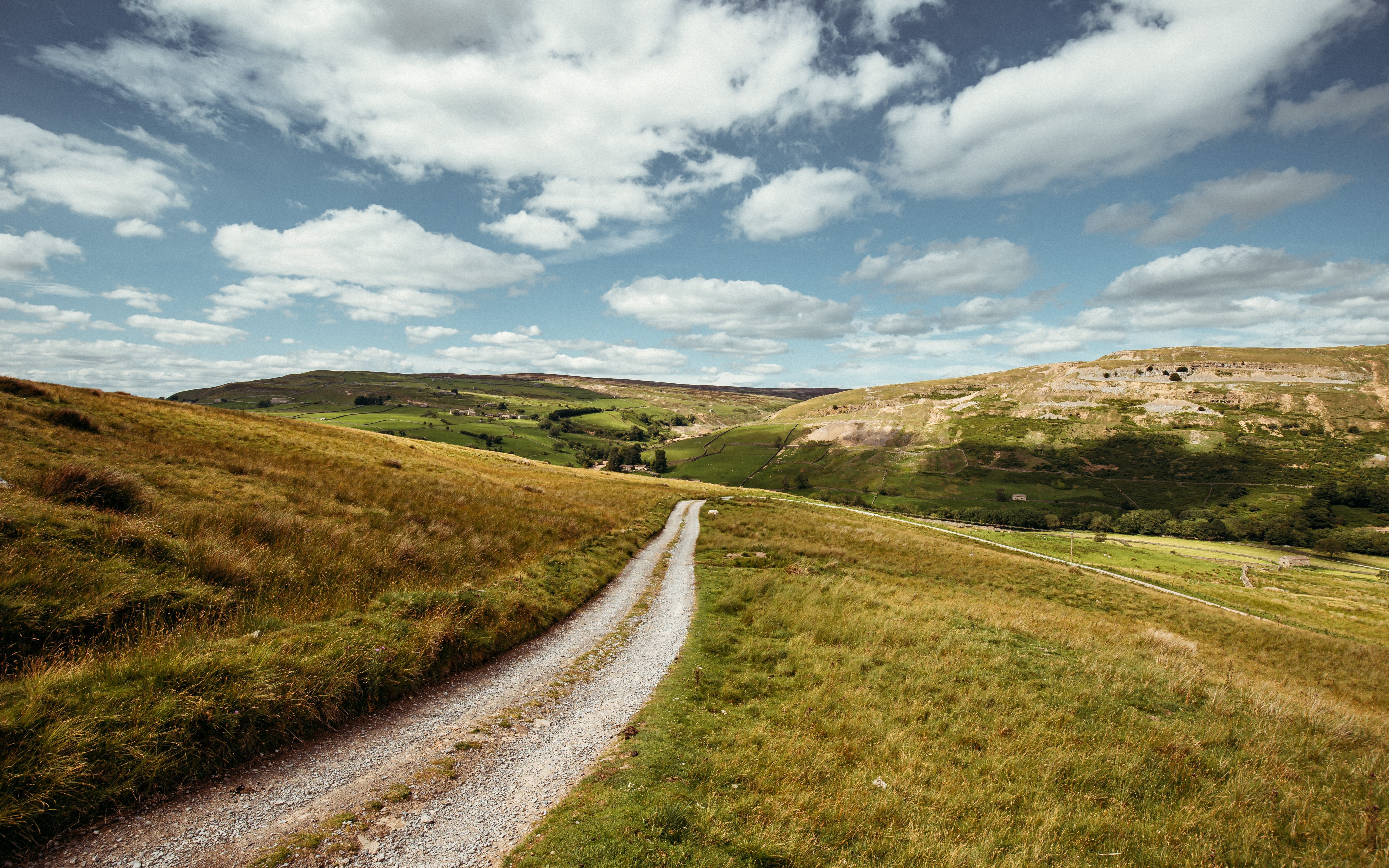
Black grouse are closely linked to the upland edge habitats of the Yorkshire Dales, where moorland meets farmland.
They require:
- Open areas for displaying and feeding
- Dense vegetation for nesting and chick shelter
- A varied landscape that supports insects and plant food sources
This makes the management of moorland fringe habitat particularly important for the long-term survival of the species in the National Park.
Changes in population
Black grouse were once widespread across the Yorkshire Dales, with small populations found wherever suitable habitat existed along the moorland edge.
In the late 20th century, the planting of conifer woodlands initially led to a temporary increase in numbers, as young plantations provided ideal nesting habitat. As woodland matured and habitat quality declined elsewhere, populations fell in line with national and regional declines.
In recent years, targeted conservation and land management has helped support recovery. Numbers have increased from around 50 lekking males in the late 1990s to around 150 males in recent years
Despite this progress, the population remains vulnerable to habitat degradation, predation, and poor weather during the chick hatching period, which can significantly affect breeding success.
Spring displays and leks
Black grouse are best known for their spectacular courtship displays, which take place each spring.
Males gather at traditional sites known as leks. They display with tails fanned and wings drooped, producing a distinctive bubbling and cooing call. Peak activity occurs at dawn, and to a lesser extent at dusk.
Females visit the lek to choose a mate, usually selecting a dominant male. After mating, they leave the display site to nest and raise chicks alone in surrounding habitat.
Watching black grouse responsibly in the Yorkshire Dales
Spring is the best time to see black grouse, but it is also the most sensitive period in their lifecycle.
These birds are highly susceptible to disturbance, particularly at lek sites. Any disruption can affect breeding success.
If you are hoping to see black grouse in the Yorkshire Dales:
- Avoid approaching leks or known display sites
- Keep a respectful distance from birds at all times
- Follow guidance from local organisations and signage
View the RSPB's guidance
Why black grouse matter
Black grouse are an important indicator of the health of upland habitats in the Yorkshire Dales National Park.
Their presence reflects:
- Well-managed moorland fringe landscapes
- Healthy insect populations for chicks
- A balance between open ground and cover
Ongoing conservation work is essential to ensure that this iconic species remains part of the Dales landscape for future generations.
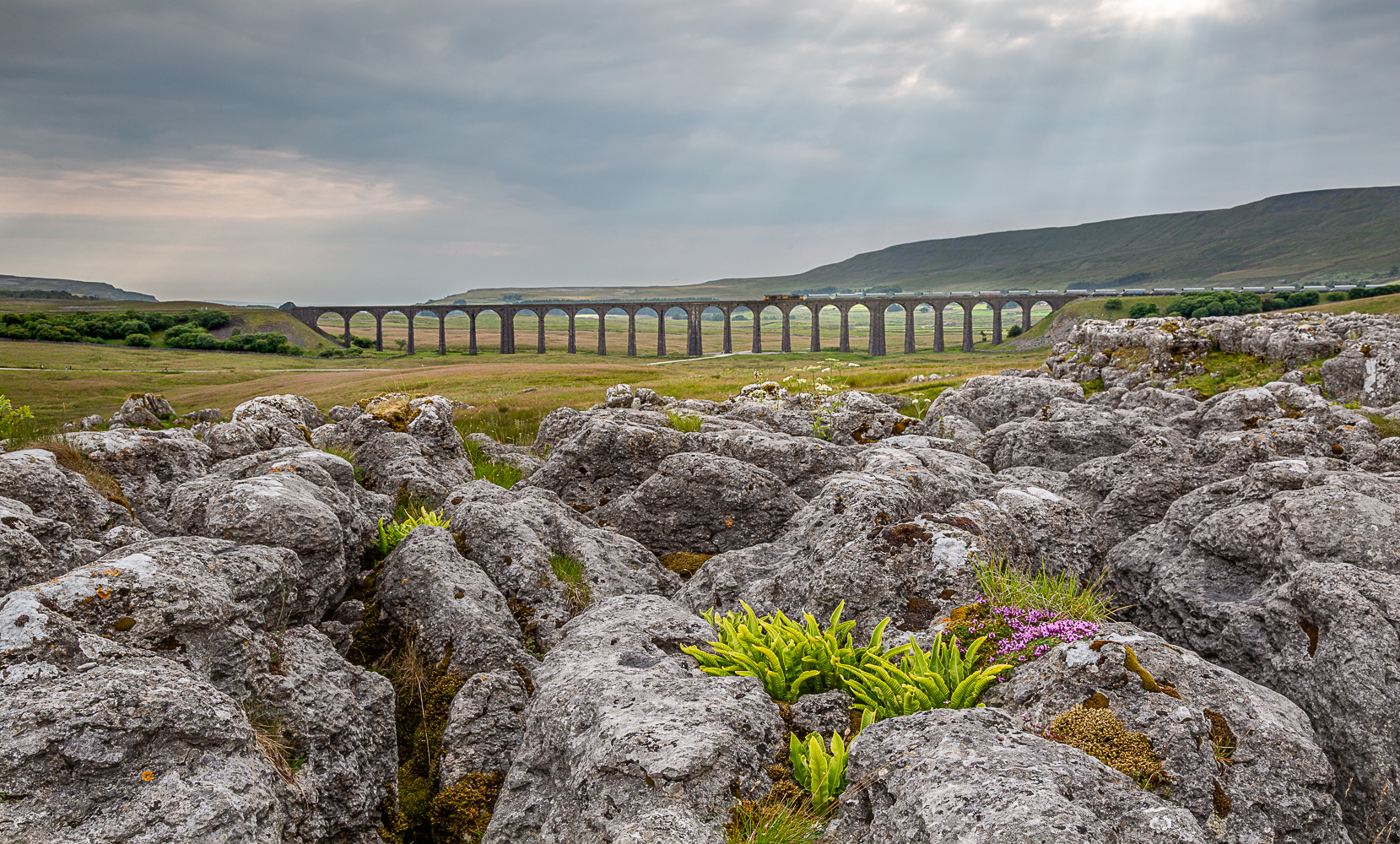
Nature Recovery Plan
Find out how partners are working together to create a richer, more connected landscape for nature and wildlife.
Read more about Nature Recovery Plan