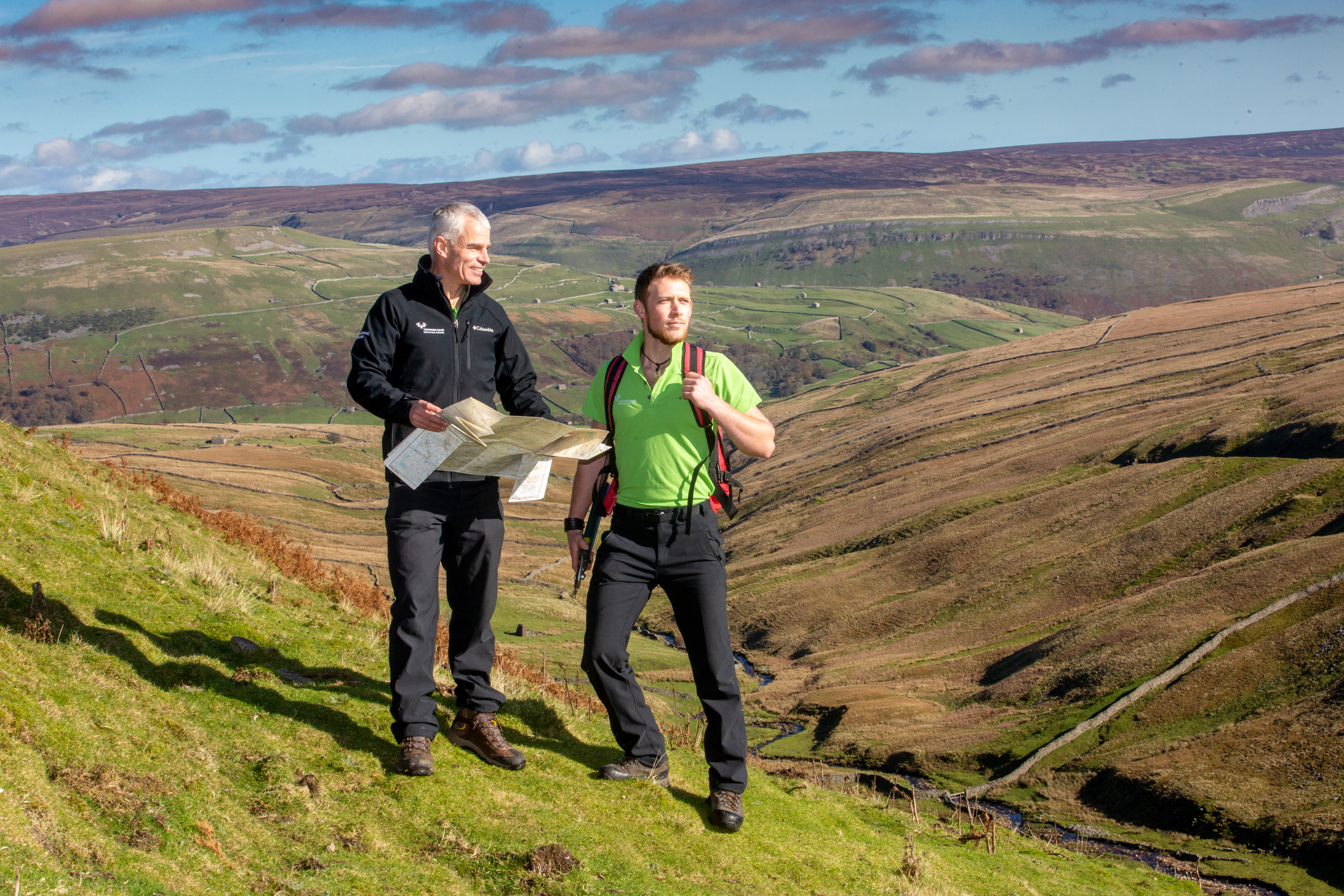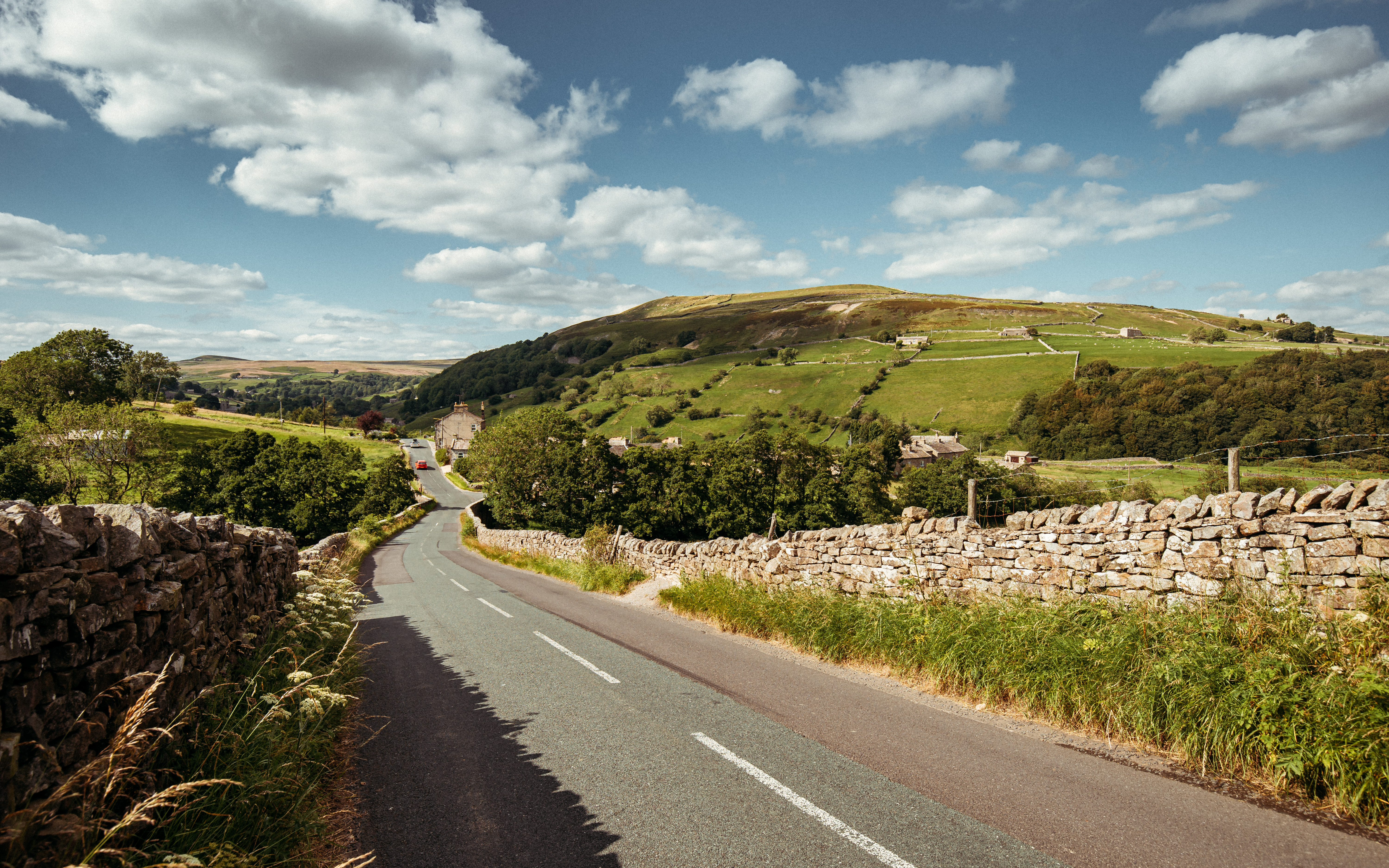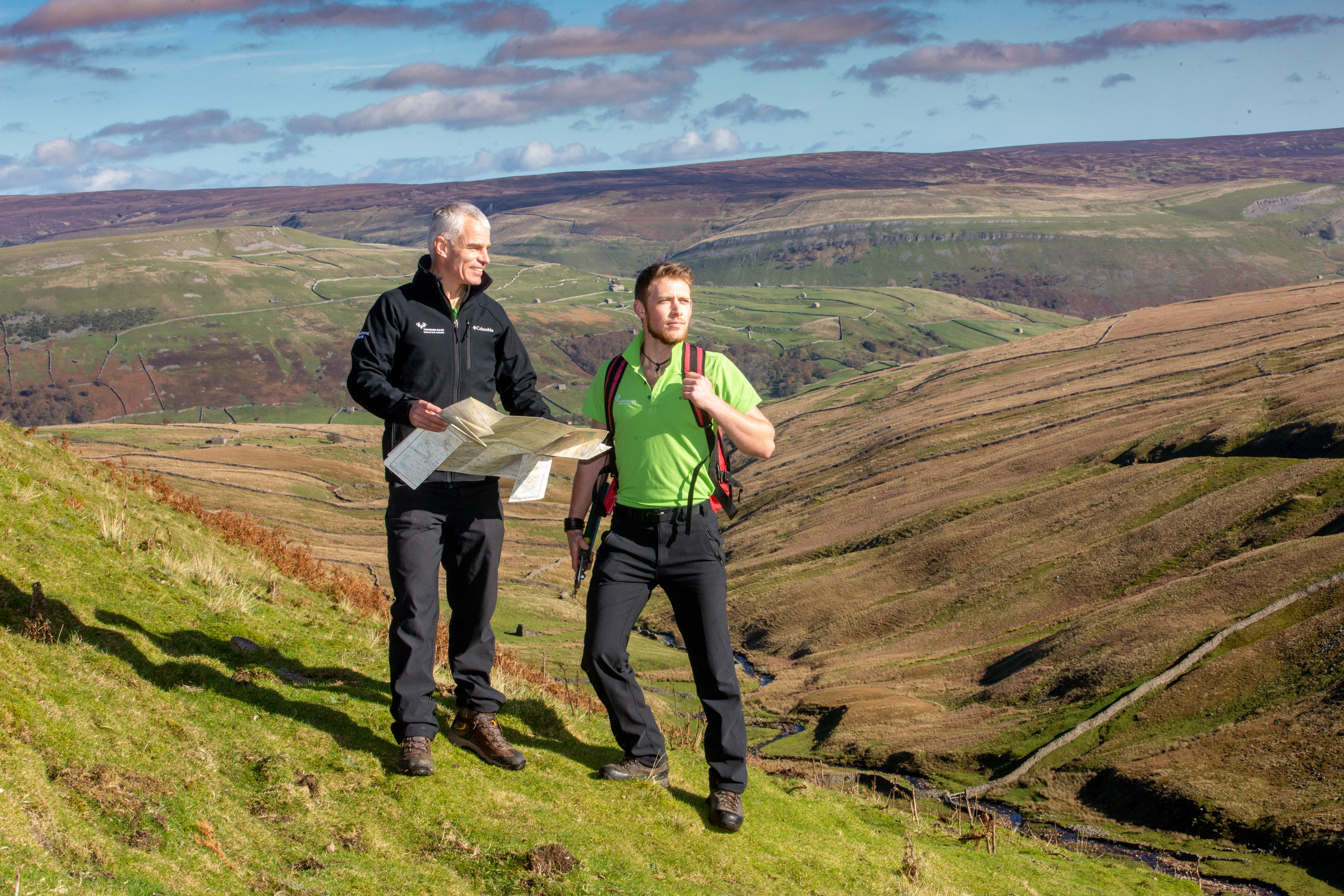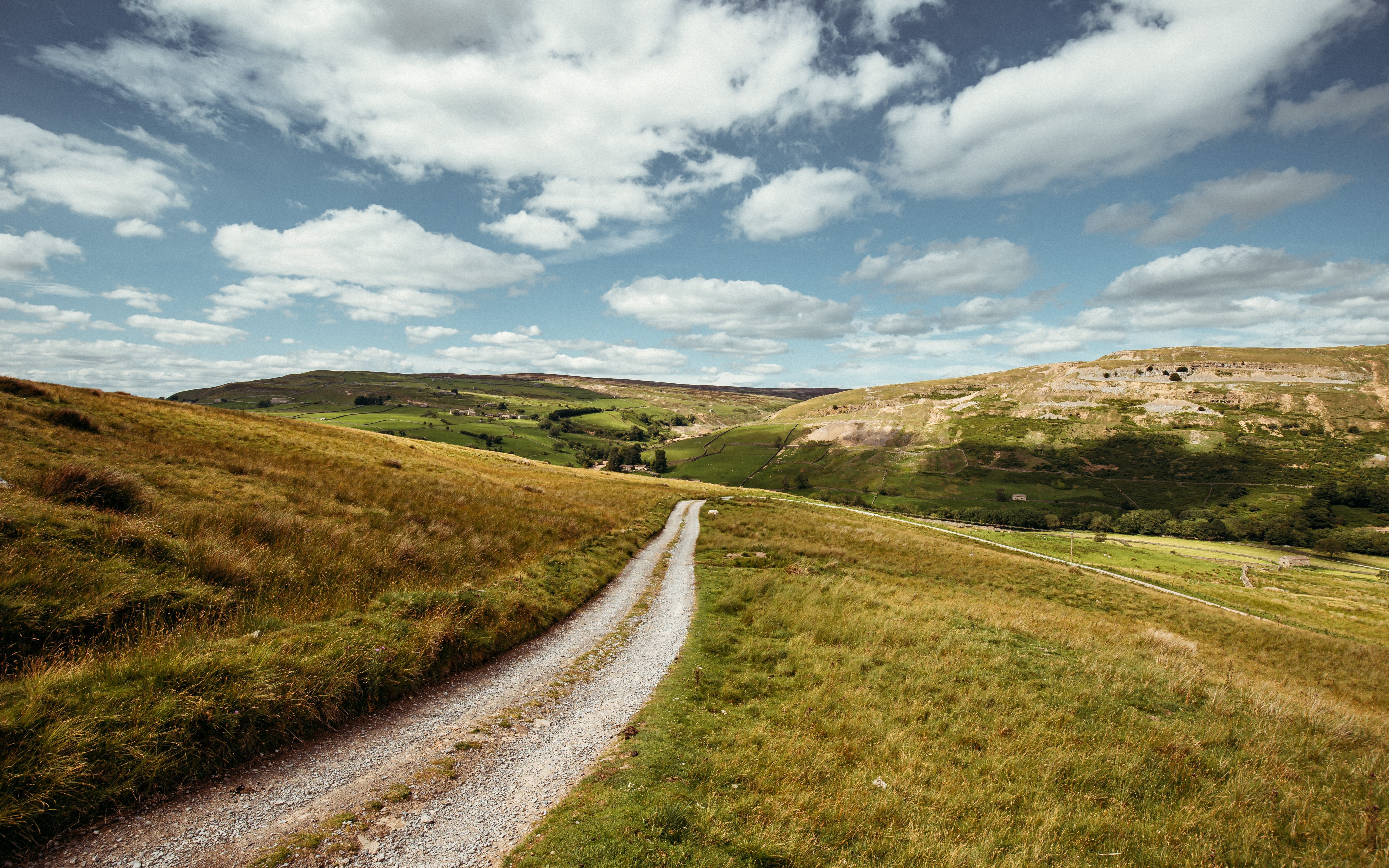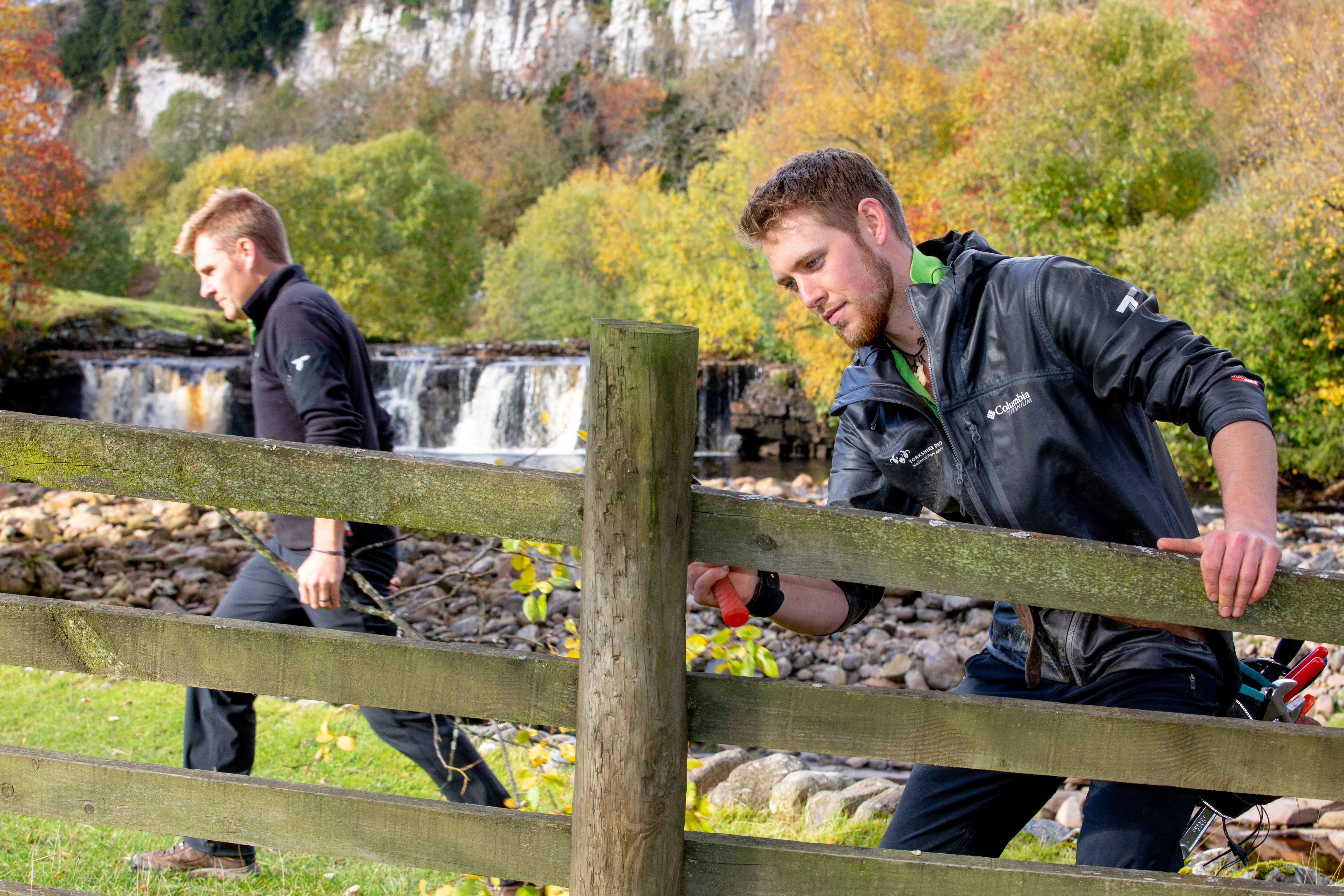
Many of the present-day paths and tracks in the National Park originated centuries ago. If all the public paths and ways were joined end to end, they would provide a walk 2,623km long. This rights of way network includes tracks, paths, and just faint lines across moorland. These routes have largely been inherited from past generations who used them as part of their everyday lives. This network now provides opportunities for both local people and visitors to enjoy our magnificent scenery.
The Yorkshire Dales National Park Authority manages this important facility. It has a range of duties, which include legally protecting the network and carrying out maintenance work.
But those who own or occupy the land over which rights of way pass also have responsibilities.
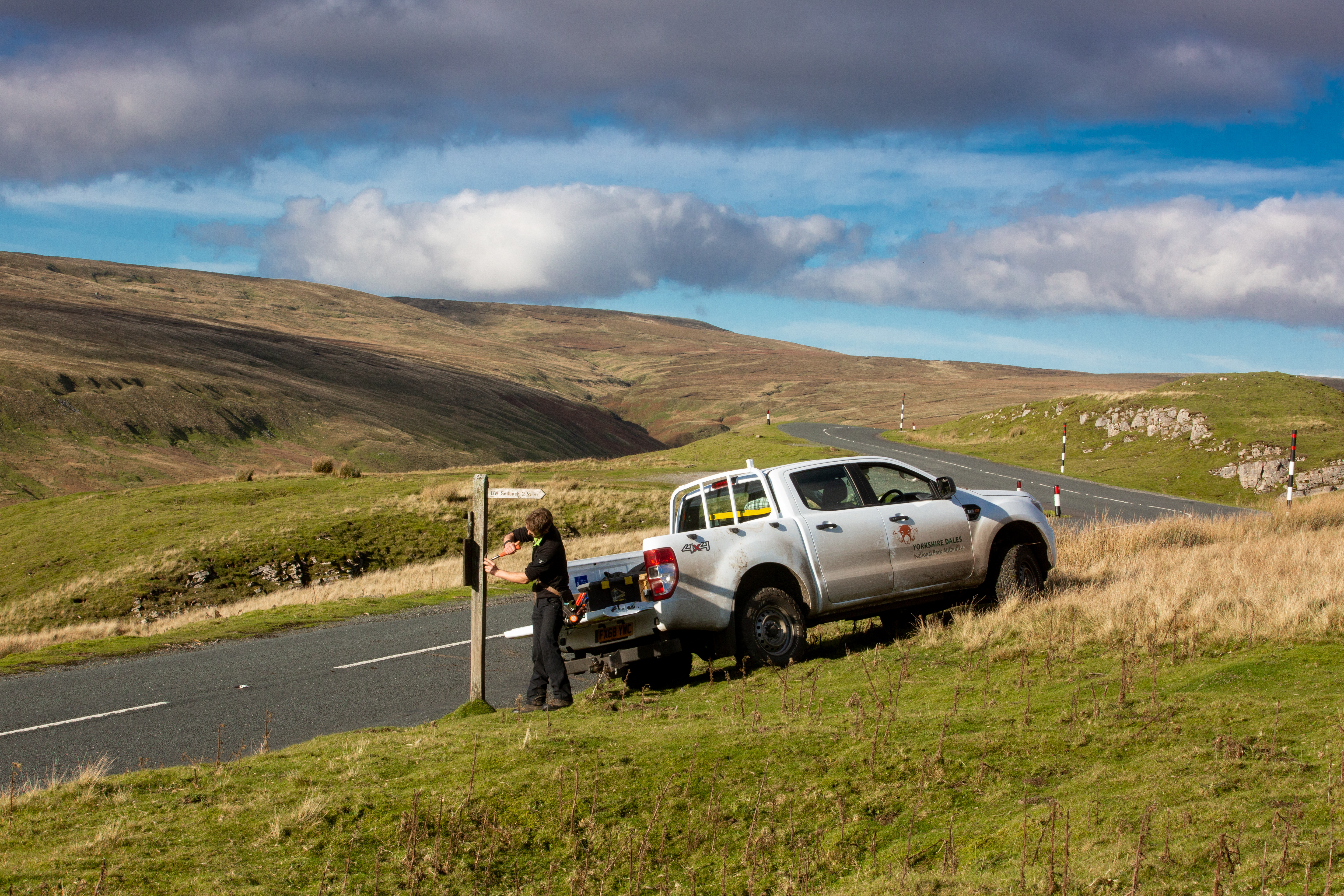
Guidance for land managers
Find out what public rights of way mean for landowners and occupiers, including legal responsibilities and where to get advice and support.
Read more about Guidance for land managersPublic Rights of Way today
Public rights of way are legally highways that fall into different categories.
Footpaths
A footpath is a highway on which the public has a right of way on foot only.
Bridleways
On a bridleway the public has a right if way on foot, on horseback, leading a horse, and on a pedal cycle. Cyclists must give way to riders and pedestrians.
Restricted Byways
Restricted byways provide a right of way for walkers, horse riders, pedal cyclists, and horse-drawn vehicles.
Byway Open to All Traffic (BOAT)
A byway open to all traffic is a highway on which the public has a right to take a motor vehicle, but is used mainly as a footpath or bridleway.
General guidance
- Dogs may accompany those using rights of way, but they must be under close control and remain in sight.
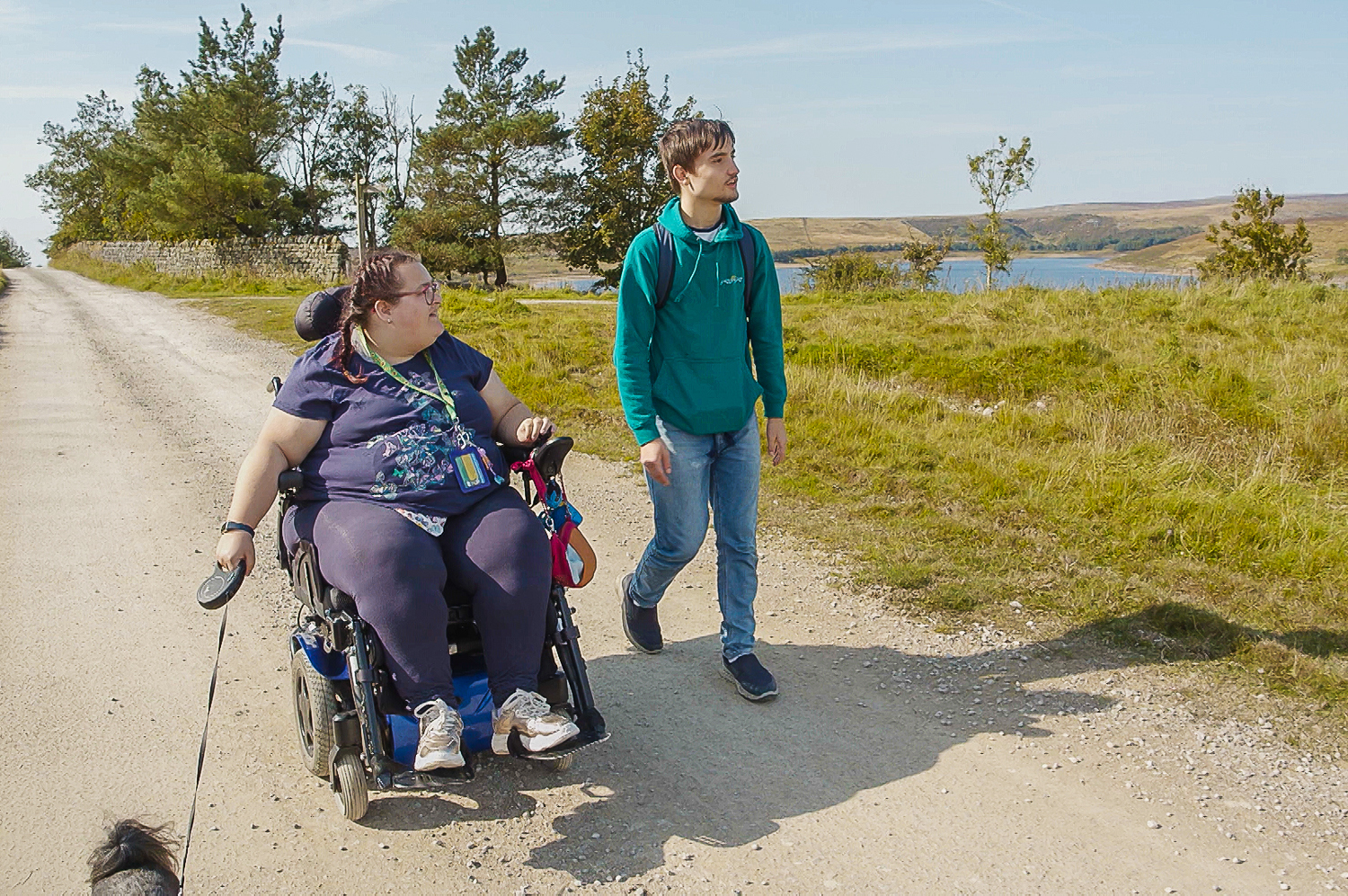
- A walker includes a person who uses manual or powered mobility aids, such as a wheelchair or scooter.
- Whilst using a right of way, people may stop to admire the views or eat a picnic, provided they keep to the line of the path, and do not cause an obstruction.
- Prams and pushchairs can legally be taken on all routes, although users cannot always expect to find a suitable surface, and may experience difficulties at stiles.
The National Park Authority’s role
The Yorkshire Dales National Park Authority administers the rights of way network in the Dales. One of our main aims is to provide opportunities for quiet outdoor recreation. We are also concerned with protecting the natural beauty, wildlife and cultural heritage of the National Park.
The Authority is not responsible for tarmac roads, which are maintained by the Highway Authorities in the North Yorkshire, Westmorland & Furness, and Lancashire.
In all three counties, the National Park Authority oversees the management and maintenance of public rights of way within its boundary.
This includes:
- Asserting and protecting the rights of the public to use all legally recorded rights of way
- Ensuring that rights of way are not obstructed, for example by overgrowing vegetation or other barriers
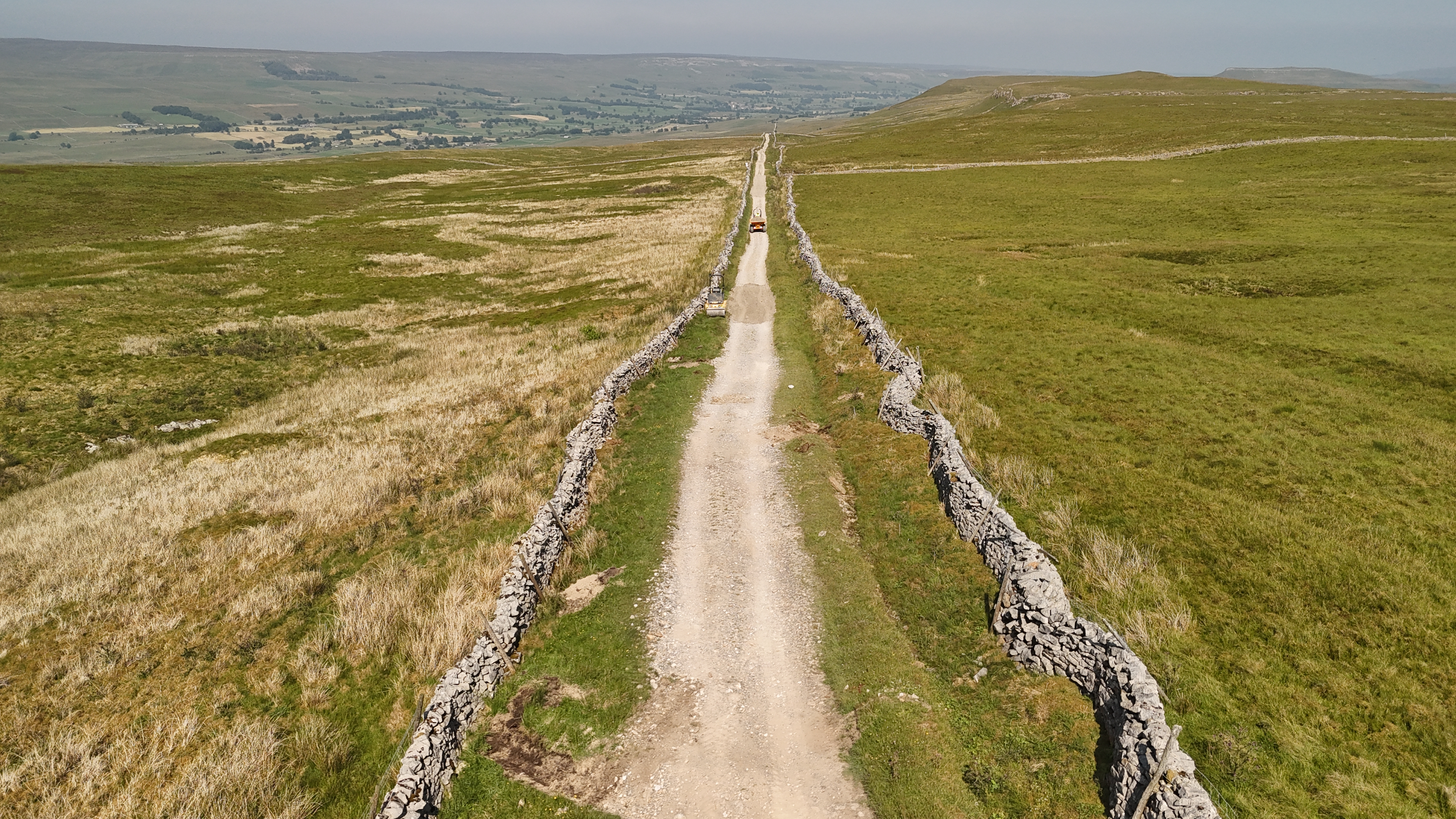
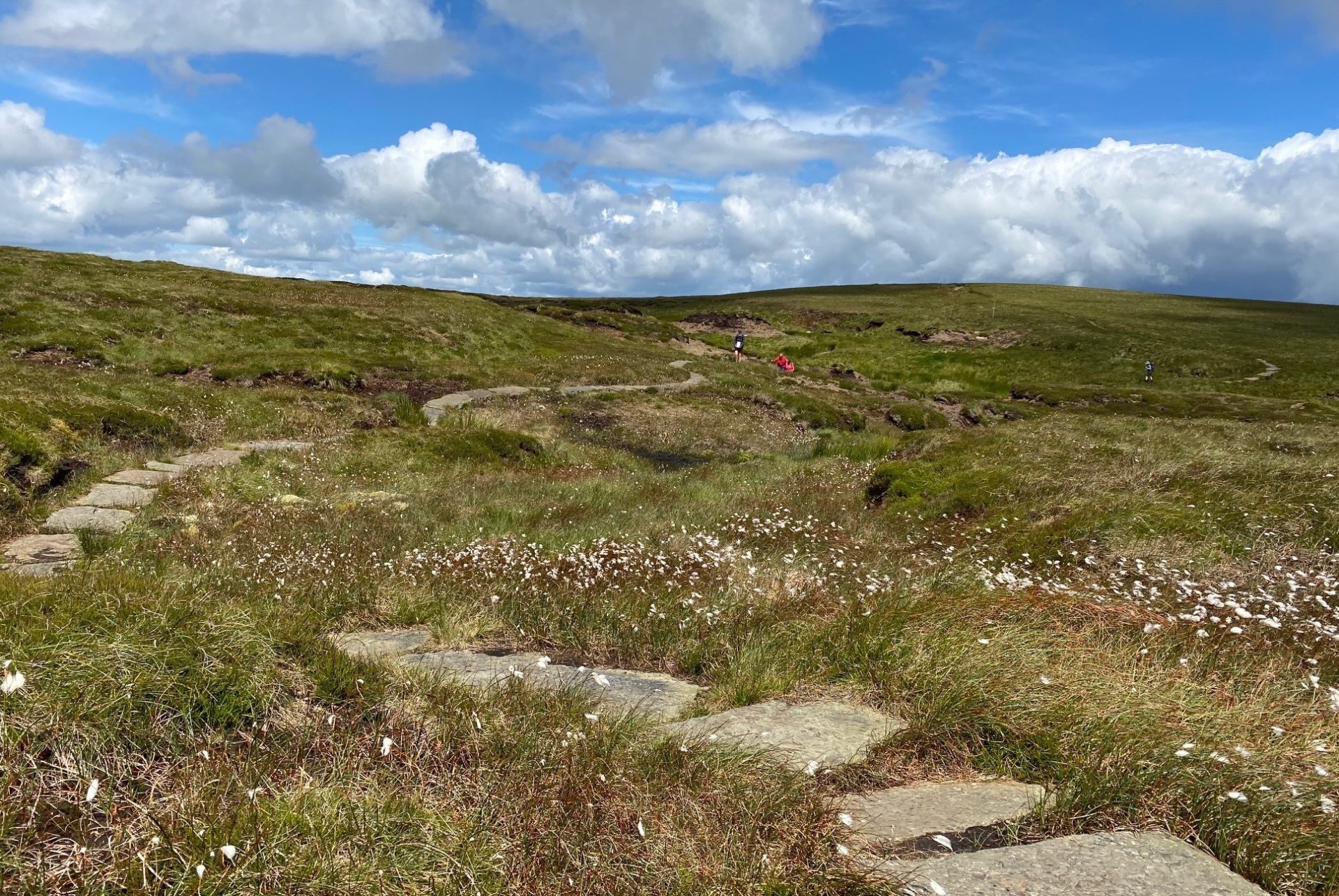
- Maintaining surfaces to a standard appropriate for the use they receive
- Providing and maintaining bridges that carry public rights of way (although others have an interest in them and some may be privately maintained)
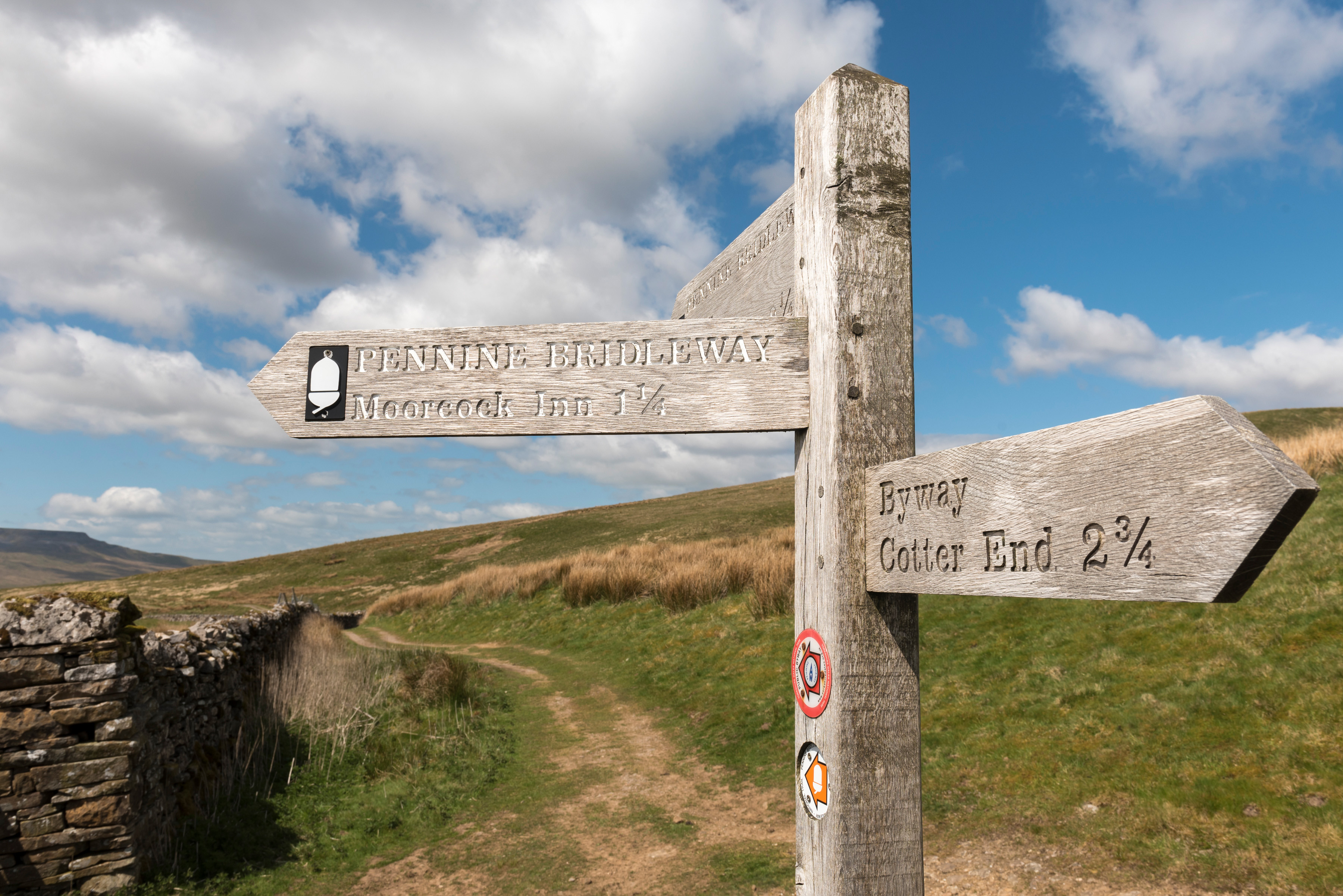
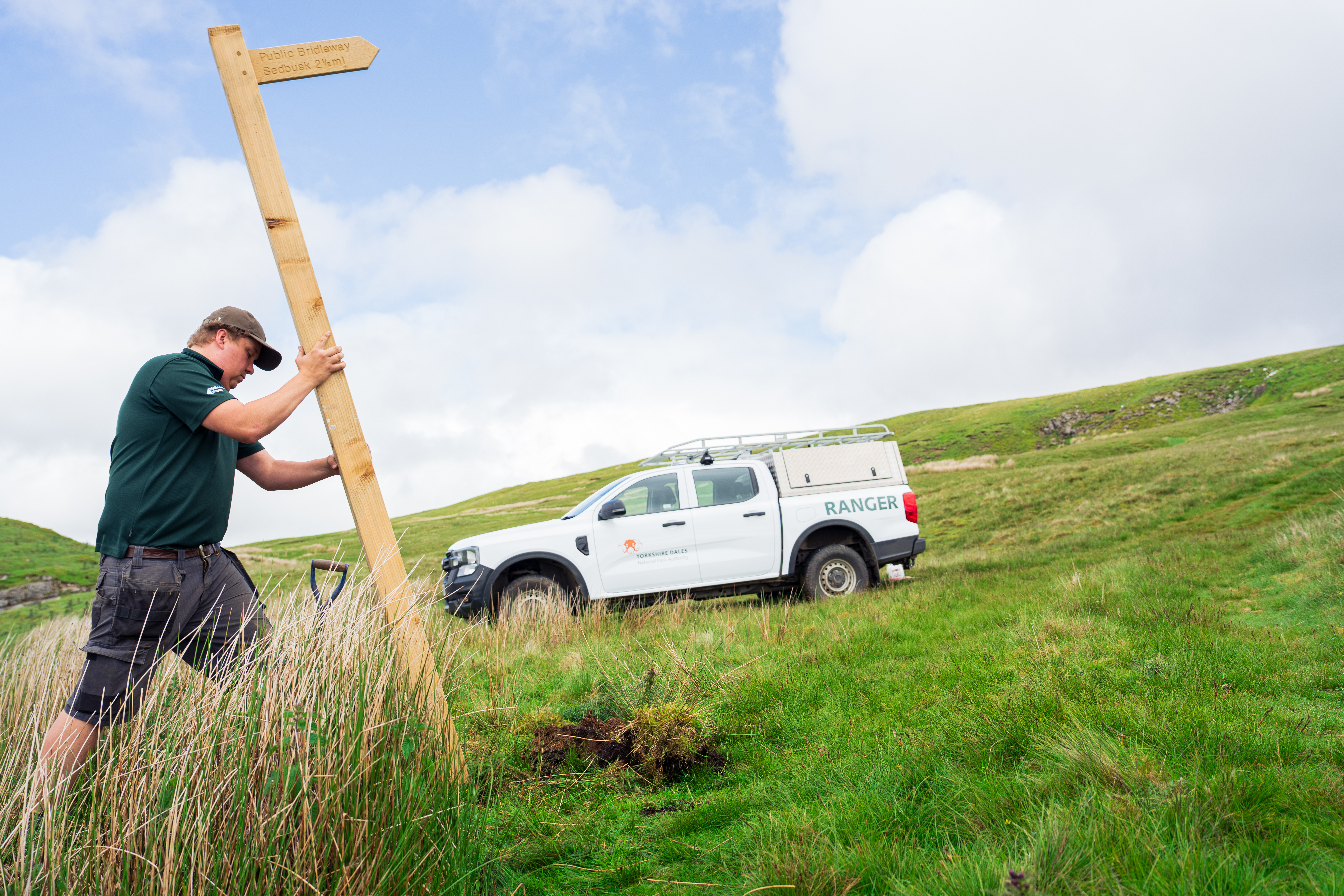
- Signposting rights of way where they leave public roads
- Waymarking routes in co-operation with the landowner
- Contributing to the maintenance of stiles and gates
The network of public rights of way reflects a historical pattern of use, but the network today faces different challenges.
Most of these can be resolved with practical works, through discussion, or through legal changes. Our ranger service is the first point of contact for rights of way matters, and will work with our professional staff as required.
Explore more about Rights of Way
Ranger Service
Discover the work of our rangers and find out how to contact your local ranger team.
Read more about Ranger Service