Rights of way have a number of implications for landowners and occupiers. The Government’s website on the Countryside Code has some useful information and advice for land managers. This sets out your legal rights and responsibilities.
Countryside Code
Enjoy the Yorkshire Dales responsibly with advice on caring for the landscape, wildlife and local communities.
Read more about Countryside CodeIn the Yorkshire Dales the issues that most frequently arise involve the following:
Dogs
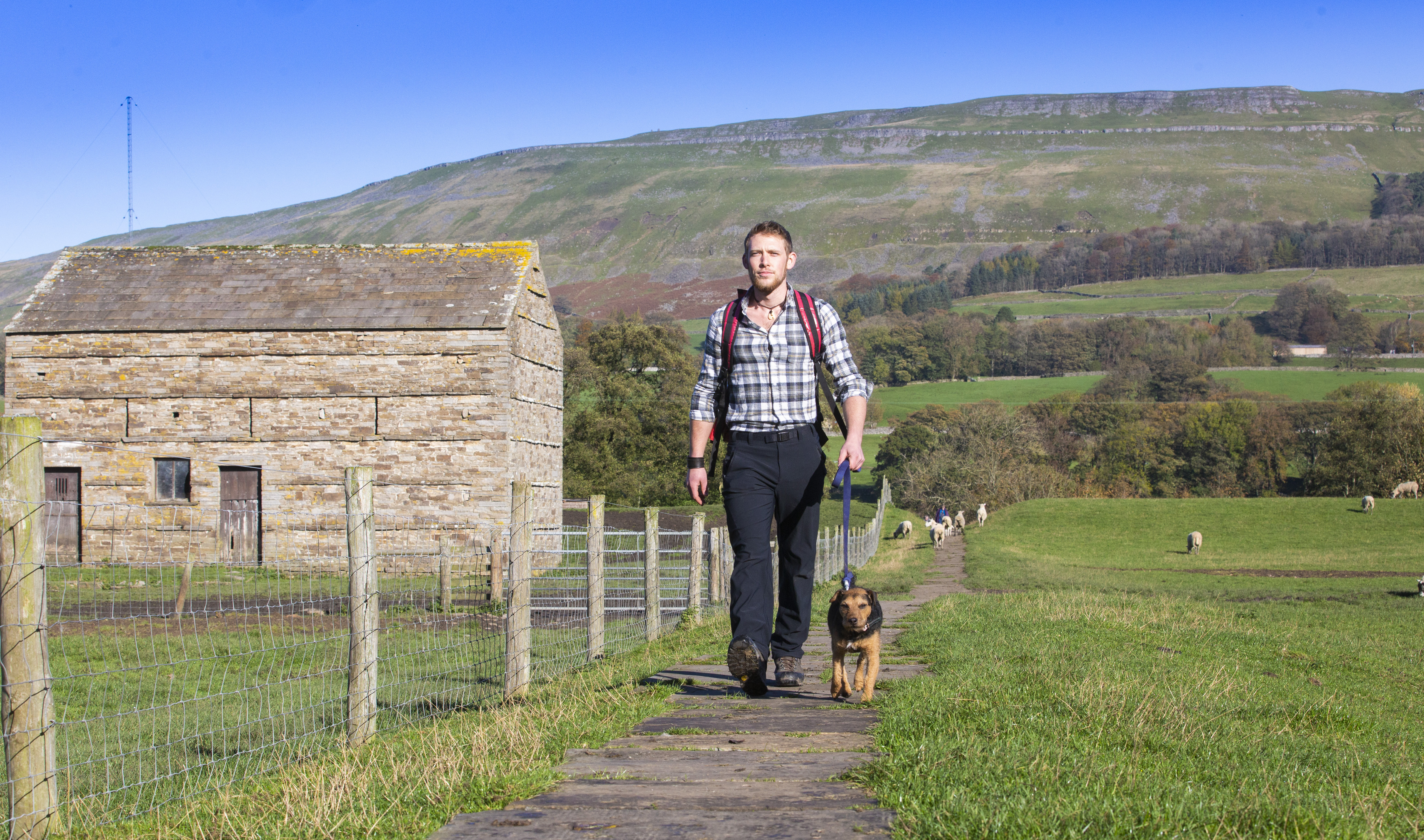
Visitor walking their dog in Hawes, Wensleydale.
Rights of way users with dogs must ensure they are kept under close control, in sight and that they remain on the public right of way at all times. The Dogs (Protection of Livestock) Act makes it an offence for a dog to worry livestock, such as cattle and sheep. Worrying includes chasing, attacking, or simply being loose in a field in a way that could cause stress or harm to animals.
Farmers are advised to report, record and retain any information or evidence relating to livestock worrying and share it with police.
More information can be found on the NFU’s website.
Maintenance of stiles and gates
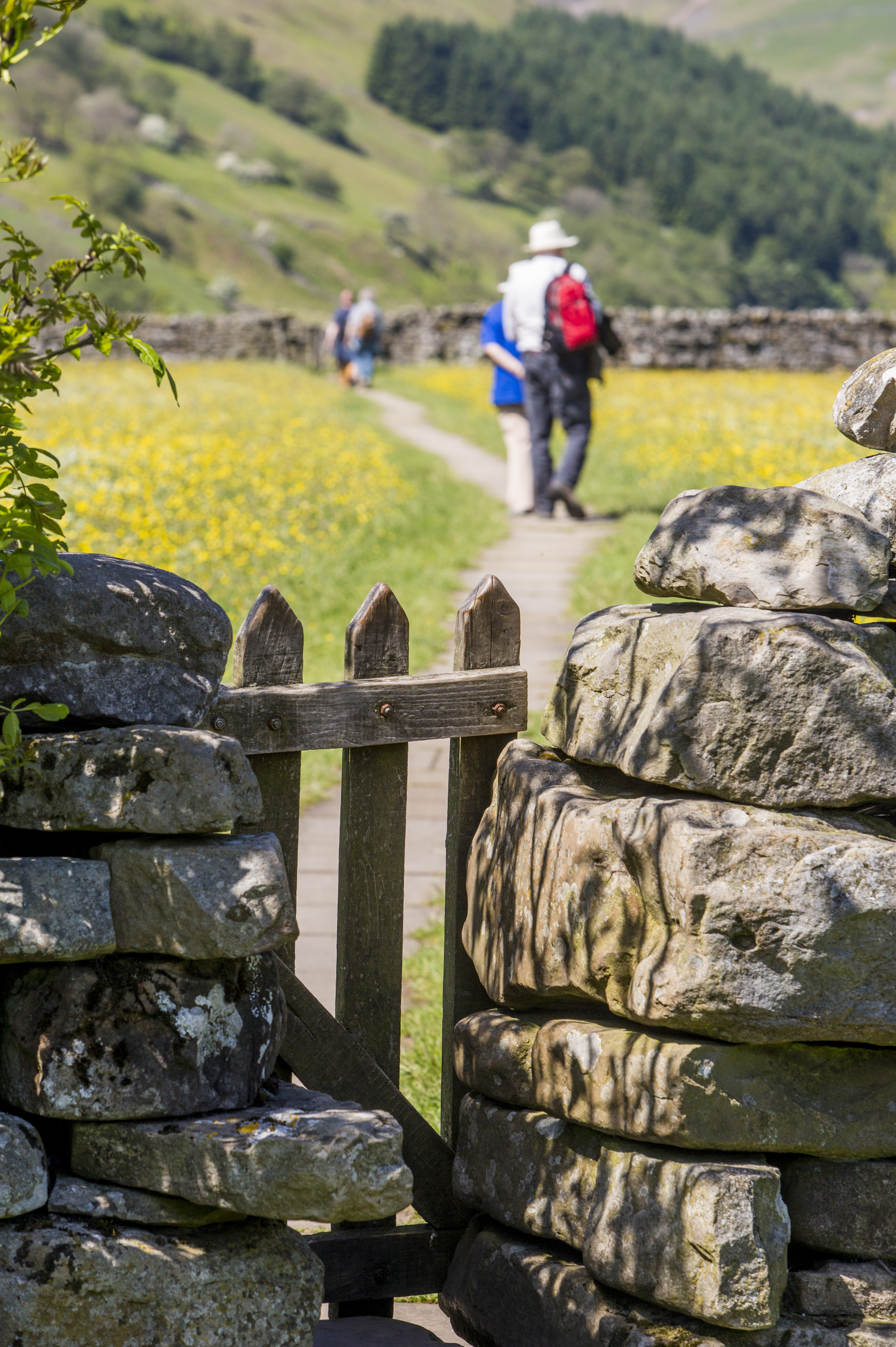
Swaledale meadows
Although in many cases the National Park Authority will, on behalf of the landowner, carry out any repairs that are necessary, it is the landowner who has the duty to maintain any established gates and stiles across rights of way. Contact your Area Ranger for more information.
New stiles and gates
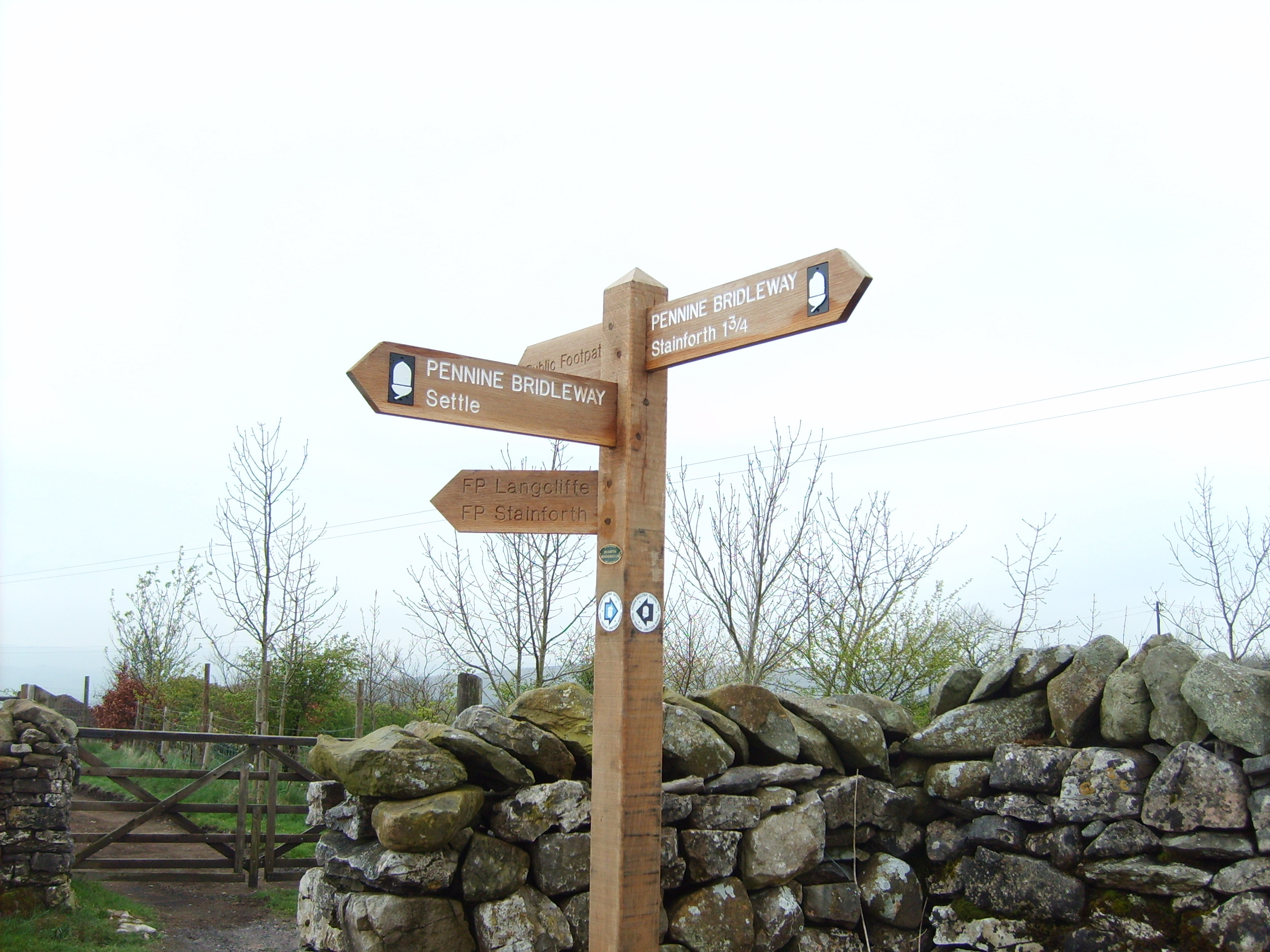
Consent must be obtained from the National Park Authority before any new stiles or gates can be erected across public rights. Contact your Area Ranger for more information.
Obstructions
Rights of way must be kept clear and free from obstructions. The landowner has a responsibility to cut back vegetation overhanging or obstructing a public path or endangering users. (The appropriate consent must also be sought if trees are the subject of a Tree Preservation Order or in a Conservation Area).
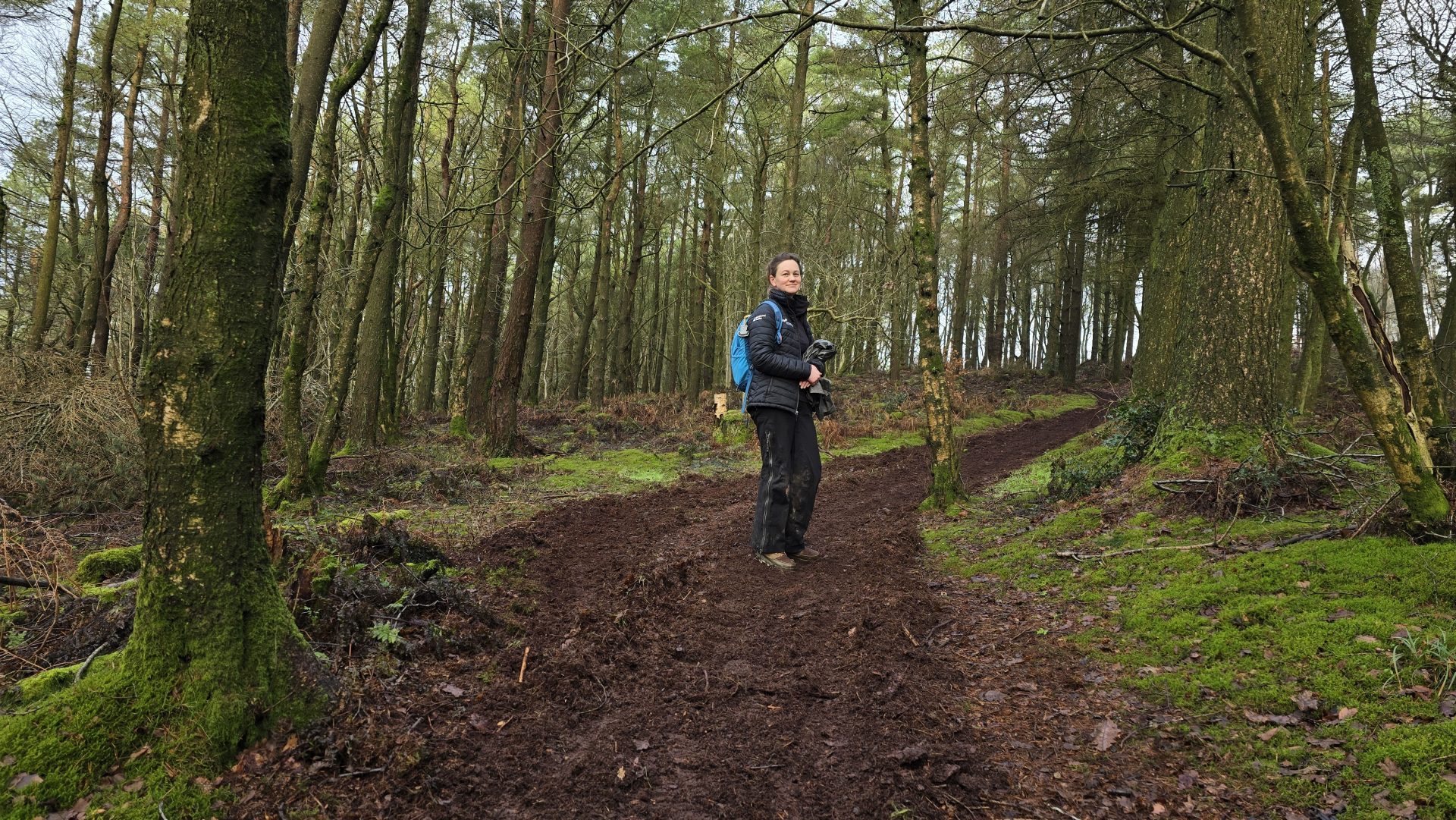
Trees and Woodland
Get an introduction to the Authorities Trees and Woodland work.
Read more about Trees and WoodlandWhere a path continues to be obstructed, the National Park Authority may require the owner to remove the obstruction within a specified period. If the obstruction is then not cleared, the Authority may be obliged to do the work itself and charge the cost to the landowner. Obstructing a public right of way is a criminal offence, and the National Park Authority (or any member of the public) may prosecute an offender.
Where path users encounter an obstruction, they may remove it sufficiently to pass, provided no damage is done. Alternatively they are entitled to make a short detour.
Bulls
The Wildlife and Countryside Act 1981 prohibits the keeping of the following animals in a field through which a right of way passes; (a) any dairy bull over the age of ten months; (b) any beef bull over the age of ten months unless accompanied by cows or heifers.
Notices
It is an offence to erect a sign or notice giving false or misleading information that is likely to deter people from using a right of way.
Firearms
It is an offence to fire a gun within 15 metres of the centre of a byway if any user of the byway is injured, interrupted or endangered as a result. It may also be an offence to shoot across any public right of way if the public are similarly endangered or inconvenienced. However, if the public right of way is not being used, no offence is committed.
Liability for safety of visitors on public paths
The Occupiers’ Liability Act 1957 imposes on the landowner a duty to make sure that any visitors to the property are reasonably safe. Landowners should therefore ensure that any person exercising a public right to use a footpath, bridleway, restricted byway or byway is not endangered by unmarked hazards, eg. Holes in the ground, barbed wire, or dangerous animals (also covered by the Animals Act 1971 and the Health and Safety at Work Act 1974).
Ways we can help
If you’d like to discuss any problems or proposals concerning rights of way or access to your land, please contact your Area Ranger.
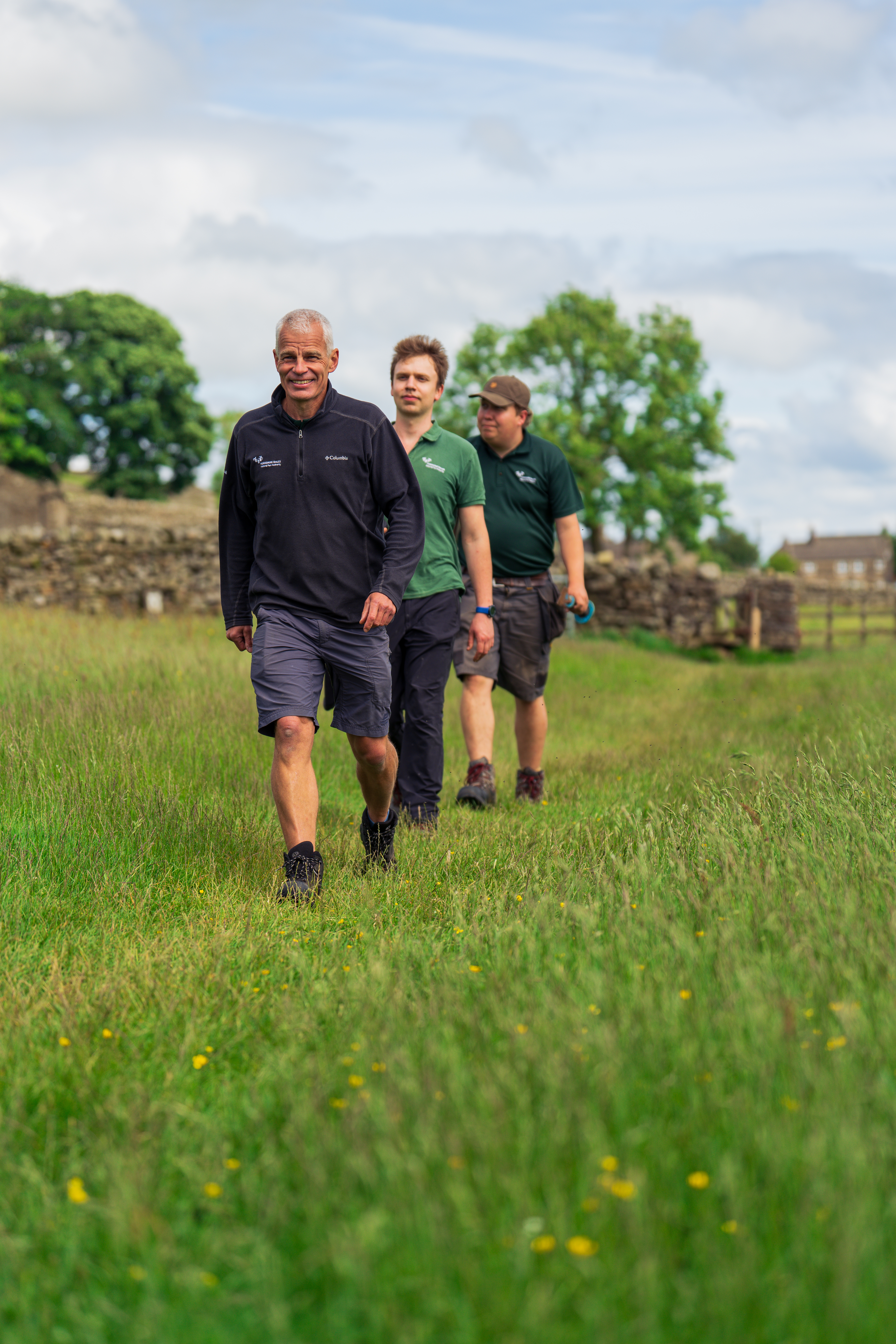
Meet the area teams
Find contact details and learn more about the ranger teams in your area.
Read more about Meet the area teamsChanging a Right of Way
If you require more information about diverting, closing or creating rights of way a member of our team can offer help and advice.
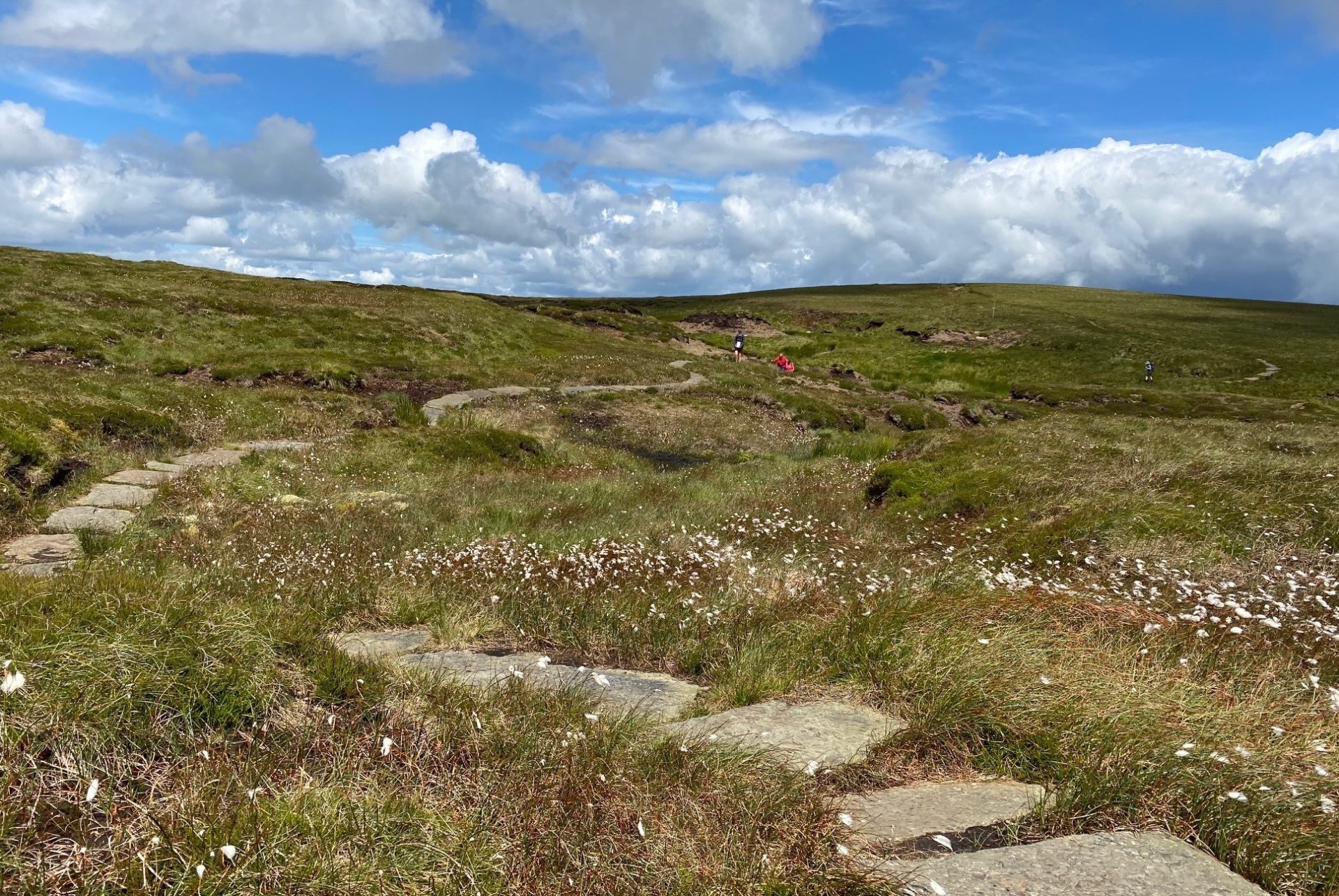
Changes to the Rights of Way Network
View current public path orders in the Yorkshire Dales National Park.
Read more about Changes to the Rights of Way Network