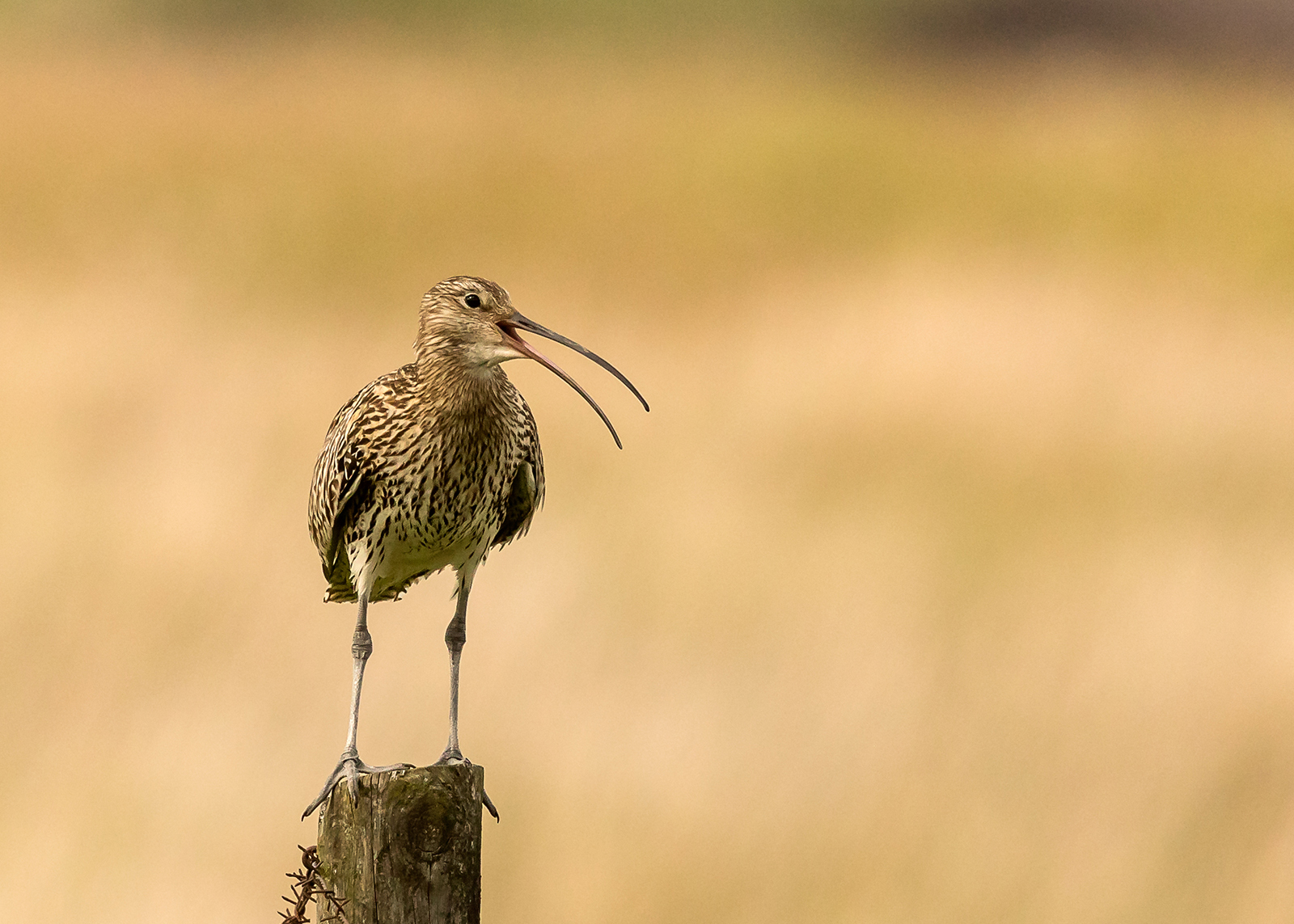
Latin Name: Numenius arquata
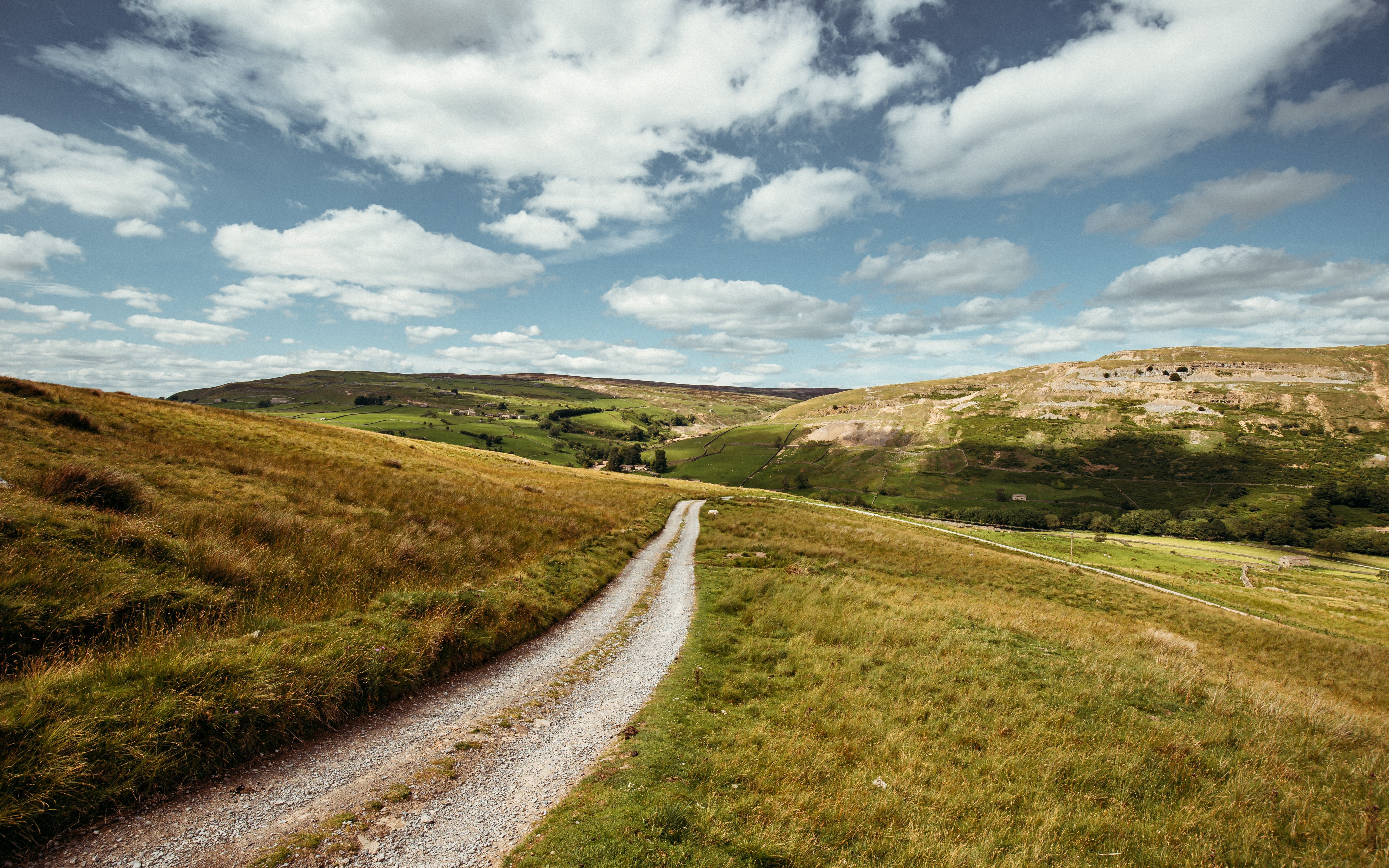
The Yorkshire Dales National Park is a stronghold for breeding waders. Across our hay meadows, moorland and moorland fringe habitats, you can still hear and see species that are declining in many parts of the UK and Europe — including the curlew.
Curlew are now listed as globally Near Threatened, and upland landscapes like the Yorkshire Dales are becoming increasingly important for this iconic bird. The UK supports around 58,000 breeding pairs — nearly a quarter of the European breeding population — so protecting breeding sites here matters for curlew conservation at a national scale.
Why curlew need help
In some areas, curlew numbers have fallen so far that the species has disappeared entirely. Thankfully, large areas of the Yorkshire Dales National Park still provide crucial refuge and support nationally important numbers of breeding birds.
However, curlew remain vulnerable. Pressures include:
- Changes in land use that reduce suitable nesting and chick-rearing habitat
- Higher predation levels, linked to habitat change and reduced cover
- The need for a long-term conservation framework, with appropriate land management and funding to keep moorland and adjacent habitats in good condition
The plight of the curlew is bringing together landowners, farmers, land managers and gamekeepers, working alongside statutory bodies, conservation organisations and local curlew groups to improve habitat and breeding success.
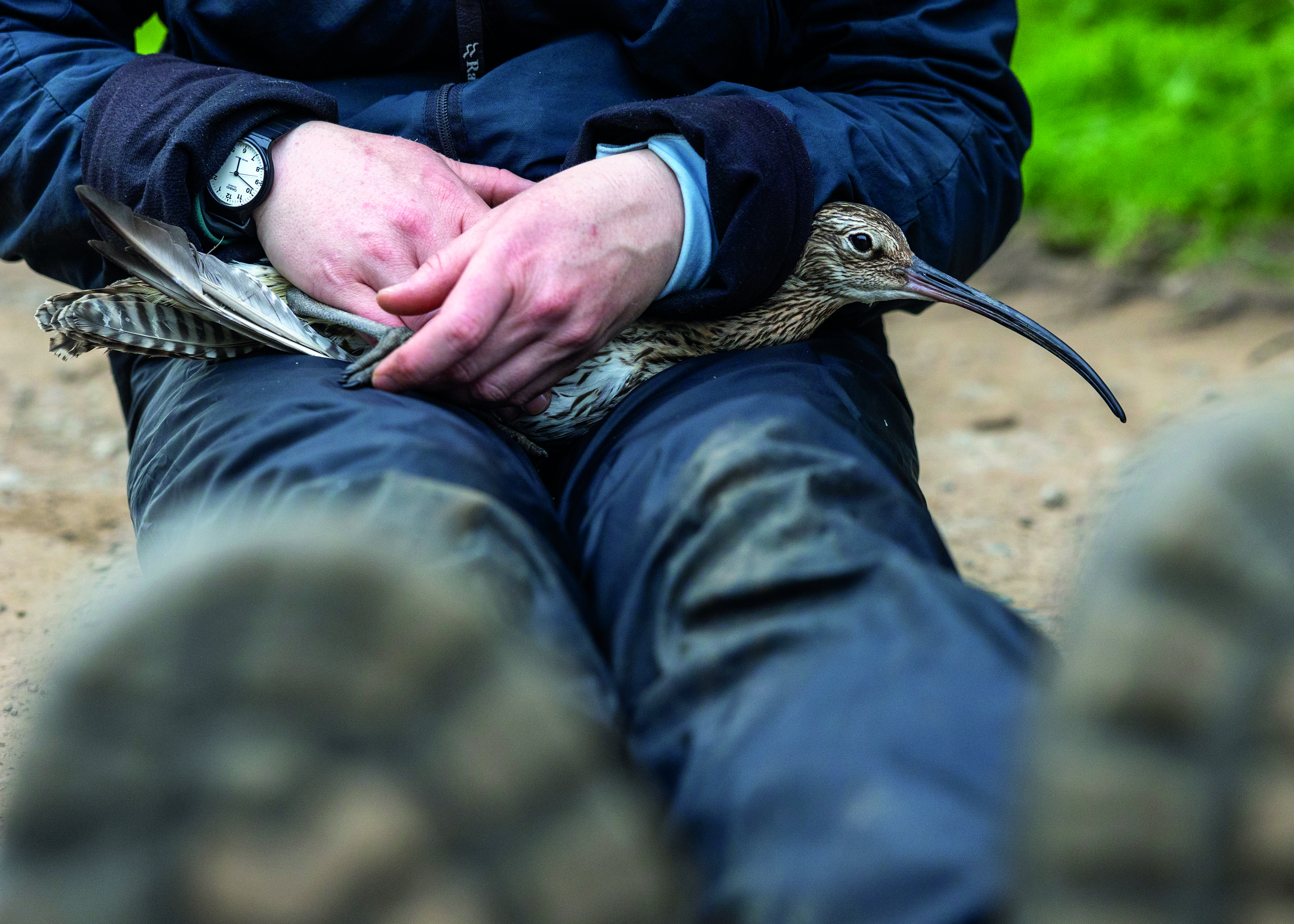
Curlew being tagged by the BTO.
How to recognise a curlew
The curlew is the largest wading bird found in Europe. It’s distinctive and often easy to identify, especially when seen feeding on soft ground:
- Large, long-legged wader with mottled brown plumage
- A long, down-curved bill, used to probe for worms and other invertebrates
- Females often have a longer bill than males, but there can be overlap
Curlew get their name from their unmistakable “cur-loo” call, which can be heard on both wintering and breeding grounds. On the breeding grounds, listen for the characteristic bubbling call during territorial display flights — one of the most evocative sounds of spring in the Dales.
Curlew. Credit: Ian Court
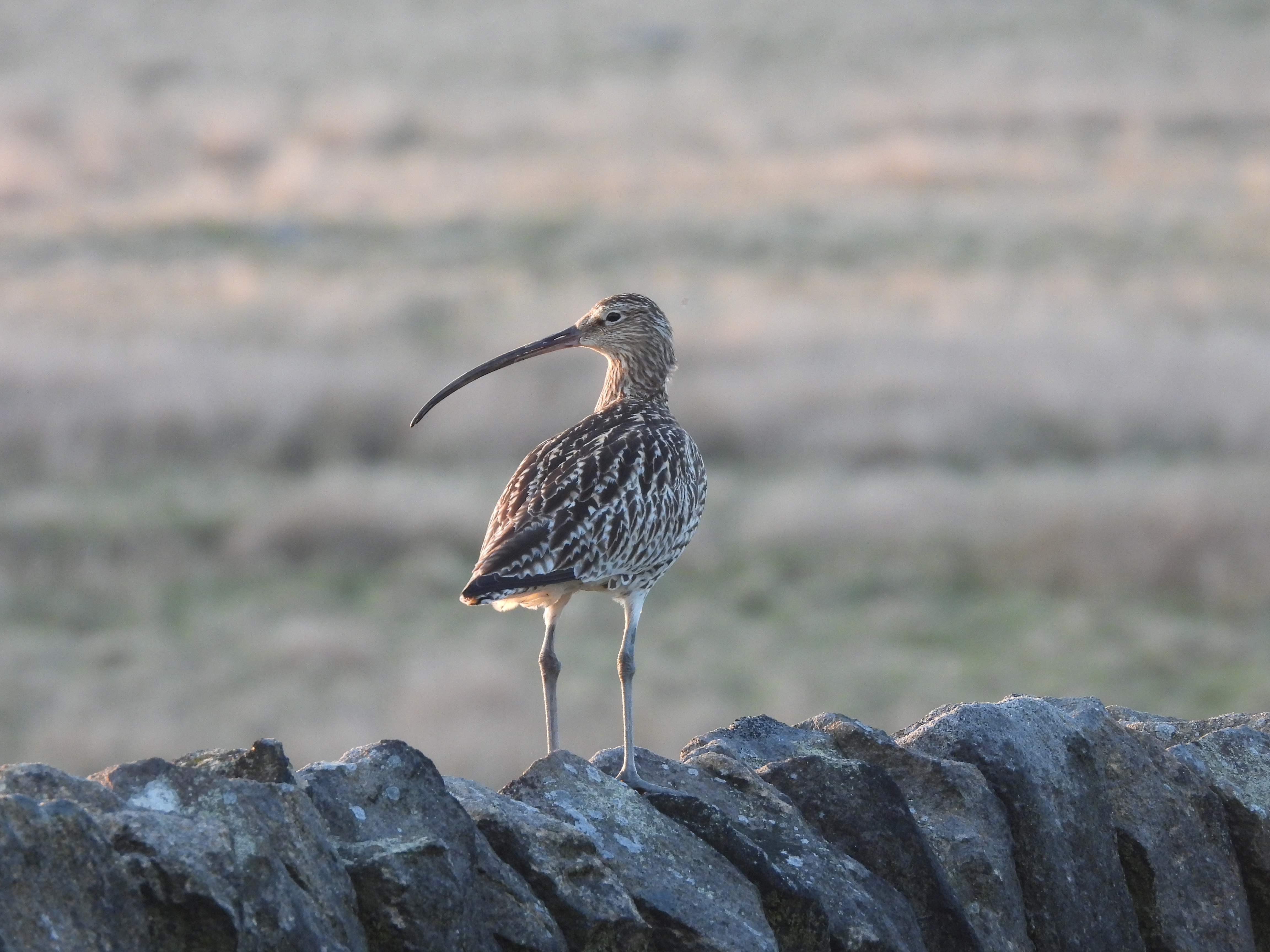
Eurasian curlew by Ian Court
When and where you might see curlew in the Dales
Curlew use different parts of the National Park at different times of year.
Late winter into early spring (from mid‑February):
Large flocks — sometimes several hundred birds — can gather in low-lying areas in and around the National Park as birds prepare to return to nesting areas.
Spring and summer (breeding season):
Curlew favour open habitats such as hay meadows, rough pasture, moorland and moorland fringe. Nests are on the ground and are extremely well-camouflaged, making breeding birds sensitive to disturbance.
After the breeding season (autumn and winter):
Curlew move to coastal habitats such as estuaries. GPS-tag information from a small sample of birds indicates that some breeding curlew from the Dales head to the Lancashire coast or Ireland to winter.
What’s being done to protect curlew
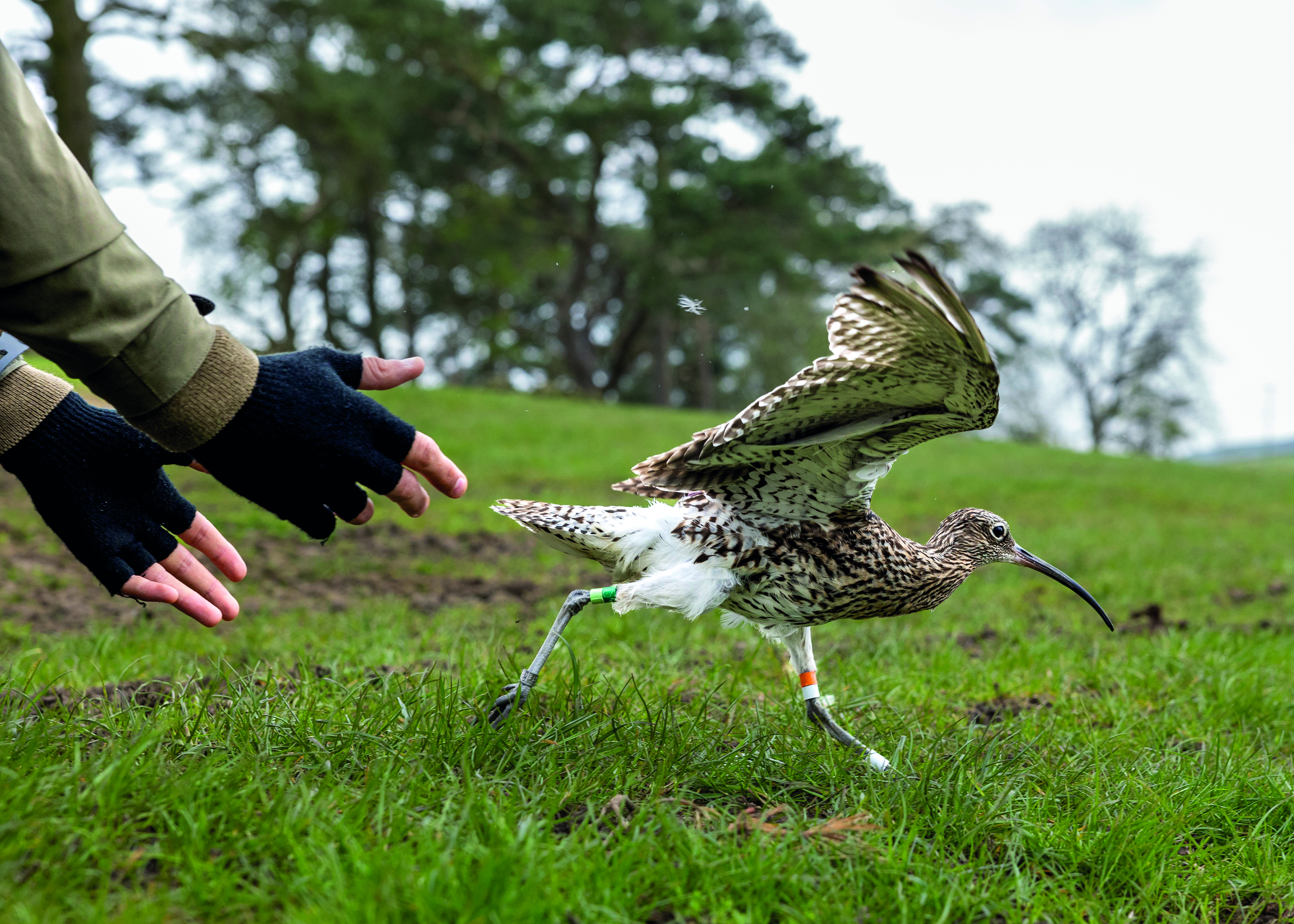
The Curlew Partnership | Yorkshire Dales National Park Authority, British Trust for Ornithology (BTO) and Bolton Castle Estate, tag curlew.
Work to support curlew in the Yorkshire Dales includes partnership action to improve breeding success and protect key habitats. This relies on long-term collaboration across the landscape, including practical habitat management on and adjacent to moorlands and coordinated monitoring.
Discover our local partnership work
How you can help curlew when visiting the Yorkshire Dales
Curlew are ground-nesting birds, and even small disturbances can affect breeding success. If you’re out walking in the National Park during the breeding season:
- Keep dogs on a short lead and under close control near meadows and moorland edge habitats
- Stick to public rights of way and avoid straying into tall grass or rough pasture
- Be guided by local signage (for example where nesting birds are present)
- Give wildlife space — if you see agitated birds calling or flying repeatedly, you may be too close to a nest or chicks
Nature Recovery Plan
Find out how partners are working together to create a richer, more connected landscape for nature and wildlife.
Read more about Nature Recovery Plan