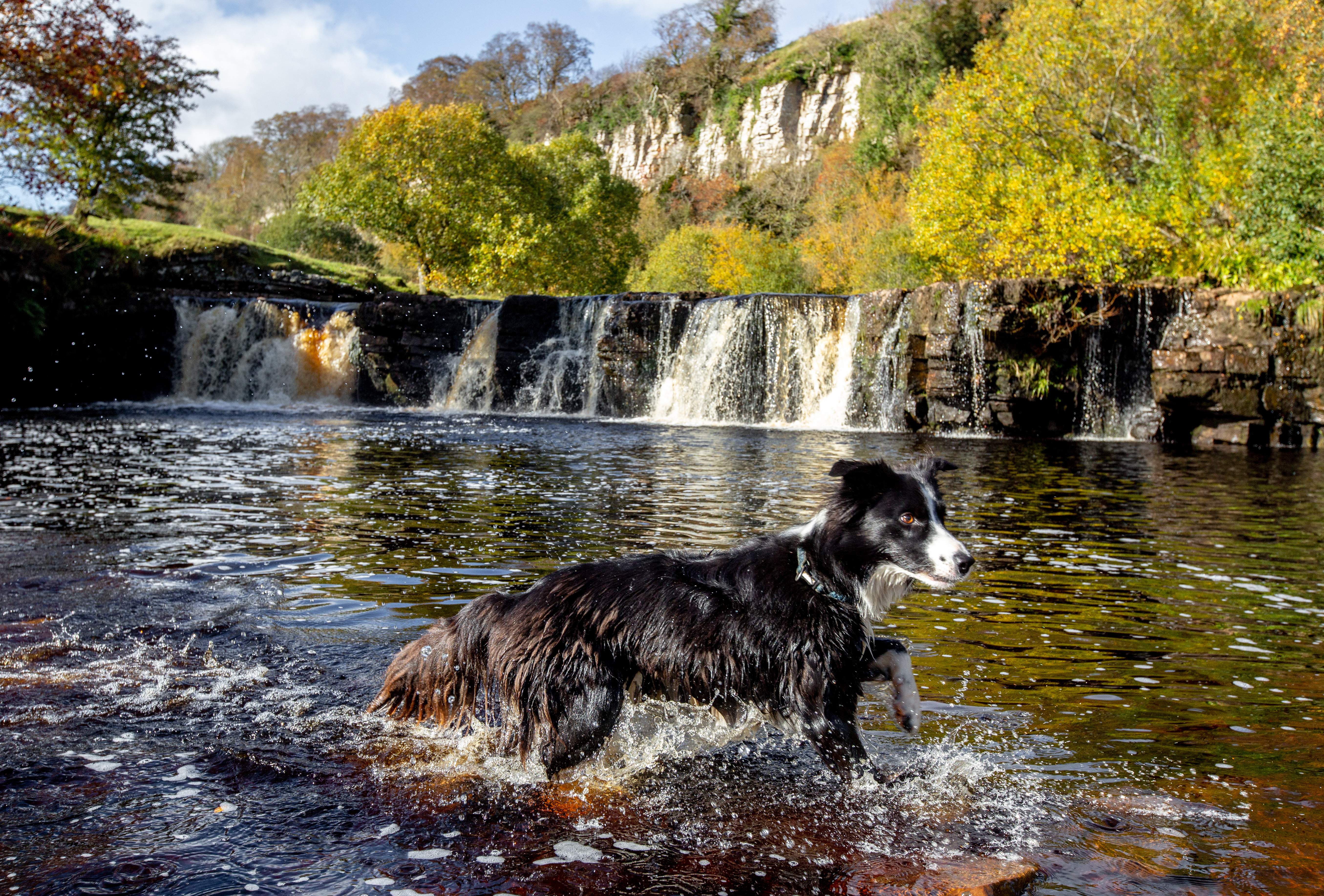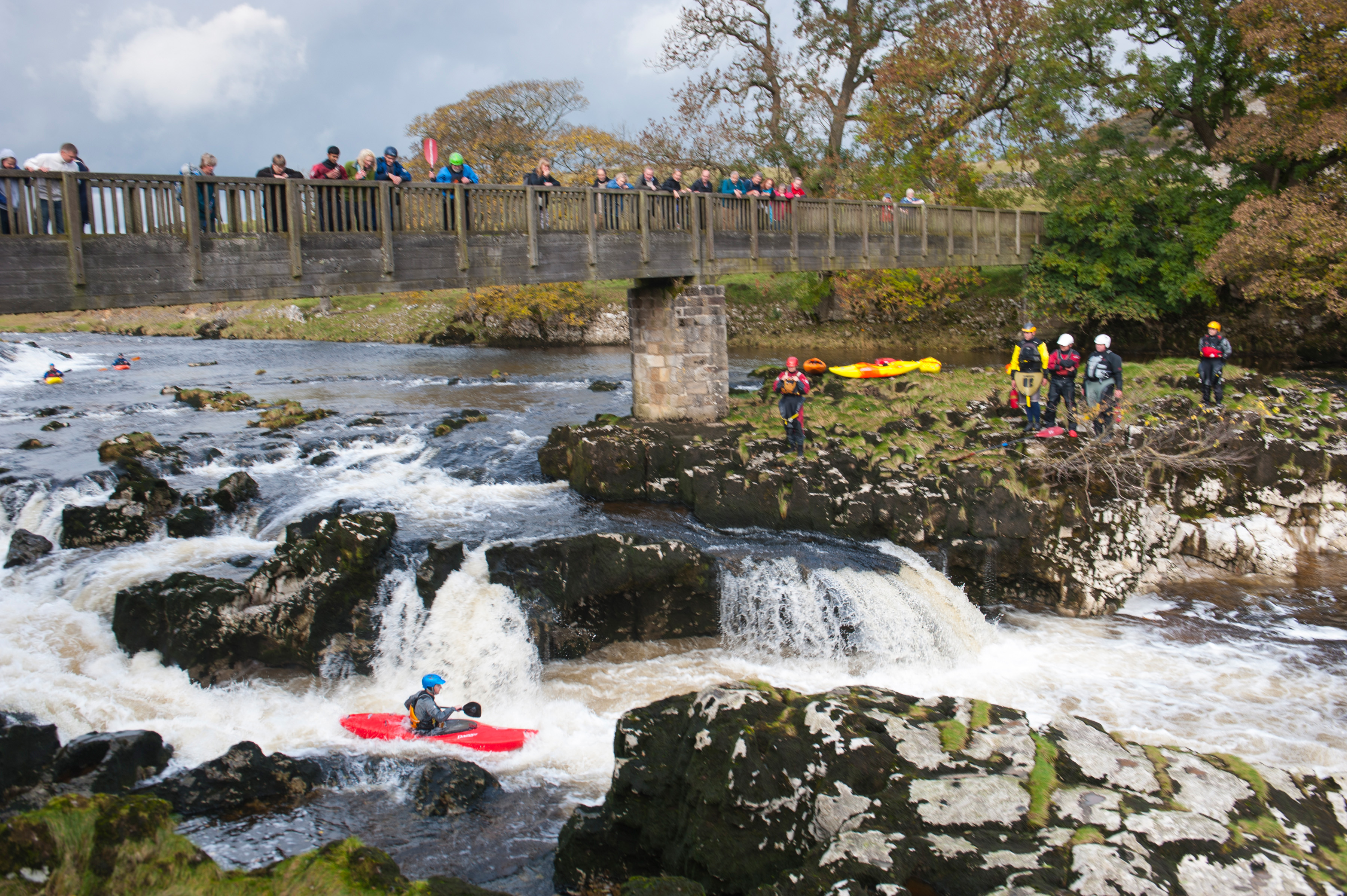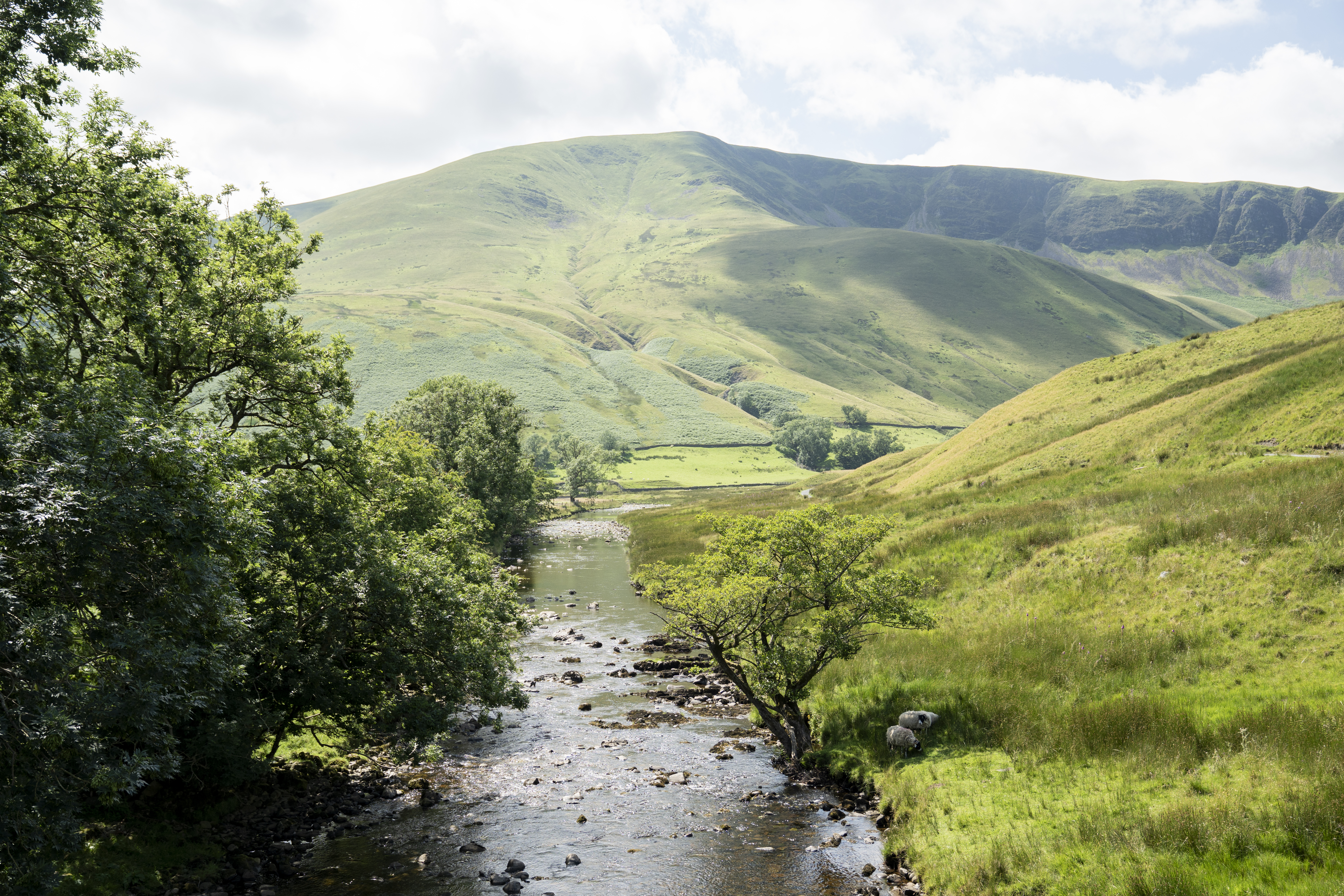
Freshwater habitats are surprisingly rare in the Yorkshire Dales, yet they are among the National Park's most valuable environments. Limestone rivers are habitats that support a rich variety of wildlife, provide clean water and shape the distinctive landscapes of the Dales.
Because much of the National Park is underlain by porous limestone, water often drains underground rather than collecting on the surface. This makes rivers, streams, ponds and lakes especially important for nature, while also creating habitats that are both unique and sensitive to environmental change. The Dales dynamic river systems support a wide variety of species and play a vital role in shaping the landscape.
Challenges facing rivers
Seven major river catchments begin in the Yorkshire Dales: the Swale, Ure, Wharfe, Aire, Ribble, Lune, and Eden. Naturally, rivers are dynamic systems that continually reshape their channels and surrounding landscapes. However, like most rivers in England, those in the Dales have been modified over time. These changes have reduced their ability to create and maintain natural habitats.
Key pressures include:
- Nutrient and chemical pollution
- Contamination from historic metal mines
- Invasive non-native species such as Himalayan balsam
- Man-made barriers disrupting natural river processes
- Loss of natural features such as pools and riffles
- Increased flood frequency and magnitude
- Climate change
Protecting and restoring rivers
A range of organisations, including the Yorkshire Dales National Park Authority. These are the following:
- Yorkshire Dales Rivers Trust
- Aire, Lune, Ribble and Eden Rivers Trusts
- Wild Trout Trust
- Yorkshire Dales National Park Authority
- Environment Agency
Their work includes:
- Natural Flood Management measures to “slow the flow”
- Planting riverside trees to help keep water temperatures cool
- Surveying and monitoring fish populations
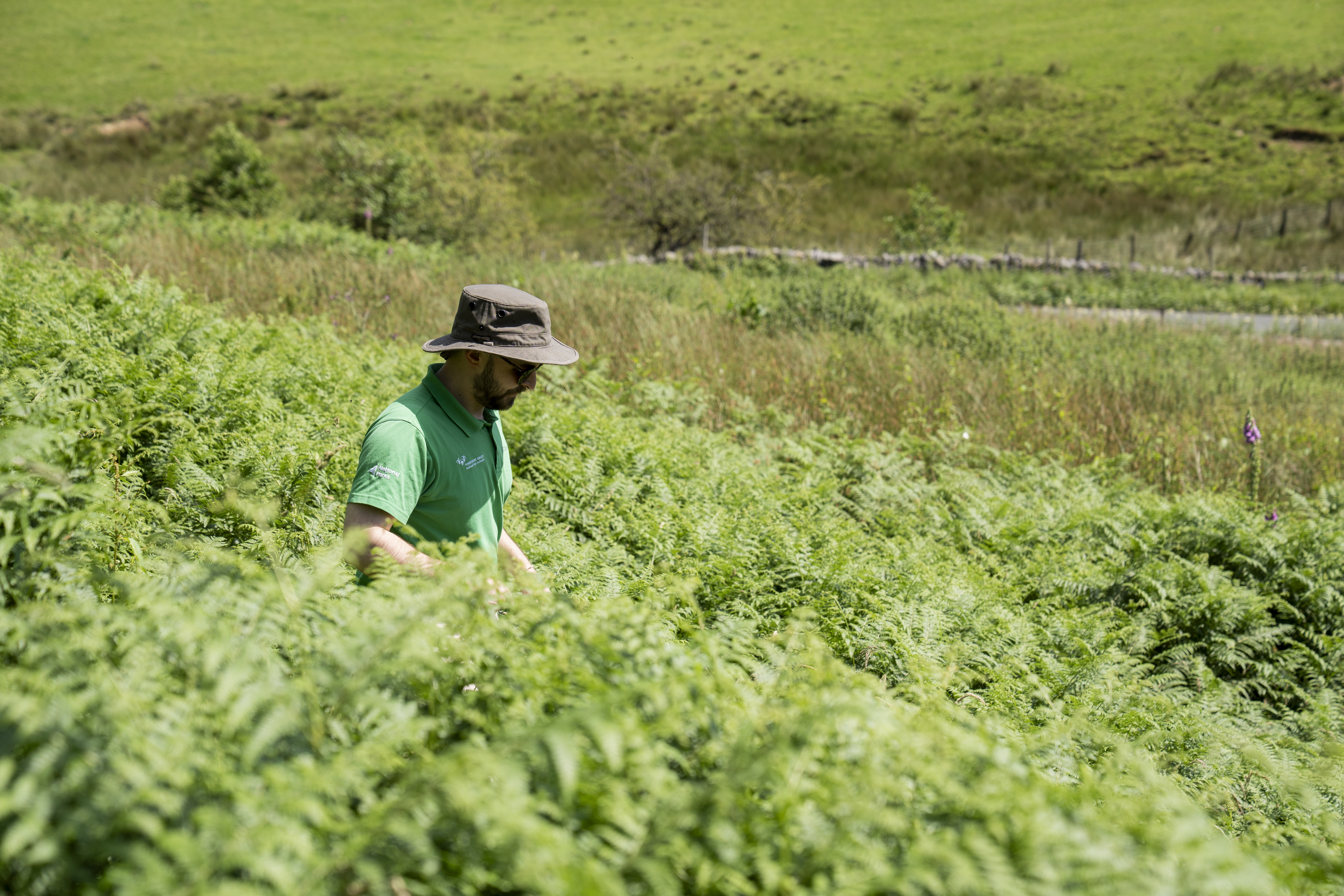
- Invasive species mapping and control
- The Tees-Swale Diffuse Metals Project
- Removing barriers to restore natural processes
- Promoting Catchment Sensitive Farming to reduce agricultural runoff and improve water quality
Nature Recovery Plan
Find out how partners are working together to create a richer, more connected landscape for nature and wildlife.
Read more about Nature Recovery Plan