Biosecurity
Biosecurity is important in the countryside for several reasons. It helps keep people safe, reduces the spread of diseases that can affect wildlife and farm animals, and protects sensitive habitats from invasive non-native species.
Here you'll find information and advice on simple biosecurity measures you can take while enjoying the Yorkshire Dales National Park.
Human Health
Some diseases can spread from animals to people. These are known as zoonotic diseases. Examples found in the UK include leptospirosis (Weil's disease), which can be spread through contact with the urine of infected animals, and Lyme disease, which can be spread through the bite of an infected tick.
These diseases are rare in Britain, and the chances of catching them while visiting the Yorkshire Dales are low. However, it is sensible to take a few simple precautions:
- Cover any cuts or scratches, especially if you may come into contact with water.
- Wash or clean your hands before eating or drinking.
- Check yourself for ticks after a walk and remove any you find as soon as possible using a tick removal tool. Find out more about preventing tick bites and recognising the symptoms of Lyme disease here [insert link].
Animal Health and Invasive Species
When enjoying the countryside, we can sometimes unknowingly spread pests and diseases that affect farm animals, wildlife and habitats.
For example, crayfish plague is a serious disease that threatens our native white-clawed crayfish and can easily be spread between rivers and streams on footwear and equipment. Invasive non-native plants such as Japanese knotweed and Himalayan balsam can spread through seeds and even tiny fragments of vegetation. Bird flu affects both wild birds and poultry and can be spread by contaminated footwear, clothing or pets.
To help protect wildlife, habitats and livestock in the National Park, please follow these simple precautions:
- Stick to paths where possible and keep dogs under close control. This is especially important where livestock are present and during the main bird nesting season, from March to August.
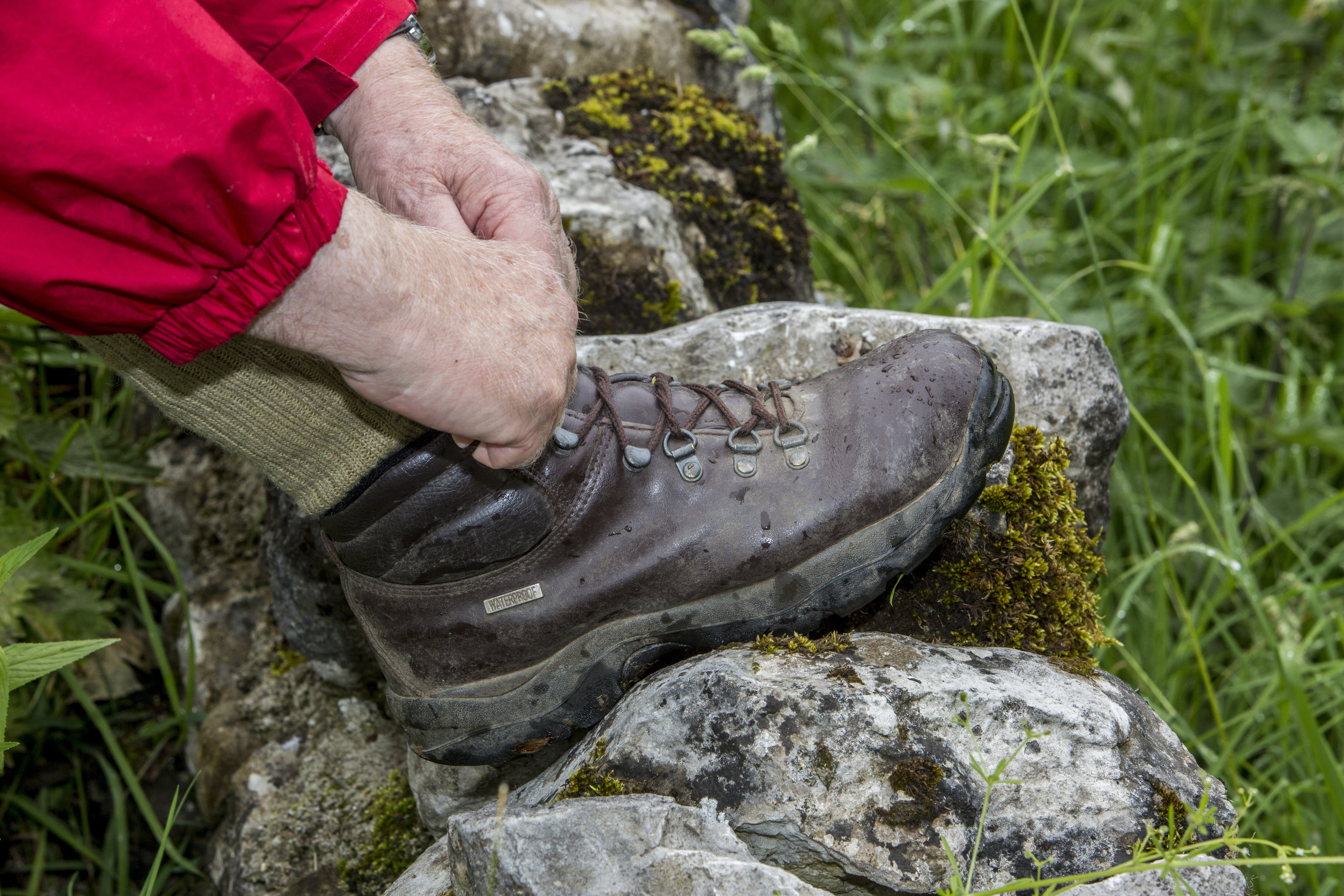
- Follow the Check, Clean, Dry protocol, particularly when entering or moving between rivers and streams.
- Never touch a sick or dead wild bird. Report possible cases of bird flu to the Defra helpline on 03459 33 55 77 or use the Defra online reporting system.
- Find out more about wildlife crime in the Yorkshire Dales.