Let’s return the eagle, beaver and crane to the Dales – and understand ‘rewilding’ in its fullest sense
Monday 7 September, 2020

By
Ian McPherson
Ian is the Member Champion for the natural environment
More from
Ian McPherson
These days the term ‘rewilding’ has become somewhat of a dirty word, especially amongst farmers and landowners who can have visions of wolves, lynx and perhaps the occasional elk creating mayhem amongst their flocks of sheep and herds of cattle, and beavers chewing their way through their forestry plantations. Perhaps not without good reason.
This is unfortunate, however, as rewilding in its fullest sense, although it can involve a measure of re-introductions especially of formerly indigenous species, is primarily about the ways in which land can be managed so as to be the most appropriate and natural form of habitat for its location and local climate. When this is done correctly, then a degree of natural re-colonisation can often occur without contrived re-introduction as such.
A classic example of this is the Knepp Estate in Sussex where once the land began to return to a more natural state, species such as turtle dove, nightingale, purple emperor butterfly, bechstein and barbastelle bats, lesser spotted woodpecker and cuckoo returned of their own volition.
As Member Champion for the Natural Environment at the YDNPA, I have been involved in looking at ways in which rewilding (in the fullest definition of the word) may be approached within the National Park – an area whose iconic landscape has largely been created by farming.
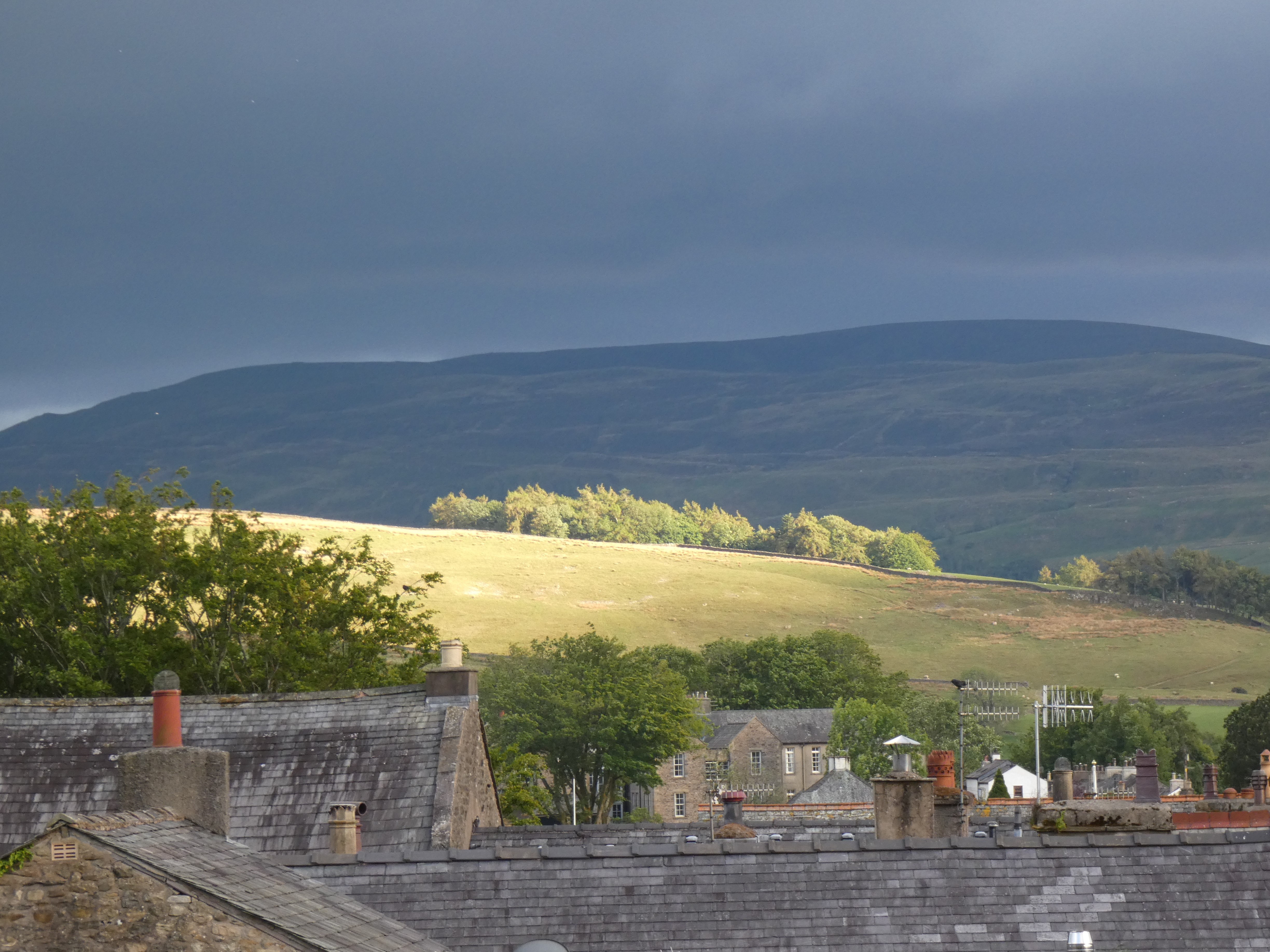
The National Park Management Plan 2019-24 commits the Authority and local partner organisations to creating a “landscape-scale nature recovery area” by 2021, and preparations for this are already well underway. The ‘Tees-Swale: naturally connected’ project is being led by the North Pennines Area of Outstanding Natural Beauty (AONB) Partnership, in collaboration with the Yorkshire Dales National Park Authority. The project, which covers 845 km2 and includes the whole of Swaledale and Arkengarthdale, is focused on putting local farmers and landowners at the heart of nature recovery. Other areas of the National Park are also being looked at as potential locations for future collaborations so that a full programme of nature recovery networks may be rolled out in due course.
In light of all this activity, I was particularly pleased to read an information booklet just produced by The Lifescape Project, Cumbria Wildlife Trust & the University of Cumbria on those species which at some point in the past would have been found in the UK, and which we may wish to consider reintroducing to the north of England at some point in the future. It definitely makes for fascinating reading.
In particular, it highlights the following species giving a short potted natural history of each before going on to consider the pros and cons of them being re-introduced at this time: beaver, wildcat, lynx, wolf, elk, pine marten, golden eagle, white-tailed eagle, silver-studded blue butterfly, crane and chough. Attached to the booklet is an on-line survey which those interested are invited to complete and return to the University of Cumbria. I have done this myself and it certainly clarifies the mind wonderfully as to what would be likely to be successful at this time and what would not be (for all sorts of reasons including opposition from those likely to be affected and the possibility of unlawful persecution of released species).
So what would you like to see return to the north of England? For me golden and white-tailed eagles, chough, beaver, pine marten, crane and silver-studded blue butterflies are all possible contenders either right now or in the very near future. But lynx, wolf, wild cat and elk would certainly need to wait for some time and there would need to be schemes for compensation in place for any damage resulting from their re-introduction. Whilst the focus tends to be on these sorts of charismatic mammals, returning other types of species is no less important. A locality where this is already starting to happen is the Wild Ennerdale project in the Lake District National Park where, following a successful reintroduction programme, they now have England’s largest population of Marsh Fritillary butterfly.
If you’re interested to find out more about the many different approaches to ‘rewilding’, here are a few things you might care to consider doing now:
1. Read the Lifescape Species information booklet and complete the survey
2. Check out the Wild Ennerdale project website and the Tees/Swale project website and consider visiting both locations
3. Read “Wilding” by Isabella Tree
4. Have a look at the Rewilding Britain website
5. Remember that rewilding does not need to be on a landscape scale – even a part of your own garden can be set outside for nature to take its course and you may be very surprised what flowers, plants, insects, birds and animals may turn up over time
5. Do something– reading or thinking about it is not enough in these environmentally challenged times!
**Ian McPherson is a Parish Member of the Yorkshire Dales National Park Authority. He is Member Champion for the Natural Environment.