The Yorkshire Dales National Park Authority, Yorkshire Dales Millennium Trust and RSPB are working together to deliver an exciting project that will work with core local communities to help save four iconic bird species that are characteristic of our Dales’ villages – House Martin, House Sparrow, Starling and Swift.
Data from the British Trust for Ornithology (BTO) has identified drastic declines in all these species across the country, which has resulted in them being added to the UK Red List of Species of Conservation Concern.
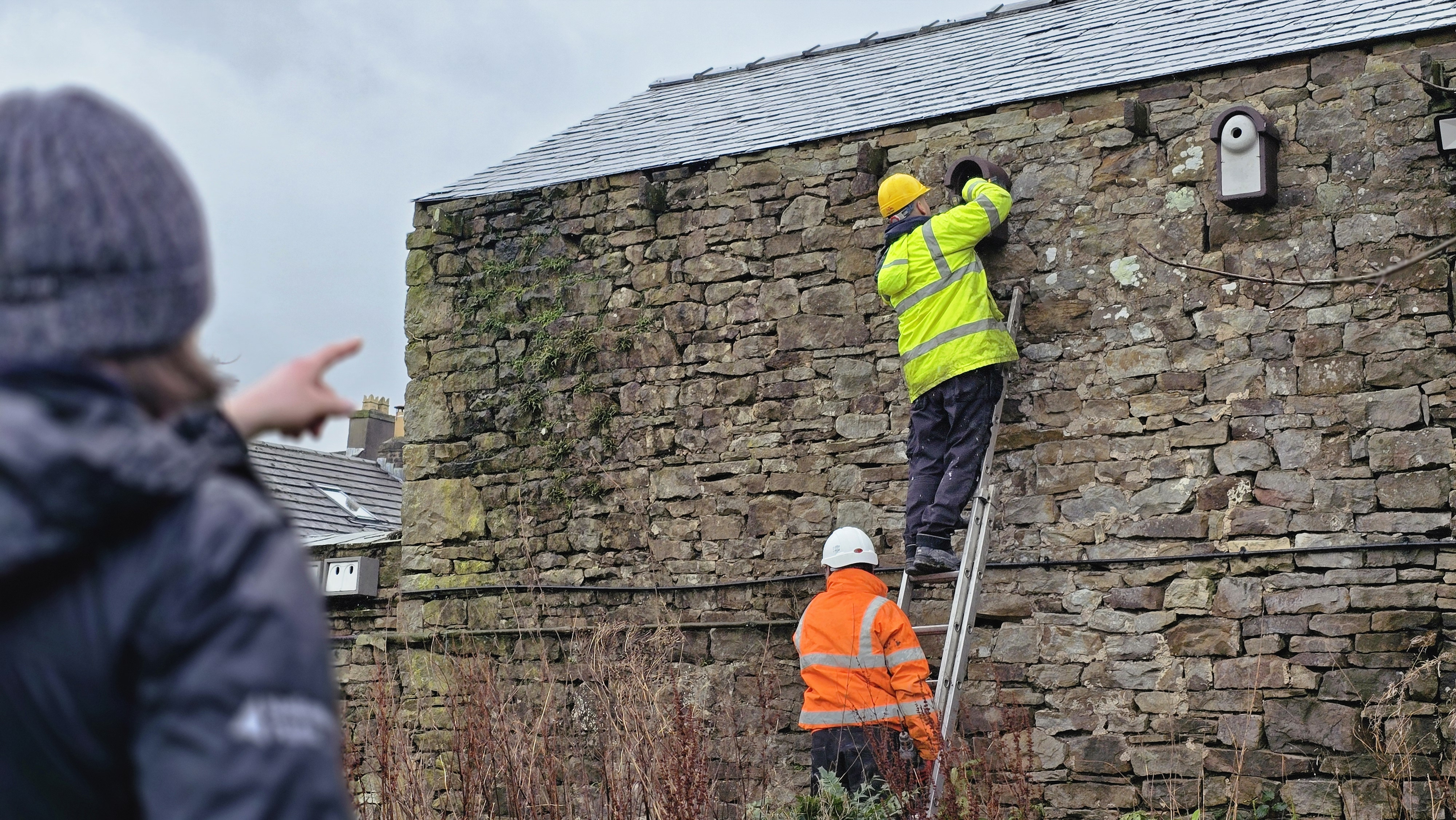
We are fortunate that these birds are still present in and around Yorkshire Dales settlements, so we want to make sure their populations are maintained and enhanced. To achieve this, we need to provide two key requirements: nesting sites and reliable food sources. There are still plenty of suitable nest sites in houses, barns and farm buildings but these can be lost when buildings are repaired, so we need to maintain existing sites or provide new ones with specialist nest boxes. It is also crucial that there is plenty of food in the surrounding area for the adults throughout the year, and especially in the spring and summer when there will be plenty of hungry young chicks to feed.
Homes for Dales House Birds
Priority Species
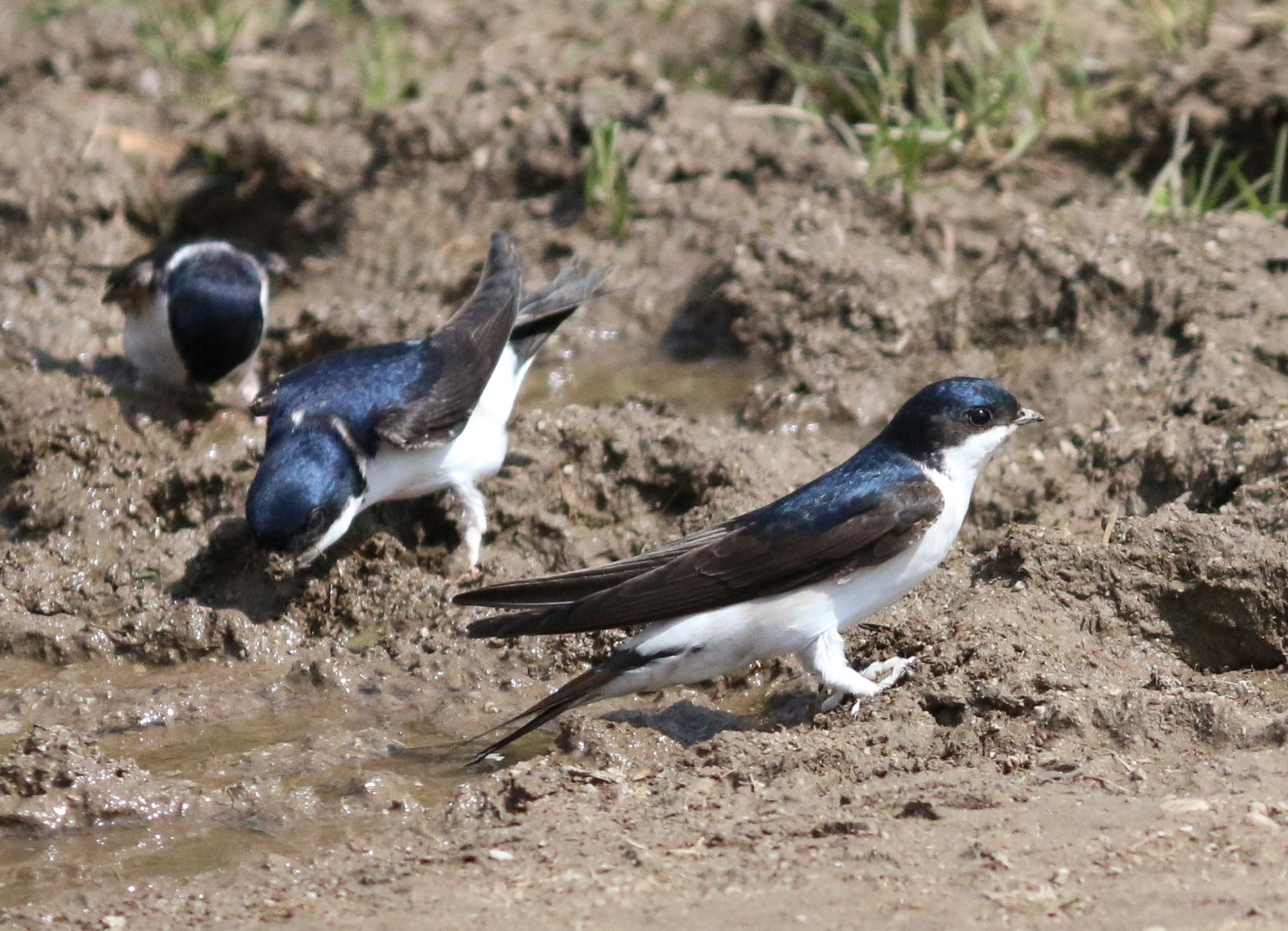
- House Martin – UK populations declined by 37% from 1995 to 2020. This species makes a nest-cup out of mud, preferring to nest under eaves. Feeds on aerial insects.
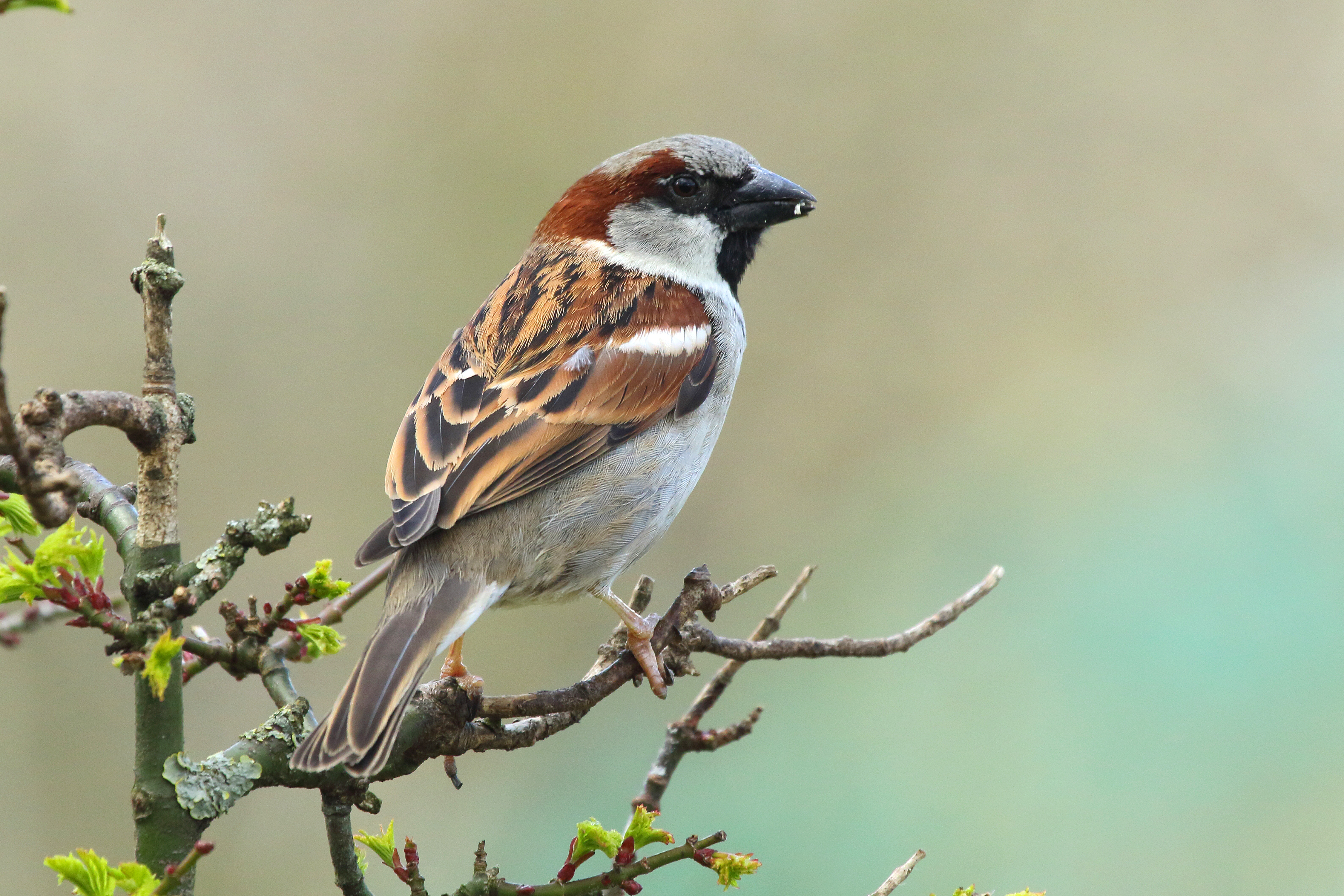
- House Sparrow – UK population declined by 71% from 1977 to 2008. Has a varied diet but needs a plentiful supply of insects in the breeding season.
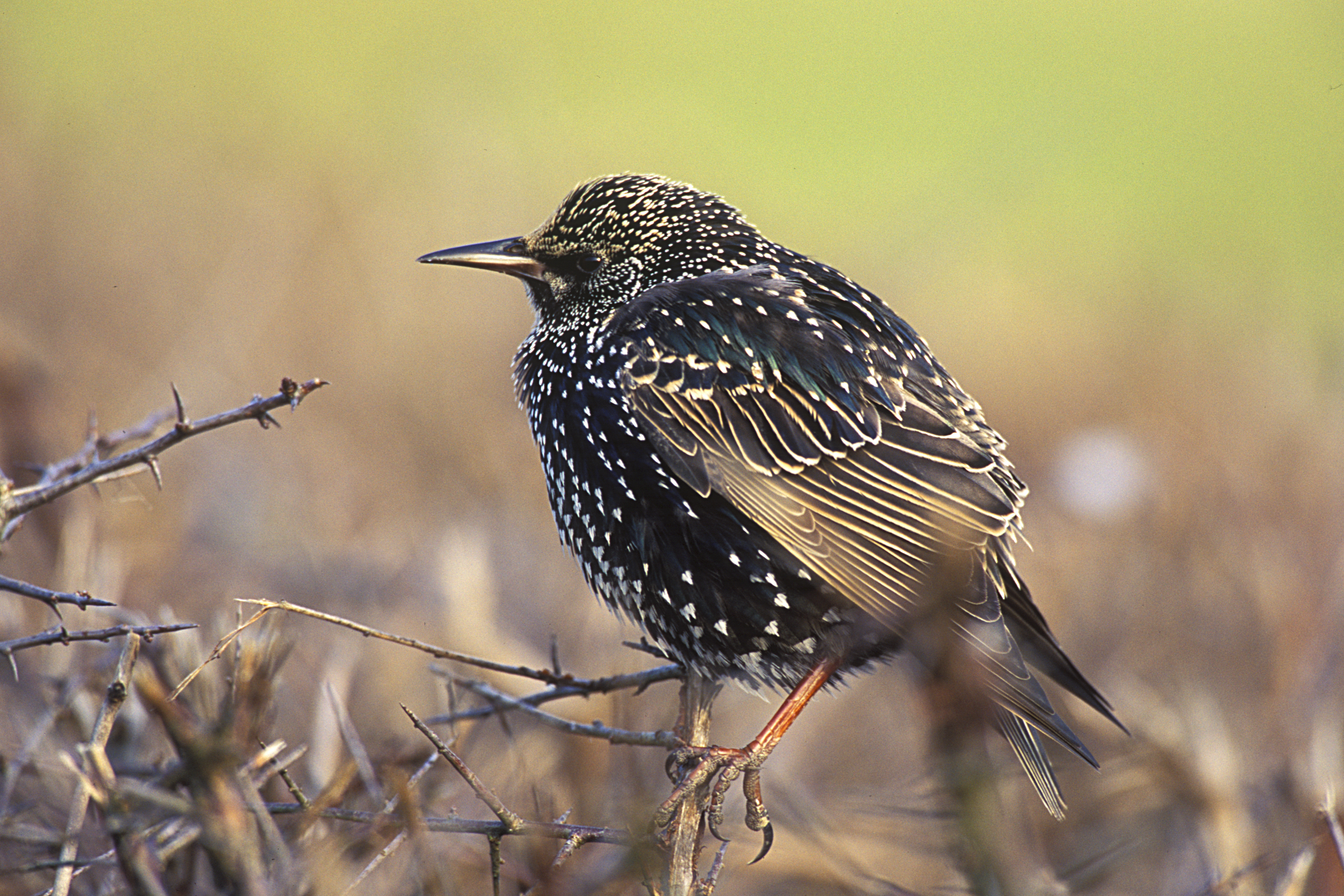
- Starling – UK population declined 53% from 1995 to 2020. Needs open areas of ground for finding insects.
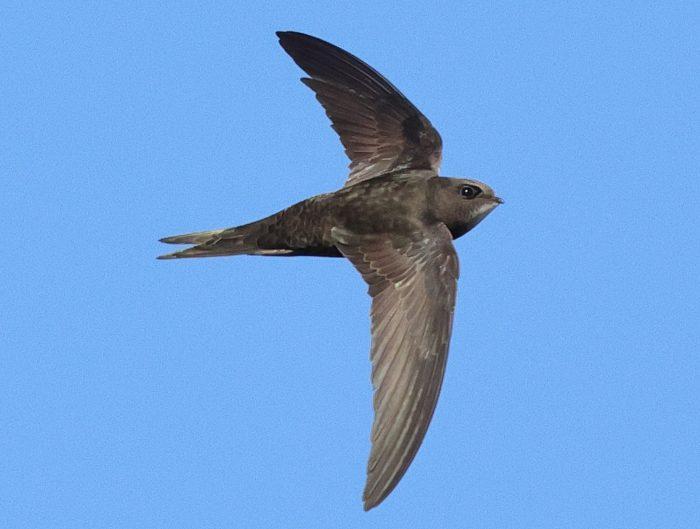
- Swift – UK population declined 60% from 1995 to 2020. Feeds on aerial insects.
What are we going to do?
The challenge for us is to ensure these species remain a key part of the Dales’ communities and so, thanks to a grant from the Heritage Lottery Fund, for the next three years this project will work towards achieving this. The grant will enable us to assist and support core local communities with their conservation work by funding a range of different nest boxes. In addition, we will also offer training, events, funding, advice and practical support to help create and enhance local habitats such as field corners and community areas to provide insect-rich feeding sites.
We also want to gain a better understanding of the distribution, status and population trends of these birds in focal areas in the National Park. We will work with the BTO to develop a citizen science monitoring programme that, with your help, will enable us to study their populations. Once developed, we will be offering full training so that we can all work together to find out how these birds are faring.
Core Project Area
Thanks to our initial funding, we will focus our work in and around the following core areas:
Askrigg, Austwick, Clapham,Hebden, Malham, Sedbergh, Settle, Swaledale, Arkengarthdale and Threshfield.
Click on the locations above to view maps of our core project areas and learn about where our target areas are.
Could your green space help Dales house birds?
If you manage a village green, churchyard, park, playing field, roadside verge or other regularly mown green space in the Yorkshire Dales, you could help some of our most-loved birds.
House sparrows, starlings, house martins and swifts have all declined dramatically across the UK and are now on the Red List of birds most in need of conservation action. These birds rely on insects to feed their young, so creating places where insects can thrive is one of the best ways to help them.
The good news is that a few simple changes to how you manage grass and green spaces can make a real difference. Find out more below.
Instead of mowing every area regularly, leave some patches of grass and wildflowers to grow through the spring and summer. This provides food and shelter for insects and creates valuable habitat for other wildlife too.
After mowing, remove grass cuttings where possible. This helps prevent a few vigorous plants from taking over and allows a wider variety of flowers and grasses to grow.
A pile of logs, branches or leaves might look untidy, but it can provide an important home for insects and other wildlife.
Avoid using fertilisers, weedkillers and pesticides wherever possible. These can reduce the insects that birds depend on for food.
Through the Homes for Dales House Birds Project, we can help you make your green space more wildlife-friendly.
If your site is in or near Settle, Clapham, Austwick, Askrigg, Malhamdale, Swaledale, Sedbergh or Lower Wharfedale, we can provide free advice and support, including help to create a grassland management plan.
To find out more, email info@ydmt.org.