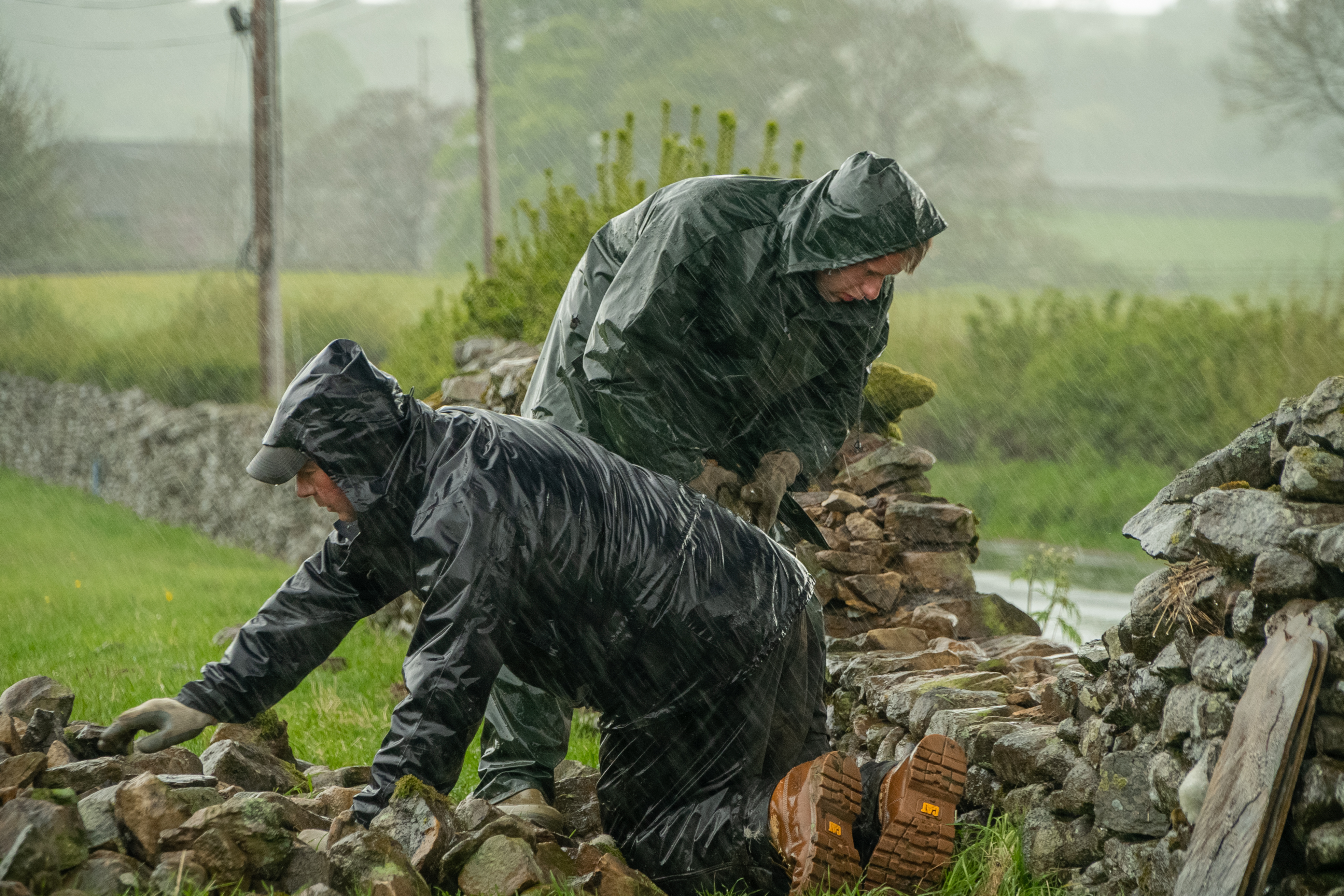
The Yorkshire Dales National Park is a landscape shaped not only by nature, but by thousands of years of human history. Generations of farmers, craftspeople, miners, monks and communities have left their mark, creating the distinctive landscape, settlements and traditions that make the Dales so special today.
From prehistoric settlements and ancient field systems to medieval castles and industrial remains, traces of the past can be found across the National Park. Together, they tell the story of people living and working in this upland landscape and adapting to its challenges over many centuries.
What makes up the Dales' rich heritage?
There is an exceptional amount of evidence of previous generations of occupation which connect past communities to the present, and provide a highly visible record of the area’s social and economic history.
A strong sense of community
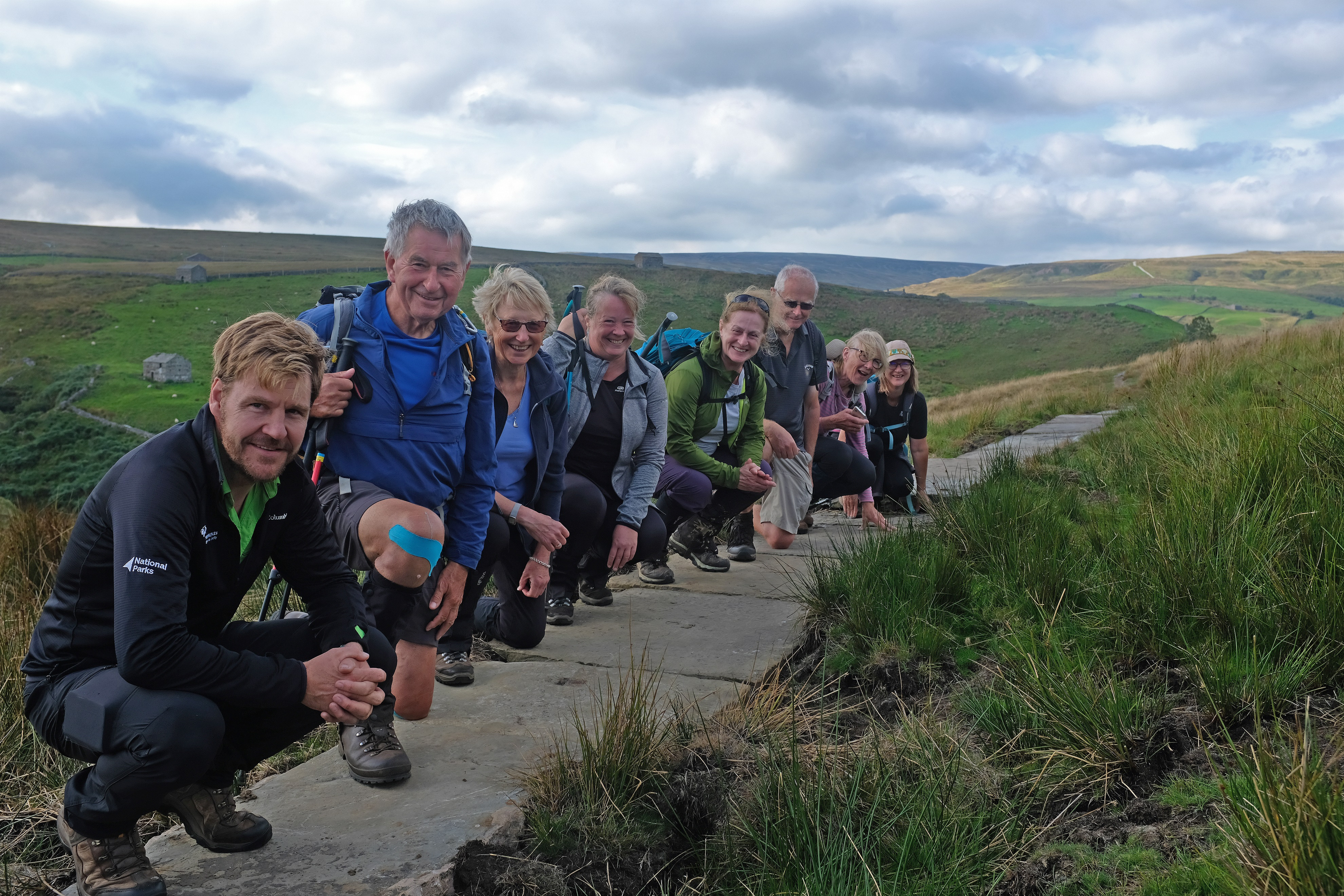
A culture of community spirit, self-sufficiency, determination and self-belief, which has been shaped by the area’s physical environment and remoteness, nurturing self-dependency and close-knit communities.
A living farming tradition
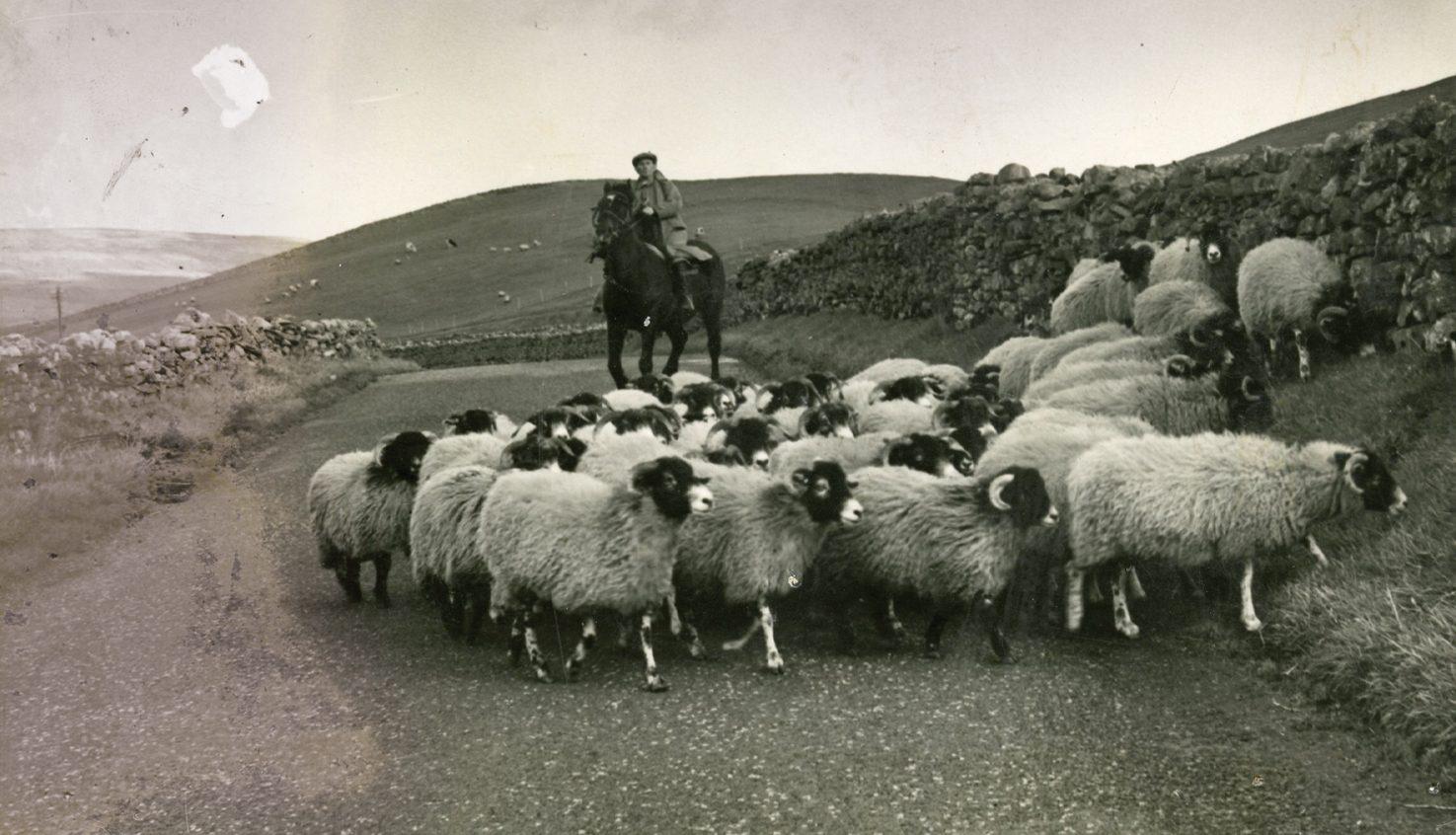
Livestock farming, with distinct sheep breeds and a strong tradition of upland cattle rearing, still deeply interwoven into local life and culture. Livestock sales and agricultural shows play an important part in the lives of local people.
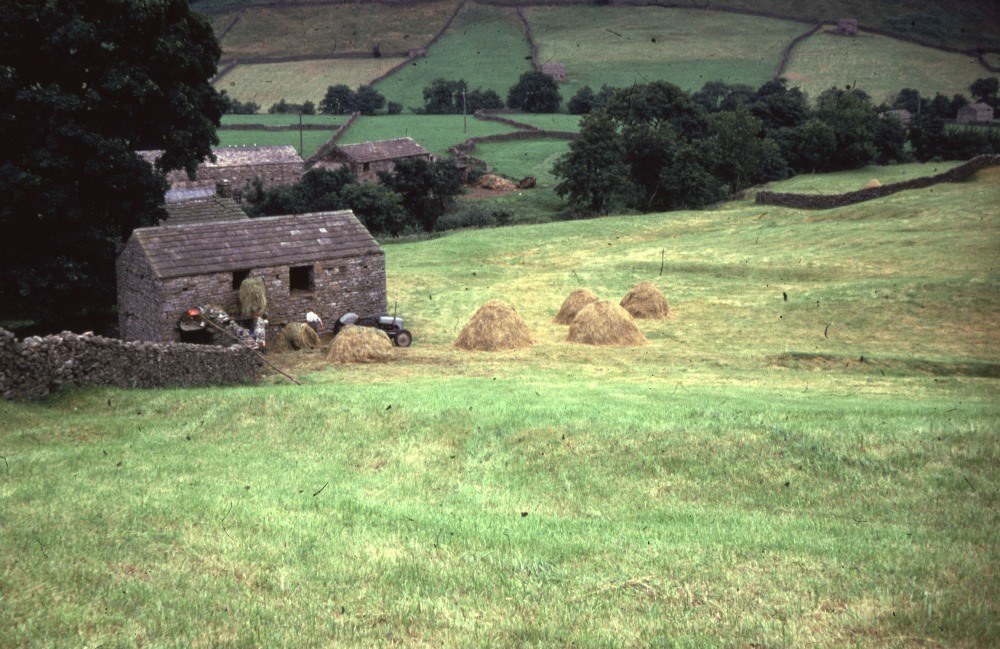
A traditional Yorkshire Dales field barn
Thousands of years of archaeology
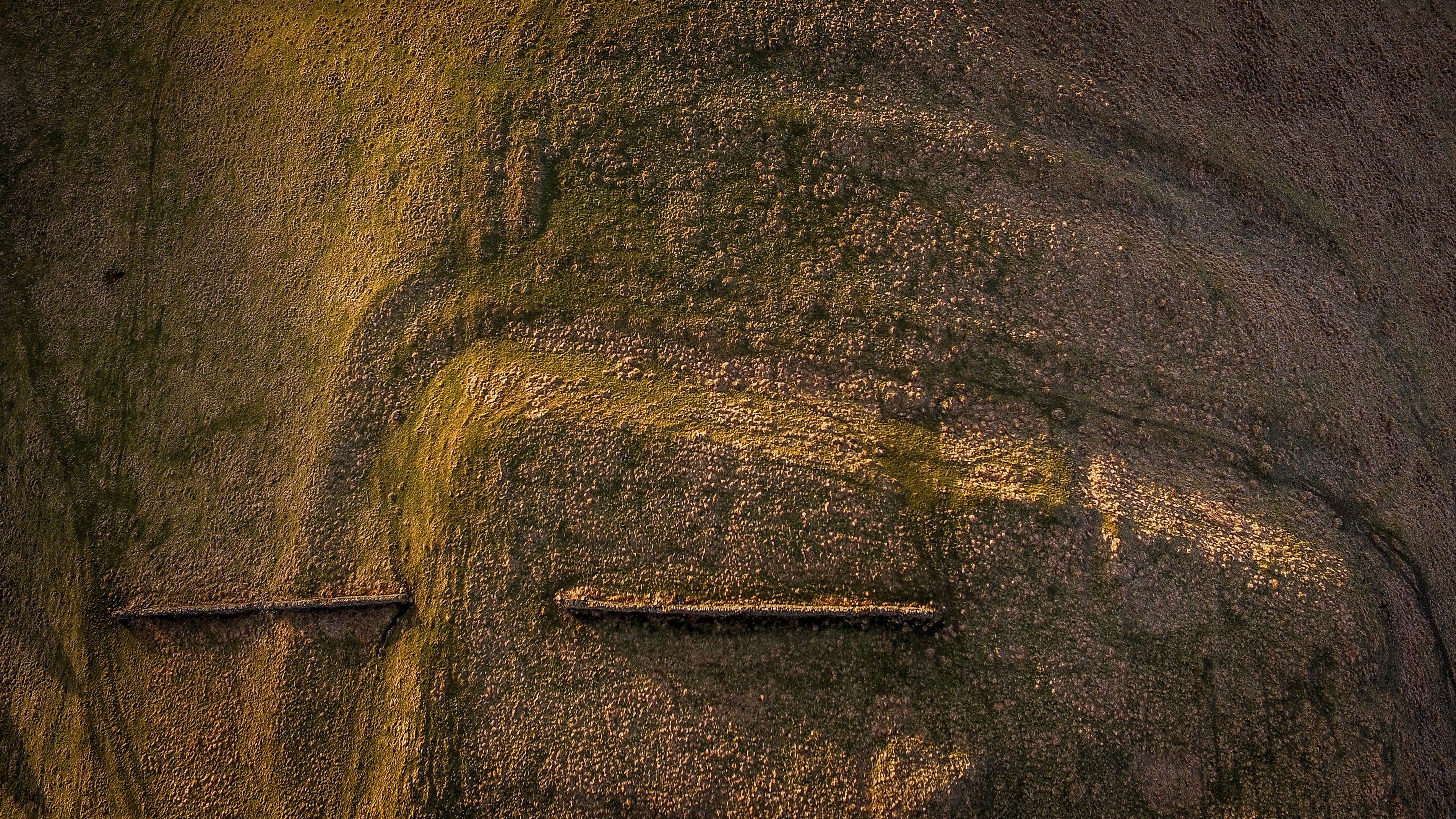
An exceptional range of archaeology, which provides the evidence of human activity from the earliest hunters of the Palaeolithic through to twentieth century industrial remains.
The legacy of rural industries
The remains of former rural industries, the influences of which on the area’s culture and social fabric are still evident today. They include lead and lime extraction and processing sites, as well as water mills.
Castles, abbeys and estates
Powerful reminders of periods of dominance by large estates and religious houses, through place names and some surviving structures, such as Bolton Castle, Bolton Abbey, Barden Tower and Marrick Priory.
Traditional buildings and local craftsmanship
Distinctive, traditional architecture, where the local building materials used link directly to the area’s geology.
Historic villages and settlements
Numerous small, attractive villages and hamlets most of which have been there for over a thousand years, as well as scattered farmsteads.
Historic routes through the landscape
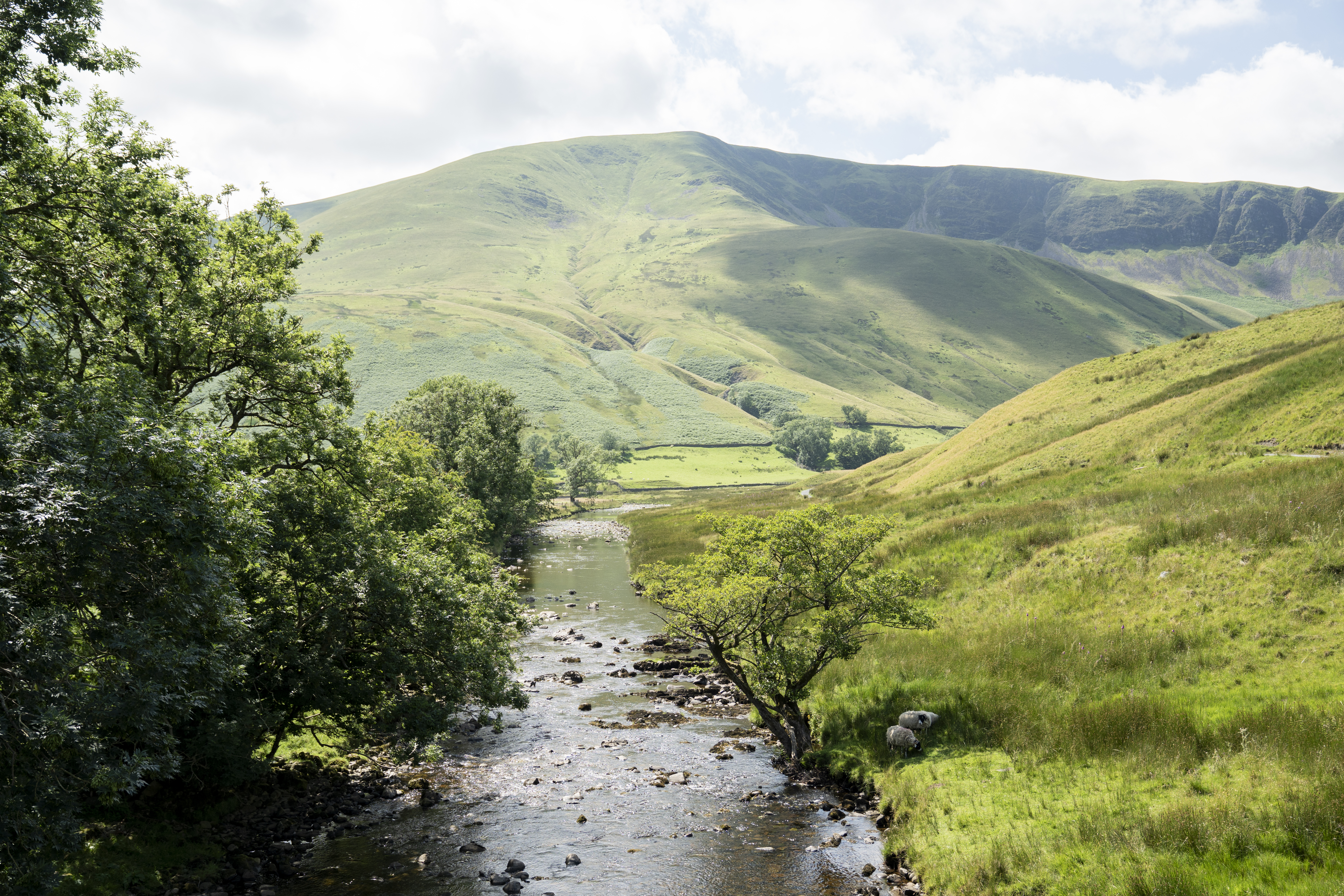
Minor roads along the dales, bordered by drystone walls or hedgerows and flower-rich verges. Higher up, unfenced roads cross open moorland and offer dramatic views.
The Settle-Carlisle Railway
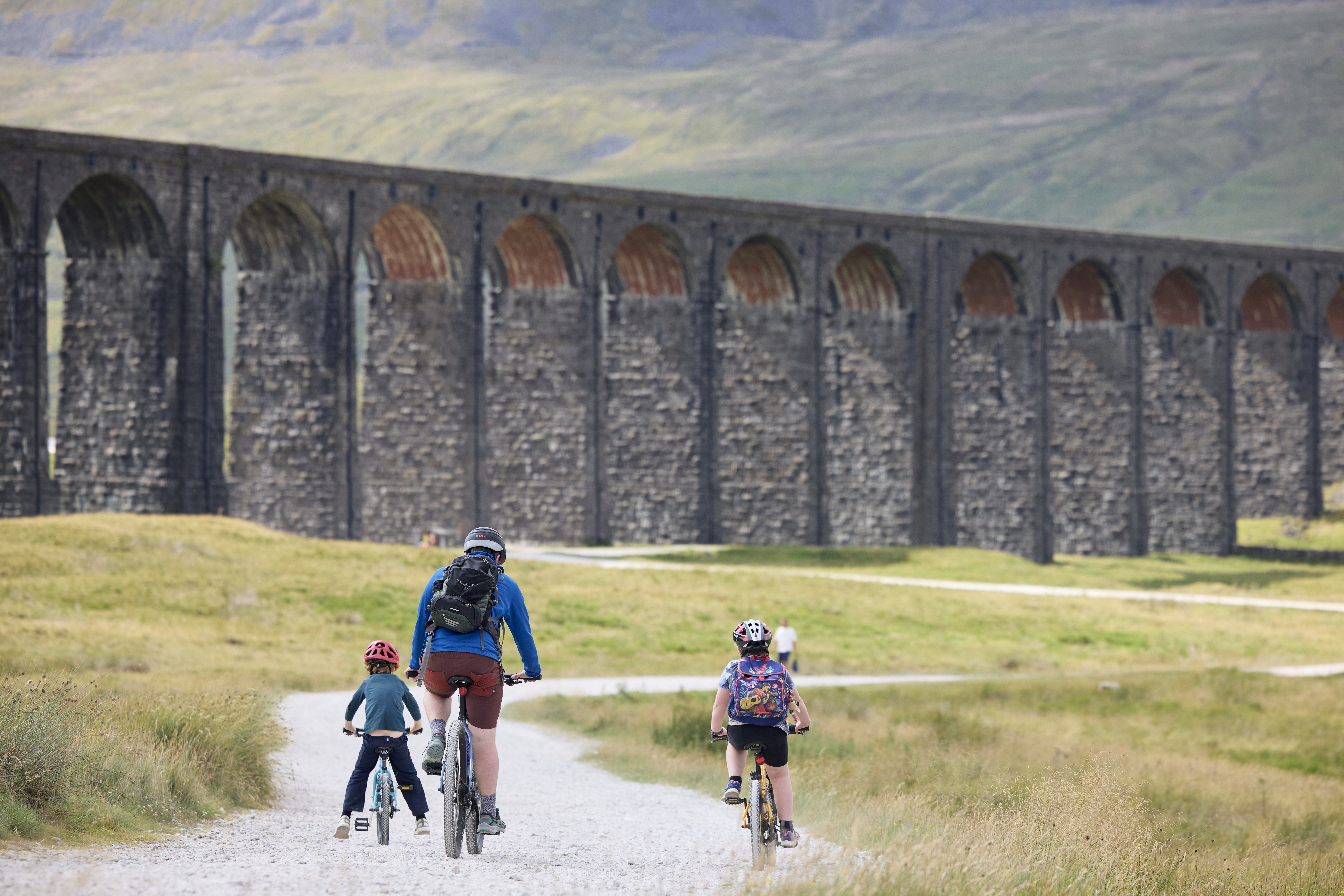
The Settle-Carlisle Railway Line, opened in 1876, is unique and displays impressive engineering and conserved Midland Railway architecture and offers a very special way of enjoying the dramatic landscape along its route.
Language, literature and art
A distinctive linguistic, literary and artistic heritage, inspired by the landscape and by the history of the communities – past and present – who have lived and worked here.