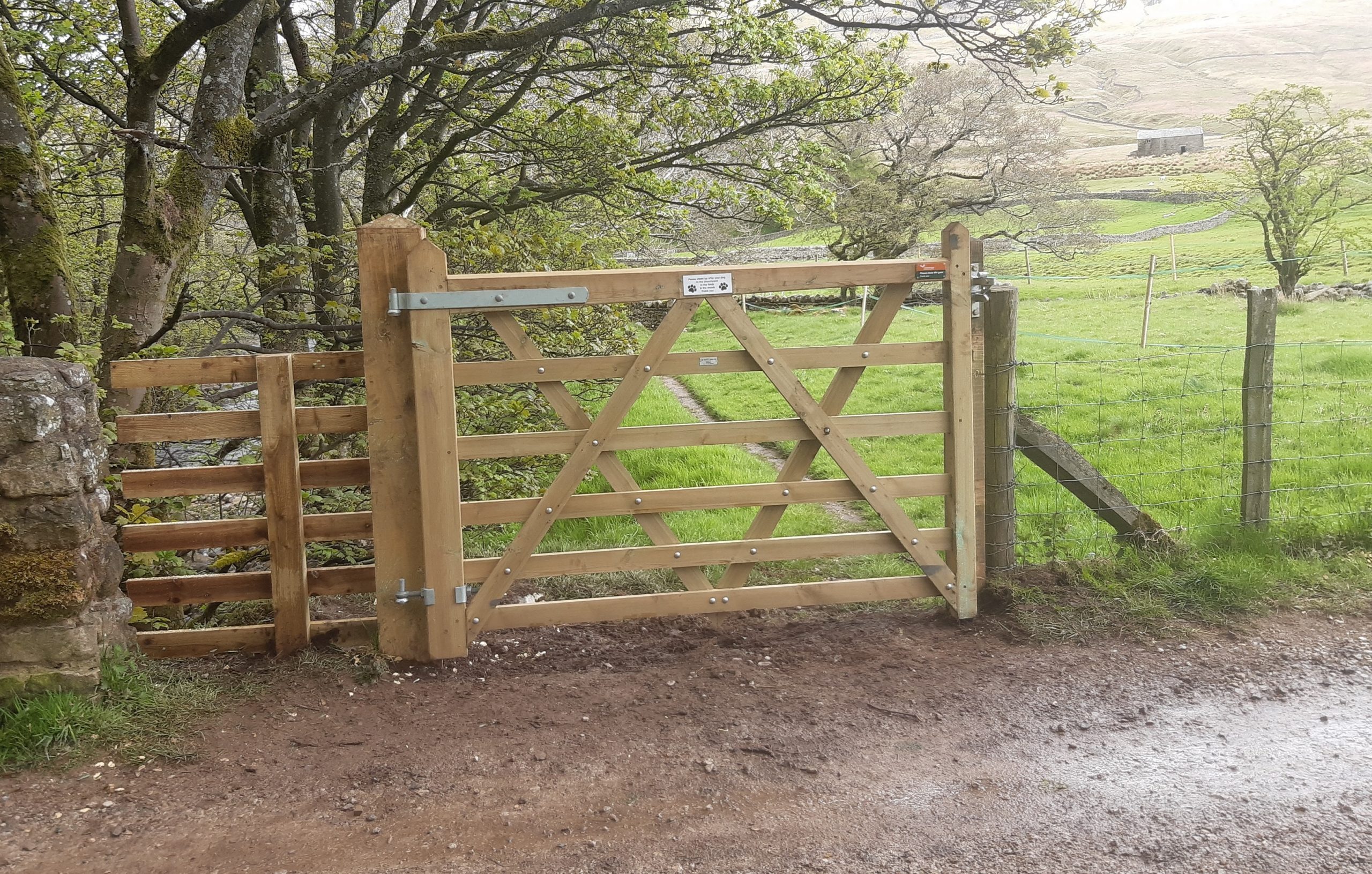
New gate on right of way in Mallerstang
Objective 3.1
On course
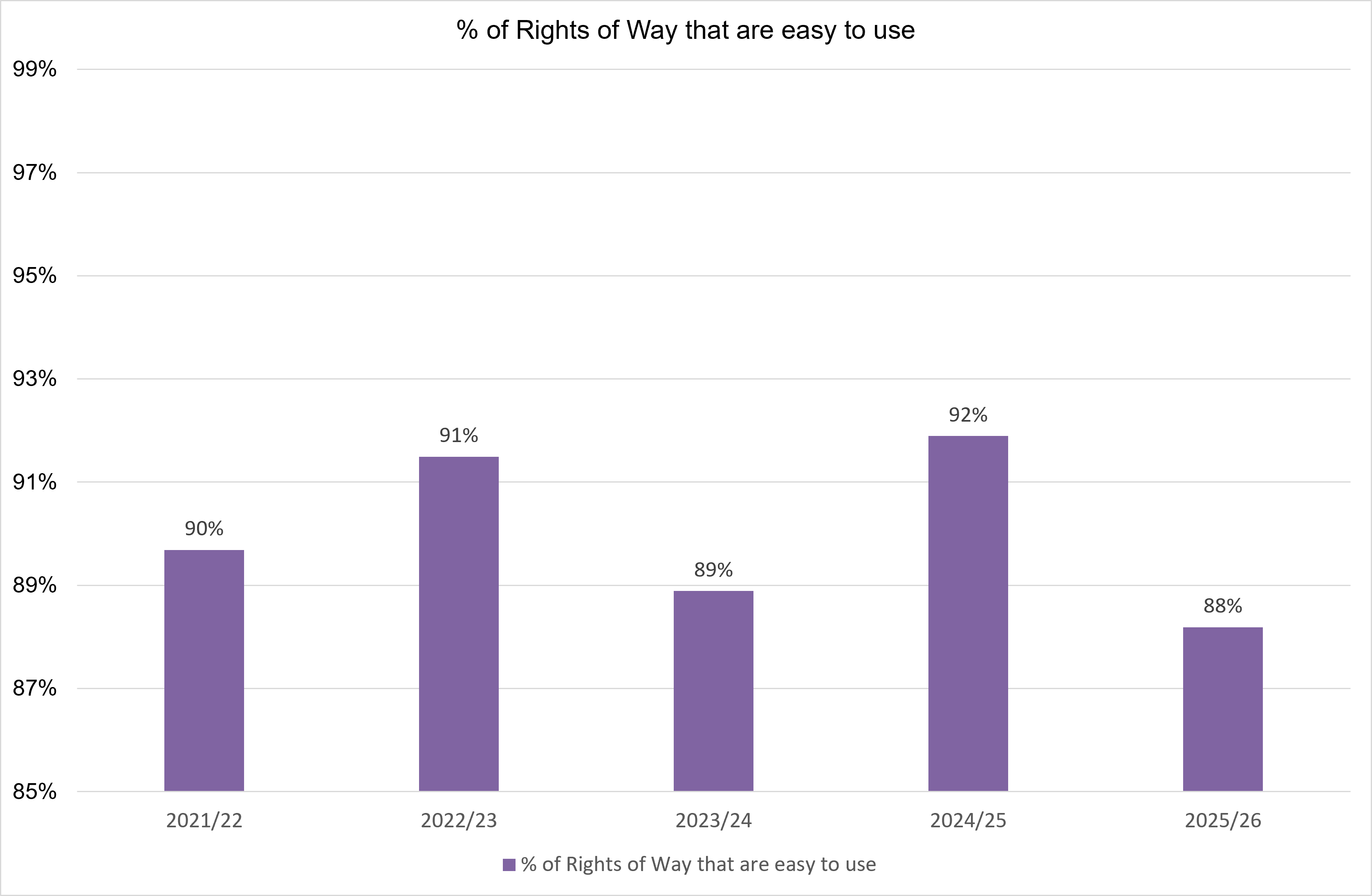
Manage and maintain the standard of all public rights of way, so that, on average, 90% remain ‘easy to use’, and create five new ‘miles without stiles’ routes that are suitable for a diverse range of ages and abilities.
Progress
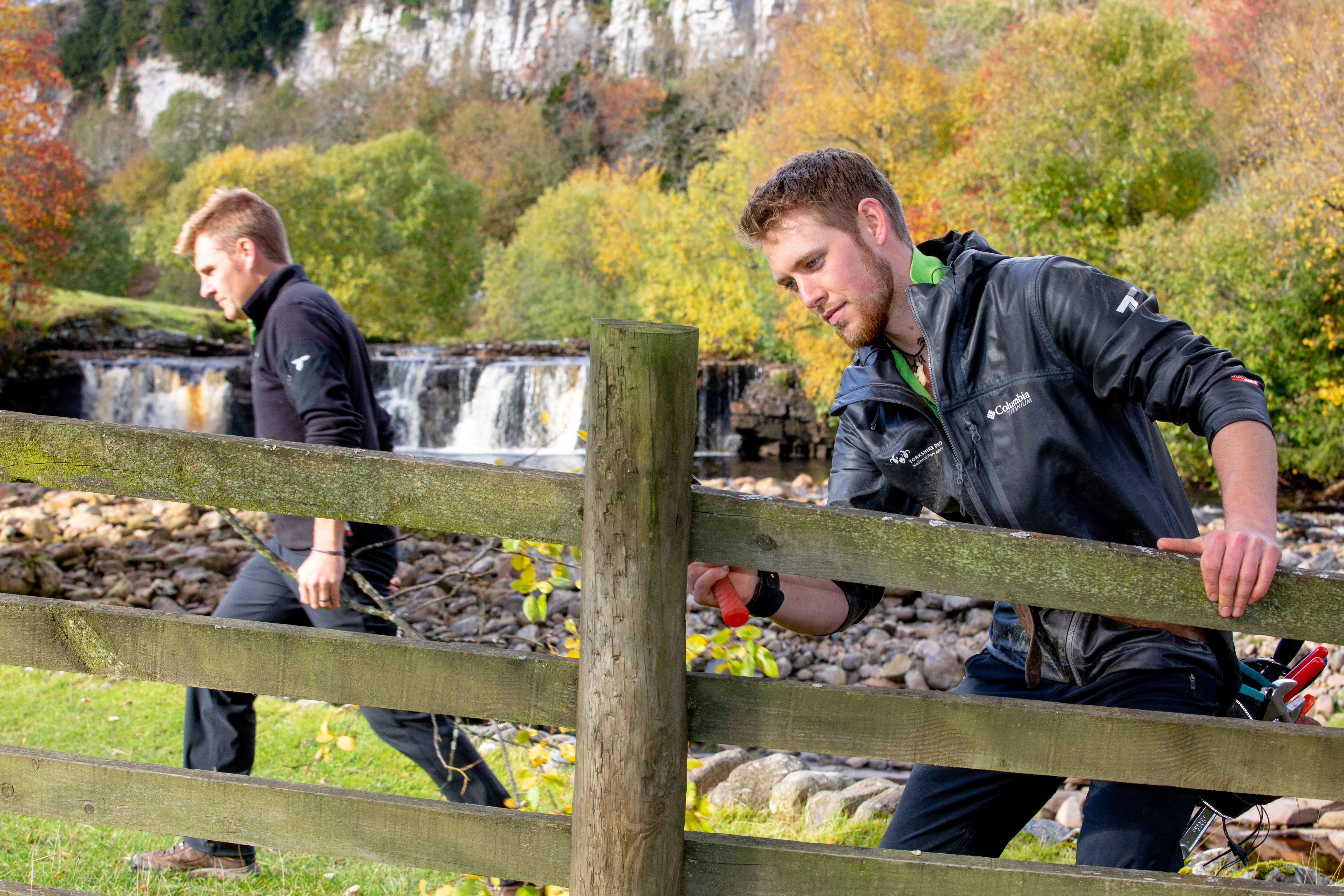
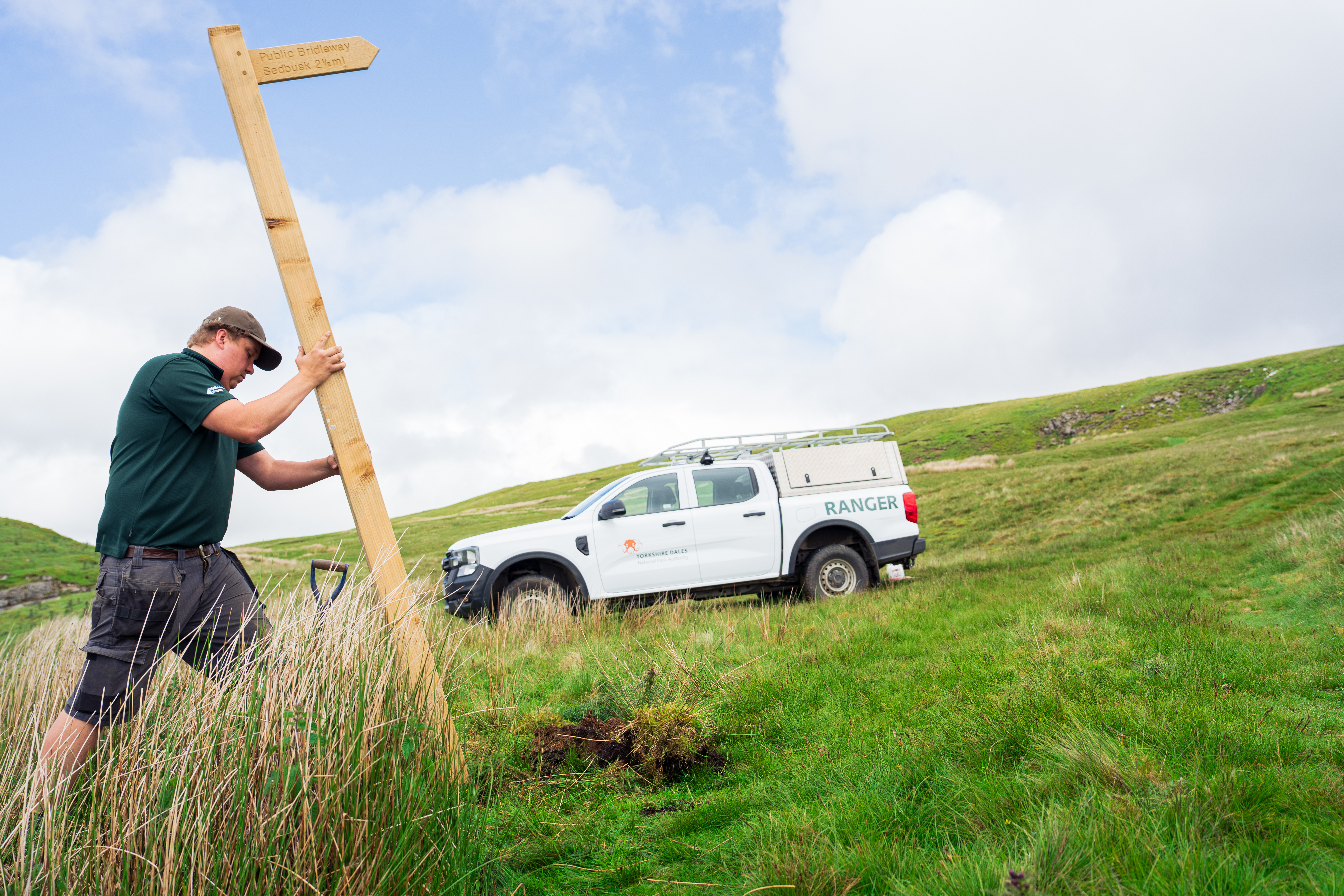
88% of rights of way surveyed in 2025 were ‘easy to use’ – maintaining an overall average of 90% over the past five years. The National Park Authority replaced or repaired bridges at Cotterdale; Coverdale; Hawes; Mallerstang; and Hebden Gill. Significant surface engineering works were completed at Cawden, Malham, Buckden Pike and Brackenbottom.
A new circular ‘miles without stiles’ route was completed at Aysgarth Falls. An audit of potential miles without stiles identified 4 routes for further development.
Rationale
The National Park has one of the best rights of way networks in the country. These routes are fundamental to people’s enjoyment of its Special Qualities - around 80% of people go on a short or long walk while they are here. The length of routes that are more accessible (defined as ‘Miles without stiles’ categories for ‘All’, ‘Many’, or ‘Some’) is now over 260km, an increase of almost 100km over the last 5 years. The standard of rights of way is now exceptionally high. It will be important to retain this ‘ease of use’ and accessibility but – with the increasing number of severe weather events associated with climate change – the focus will now shift to management and maintenance, with more limited further improvements to physical infrastructure (see objectives 3.2, 3.6 and 6.6).
Lead organisations
Yorkshire Dales National Park Authority
Supporting organisations
North Yorkshire Council, Westmorland & Furness Council, Yorkshire Dales Access Forum, Lancashire County Council.
Cost over 5 years
Funding shortfall