The National Park Management Plan is the most important document for a National Park Authority. It guides the way that it is managed, cared for and developed. The Management Plan is the main means of ensuring that the statutory purposes for which National Parks were created are met.
By law, every National Park must produce a Management Plan and review it every five years.
But, this plan is not just for one organisation - it is for the whole National Park. It brings together the policies and strategies of many different organisations, and adapts them to reflect the specific local circumstances of the Yorkshire Dales National Park. That is why the Plan is not produced by the Authority but by a Partnership of 15 local organisations and representatives of local businesses.
National Park statutory purposes and duty
According to Section 61 of the Environment Act 1995, English National Parks have two ‘statutory’ purposes:
- To conserve and enhance the natural beauty, wildlife, and cultural heritage of the National Parks
- To promote opportunities for the understanding and enjoyment of the special qualities of the National Parks by the public
National Parks are not just beautiful landscapes; they are also places where people have lived and worked for thousands of years. That is why the law also states that National Park Authorities must:
- try to achieve the two National Park purposes in ways that will also foster the economic and social wellbeing of local communities within the National Park.
Legal responsibilities of other organisations
Under Section 245 of the Levelling-up and Regeneration Act 2023, certain organisations – called 'relevant authorities' – have a legal duty to ‘seek to further’ the statutory purposes of National Parks in England. These bodies include local authorities, public bodies, and statutory undertakers (like utility companies).
One important way they can meet this duty is by helping to create and then implement the ambitions and objectives in the National Park Management Plan.
The National Park Management Plan
The Plan is for everyone connected to the Yorkshire Dales National Park – local communities, businesses, visitors and the many organisations that operate there.
Around 97% of land in the Yorkshire Dales National Park is privately owned, and local people will be at the heart of the action needed to achieve most of the Plan’s objectives. The Management Plan sets out how local organisations (whether public, private or voluntary) intend to help and encourage people to achieve those objectives.
Although the Plan is mainly written for these organisations, every effort has been made to make it useful and accessible to a much wider audience.
Download the National Park Management Plan PDF
-
This document contains the Yorkshire Dales National Park Management Plan 2025–2030. The Yorkshire Dales National Park Authority (YDNPA) worked with many partners to create this vital strategy. We have set six long-term ambitions for the National Park to reach by 2040. These goals include protecting our finest wildlife and tackling the impacts of climate change. The Plan features 40 specific objectives to help us care for this special landscape. We will work closely with you and local land managers to meet these important goals. You can track our progress through annual reports published on our website. Please call us on 0300 456 0030 to find out more about our work.
Please be aware that this summary has been generated using AI
Who wrote the Plan?
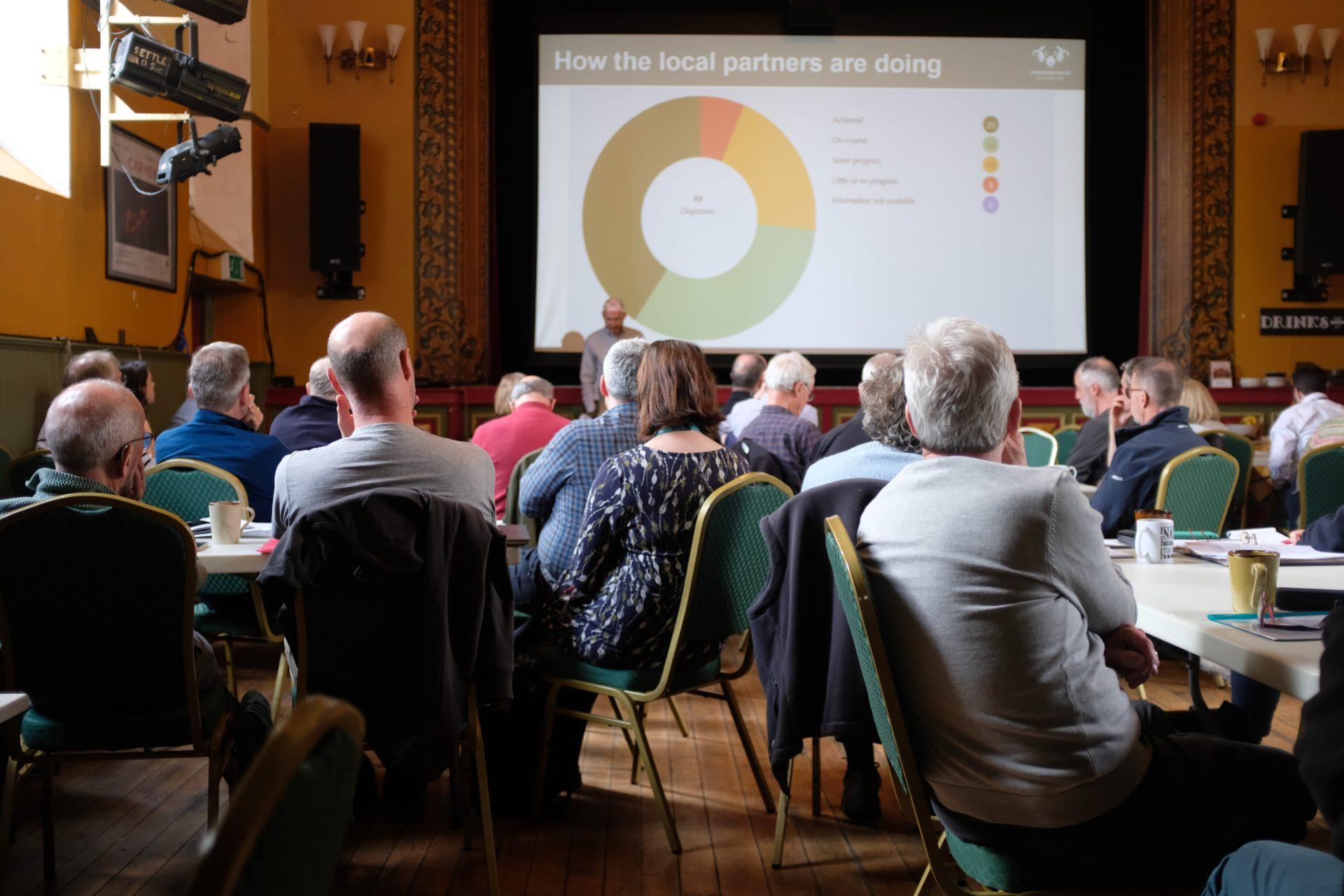
The 2025-30 Management Plan was reviewed and updated by the Yorkshire Dales National Park Management Plan Partnership. This group includes local authorities, statutory environmental bodies, as well as local farmers, landowners, tourism businesses and young people.
What’s in the Management Plan?
The complete Yorkshire Dales National Park Management Plan includes:
- A brief history of the place that became the National Park, and the natural and human forces that shaped it.
- A description of the National Park’s Special Qualities – the things that make this place nationally important and worthy of protection These are unchanged from the previous Management Plan.
- Six detailed evidence reports with key facts, figures about the National Park and important issues, challenges, and opportunities identified during preparation of this updated Plan.
- Six long-term ambitions for what the National Park should look like by 2040. Again, these have been retained from the previous Management Plan.
- 40 specific objectives to help achieve those ambitions and protect the National Park’s special qualities.
Learn more
The Management Plan review
The review of the Management Plan began in January 2024 and involved:
- Detailed research and evidence reports
- Public consultations
- Direct input from individuals and organisations to help write the objectives.
Climate Change Adaptation Plan
The UK government’s third National Adaptation Programme introduced a requirement to produce a ‘Climate Change Adaptation plan’ for each National Park by 2028. These should be embedded in or linked with the Management Plan.
Accordingly, this Plan takes account of the likely impacts of climate change on the National Park – and includes several specific objectives setting out how the biggest impacts will be mitigated or adapted to. Detailed Climate Risk reports are currently being carried out for Cumbria, York and North Yorkshire, and will provide further information specifically for the National Park.
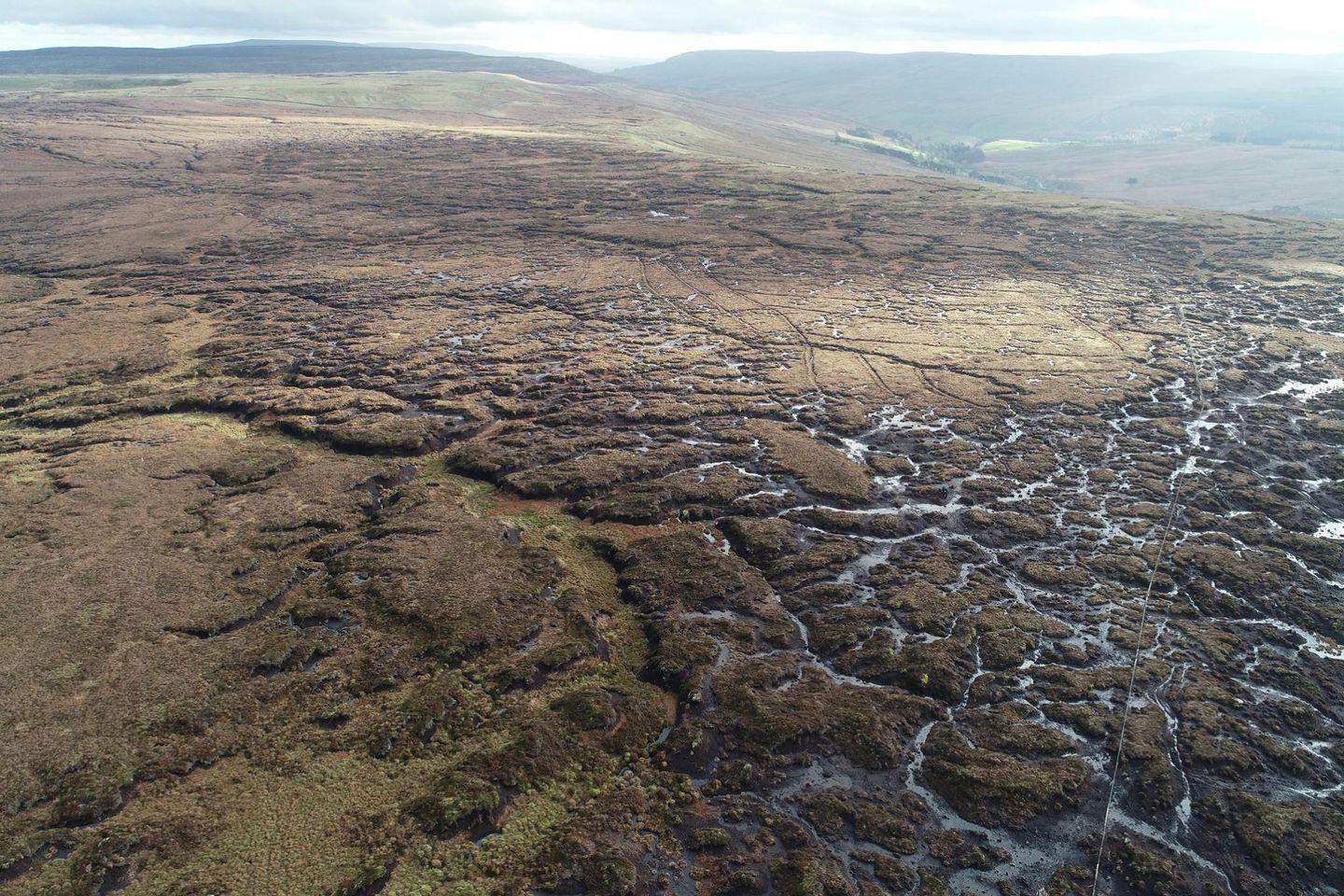
Climate change
Find out how climate change is affecting the Yorkshire Dales and how we're helping nature, landscapes and communities adapt to a changing climate.
Read more about Climate changeLinks to other plans and legislation
The Management Plan sets out a clear ‘direction of travel’ on key issues within the National Park. In doing so, it:
- Implements relevant national and international commitments in a way that fits local needs. In particular, the Government has identified 10 long-term national outcomes for which targets must be set in each National Park. The Partnership has integrated the short-term targets for these directly into the objectives in this updated Plan. The long-term targets for each outcome are set out in a separate Annex to this Plan.
- Takes account of the existing policies and strategies of a range of local bodies.
- Gives effect to, and is bound by, National Park purposes. All the objectives should be read to mean that they will be implemented in a way that meets National Park purposes and the associated duty.
- Establishes a framework for the future policies, plans and strategies of the Yorkshire Dales National Park Authority and the many other organisations that operate in the National Park.
-
This document contains the Yorkshire Dales National Park Authority (YDNPA)’s Protected Landscapes Targets and Outcomes Framework for the Yorkshire Dales National Park. It sets targets and end points linked to National Park Management Plan objectives, covering habitats, SSSIs, farming, emissions, peat, woodland, access and heritage assets, with milestones mainly to 2030, 2042 and 2050.
Please be aware that this summary has been generated using AI
Guiding principles
The following principles have shaped every part of the Management Plan:
Working with local people
Since nearly 97% of the National Park is privately owned, local people will be at the heart of the delivery of most of the objectives set out in this Plan. So, there is a strong emphasis on working with farmers and land managers. There are also many local organisations – including parish councils, clubs, community groups and other voluntary bodies – whose members help shape the culture and landscape of the Yorkshire Dales and form a key part of interactions between people and the natural environment. While there are too many to list individually, the Partnership deeply values their contributions.
Clarity of focus
The Management Plan does not try to list everything that needs to be done over the next five years. Nor does it go into detail about how each objective will be delivered (that is guided by the numerous supporting strategies of the partner organisations). Instead, it focuses on identifying the key objectives that will be implemented through the collective efforts of many organisations and individuals.
- Accountability: The Management Plan website shows which organisations will be contributing to the achievement of each objective. Twenty-four organisations have lead responsibility, and over 60 others will be taking action to help support the achievement of particular objectives. Wherever possible, the objectives include measurable targets so progress can be tracked and shared publicly.
- Priority of nature recovery and climate change: Achieving each of the six ambitions set out in this Plan is vital. But – in the face of the climate and nature emergencies, and the clear feedback from the public consultation – the ambitions for nature recovery and tackling climate change have been given the greatest priority. The main objectives for these two ambitions are set out first – but they are also supported by many of the objectives set out that support the other four ambitions.
- Ambitious for change: The scale of the natural resources in the Yorkshire Dales National Park mean it has huge potential for ‘green growth’ – probably the greatest in England. That’s why some objectives in the Plan are deliberately very ambitious. Most of these relate to the new national outcomes set by the Government for nature and climate. The targets for these have been set in line with what would need to be achieved within this National Park in order to contribute proportionately to the national targets. In that sense, they are the minimum that will need to be done. However, each of them will require very significant investment – whether from the public or private sector – which is not yet readily available.
Statutory assessments
The preparation of this Management Plan has been subject to:
- Sustainability Appraisal: This appraisal looked at how the Plan’s draft objectives might impact sustainable development – including any impacts on the environment.
- Equality Impact Assessment: This helps prevent unlawful discrimination, harassment, victimisation or other conduct prohibited by the Equality Act 2010. The Act also requires the advancement of equality of opportunity between people who show ‘protected characteristics’ and those who do not.
- Habitats Regulations Assessment: This determined whether any objectives could have an impact on conservation sites designated under the European Habitats Directive. These are sites of exceptional importance in respect of rare, endangered or vulnerable natural habitats and species.
Monitoring and reporting
The National Park Management Partnership monitors and reports progress towards the achievement of the Plan’s ambitions and objectives. Each year, the Partnership will publish:
- An annual summary of progress; and
- Detailed updates of progress on every individual objective.