We want our birds of prey back
Monday 26 February, 2018
By
David Butterworth
David is the Chief Executive of the Yorkshire Dales National Park Authority
More from
David Butterworth
Never has it been easier to identify the biggest, most important issue for the Yorkshire Dales National Park Authority. No, it is not the impact of empty second homes on community life. It is the future of upland farming post-Brexit. Decisions made in the next few years on a new, England-only agricultural policy could shape the landscape of the Dales – and its communities – for the next fifty years.
I need to say that because this is my first Country Week column (this blog post first appeared as a column in the Yorkshire Post on Sat 17 Feb 2018), but…the issue for today is the continued, abhorrent illegal persecution of birds of prey and the need to take urgent, collective action. The monitoring data, the number of confirmed persecution incidents and the absence of some species from large areas of potentially suitable habitat provide compelling evidence that illegal persecution is limiting the populations of peregrine and hen harrier in the Park.
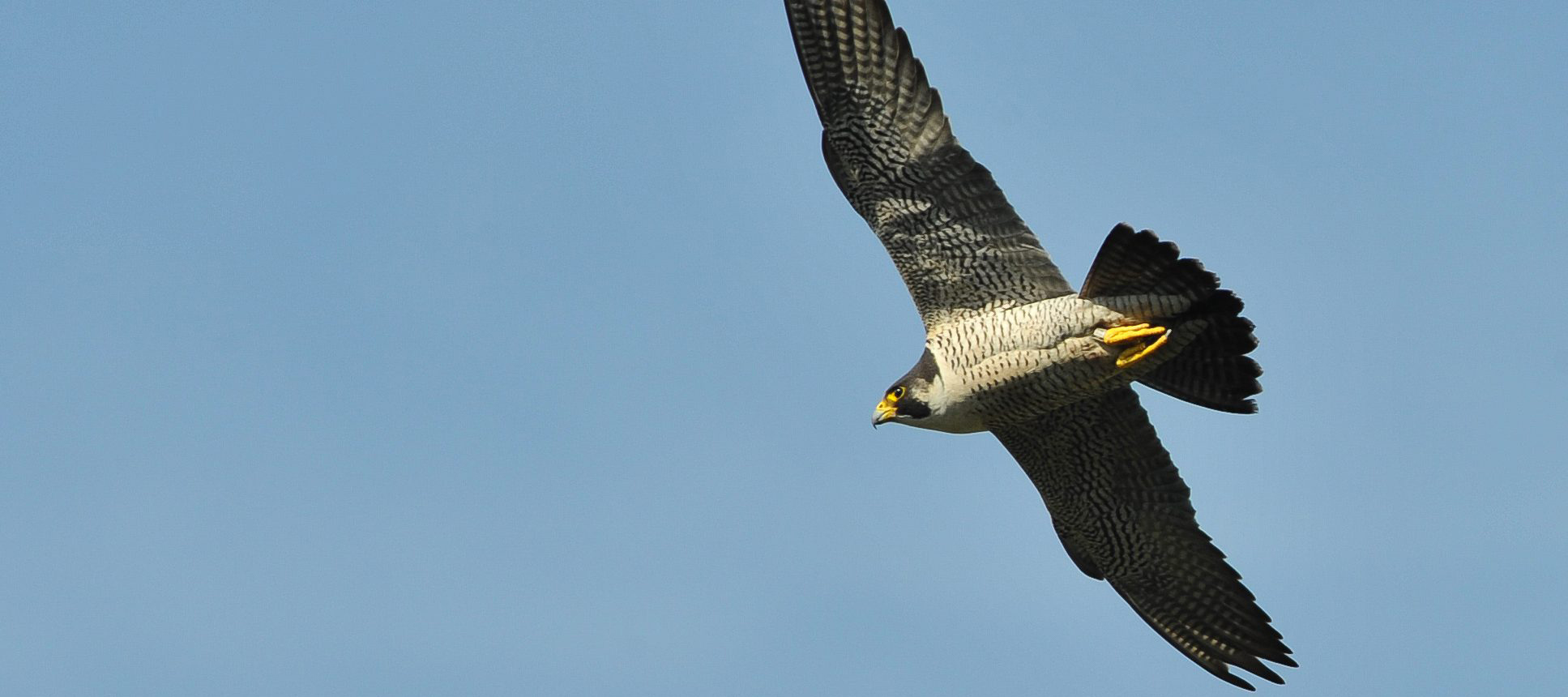
North Yorkshire has gained an unenviable reputation as England’s bird of prey persecution hotspot. Look at the facts. There has not been a successful Peregrine nesting attempt on any of the monitored grouse moor sites in the Park since 1997, with birds now absent from the majority of sites that were occupied in the 1990s. There has not been a successful hen harrier nesting attempt in the Park since 2007.
The problems are well documented but, as yet, there are no widely accepted solutions to the conflict between some land management practices and bird of prey populations. People need to be clear that the National Park Authority do not own the land, and that there are no specific legislative powers that can be applied in National Parks to regulate game shooting.
This does not mean that we are sitting idly by doing nothing. Today, we are helping North Yorkshire Police with the launch of ‘Operation Owl’ – a scheme to get people who are out and about enjoying the magnificent countryside to look out for and report suspected wildlife crime. With the help of residents and visitors we can make a difference.
I need to be absolutely clear: bird of prey persecution is foremost a police matter. If you suspect it, or wish to report any information, you need to dial 101 or in an emergency 999. But it is also is a matter for us, as the Park Authority exists to conserve and enhance natural beauty and wildlife.
No single organisation will solve the current problems. We have representation on a number of national and regional groups, and although fully aware of the difficulties faced by these groups, we strongly believe in maintaining dialogue with all stakeholders. National Park Authorities are a member of the Defra family, and so we will contribute to delivering relevant objectives detailed in these Defra plans and strategies to protect birds of prey.
We know that not all land managers have the same negative attitude towards birds of prey. I was, for example, extremely encouraged by the positive response to the presence of two nesting female hen harriers in the National Park last year, and the complete cooperation and support that we received from the landowner to assist in the monitoring of the nesting attempts. I too shared the frustration and disappointment that these attempts failed due to natural causes.
I believe that the Moorland Association, which represents some of the estates, is making genuine attempts to tackle bird of prey persecution. The Park Authority wants to see grouse shooting remain and thrive. It is part of the cultural heritage of the Dales and a part of the local economy. But the Association must know that change cannot come quickly enough. We want birds of prey back in this iconic National Park.