Skilled digger work helps trout
Friday 29 August, 2025
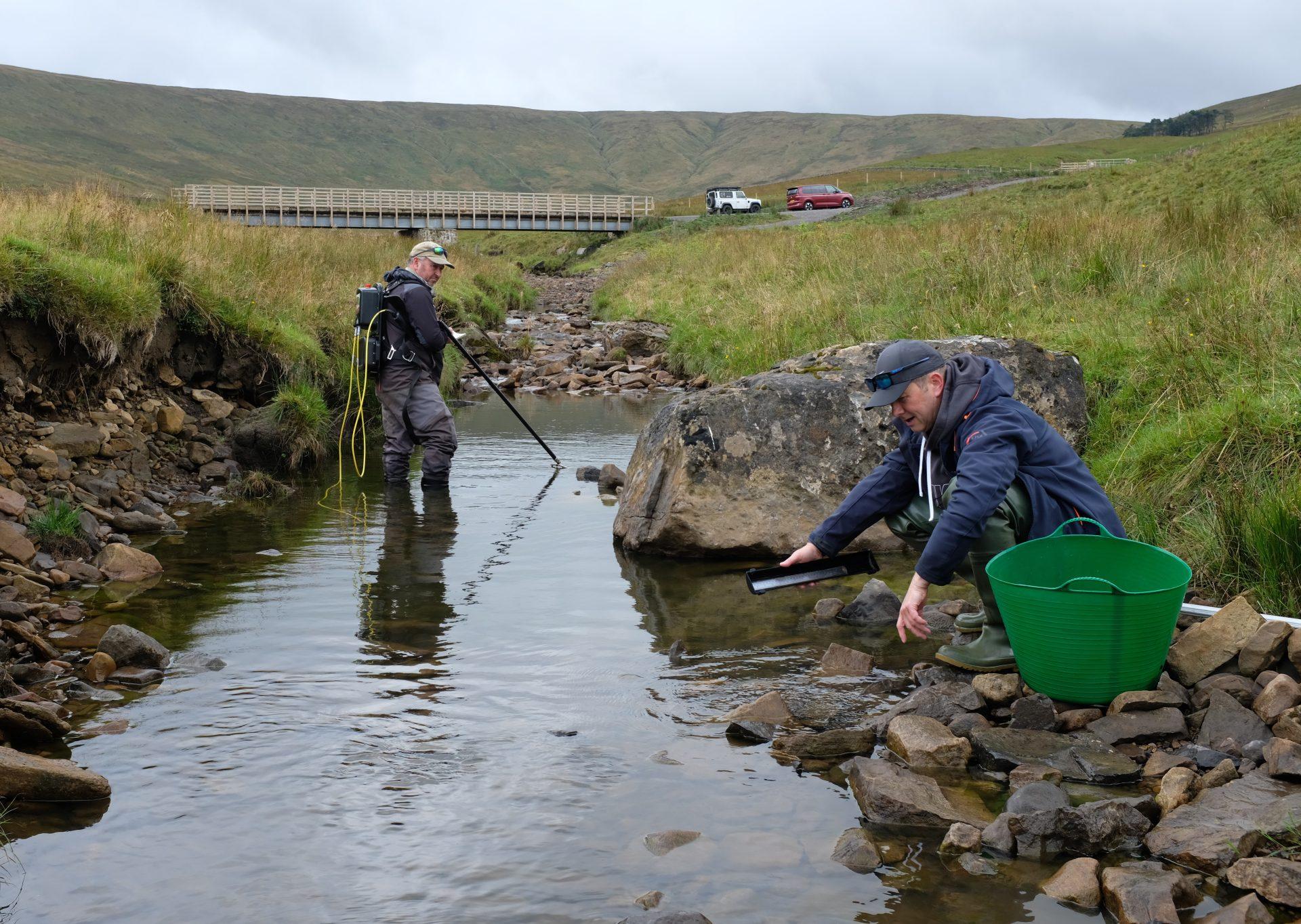
Volunteers carrying out an electro fishing survey. Credit: YDNP

By
Andrew Fagg
Andrew is the Authority's Media Officer
More from
Andrew Fagg
What difference does it make to move boulders beside a beck?
Or to drop dead mature pine trees into the water course?
In Snaizeholme, it means more trout.
In May 2024 a baseline survey carried out by Jonny Grey showed that although there were trout in Snaizeholme Beck, there were hardly any fish in some places.
A typical 30 metre section of the beck supported but one young-of-year trout.
In July last year a digger contractor from nearby Hawes began working to Jonny Grey’s plan to “kick the flow around a bit”.
On that typical 30 metre section, they shifted large boulders to the water’s edge. Its effect was to make a straightened section of the beck slightly more wiggled. Smaller stone and gravel was poured in, or has subsequently gathered, either side of the boulders.
(For more on straightened becks, read Jonny Grey’s blog post.)
And what a difference it appears to have made. As I saw for myself today, the beck is a better place to be for brown trout. That’s good, because if brown trout are in the beck, the beck is healthy.
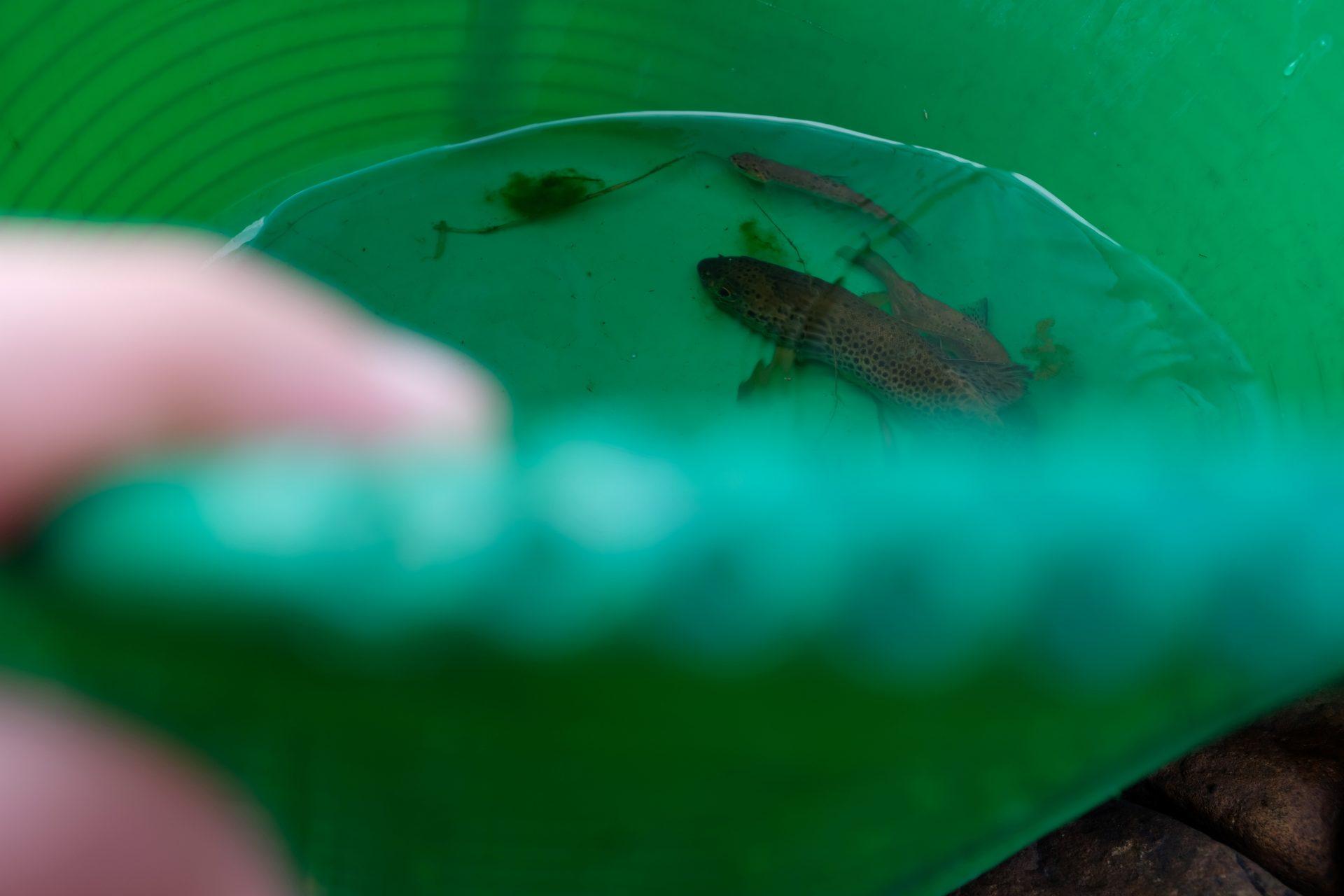
2 Trout caught in the bucket during the survey Credit: YDNPA
In the electro-fishing survey this morning, on that same 30 metre section, we caught, measured and released 15 trout. They were mostly young-of-year hatched this February, but there were also trout born last year, some measuring 170mm from snout to tail fin. Some of the fish flashed a bright red adipose fin.
Jonny Grey said: “Last year it was almost like a bit of canal, straight, deep, sluggish flow, featureless, and there were very few fish in there, just one. We’ve gone in there today, it’s a lot harder to fish because of the boulders and yet we’ve got at least 15 trout, in exactly the same section. Obviously it’s early days, we’re only comparing one date against the other, but I would be extremely, cautiously happy with that result.”
One thing I’m learning is that a digger can work wonders for wildlife conservation.
Jonny said: “That one 30 metre section, it took about 25-30 minutes [of digger work], with a very skilled local contractor who was able to manoeuvre the boulders and tip stone back into the channel.”
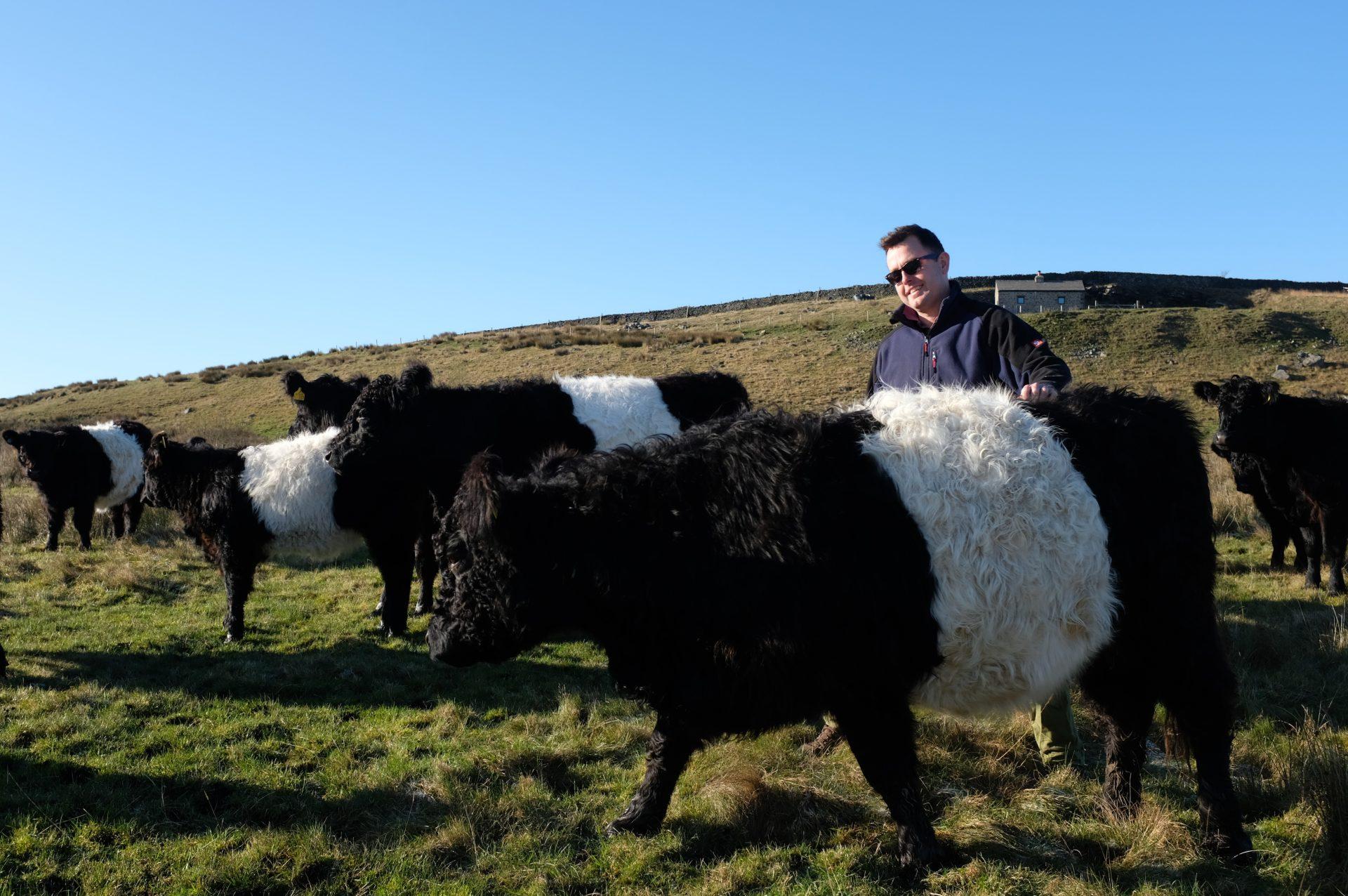
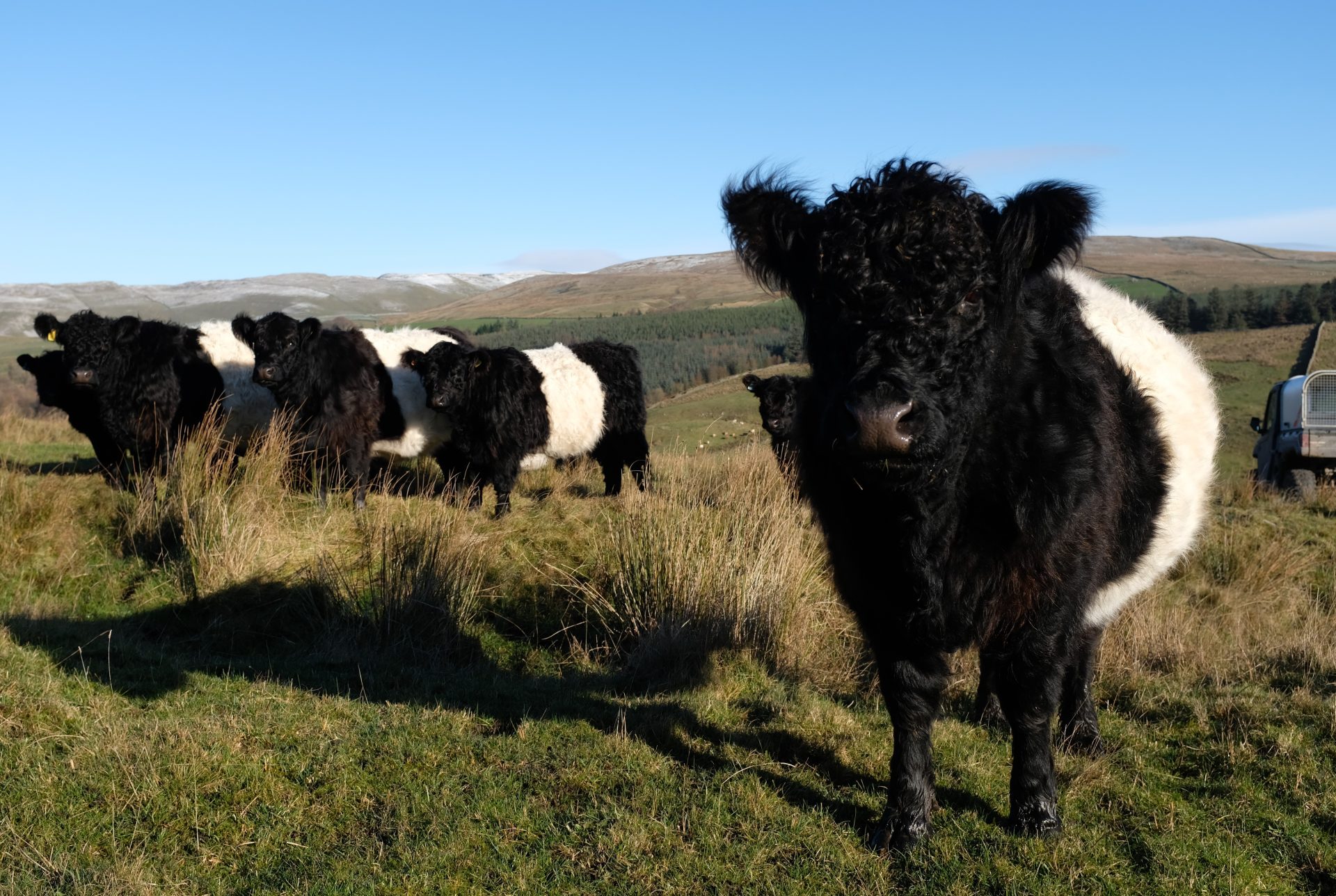
The work has taken place at the Woodland Trust’s Snaizeholme Estate, where farming is an important part of the nature recovery vision. It was hard not to be taken with the herd of Herefords, lighting up the dale
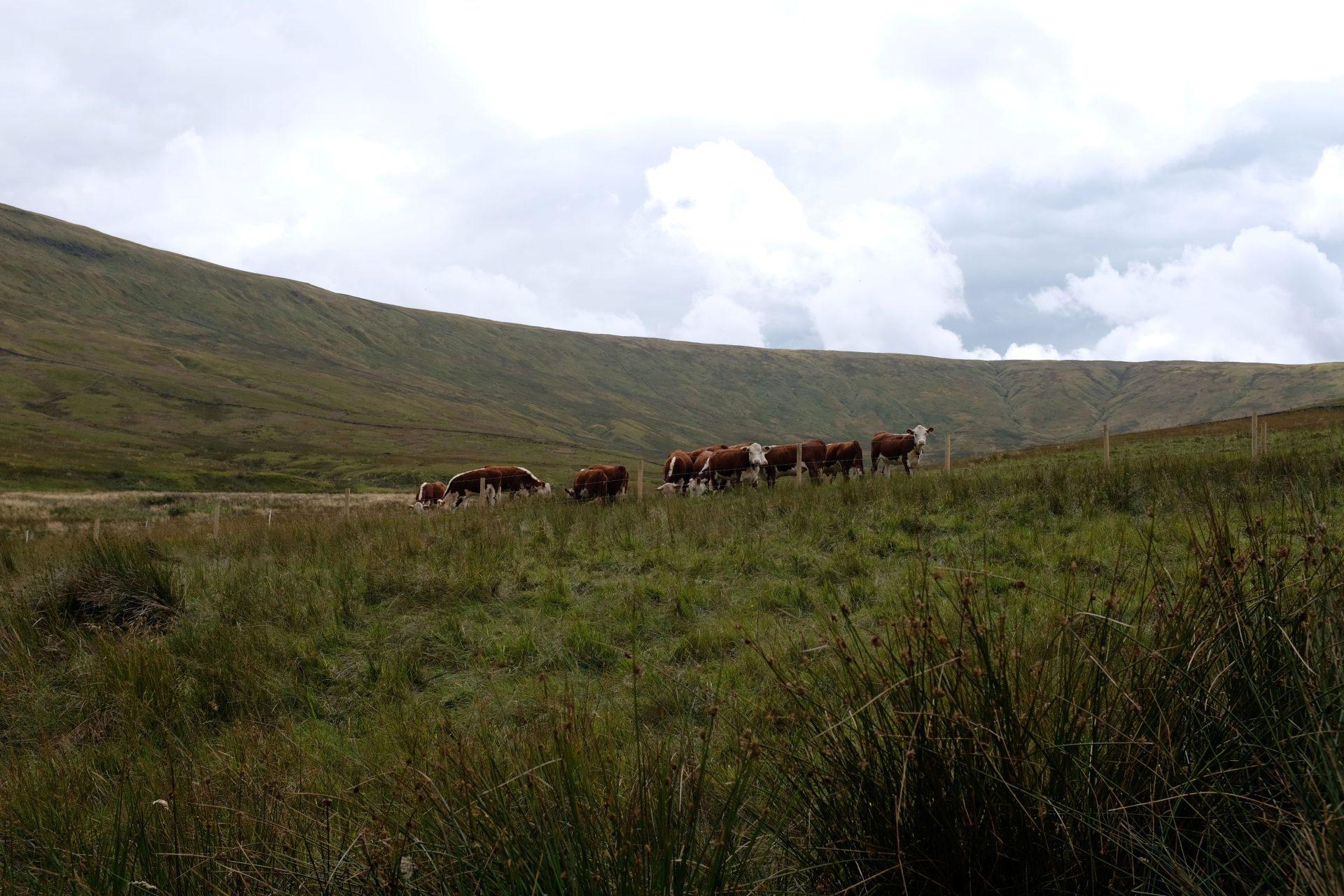
Herefords in Snaizeholme Credit: YDNPA