Harnessing History and Horsepower at Cleatop Wood
Wednesday 22 January, 2025

By
Meghann Mezzanotte
Meghann is the YDNPA's Trees and Woodlands Officer
More from
Meghann Mezzanotte
I recently had the pleasure of watching the ancient art of horse logging in action in one of our woodlands in the Yorkshire Dales, and I’m now a little obsessed with this environmentally-friendly and low impact technique of extracting timber.
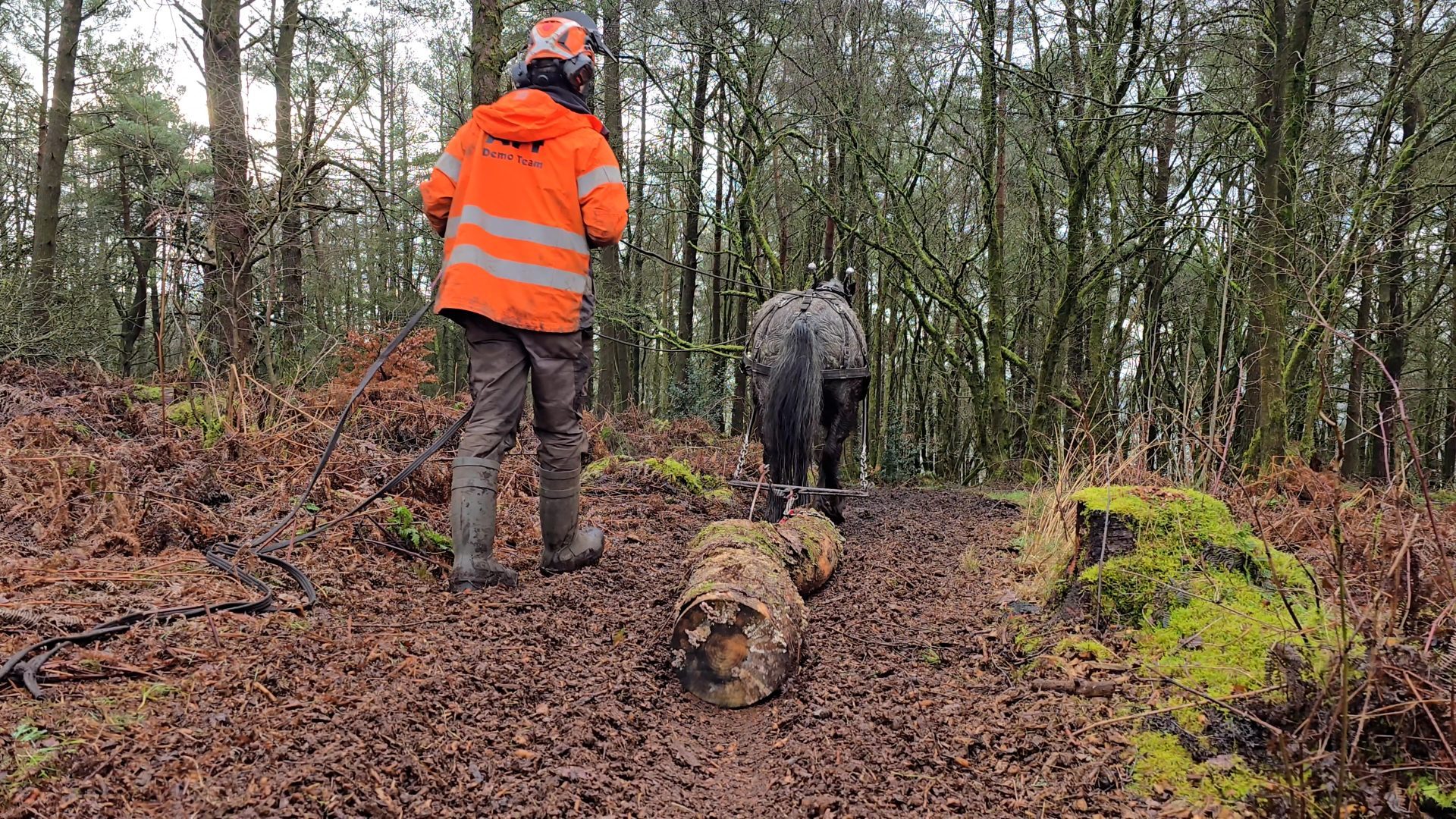
Snigging at Cleatop Wood.
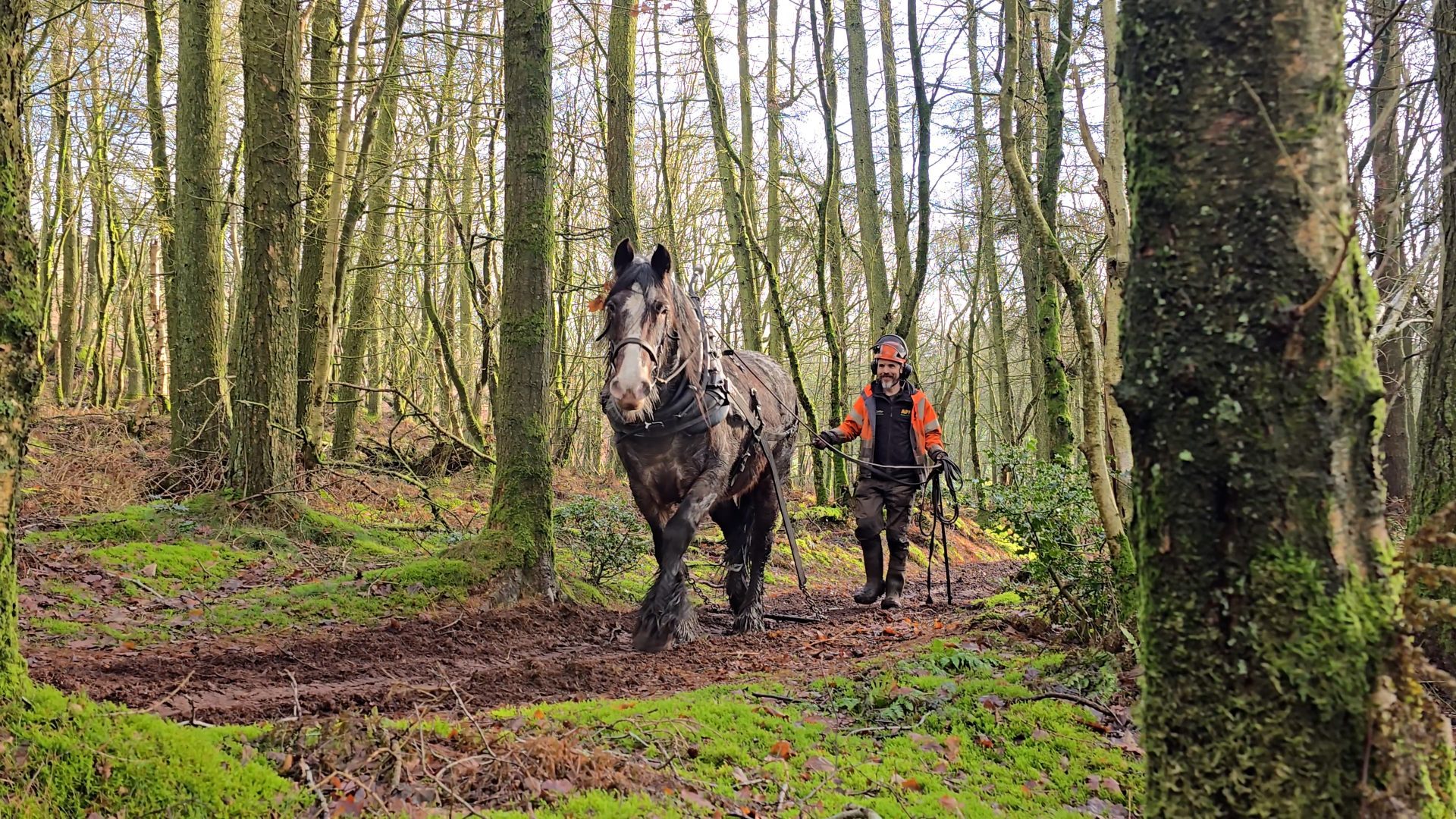
Horse logging (or snigging) is a traditional forestry method that goes back 10,000 years. It involves one or more horses pulling a length of timber behind them on a chain that fixes onto a harness. The skill nearly disappeared entirely when machinery took over in the 80s, but in more recent years it has made a come back and has proven to be the solution for extracting timber from a challenging and ecologically sensitive site near Settle.
Cleatop Wood is a 15-hectare ancient semi natural woodland and local nature reserve, owned and managed by the Yorkshire Dales National Park Authority for biodiversity conservation, as well as providing opportunities for recreation, local conservation groups and volunteering, learning and engagement.
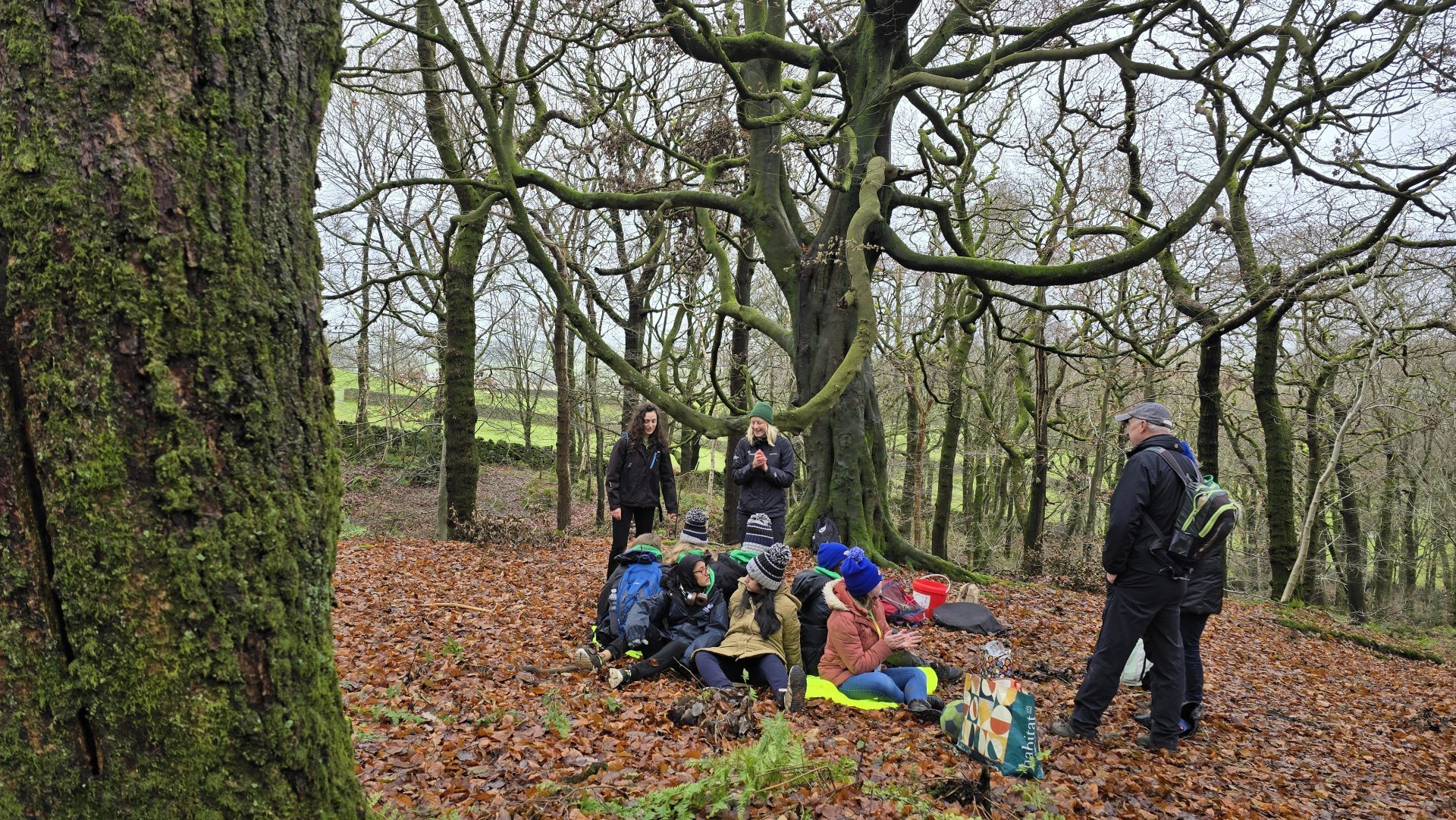
A site of ecological importance, trees have been here since before 1600. Ancient woodlands are our richest, most complex habitats; home to many species and with centuries-worth of undisturbed soils. Sadly, ancient woodland now only covers 2.5 percent of the UK, and so restoring and protecting these sites is crucial to ensuring the survival of the wildlife that depends on them, and to help build and maintain resilient, sustainable landscapes that are less vulnerable to climate change and tree disease.
Cleatop Wood is chiefly mixed native broadleaf, including oak, birch, rowan, holly, beech, sycamore, and some pockets of ash. A non-native conifer component of Japanese larch and pine was planted in the woodland before the YDNPA acquired the site, most likely for timber production after the war, and this currently makes up about 25 percent of tree cover. This conifer plantation is knows as PAWS – Plantations on ancient woodland sites
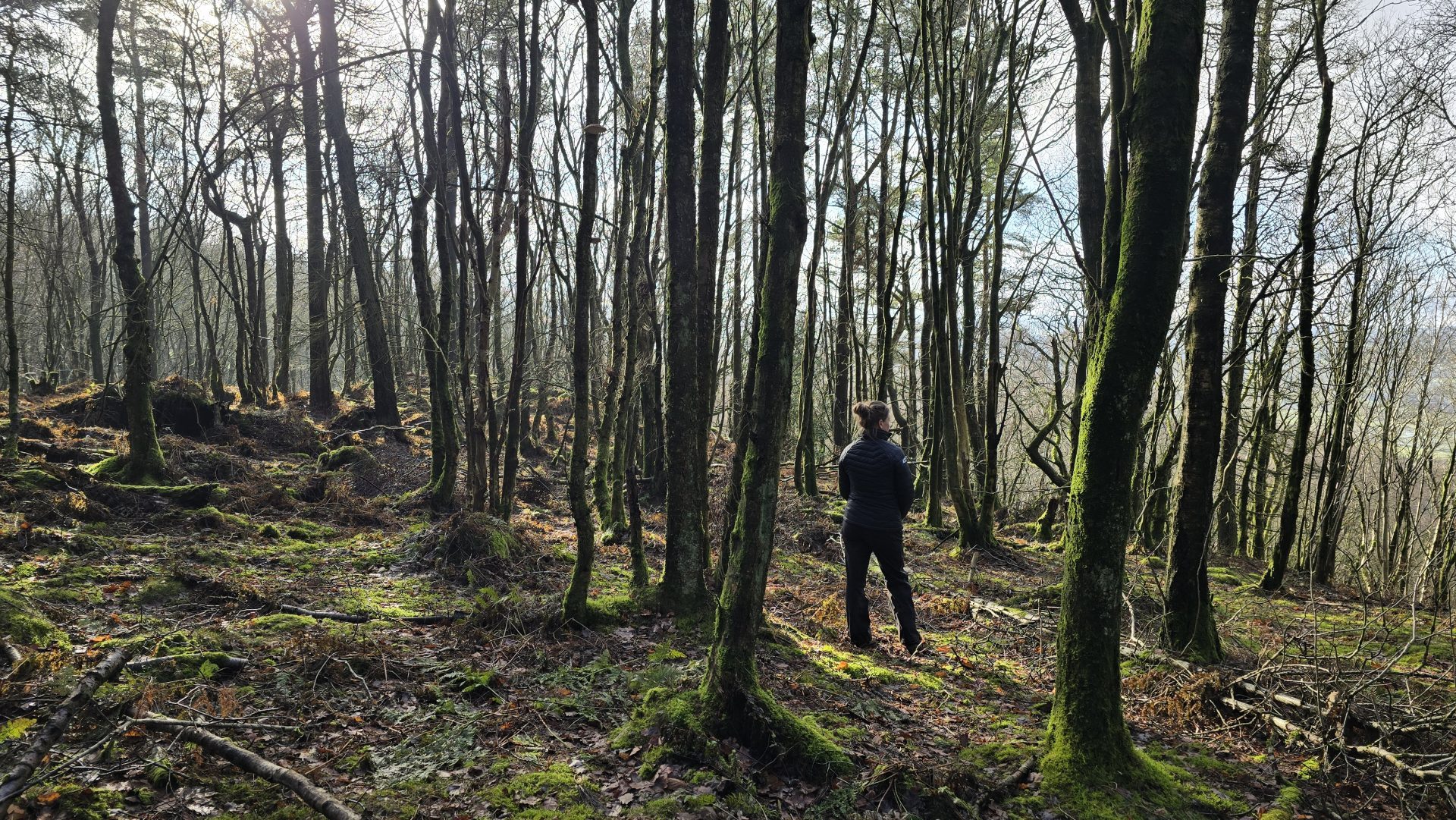
The long term vision for the woodland is to restore this PAWS area back to semi-natural woodland by felling and removing the non-native larch over a number of years, replanting with broadleaved native species, and encouraging natural regeneration. But when the task to review the management of the woodland came my way, I became increasingly overwhelmed by the practicalities of moving this job forward. Not least because accessing and moving around the site with modern forestry machinery is challenging due to the setting and nature of the woodland, but because, more importantly, this environmentally sensitive woodland needs protecting from soil damage and rutting that heavy machinery can cause.
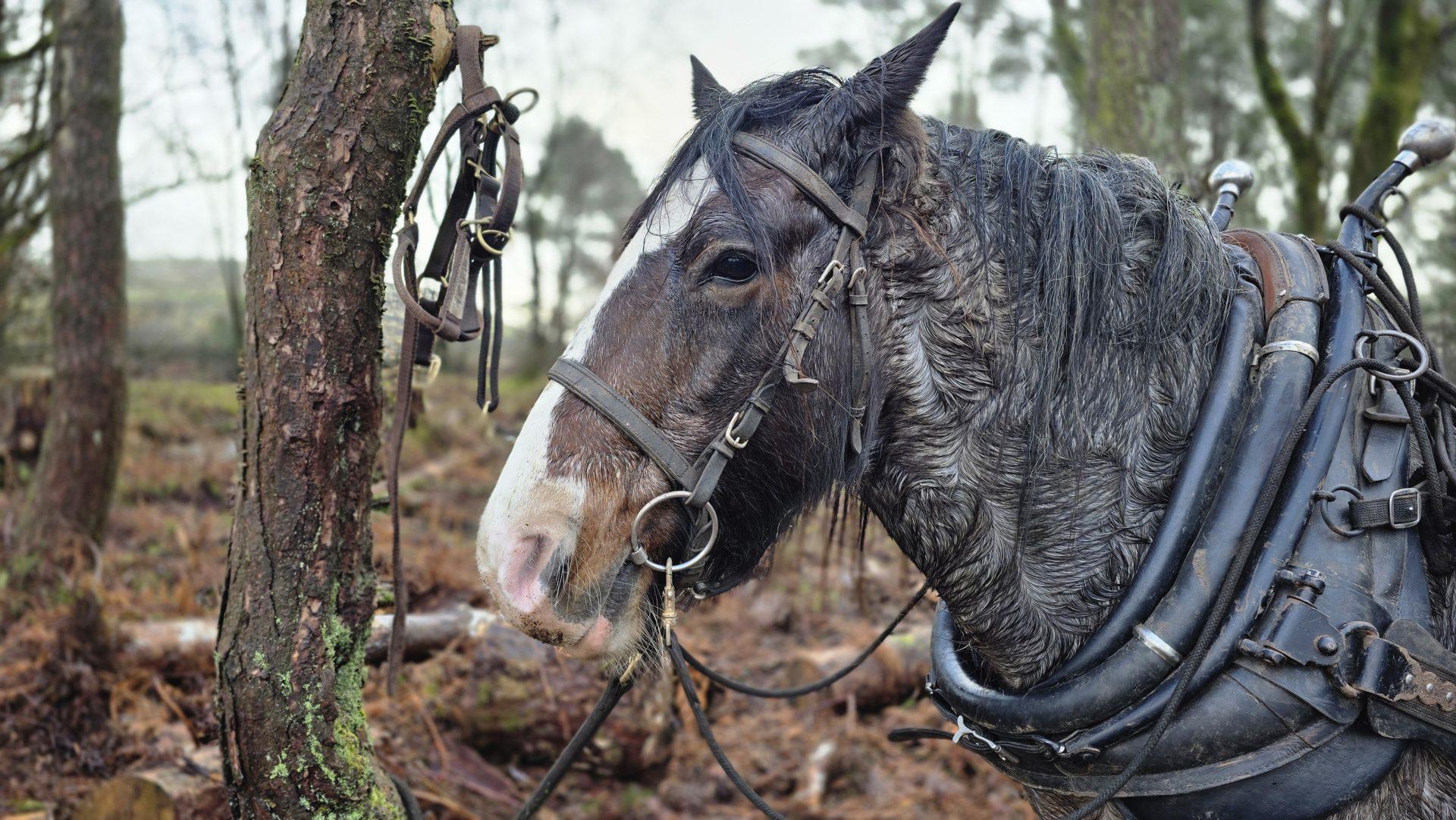
The complication of removing this timber became even more problematic when storm Arwen whipped her way through the woodland back in November 2021, causing severe wind blow in the PAWS area and leaving a high volume of timber that needed to be removed. Enter Tom and Duchess – human and horse duo, and skilled in the art of horse logging.
I made contact with Tom Dutson, based just up the road in Cumbria, after stumbling across the British Horse Loggers Association. Tom was really keen to get involved, and after learning about how he could help remove the timber from within the woodland with his Dales pony, Duchess, I became more and more convinced that they were the answer to our problems
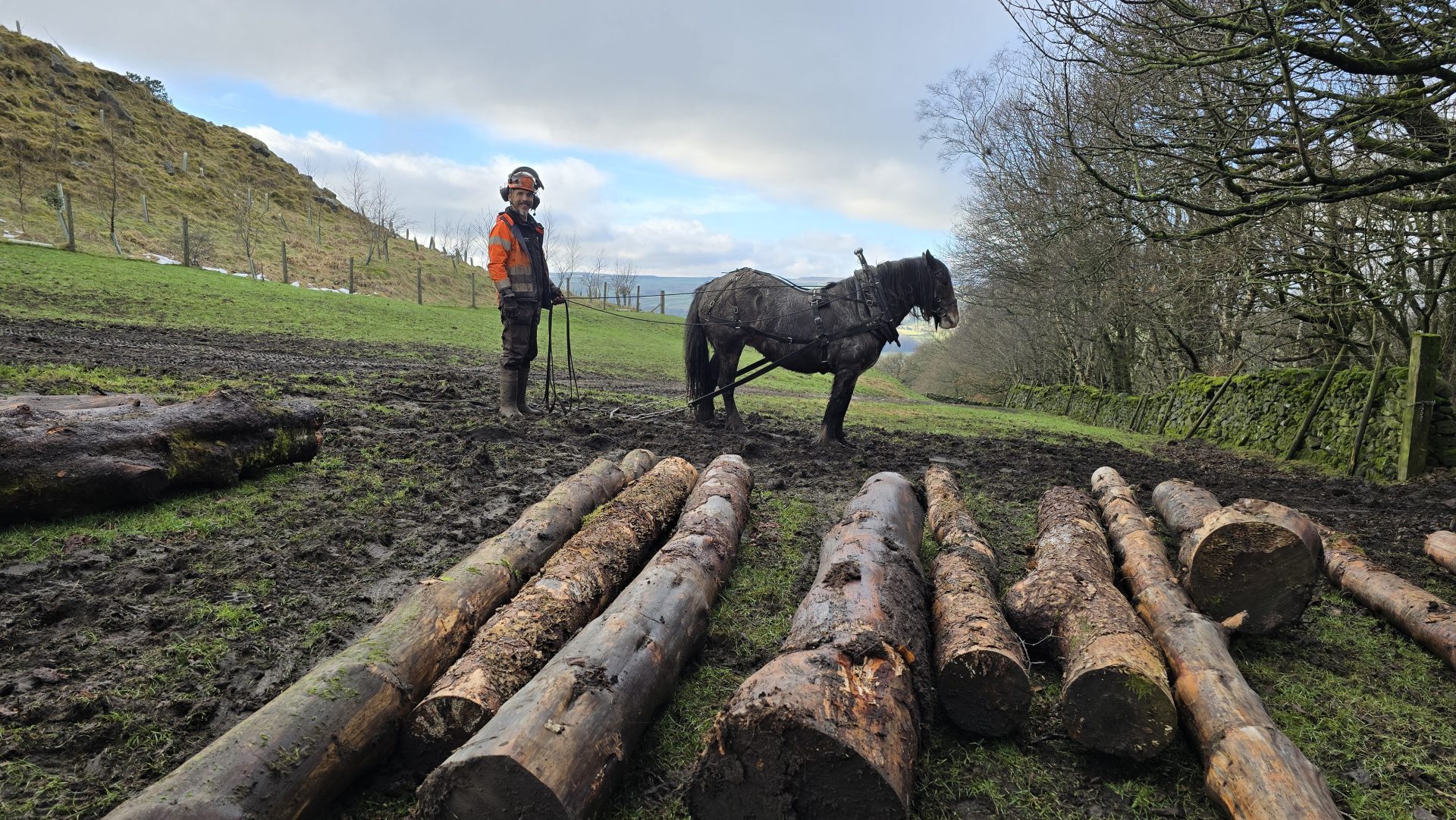
Horse logging is especially effective in sensitive woodlands, or where sites are tricky to access and manoeuvre, like Cleatop. The horses are able to access tricky parts of the woodland and negotiate gaps between the trees in a way that machinery can’t, removing the need for creating unsightly and damaging extraction routes. The horses also cause less ground disturbance and compaction to the woodland floor and vegetation, barely leaving a trace of having been there at all.
As a native breed, Dales ponies are incredibly strong for their size, sure-footed and agile, willing and intelligent, making them perfect for working in the woodlands. And so, after her morning hay net, Duchess was clearly eager to get to work, and carried out her job with enthusiasm and determination, responding to instructions and encouragement from Tom when needed, dragging 12ft long larch trunks behind her as though they were twigs. Watching them navigate their way through the wood together in quiet synergy and skill, was a real treat.
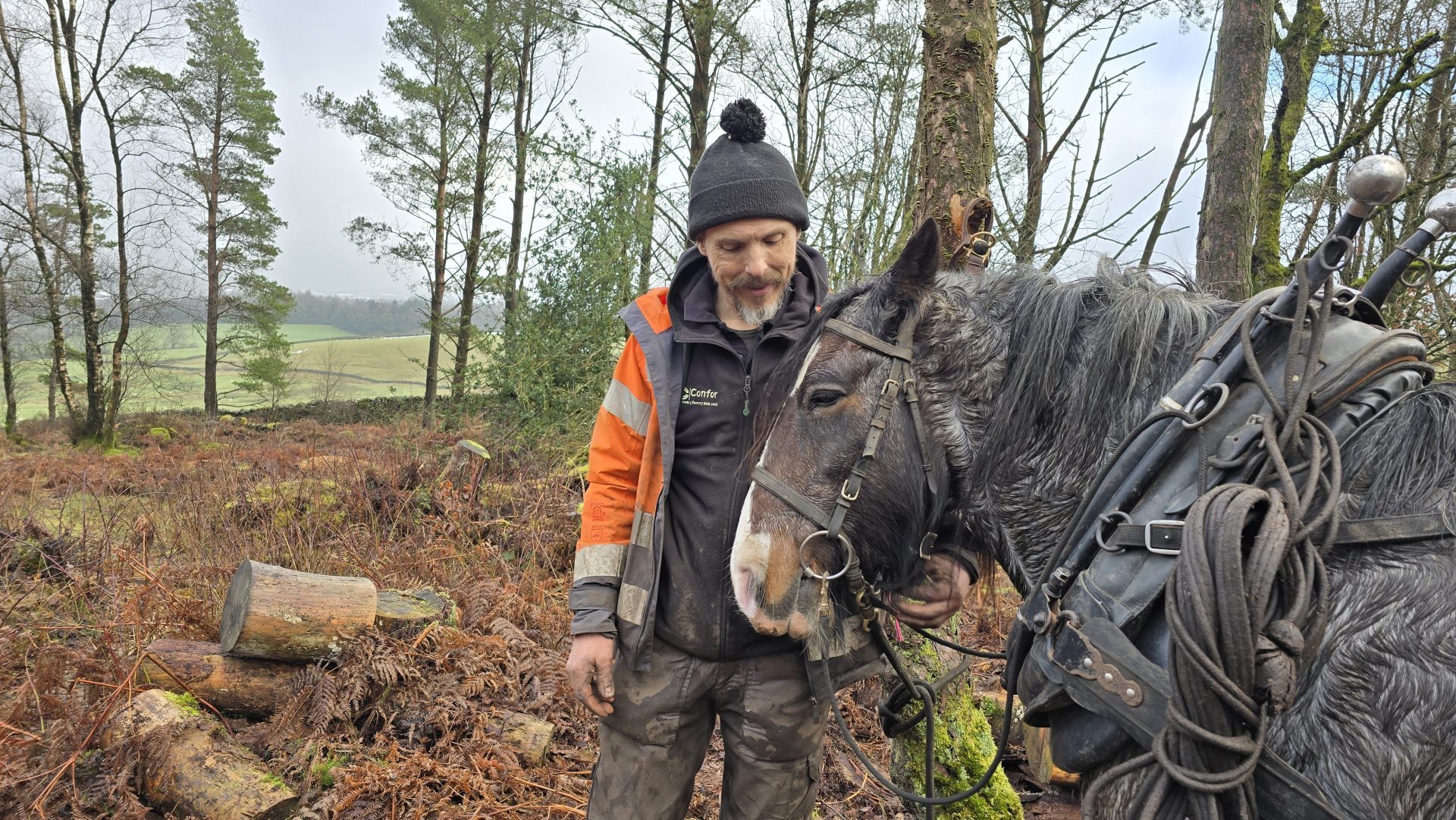
But what struck me most of all was the quietness – no aggressive sounds of heavy forestry machinery cutting through the peacefulness of the woodland; just the gentle tinkling of chains and the soft padding of unshod hoof beats. We could happily chat away as Tom and Duchess worked, or just enjoy the sounds of the woodland; the nearby drumming of a woodpecker, and the call of a raven somewhere overhead.
Although a slower-paced, less lucrative technique to modern machinery, horse logging is now being recognised and praised for the environmental benefits it brings to small scale woodland management and woodland regeneration, of which I am becoming increasingly passionate about and proud to support. To say I’m already looking forward to working with Tom and Duchess again in the future for the next round of timber extraction is an understatement.
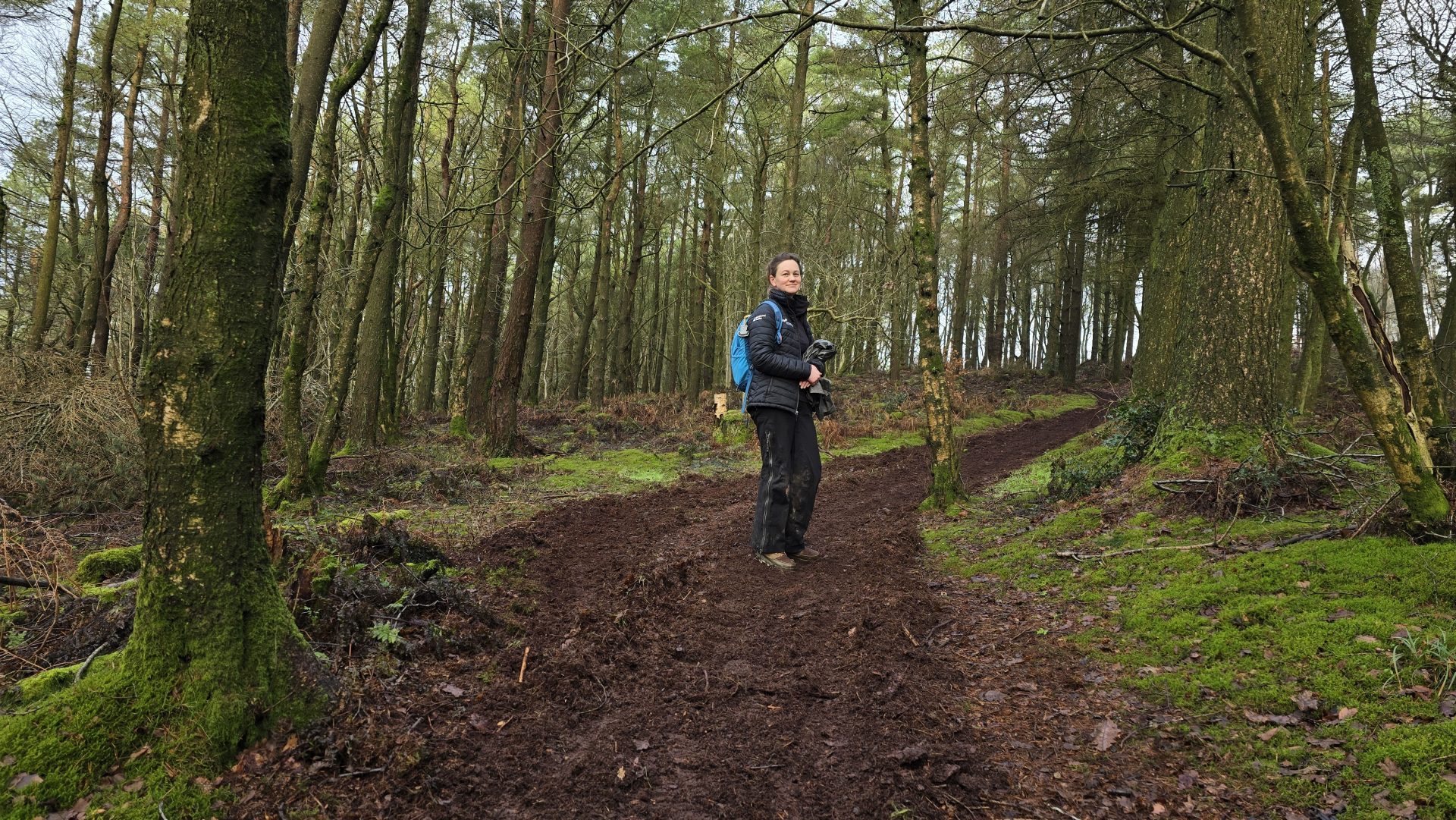
Trees and Woodlands Officer at Cleatop Wood.
Meghann Mezzanotte, Trees and Woodlands Officer, YDNPA.