A two-phase project combining regenerative grazing, habitat restoration and a new bunk barn to help create a more sustainable and resilient farm.
- Location: Crow Trees Farm, Gunnerside
- FiPL funding: £115,213.49
- Project: Regenerative agriculture, bunk barn, peat restoration, wader scrapes and tree planting
About the project
Phase One
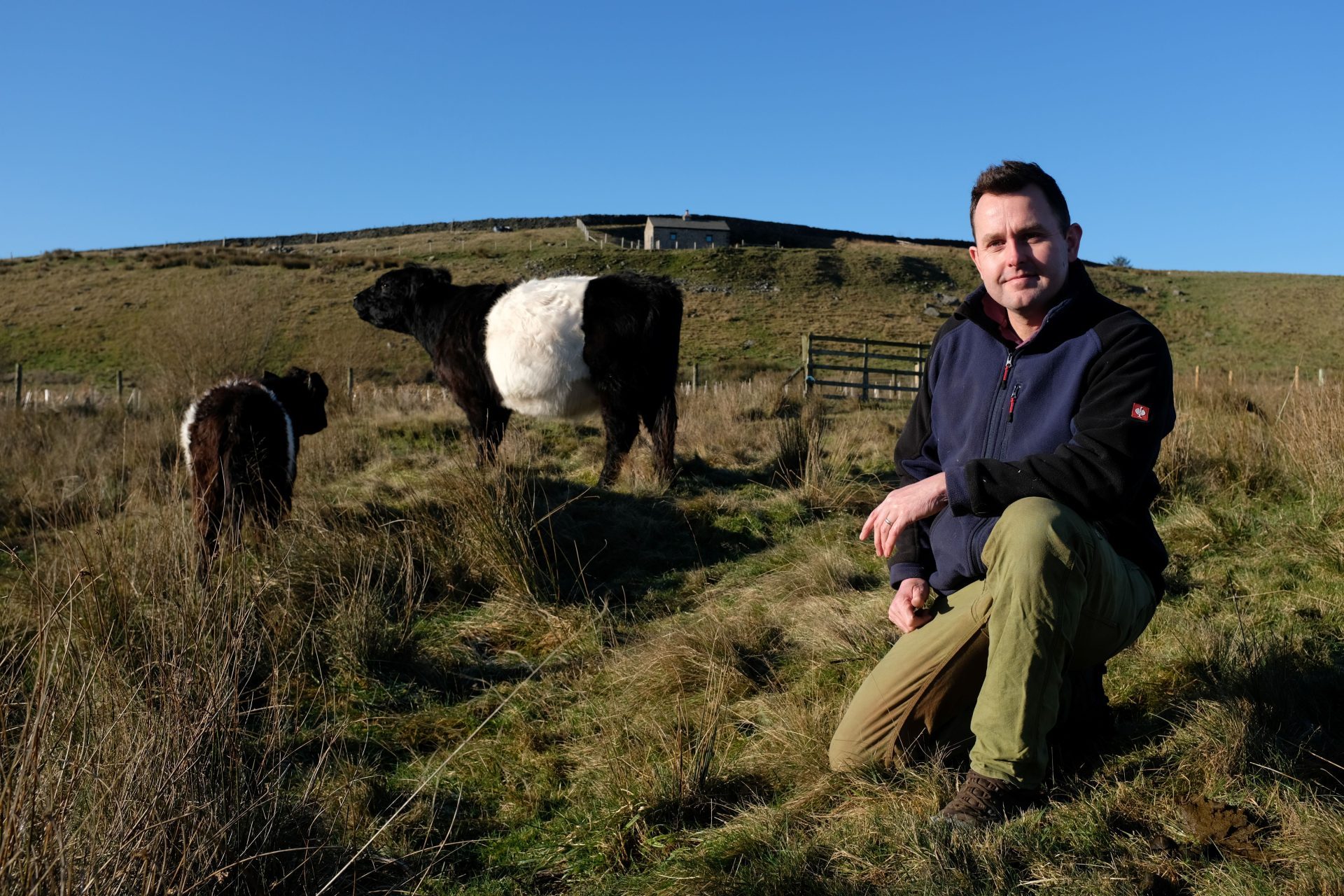
A regenerative ‘mob’ grazing trial which commenced in May 2022 with the aim of improving soil health and boosting natural productivity to make the farm more self-sufficient and sustainable. The intended benefits are:
- Cutting out artificial fertiliser
- Reducing pesticide use
- Reducing vet-med treatments
- Reducing bought-in feed whilst maintaining farm output
- Increasing biodiversity
- Storing carbon
FiPL contributed 60% of actual costs to enable paddock grazing, introduction of a herbal ley, and costs for surveying and consultancy.
Phase Two
A much broader project taking a holistic approach to safeguard the future of the farm whilst the agricultural transition period continues to reduce farm subsidy payments.
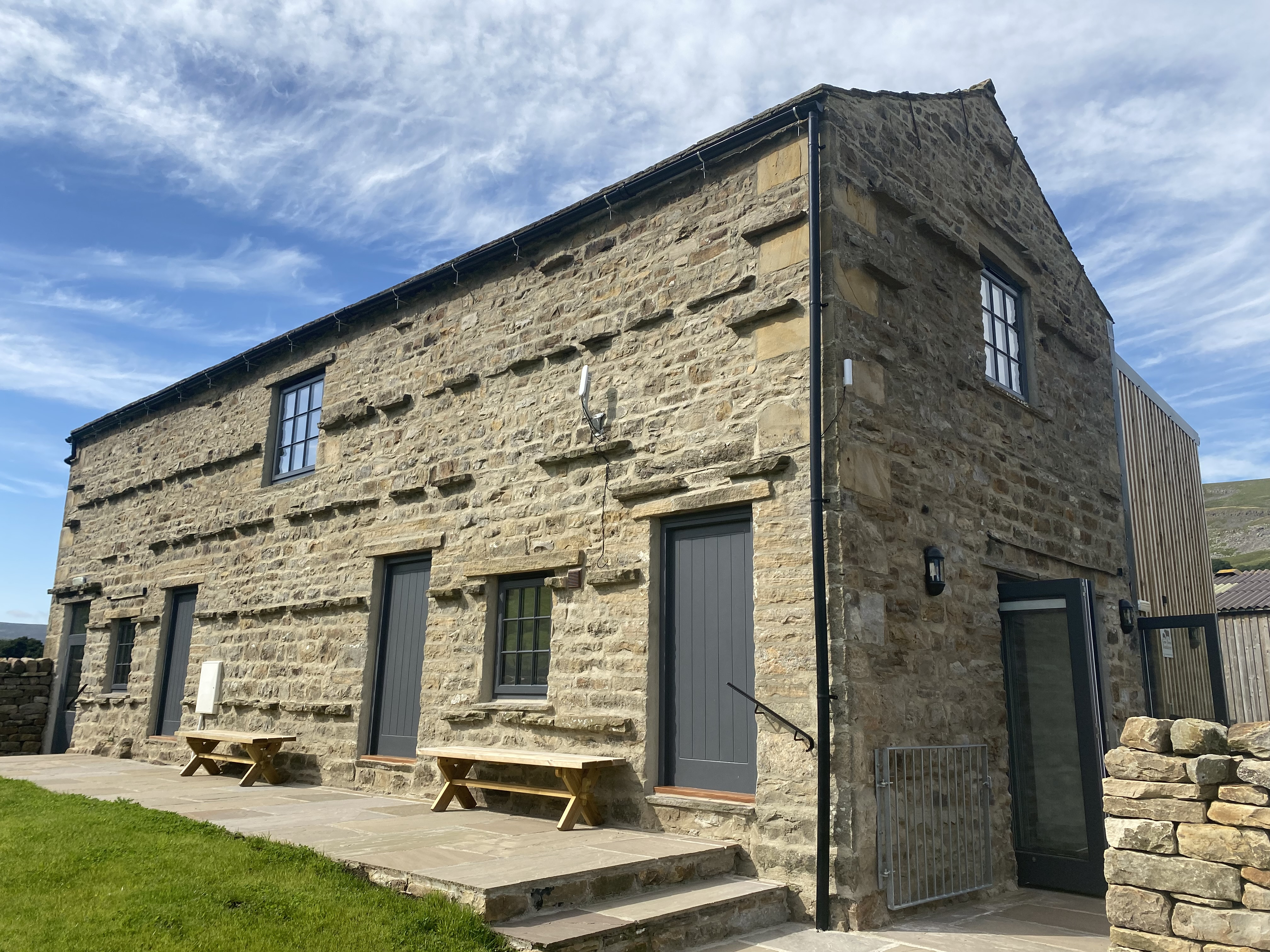
After planning consent was secured to convert a traditional stone barn into a bunk barn, the family applied for FiPL funding to assist with the cost of development. This required specialist materials and equipment to ensure that the building was built to commercial specification and suitable for disabled access.
Additional work included:
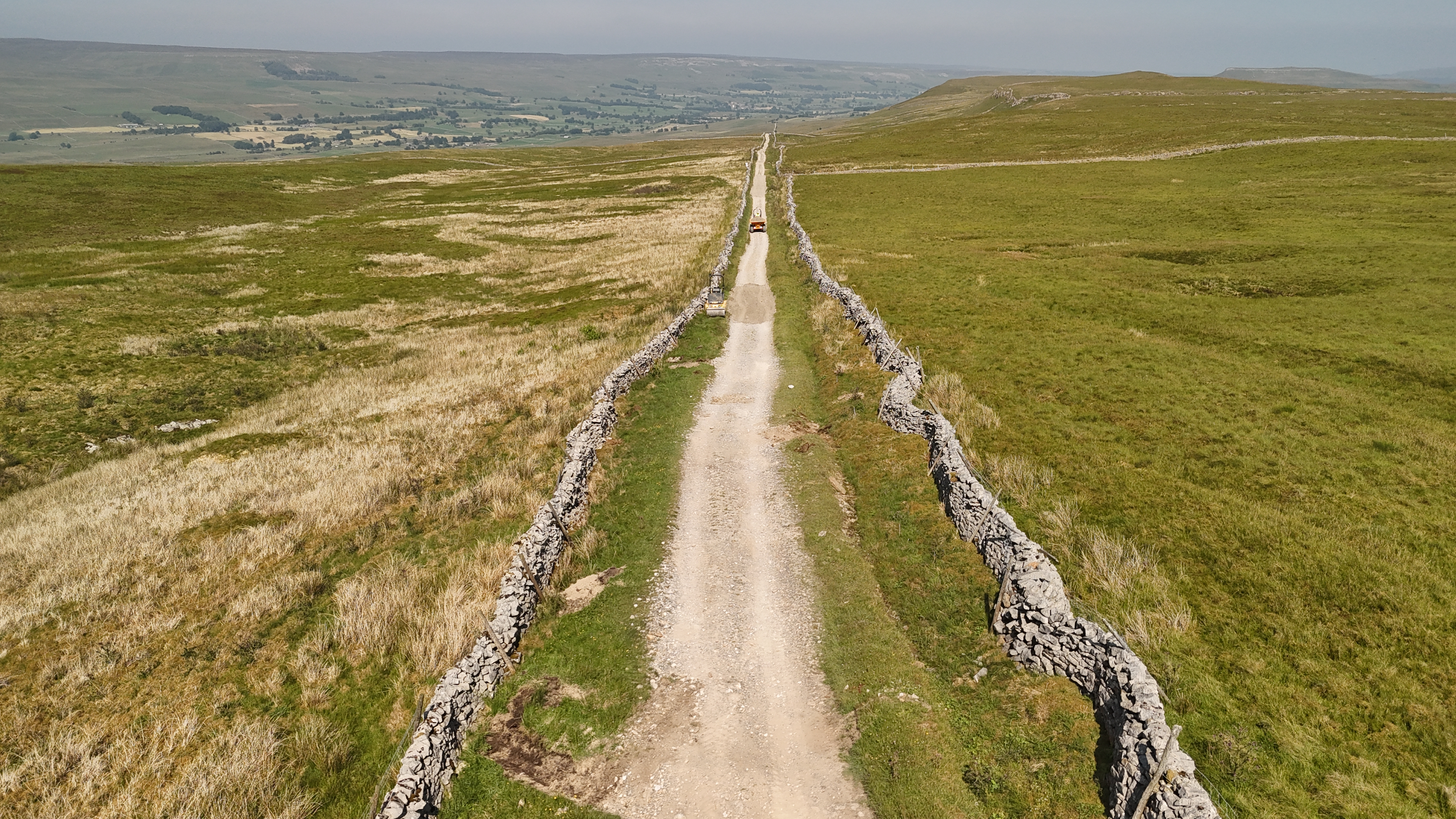
- Grip blocking
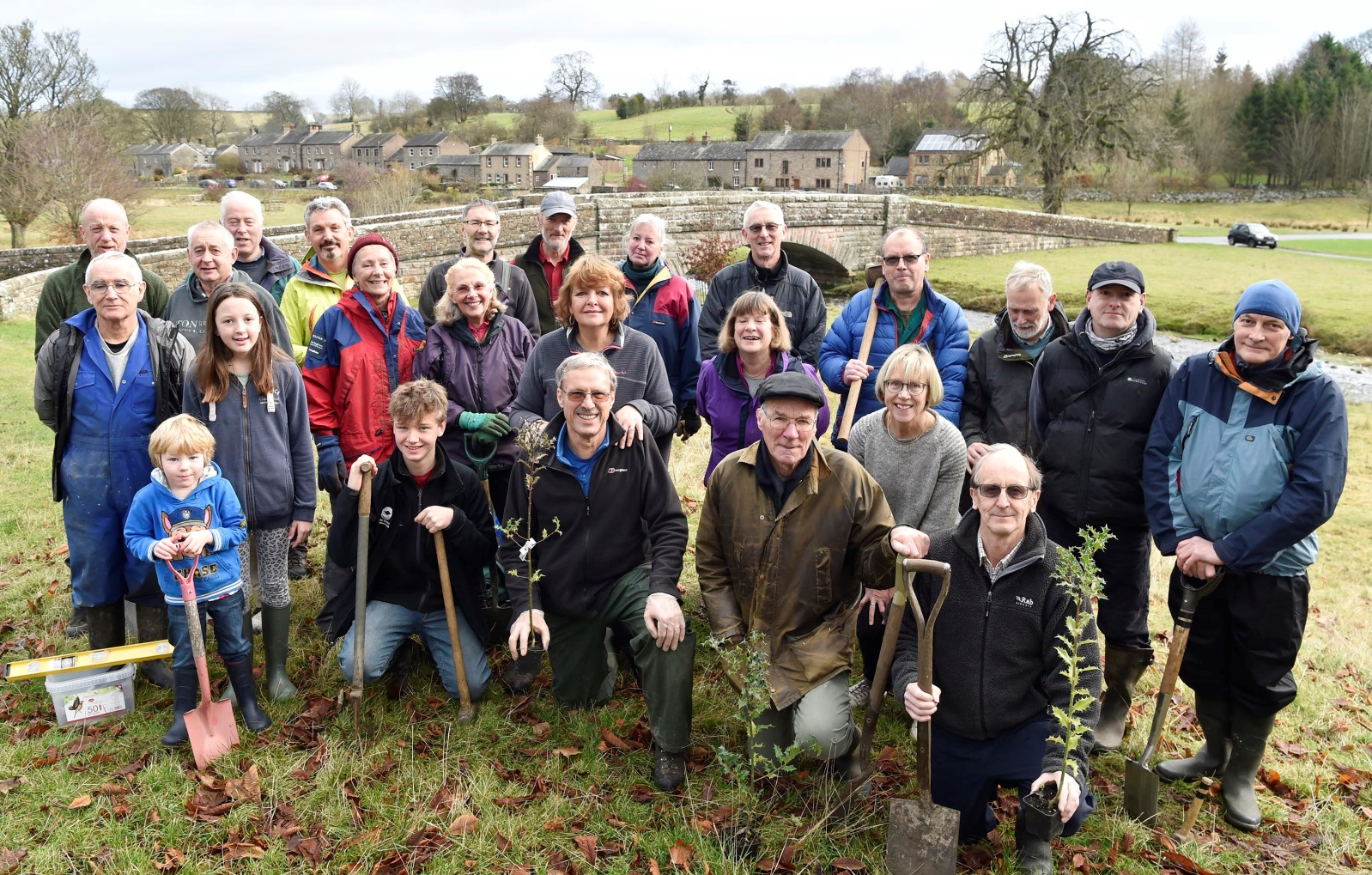
- Tree planting
- Scrapes for wader birds
Themes covered by the project
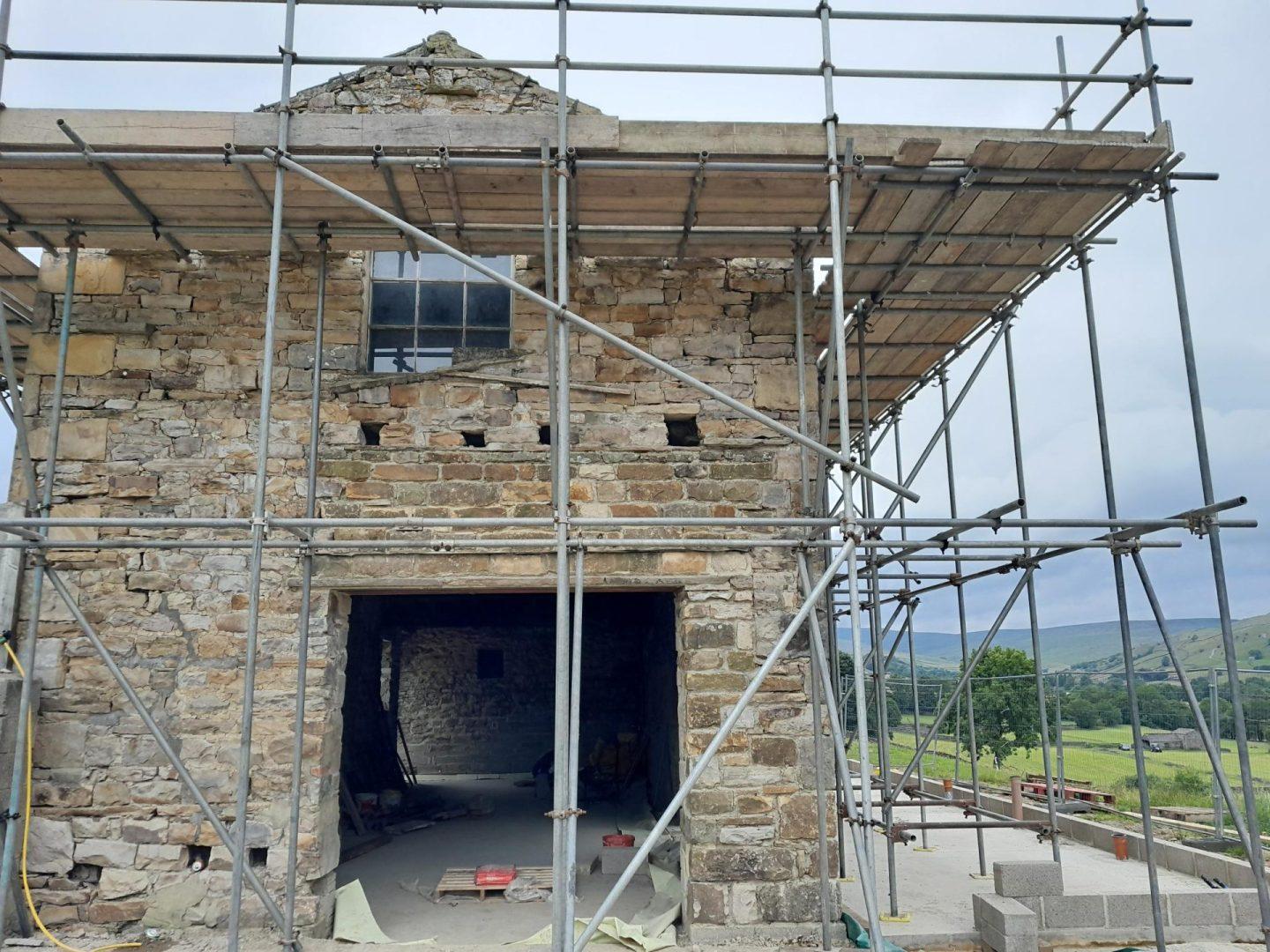
Restoration work underway on a traditional stone field barn through the Farming in Protected Landscapes programme.
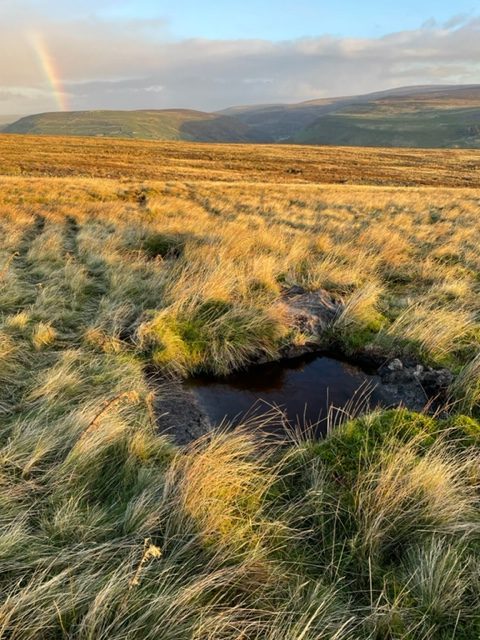
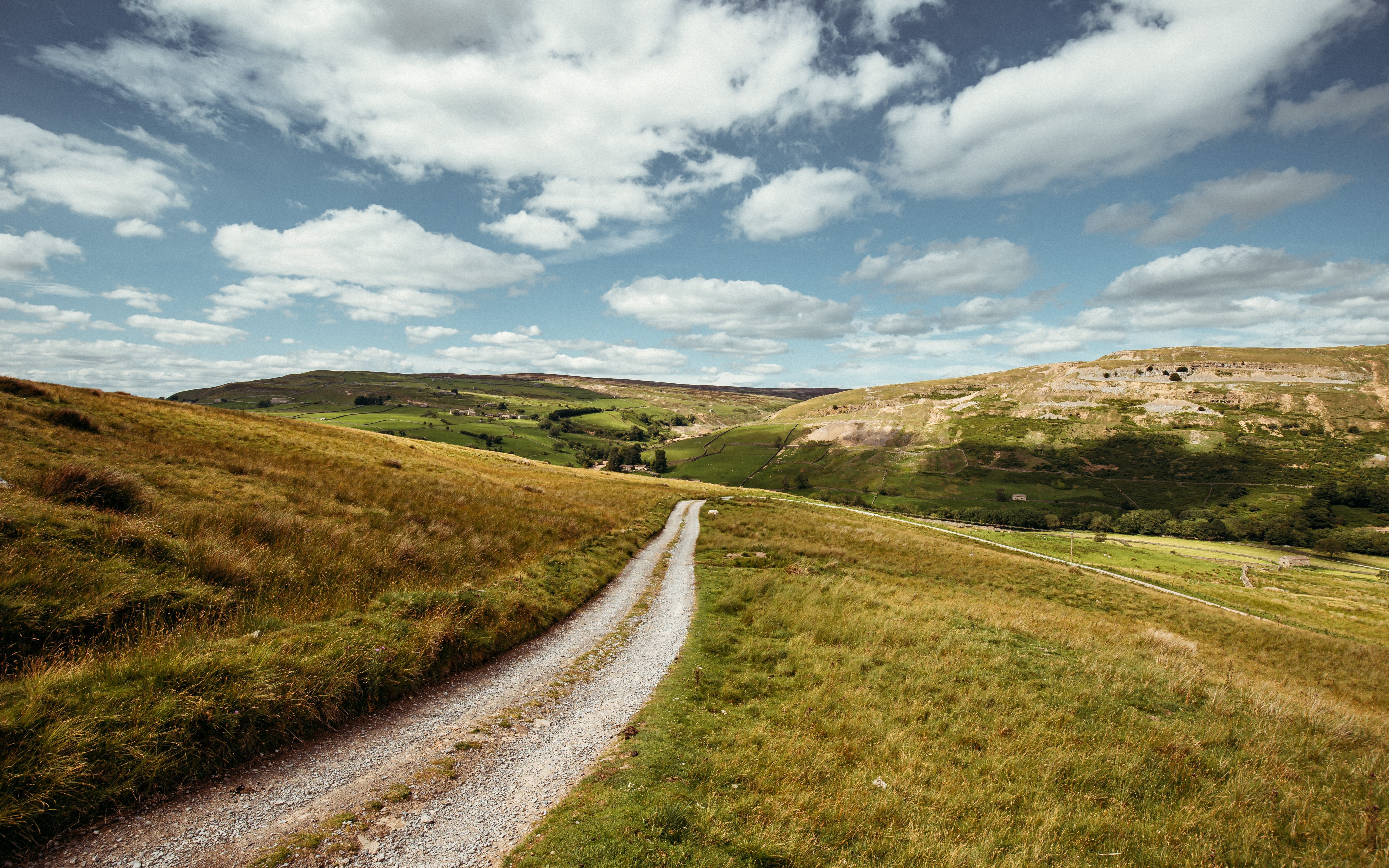
Moorland habitat supported through the Farming in Protected Landscapes programme.
Climate: Peat restoration and tree planting and herbal ley sequestering more carbon, more resilient landscape.
Nature: Wader management, trees, habitat connectivity, improved soil health and sward structure.
People: Low-cost accommodation targeting different groups including younger ages, links to National Trails and popular walking and cycling routes, carefully considered interpretation, better understanding of links between farming, nature and climate.
Place: Restoration and new use for redundant barn, diversification to support sustainable, nature-friendly farm business, explanation of cultural landscape and history to the public.

National Park Management Plan
See how this project contributes to the objectives of the National Park Management Plan and the future of the Yorkshire Dales.
Read more about National Park Management Plan