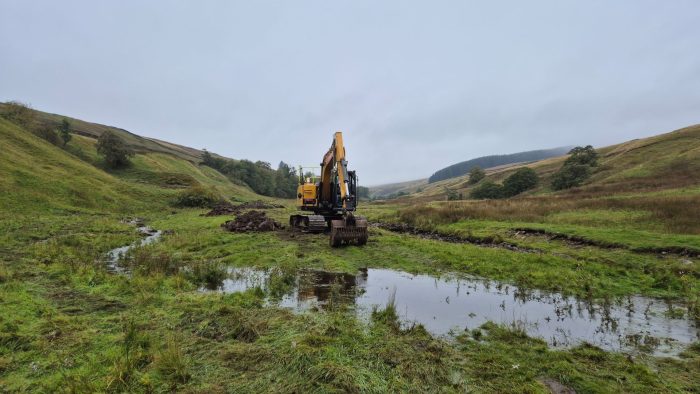
Work has begun on an ambitious river restoration scheme on the River Cover in Coverdale, which is being carried out as part of the Defra-funded Wildlife Rich Habitat Fund. This programme supports large-scale nature recovery projects that create, restore and connect wildlife-rich habitats across protected landscapes like the Yorkshire Dales National Park, helping to reverse biodiversity loss and tackle the impacts of climate change.
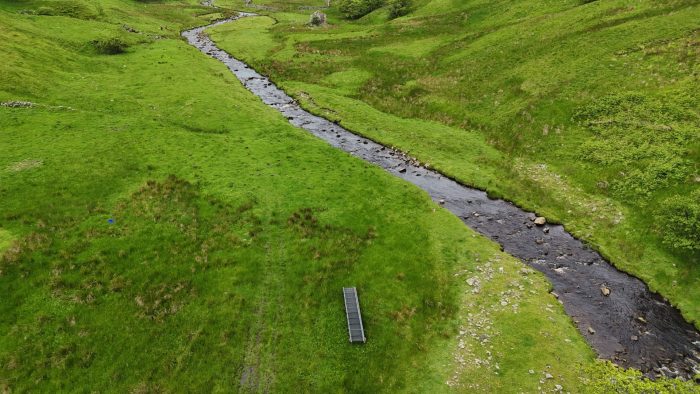
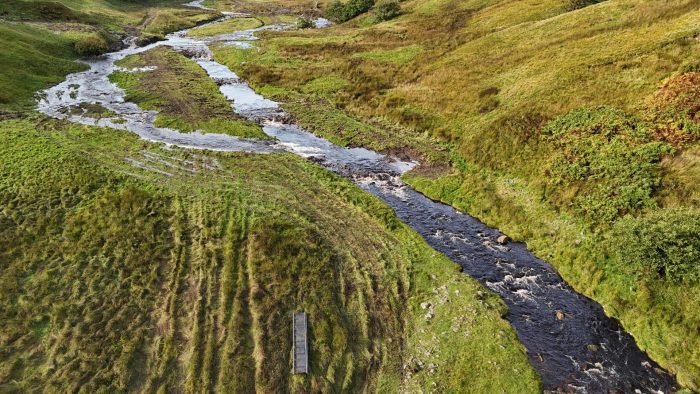
The project, being led by Professor Jonathan Grey of the Wild Trout Trust, builds on work already undertaken by the Trust with funding from the Environment Agency and Yorkshire Water. It will restore around three kilometres of river and floodplain habitat, helping to bring natural river processes back to the upper River Cover catchment.
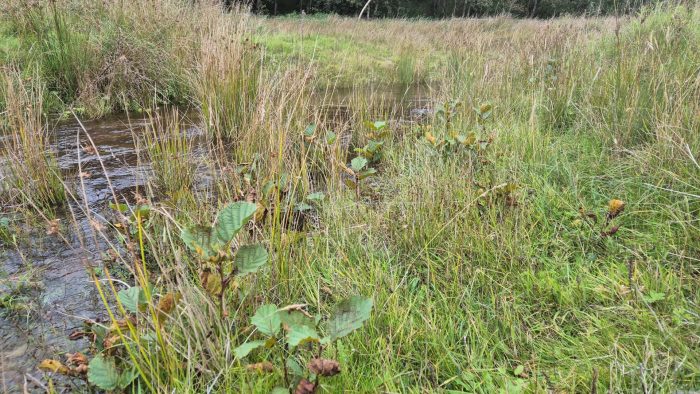
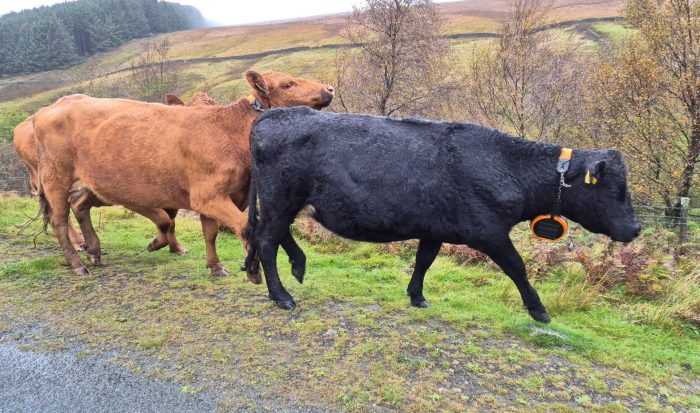
The work will include the installation of livestock fencing, allowing riverside habitats to recover before the re-introduction of cattle grazing, creating conditions for a richer diversity of plants, insects, birds and other wildlife. Over time, the restoration is expected to improve water quality and help slow the flow of water during periods of high rainfall.
Mark Corner, Member Champion for the Natural Environment at the Yorkshire Dales National Park Authority said: “The River Cover is an important part of the Dales landscape, but over several years sections of the river have been altered and disconnected from their natural floodplain. This project gives us an opportunity to put some of those natural processes back, creating better conditions for wildlife, slowing the flow of water, and helping the land become more resilient to the impacts of climate change”.
Jonny Grey of the Wild Trout Trust said: “to reverse the historic straightening and deepening of the river, we’ve returned boulders, cobble and gravel from man-made embankments back to the channel. This has raised the riverbed, lowered the banks and reconnected the river with its floodplain. We’ve also restored a more natural, winding course, slowing the flow and helping retain gravels that are vital for invertebrates and fish spawning. Essentially, we’ve taken the shackles off the river and given it back the tools it needs to evolve.
“We will monitor the fish community, particularly wild brown trout, to evaluate the project’s success, and hope the changes will also encourage salmon to extend their spawning range to Coverhead.”
The project contributes to the National Park’s ambitions for nature recovery, climate resilience and natural flood management, while supporting national targets to restore wildlife-rich habitats and reconnect rivers with their floodplains. Work will continue in phases over two years.